
When your eyes struggle with night vision or your immune system seems constantly challenged, beta carotene supplement benefits could be the missing link in your wellness routine. This powerful carotenoid—responsible for the vibrant orange in carrots and sweet potatoes—delivers dual health advantages as both a provitamin A source and potent antioxidant. Unlike preformed vitamin A that carries toxicity risks at high doses, beta carotene converts to vitamin A only as your body needs it, making supplementation exceptionally safe for most people. Understanding these beta carotene supplement benefits helps you strategically support eye health, immune function, cardiovascular protection, and cellular defense against oxidative damage.
Research confirms that beta carotene accumulates in multiple body tissues, with adipose tissue storing 80-85% of total body reserves, ensuring sustained release for ongoing physiological needs. Whether you’re addressing specific health concerns or building preventive wellness strategies, this guide reveals exactly how beta carotene supplementation delivers measurable health advantages backed by scientific evidence.
How Beta Carotene Enhances Vision and Prevents Eye Disease
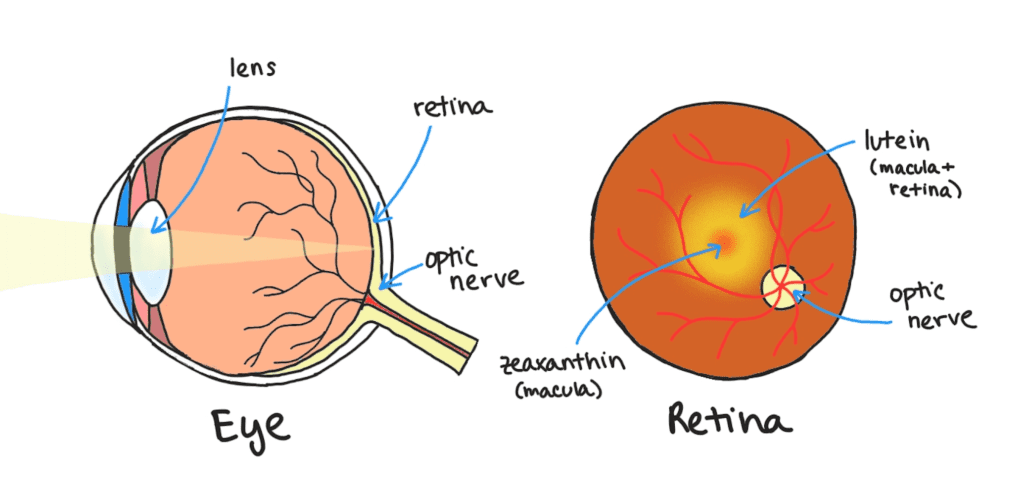
Beta carotene’s accumulation in the retina and retinal pigment epithelium provides targeted protection against photooxidative damage that drives age-related vision decline. This orange pigment functions as a natural blue light filter while simultaneously neutralizing reactive oxygen species generated by light exposure—dual protection that preserves photoreceptor cells from cumulative damage. Without adequate beta carotene intake, rhodopsin regeneration becomes impaired, leading to night blindness that often represents the earliest clinical sign of vitamin A deficiency.
The vitamin A derived from beta carotene serves as the essential building block for visual pigments that enable low-light vision. When you maintain consistent beta carotene levels, your eyes adapt more effectively to changing light conditions and preserve visual function as you age. For those concerned about long-term eye health, regular beta carotene intake provides critical support for maintaining sharp vision throughout life.
Why Beta Carotene Reduces Cataract Risk
Scientific evidence demonstrates that higher beta carotene intake correlates with significantly reduced risk of cataract development and progression. The lens of your eye remains vulnerable to oxidative damage throughout life, and cumulative free radical exposure contributes to protein denaturation that causes lens clouding. Beta carotene’s presence in ocular tissues directly mitigates this oxidative burden by:
- Neutralizing reactive oxygen species before they damage lens proteins
- Preserving the structural integrity of crystalline proteins
- Supporting the eye’s natural antioxidant defense systems
Population studies consistently show individuals with the highest beta carotene intake experience up to 40% lower cataract incidence compared to those with minimal intake. For optimal eye protection, combine beta carotene supplementation with other carotenoids like lutein and zeaxanthin that concentrate specifically in the macula.
Boosting Immune Defense with Beta Carotene Supplementation
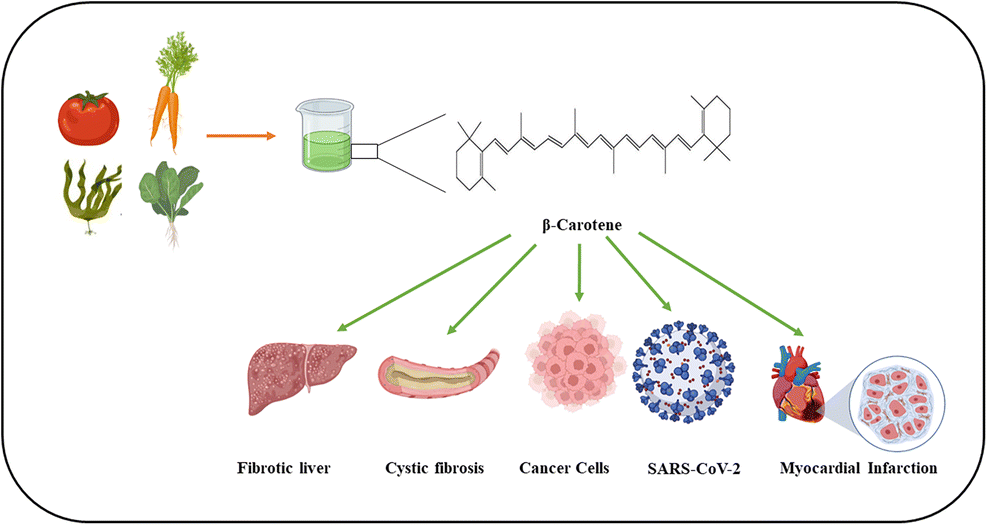
Beta carotene strengthens your immune system through multiple pathways that enhance your body’s ability to defend against infections and maintain health integrity. The vitamin A derived from beta carotene supports the integrity of mucosal surfaces throughout your respiratory tract, gastrointestinal system, and genitourinary tract—your first line of defense against pathogen invasion. When these barriers function optimally, they effectively trap and neutralize invading microorganisms before they establish infection.
How Beta Carotene Enhances Immune Cell Function
Beta carotene directly influences the performance of critical immune cells responsible for identifying and eliminating pathogens. Scientific research demonstrates that adequate beta carotene status:
- Increases natural killer cell activity by up to 30% in individuals with marginal vitamin A status
- Supports lymphocyte proliferation and differentiation for targeted immune responses
- Improves neutrophil chemotaxis—the coordinated movement of immune cells toward infection sites
These cellular-level effects translate to measurable improvements in immune competence, particularly during cold and flu season. For those seeking to strengthen their body’s natural defenses, maintaining optimal beta carotene levels provides foundational support for robust immune function year-round.
Cardiovascular Protection Through Beta Carotene’s Antioxidant Action
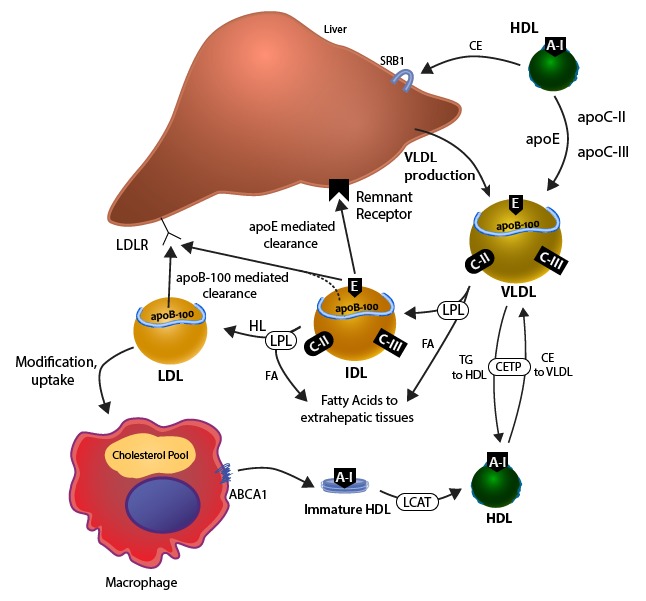
Beta carotene delivers significant cardiovascular benefits by preventing the oxidative modification of low-density lipoprotein (LDL) cholesterol—a critical early step in atherosclerotic disease development. When LDL particles become oxidized, they transform from normal lipid transporters into agents that deposit in arterial walls and trigger inflammatory plaque formation. Beta carotene’s presence within the lipid core of circulating lipoproteins effectively blocks this damaging oxidation process.
Beta Carotene’s Anti-Inflammatory Effects on Blood Vessels
Beyond antioxidant protection, beta carotene attenuates vascular inflammation that contributes to plaque development through three key mechanisms:
- Endothelial function support – Helps maintain your blood vessels’ ability to dilate properly and regulate blood flow
- Adhesion molecule regulation – Reduces abnormal expression that initiates plaque formation
- Inflammatory cytokine modulation – Lowers levels of pro-inflammatory signaling molecules
Population studies consistently report inverse associations between beta carotene intake and cardiovascular disease risk, with higher consumption correlating to lower rates of heart attack and stroke. For those with family histories of heart disease, beta carotene supplementation represents one component of a comprehensive vascular protection strategy.
Skin Photoprotection: Beta Carotene’s Natural UV Defense
Beta carotene accumulates in your skin following consistent oral supplementation, providing endogenous photoprotection against ultraviolet radiation-induced damage. This antioxidant neutralizes reactive oxygen species generated by UV exposure, reducing DNA damage, inflammatory signaling, and collagen degradation that contribute to both photoaging and skin cancer risk. While beta carotene cannot replace sunscreen, it offers valuable complementary protection from within.
Maximizing Beta Carotene’s Skin Benefits
For meaningful photoprotection, follow these evidence-based guidelines:
- Consistency matters: Several weeks of daily supplementation are required to achieve protective tissue concentrations
- Combine with other antioxidants: Pair beta carotene with vitamin C and vitamin E for synergistic protection
- Maintain adequate levels: Continue supplementation throughout periods of increased sun exposure
Research shows individuals who maintain optimal beta carotene status experience reduced sunburn severity and slower development of photoaging signs. The compound’s influence on cellular differentiation also supports healthy epidermal barrier function and skin cell turnover for a more vibrant complexion.
Safe Supplementation Practices for Maximum Benefit
Beta carotene supplements offer an excellent safety profile that distinguishes them from preformed vitamin A sources. The body’s regulated conversion process automatically slows when vitamin A status is adequate, preventing toxic accumulation even at higher supplemental doses. For most healthy adults, 6-15 milligrams daily provides meaningful health benefits without adverse effects.
Critical Considerations Before Supplementing
Before starting beta carotene supplementation, evaluate these important factors:
- Smoking status: High-dose beta carotene may increase lung cancer risk in current smokers
- Asbestos exposure history: Those with occupational exposure should consult healthcare providers
- Thyroid function: Individuals with hypothyroidism may convert beta carotene to vitamin A less efficiently
Select products with natural beta carotene from algae or palm oil rather than synthetic versions, and verify third-party testing for purity and potency. Always pair supplementation with a diet rich in colorful fruits and vegetables for comprehensive antioxidant protection.
Choosing Between Food Sources and Supplements
While carrots, sweet potatoes, and dark leafy greens provide excellent dietary beta carotene, achieving optimal intake through food alone proves challenging for many people. The bioavailability of beta carotene from food varies considerably based on the food matrix, with cooked and homogenized sources offering superior absorption compared to raw vegetables. Fat consumption alongside beta carotene-rich foods significantly enhances absorption, as the compound requires dietary lipids for optimal uptake.
When Supplements Provide Essential Support
Consider beta carotene supplementation if you:
- Struggle to consume sufficient colorful fruits and vegetables daily
- Have conditions affecting nutrient absorption
- Experience increased requirements due to health challenges
- Want consistent dosing for specific health goals
Supplements eliminate the guesswork associated with dietary intake, providing a reliable baseline while you work on improving your overall dietary pattern. The most effective approach combines both strategies—using supplements to ensure consistent baseline intake while emphasizing beta carotene-rich foods as part of a nutrient-dense diet.
Key Takeaways for Optimizing Beta Carotene Supplement Benefits
Beta carotene supplementation delivers multiple science-backed advantages through its dual role as a provitamin A source and potent antioxidant. For optimal results, select natural-source supplements from reputable manufacturers that provide third-party testing verification and appropriate fat-based formulation for maximum absorption. Consistent daily supplementation at 6-15 mg, paired with a diet rich in colorful produce, establishes and maintains the tissue levels needed for eye health protection, immune enhancement, cardiovascular support, and skin photoprotection.
Remember these critical implementation points: smokers should consult healthcare providers before supplementing, fat enhances absorption whether from food or supplements, and benefits accumulate over weeks of consistent use. By strategically incorporating beta carotene into your wellness routine based on these evidence-based beta carotene supplement benefits, you’ll harness one of nature’s most versatile protective compounds for comprehensive health support.