
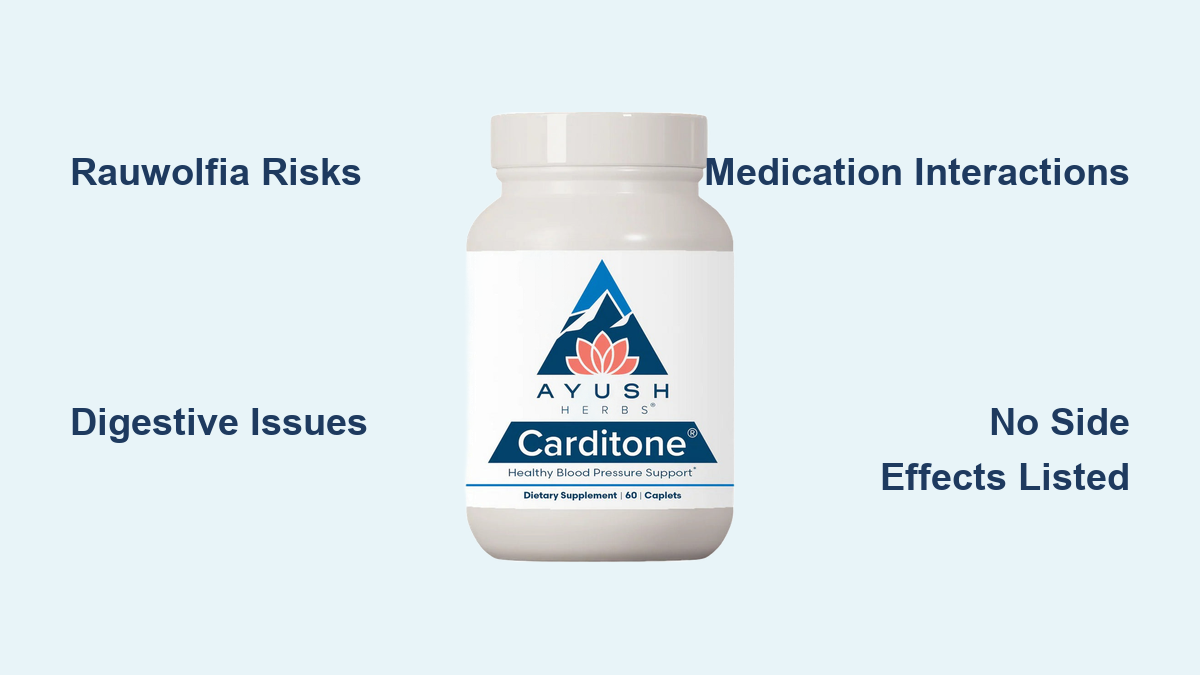

Carditone has surged in popularity as a natural heart health supplement, with over 5,400 customer reviews contributing to its impressive 4.5-star rating on major retail platforms. Manufactured by Ayush Herbs, this vegetarian formula combines traditional Ayurvedic herbs like Rauwolfia and Arjuna with plant-sourced minerals to support cardiovascular function. However, if you’re researching carditone supplement side effects before adding it to your wellness routine, you’ll quickly encounter a critical information gap: the official product documentation contains no specific warnings, adverse reaction reports, or documented side effects. This absence of safety data creates a challenging situation for health-conscious consumers who need to balance potential benefits with risk awareness.
The lack of side effects information isn’t unique to Carditone—it’s a common issue across the supplement industry where regulatory requirements differ significantly from pharmaceutical drugs. While the product prominently features its heart health benefits and ingredient list, the complete omission of safety considerations means you must take extra steps to protect your health. Before incorporating Carditone into your daily regimen, understanding what we know (and crucially, what we don’t know) about potential reactions could prevent unexpected health complications. This guide will help you navigate the information void surrounding carditone supplement side effects while providing practical steps for safe usage.
Carditone’s Ingredient Profile and Potential Considerations
Carditone’s formula combines five primary active ingredients—Rauwolfia, Arjuna, coral calcium, magnesium, and Shankhpushpi—with rose as a special addition. Each component carries its own physiological implications that could affect users differently. Rauwolfia, traditionally used in Ayurvedic medicine for cardiovascular support, contains compounds with documented pharmacological activity that warrants particular attention. Arjuna bark has been historically associated with heart function support, while Shankhpushpi contributes calming properties that may affect nervous system responses.
The mineral components—plant-sourced coral calcium and magnesium—play essential roles in cardiovascular health but can cause issues at inappropriate doses. Magnesium commonly triggers digestive discomfort in sensitive individuals, especially when taken without food, while excessive calcium intake may lead to gastrointestinal disturbances. The specific concentrations of these ingredients in Carditone aren’t disclosed in available documentation, making it impossible to assess potential reaction risks based solely on the product information. This formulation complexity means that even without documented side effects, certain users might experience reactions based on individual sensitivities to these bioactive components.
The Critical Information Gap in Safety Documentation
When searching for carditone supplement side effects, you’ll find the manufacturer’s listing focuses exclusively on benefits without addressing potential adverse reactions. This omission isn’t a regulatory violation—supplement manufacturers aren’t required to conduct pre-market safety testing like pharmaceutical companies—but it creates significant challenges for informed decision-making. The 5,400+ customer reviews primarily discuss effectiveness rather than negative experiences, leaving consumers without systematic data on how frequently reactions might occur or what symptoms to watch for.
This documentation gap means you must approach Carditone with the same caution you’d apply to any supplement lacking transparent safety information. The absence of listed side effects doesn’t guarantee safety; it simply indicates that either no adverse events have been formally reported, or the manufacturer hasn’t included this information in their marketing materials. Without clinical studies specifically examining Carditone’s safety profile, users become de facto participants in an unmonitored experiment where individual reactions remain undocumented and unanalyzed. This reality underscores why professional medical guidance becomes essential before starting any supplement with incomplete safety data.
Understanding Rauwolfia’s Pharmacological Implications
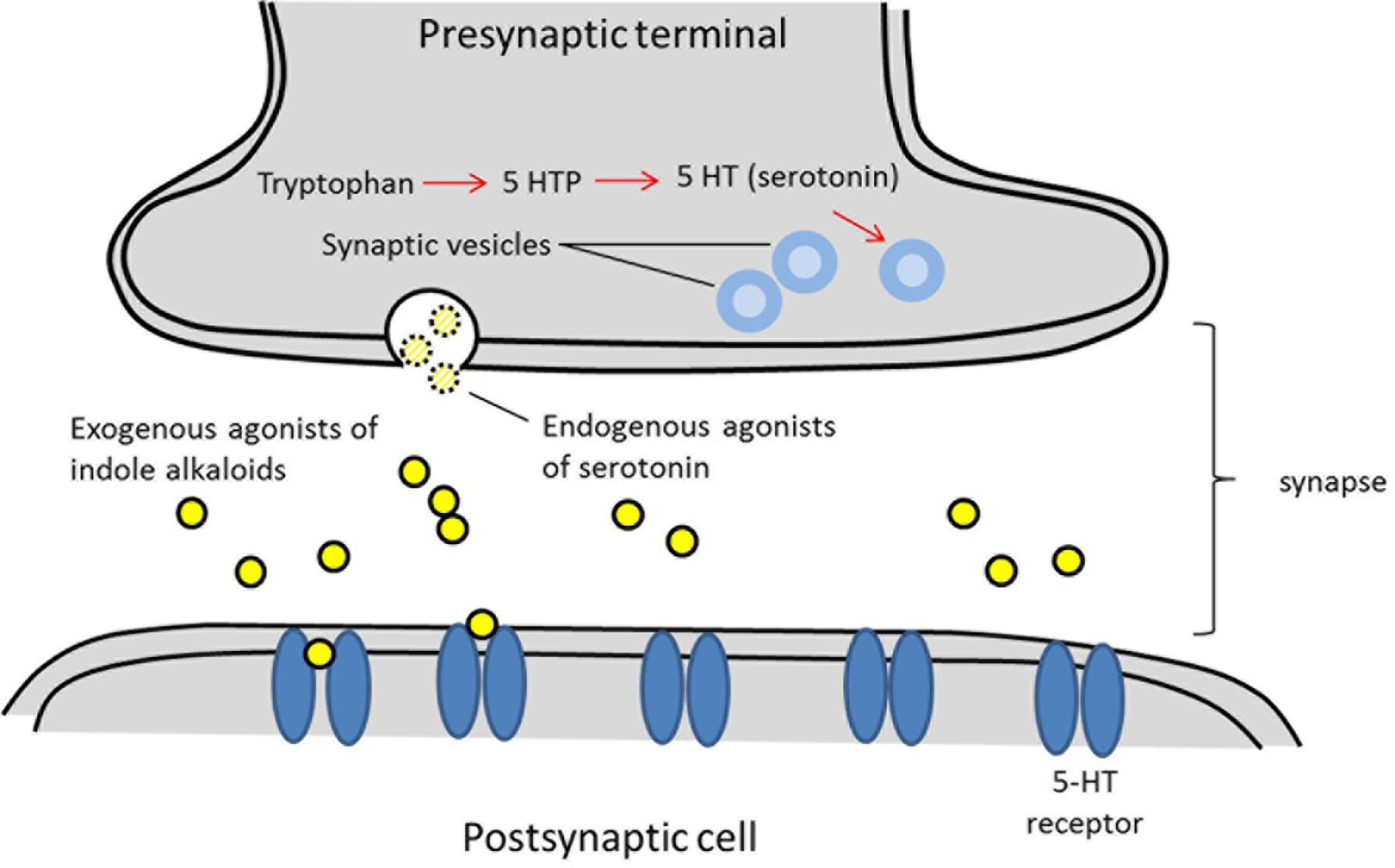
Rauwolfia serpentina deserves special attention when evaluating potential carditone supplement side effects due to its well-documented pharmacological activity. While marketed for supporting healthy blood pressure levels, Rauwolfia contains compounds that interact with the nervous system in ways that could affect different users unpredictably. Individuals already taking blood pressure medications face particular concerns, as combining prescription antihypertensives with Rauwolfia could potentially cause excessive blood pressure reduction leading to dizziness or fainting episodes.
The therapeutic window for Rauwolfia varies significantly between individuals, meaning what’s safe for one person might cause issues for another. Those with pre-existing heart conditions, kidney problems, or who are pregnant should exercise extreme caution, as Rauwolfia’s effects on these populations haven’t been systematically studied in the Carditone formulation. The lack of dosage specifics in available documentation makes it impossible to determine whether Carditone’s Rauwolfia concentration falls within safe limits for sensitive individuals. Without explicit safety data, erring on the side of caution and consulting your healthcare provider before use becomes non-negotiable for anyone in these higher-risk categories.
Mineral Components: Calcium and Magnesium Considerations

While calcium and magnesium are essential nutrients, their inclusion in Carditone introduces potential reaction points that aren’t addressed in the product documentation. Magnesium commonly causes loose stools or digestive discomfort, particularly when taken on an empty stomach or by individuals with sensitive gastrointestinal systems. Calcium can trigger constipation, bloating, or in rare cases, contribute to kidney stone formation in susceptible users—concerns that become amplified when combined with other calcium-containing supplements or fortified foods.
The undisclosed amounts of these minerals in Carditone make it difficult to assess whether the formulation stays within generally recognized safe limits. Individuals taking additional calcium or magnesium supplements, those with kidney conditions, or people on medications affected by mineral levels should be particularly vigilant. Without knowing the exact dosages, you can’t determine if Carditone might push your total daily intake beyond comfortable thresholds. This information gap transforms what should be a straightforward supplement decision into a calculated risk where users must monitor their own reactions without professional guidance on expected tolerances.
Who Should Exercise Maximum Caution
Certain populations should approach Carditone with heightened vigilance due to the lack of documented safety information. Anyone taking prescription medications—especially blood pressure drugs, heart medications, sedatives, or antibiotics—faces potential interaction risks that the product documentation doesn’t address. The pharmacological activity of Carditone’s herbal components could inadvertently enhance or diminish medication effects, creating dangerous situations without users recognizing the connection.
Individuals with pre-existing heart, kidney, or liver conditions should consult specialists before trying Carditone, as their compromised systems may process supplement ingredients differently. Pregnant and breastfeeding women should absolutely avoid Carditone without explicit approval from their obstetric care provider, as the effects on fetal development or infant health remain completely unstudied. Those scheduled for surgery must inform their surgical team about all supplements, as Carditone’s blood pressure effects could interfere with anesthesia management. The absence of clinical studies on these populations means the safest approach is professional consultation before use.
Recognizing Potential Adverse Reactions
Since specific carditone supplement side effects aren’t documented, understanding general supplement intolerance signs becomes essential. Monitor for digestive symptoms like nausea, stomach cramps, diarrhea, or unusual bowel changes within hours or days of starting the supplement. Skin reactions including rashes, itching, or hives could indicate ingredient sensitivity. More serious but less common warning signs include dizziness, rapid heartbeat, severe headaches, or unusual fatigue that wasn’t present before supplement use.
Create a symptom journal tracking how you feel before and after starting Carditone to identify subtle changes. Note the timing of any new symptoms relative to when you take the supplement—this correlation can help determine if Carditone is the likely cause. If you experience significant discomfort or concerning symptoms, discontinue use immediately and consult a healthcare professional. Remember that natural doesn’t automatically mean side-effect-free, and your body’s unique biochemistry may react differently than others who’ve reported positive experiences in customer reviews.
Safe Supplement Usage Guidelines
When documentation lacks specific safety information, adopting conservative usage practices becomes crucial. Start with half the recommended dose for the first week to assess your body’s initial response before committing to the full amount. Always take Carditone with food to minimize potential digestive upset and enhance absorption of fat-soluble compounds. Space it at least two hours apart from prescription medications to reduce potential interaction risks, especially if taking blood pressure drugs.
Store the supplement properly in a cool, dry place away from direct sunlight to maintain ingredient stability. Keep it securely out of reach of children and pets, as even natural products can cause harm in inappropriate doses. Consider tracking your blood pressure regularly if using Carditone for cardiovascular support, as unexpected fluctuations could indicate an adverse reaction. Most importantly, maintain open communication with your healthcare provider about all supplements you’re taking—they can help monitor for potential issues even when product documentation falls short.
Making Your Informed Decision
Evaluating whether Carditone belongs in your health regimen requires balancing the product’s popularity against the concerning lack of safety documentation. Consider your personal health history, current medications, and comfort level with supplements that operate in a regulatory gray area. If you have multiple health conditions or take several medications, the potential for unknown interactions makes Carditone a higher-risk choice despite its positive reviews.
Before purchasing, investigate whether the manufacturer provides additional safety information beyond what’s publicly available. Look for third-party testing certifications that might offer some quality assurance, though these don’t address side effect risks. Discuss your interest in Carditone with a pharmacist who can review potential medication conflicts based on the known ingredients. Ultimately, your decision should prioritize safety over convenience—when critical information like documented side effects is missing, proceeding with caution isn’t just wise, it’s essential for protecting your long-term health.