
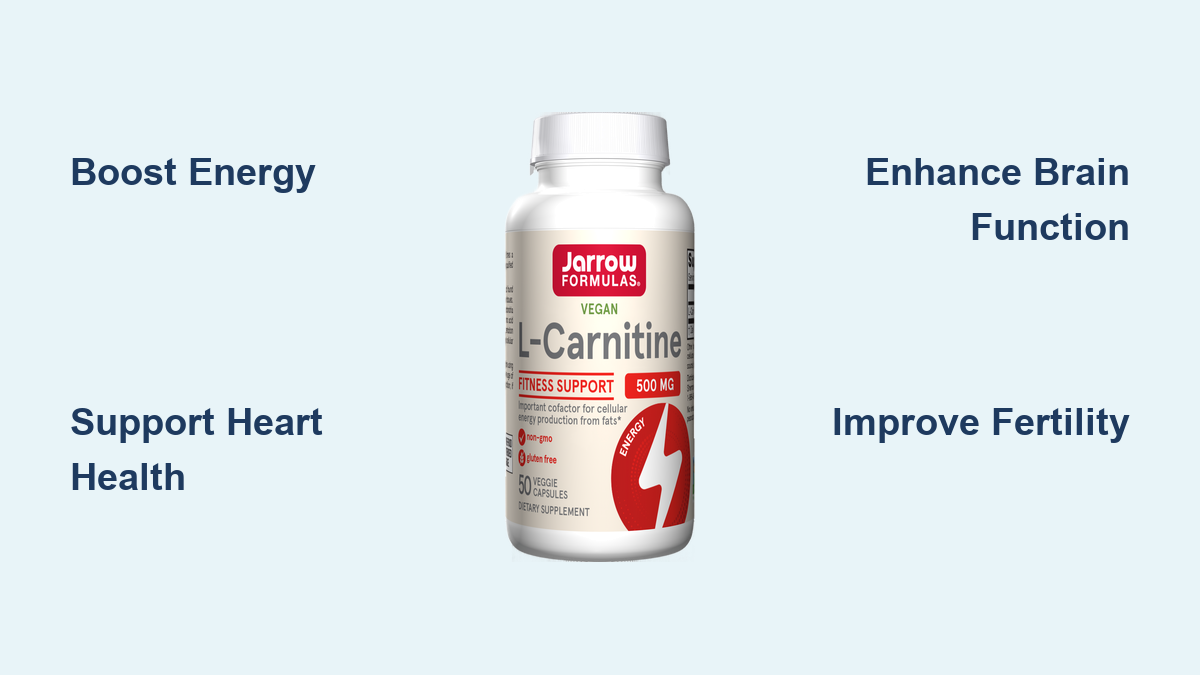

If your energy levels feel sluggish or you’re struggling with exercise recovery, carnitine supplements might offer the metabolic boost you need. This critical compound transports fatty acids into your cells’ mitochondria—the power plants where energy gets produced—making it essential for converting stored fat into usable fuel. Without sufficient carnitine, your body can’t efficiently access this energy source, especially during prolonged physical activity or when metabolic demands increase.
Research continues to uncover the diverse applications of carnitine supplementation beyond basic energy metabolism. From enhancing heart function and cognitive performance to supporting fertility and protecting against medication side effects, carnitine offers science-backed benefits that extend far beyond simple fat burning. Understanding these carnitine supplement benefits can help you determine whether adding this compound to your regimen might address your specific health concerns.
This evidence-based guide examines the documented advantages of carnitine supplementation, explaining how different forms work within your body and who stands to benefit most. Whether you’re an athlete seeking performance improvements, managing a chronic health condition, or simply optimizing metabolic health, this information will help you make informed decisions about incorporating carnitine into your wellness strategy.
How Carnitine Powers Cellular Energy Production
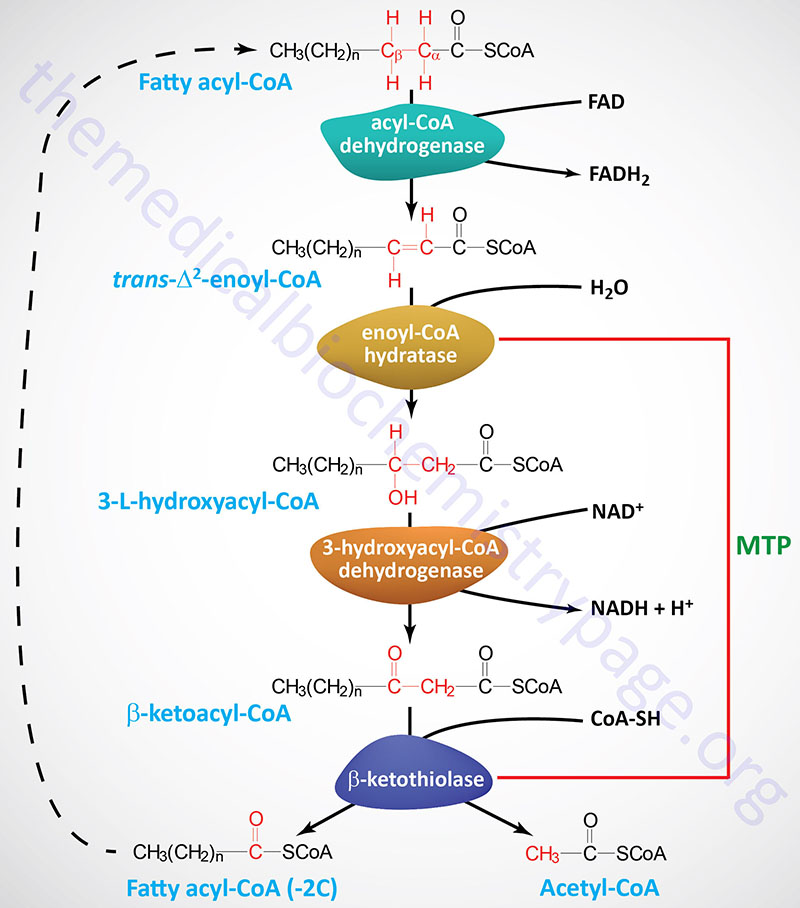
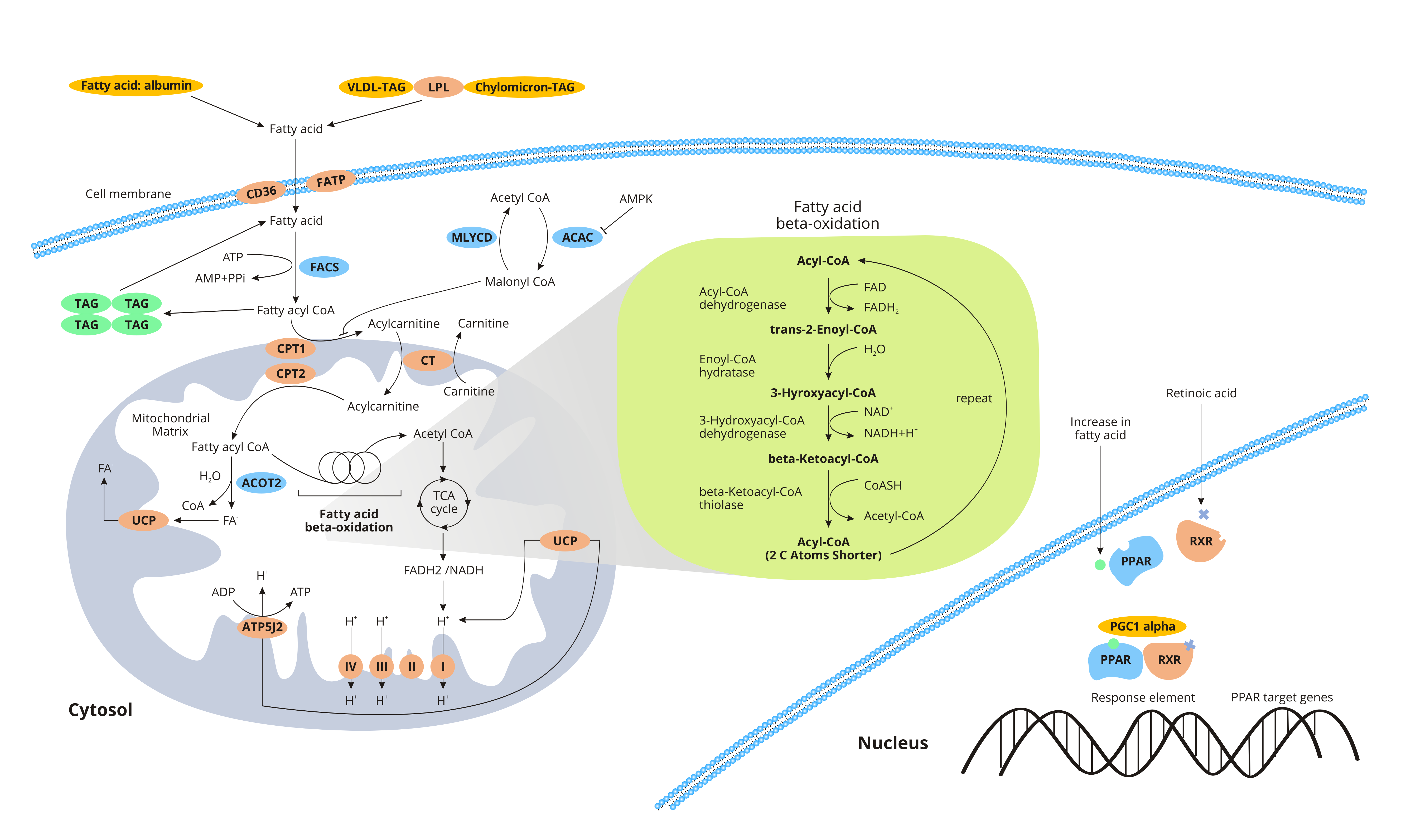
Carnitine’s fundamental role involves transporting long-chain fatty acids across mitochondrial membranes where they’re converted to energy. Since fatty acids can’t enter mitochondria independently, carnitine acts as an essential shuttle, binding to these fats and delivering them to the cellular power plants. This process, facilitated by the carnitine palmitoyltransferase system, enables your body to efficiently convert stored fat into ATP—the universal energy currency your cells require.
This mechanism proves especially vital for tissues with high energy demands like heart and skeletal muscle, which derive up to 70% of their energy from fatty acid oxidation. Without adequate carnitine, these tissues struggle to maintain optimal function during sustained activity. Beyond energy production, carnitine also supports cellular detoxification by helping remove toxic compounds from mitochondria, preventing the accumulation of harmful metabolic intermediates that could impair cellular function.
Cardiovascular Support and Heart Function Enhancement
L-carnitine supplementation demonstrates significant benefits for heart health, particularly in patients with ischemic heart disease and chronic heart failure. Research shows it improves myocardial function by enhancing the heart’s ability to utilize fatty acids for energy production under oxygen-limited conditions. This metabolic optimization can reduce symptoms of angina pectoris and improve exercise tolerance in cardiac patients.
Patients with chronic heart failure may experience meaningful improvements in cardiac function through carnitine supplementation, likely due to enhanced energy metabolism and reduced oxidative stress on heart tissue. Following a heart attack, carnitine helps meet the metabolic demands of healing cardiac tissue, potentially improving recovery outcomes. The compound supports the heart’s natural ability to switch between fuel sources, restoring metabolic flexibility that often becomes impaired in diseased states.
Cognitive Enhancement and Brain Health Applications
Acetyl-L-carnitine, the specialized form that crosses the blood-brain barrier, offers particularly promising cognitive benefits. Studies in elderly individuals show improvements in cognitive function among those with mild cognitive impairment or early-stage dementia. This form enhances cerebral energy metabolism and modulates neurotransmitter systems crucial for learning, memory, and overall mental performance.
Research has explored acetyl-L-carnitine’s potential applications in Alzheimer’s disease and vascular dementia, with some studies reporting beneficial effects on cognitive performance and daily living activities. Its neuroprotective properties likely stem from mitochondrial support for neurons, modulation of neurotrophic factors that promote neuronal survival, and potential anti-inflammatory effects within the central nervous system. Individuals seeking to maintain cognitive function as they age may find acetyl-L-carnitine supplementation particularly valuable.
Kidney Health and Dialysis-Related Benefits
Patients undergoing chronic hemodialysis experience significant carnitine depletion due to losses during treatment sessions. This secondary deficiency contributes to common complications including severe fatigue, muscle weakness, anemia, and impaired cardiac function. L-carnitine supplementation addresses these losses, potentially improving quality of life for dialysis patients.
The benefits observed include reduced requirements for erythropoietin (the medication used to treat anemia), improved exercise capacity, and better maintenance of muscle mass. While clinical guidelines vary regarding routine supplementation, many nephrologists consider carnitine valuable for appropriate patients given the documented losses during dialysis. If you’re on chronic dialysis, discuss carnitine supplementation with your healthcare team to determine if it might benefit your specific situation.
Exercise Performance and Athletic Recovery Optimization
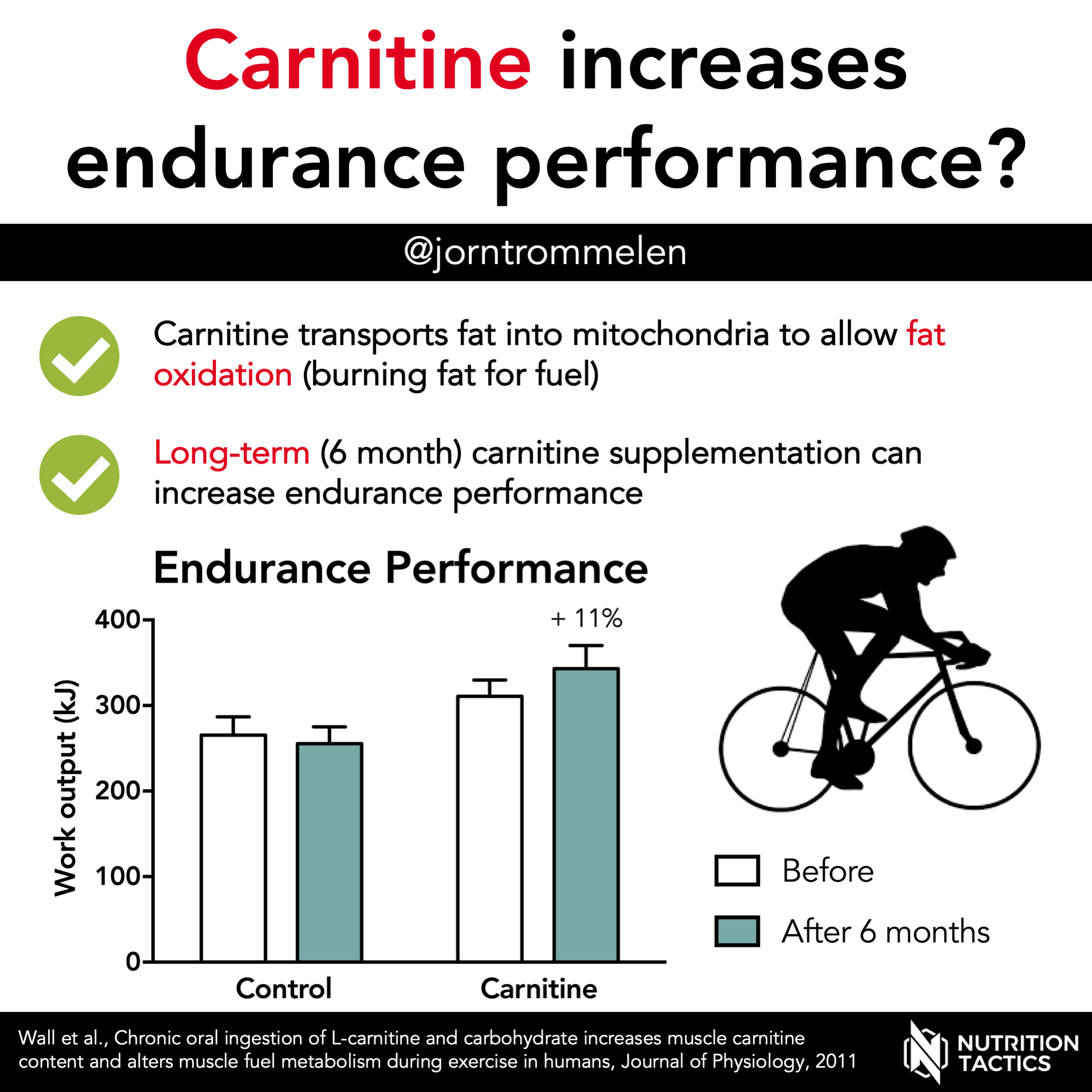
L-carnitine has been extensively studied for its potential to enhance exercise performance and accelerate recovery. By optimizing energy metabolism during physical activity, it may reduce muscle glycogen depletion and minimize exercise-induced muscle damage. Athletes seeking to improve endurance may find particular value in carnitine supplementation.
Research examining performance outcomes shows mixed but promising results. Some studies indicate benefits in time to exhaustion and recovery metrics, especially for activities relying heavily on oxidative metabolism. Carnitine may also improve muscle blood flow and lactate clearance, though optimal dosing protocols require further investigation. While not a magic performance enhancer, carnitine can serve as a valuable component of a comprehensive athletic nutrition strategy.
Male Fertility and Reproductive Health Improvement
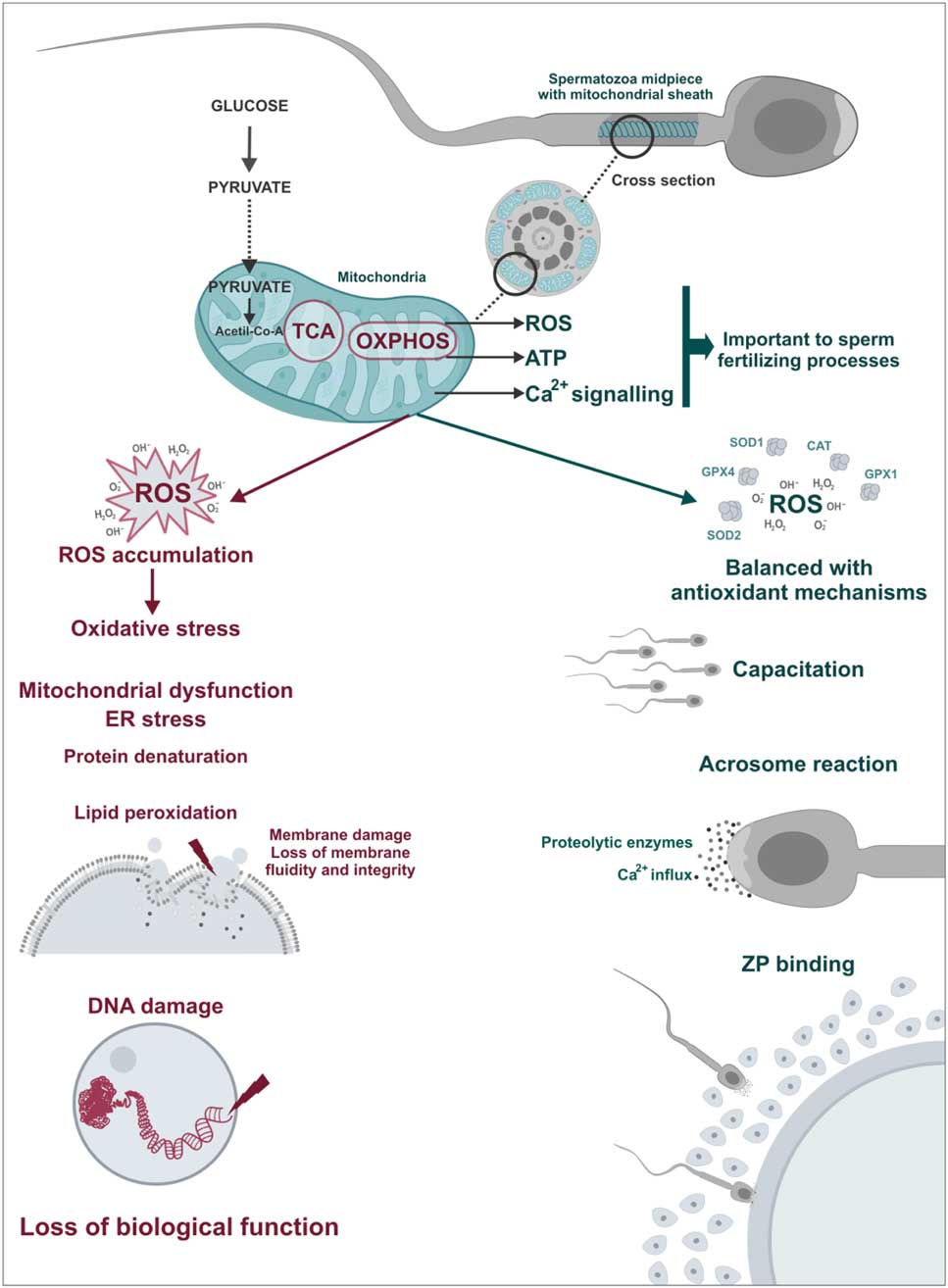
L-carnitine plays a crucial role in male reproductive health, with the epididymis containing remarkably high concentrations of this compound. Research shows carnitine supplementation can improve sperm quality in subfertile men, particularly those with impaired sperm motility or maturation issues.
Clinical studies report improvements in sperm concentration, forward motility, and morphology following carnitine and acetyl-L-carnitine supplementation. These benefits likely result from enhanced mitochondrial function in sperm cells and reduced oxidative stress in seminal plasma. For men experiencing fertility challenges related to sperm quality, carnitine represents a relatively low-risk intervention that may yield meaningful improvements when used under medical supervision.
Metabolic Support and Weight Management Assistance
While carnitine isn’t a miracle weight loss solution, research suggests it may support healthy metabolic function when combined with appropriate diet and exercise. By enhancing mitochondrial fatty acid oxidation, carnitine helps your body utilize stored fat for energy more efficiently.
Studies examining metabolic parameters show potential benefits on lipid profiles and glucose metabolism, though results vary across research. Carnitine’s effects on adipocyte function and systemic inflammation markers suggest broader applications for maintaining metabolic flexibility. For those seeking to optimize their body’s ability to burn fat, carnitine supplementation may offer modest benefits as part of a comprehensive metabolic health strategy.
Protection Against Medication Side Effects
L-carnitine demonstrates valuable protective effects against certain drug-induced toxicities. It may attenuate valproate-induced toxicity (including hepatotoxicity and hyperammonemia) through enhanced fatty acid oxidation and detoxification pathways. This protective effect is particularly relevant for patients requiring long-term valproate therapy for seizure disorders.
Similarly, research indicates carnitine co-administration may reduce anthracycline-induced cardiotoxicity, a serious concern with certain chemotherapy agents. Patients undergoing cancer treatment with these drugs might experience less cardiac damage when receiving carnitine supplementation. These applications highlight carnitine’s fundamental role in supporting cellular detoxification mechanisms under pharmacological stress.
Who Should Consider Carnitine Supplementation
While healthy individuals typically synthesize sufficient carnitine, specific populations may benefit significantly from supplementation. Those with genetic disorders of carnitine transport require exogenous carnitine to survive, as their bodies cannot effectively transport carnitine into cells. Elderly individuals often experience declining synthesis capacity, potentially resulting in suboptimal carnitine status.
Vegetarians and vegans may have lower baseline carnitine levels due to minimal dietary intake from plant sources, though endogenous synthesis compensates substantially. Interestingly, bioavailability of carnitine supplements appears higher in vegetarians compared to meat-eaters. Patients with renal disease on dialysis represent another population with documented carnitine depletion requiring supplementation. Always consult your healthcare provider before starting supplementation, especially if you have existing medical conditions.
Choosing the Right Carnitine Form for Your Needs
Different carnitine forms serve specific purposes based on their unique properties. L-carnitine works best for general energy metabolism support and addresses most carnitine deficiency states. This form effectively supports fat metabolism throughout the body, making it appropriate for athletic performance and metabolic health.
Acetyl-L-carnitine is preferred for neurological and cognitive applications due to its ability to cross the blood-brain barrier effectively. Individuals primarily interested in cognitive benefits should choose this form. Propionyl-L-carnitine has been studied specifically for cardiovascular applications, particularly in patients with peripheral vascular disease. Understanding these distinctions helps you select the most appropriate form for your specific health goals.
Safety Considerations and Optimal Usage
L-carnitine demonstrates a favorable safety profile with an observed safe level of 2 grams per day, though clinical studies have administered doses up to 6 grams daily without serious adverse effects. Common side effects include mild gastrointestinal symptoms like nausea or abdominal cramping, which often diminish when taken with food or divided throughout the day.
Individuals with trimethylaminuria (a condition affecting carnitine metabolism) may experience worsened odor symptoms and should avoid supplementation. Those with seizure disorders should exercise caution, as high doses might lower seizure threshold. Carnitine may interact with thyroid hormone replacement therapy, blood thinners, diabetes medications, and certain antibiotics, so discuss supplementation with your healthcare provider if you take prescription medications.
Maximizing Carnitine Supplement Benefits Through Consistent Use
To obtain the greatest benefit, maintain consistent supplementation over time, as carnitine works through gradual metabolic optimization rather than immediate effects. Patience and adherence to a regular protocol yield the best results for most applications. Timing supplementation around exercise may enhance absorption and utilization for athletic performance.
Taking carnitine with meals containing carbohydrates may improve uptake into muscle tissue. Some research suggests combining carnitine with carbohydrates enhances muscle retention more effectively than carnitine alone. Choose high-quality products from reputable manufacturers that employ third-party testing to ensure purity and accurate labeling. When integrated into a comprehensive health strategy including proper nutrition and exercise, carnitine supplementation can provide meaningful metabolic support for specific health goals.