
Imagine waking up feeling energized, your immune system working at peak efficiency, your cholesterol levels steadily improving, and your blood sugar staying balanced throughout the day—all from a single natural supplement. Beta glucan has emerged as one of the most researched and versatile dietary supplements available today, yet many people remain unfamiliar with its impressive range of health benefits. This naturally occurring fiber compound, found in everything from oatmeal to medicinal mushrooms, has accumulated decades of scientific evidence supporting its use for everything from immune enhancement to cardiovascular support. Whether you’re looking to strengthen your body’s defenses, manage cholesterol levels, or support digestive health, understanding beta glucan supplement benefits could transform your approach to preventive wellness.
The beauty of beta glucan lies in its unique mechanism of action and exceptional safety profile. Unlike single-target supplements, this versatile compound works throughout multiple body systems simultaneously, offering broad-spectrum benefits that few other natural products can match. This comprehensive guide explores the science behind beta glucan supplement benefits, providing you with the knowledge needed to determine whether this powerful nutrient deserves a place in your daily health regimen.
Boost Your Immune System Defenses
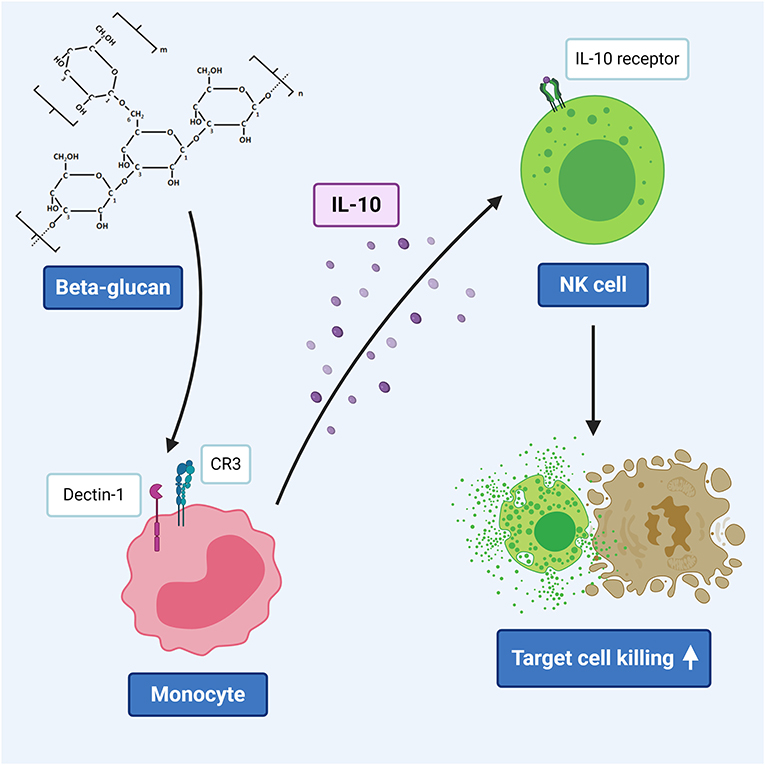
Beta glucan supplement benefits for immune health represent some of the most extensively documented effects in scientific literature. When you consume beta glucan, it interacts with immune cells in your gut-associated lymphoid tissue, where specialized receptors recognize the compound and trigger a cascade of immune activation events. This process begins when macrophages in your gastrointestinal tract capture beta glucan particles and break them down into smaller fragments that prime your entire immune system for enhanced surveillance and response capability.
How Beta Glucan Supercharges Natural Killer Cells
Your natural killer (NK) cells serve as your body’s frontline defense against viral infections and abnormal cells. Research demonstrates that consistent beta glucan supplementation can increase NK cell activity by 30-50% within just two to four weeks. This enhancement occurs because beta glucan fragments stimulate immune cell receptors that activate NK cell cytotoxicity—the ability to identify and eliminate threats. For individuals experiencing frequent colds or seasonal illnesses, this immunomodulatory effect translates to fewer sick days and faster recovery times.
Macrophage Activation: Your Body’s Cleanup Crew
Beta glucan profoundly enhances macrophage function, the large immune cells responsible for engulfing and destroying pathogens. Activated macrophages demonstrate increased phagocytic activity, meaning they consume and eliminate greater numbers of invading microorganisms. They also secrete cytokines that coordinate broader immune responses and enhance communication between different immune cell populations. This critical bridge between innate and adaptive immunity represents one of beta glucan’s most valuable contributions to overall immune function.
Support Heart Health and Cholesterol
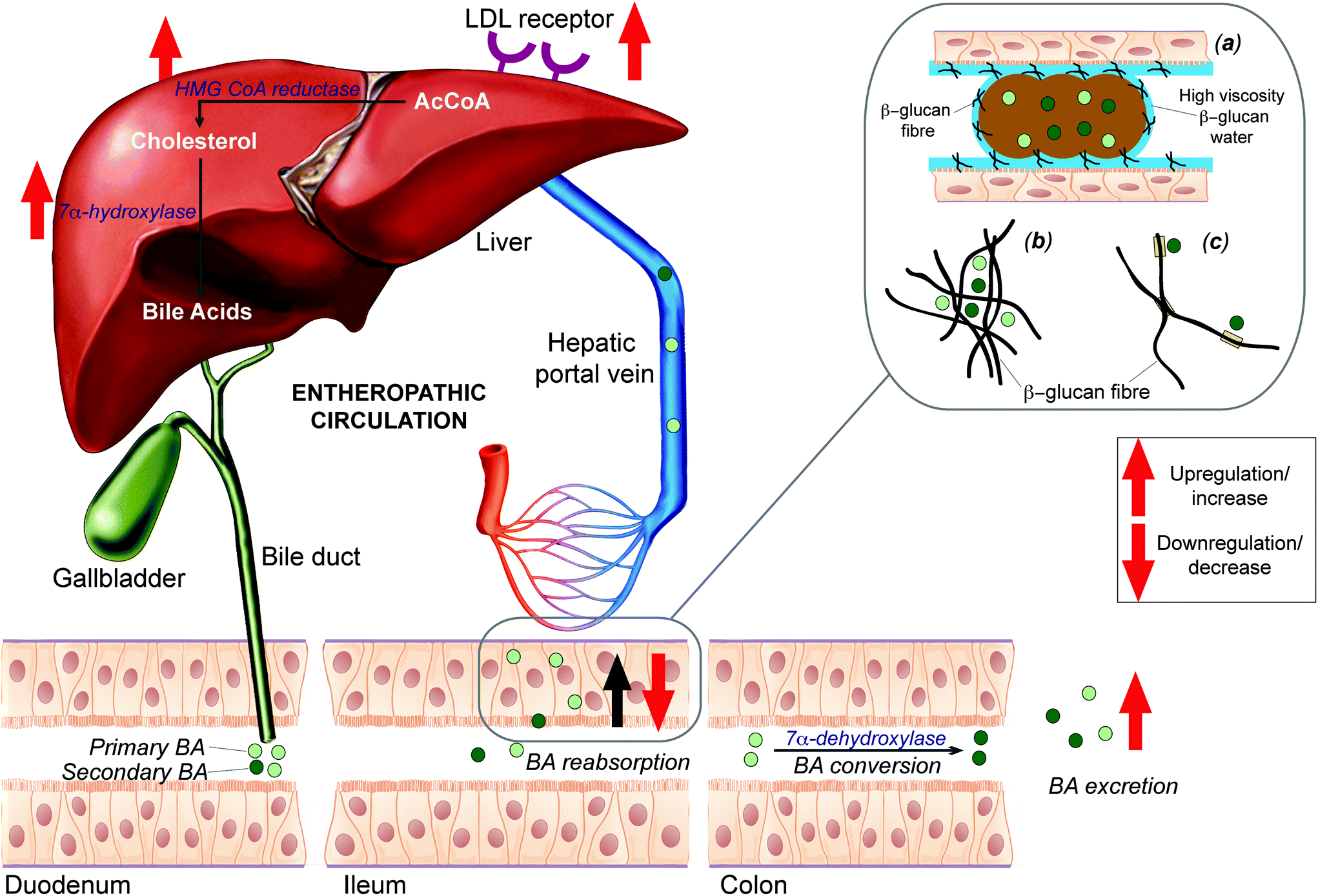
Beta glucan supplement benefits for cardiovascular health are among the most well-established in nutritional science. The soluble fiber forms a viscous gel in your intestinal tract that binds to bile acids containing cholesterol, preventing their reabsorption. This binding action forces your liver to use circulating cholesterol to synthesize new bile acids, effectively reducing total cholesterol levels in your bloodstream. The fermentation of beta glucan by gut bacteria produces short-chain fatty acids that further inhibit cholesterol synthesis in the liver.
Proven Cholesterol Reduction Through Daily Supplementation
Clinical trials have consistently demonstrated that daily consumption of three grams of beta glucan from oats or barley can reduce LDL (harmful) cholesterol by 5-10% within six to eight weeks. This reduction carries genuine clinical significance, as every 1% decrease in LDL cholesterol corresponds to approximately 1% reduction in cardiovascular disease risk. For optimal results, take beta glucan with meals to maximize its cholesterol-binding capacity throughout the day.
Blood Pressure Regulation Through Vascular Support
Emerging research reveals that beta glucan supplementation may also support healthy blood pressure through multiple mechanisms. The soluble fiber improves endothelial function by enhancing nitric oxide production, which promotes vasodilation and reduces vascular resistance. Studies examining hypertensive subjects have documented systolic blood pressure reductions of 3-5 mmHg and diastolic reductions of 2-3 mmHg following eight to twelve weeks of beta glucan supplementation. These modest reductions translate to meaningful decreases in cardiovascular risk at the population level.
Regulate Blood Sugar and Metabolic Health
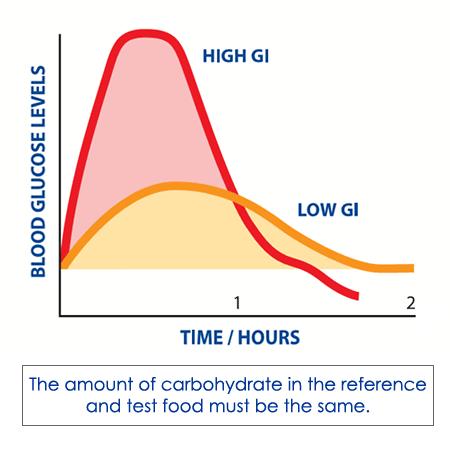
Beta glucan offers powerful support for blood sugar regulation through mechanisms that slow carbohydrate digestion and absorption in your gastrointestinal tract. The viscous gel formed by soluble beta glucan delays gastric emptying and reduces the contact between digestive enzymes and carbohydrates, extending the time required for glucose absorption. This blunted glycemic response helps prevent the insulin spikes and crashes associated with refined carbohydrate consumption, providing more stable energy levels throughout the day.
Post-Meal Glucose Control Made Simple
Research has demonstrated that meals containing beta glucan produce significantly lower postprandial (after-meal) glucose and insulin responses compared to identical meals lacking beta glucan. A comprehensive meta-analysis of randomized controlled trials found that beta glucan consumption reduced the glycemic index of foods by 20-30%, making it a valuable tool for blood sugar management in both diabetic and non-diabetic populations. For best results, take beta glucan immediately before or with carbohydrate-containing meals.
Enhanced Insulin Sensitivity for Long-Term Metabolic Health
Beyond acute glycemic effects, chronic beta glucan supplementation appears to enhance insulin sensitivity, improving your body’s response to insulin over time. The mechanism involves reduced systemic inflammation, decreased lipid accumulation in muscle and liver tissue, and improved adipokine profiles. Health organizations now recognize the role of soluble fiber, including beta glucan, as part of dietary strategies for diabetes management, with daily intake of 3-4 grams typically recommended for optimal blood sugar benefits.
Enhance Digestive Wellness
The prebiotic effects of beta glucan contribute to improved gut microbiome balance and overall digestive wellness. As a selective prebiotic, beta glucan feeds beneficial gut bacteria while resisting digestion by harmful bacteria. The fermentation of beta glucan by colonic bacteria produces short-chain fatty acids, particularly butyrate, propionate, and acetate, which provide energy to colon cells and exert systemic health effects throughout your body.
Gut Barrier Integrity: Your First Line of Defense
Beta glucan supports intestinal barrier integrity through multiple mechanisms, including the promotion of mucin production, enhancement of tight junction protein expression, and reduction of intestinal inflammation. The short-chain fatty acids produced during fermentation particularly support barrier function by providing energy to intestinal cells and stimulating repair processes. For individuals with compromised barrier function, such as those experiencing occasional digestive discomfort, beta glucan’s gut-protective properties may offer meaningful supportive benefits.
Bowel Regularity Without Discomfort
The fiber content of beta glucan also contributes to bowel regularity by adding bulk to intestinal contents and promoting peristalsis. Unlike some fiber sources that cause gas and bloating, beta glucan is generally well-tolerated and produces fewer digestive discomfort symptoms. Starting with smaller doses of 1-2 grams daily and progressively increasing to target levels of 3-5 grams daily over two to three weeks minimizes potential adjustment symptoms.
Achieve Weight Management Goals
Beta glucan supports weight management through complementary mechanisms that promote satiety and reduce caloric absorption. The viscous gel formed in your stomach delays gastric emptying and prolongs the distension signaling satiety to your brain, reducing hunger and promoting feelings of fullness after meals. Additionally, the fermentation of beta glucan in your colon produces short-chain fatty acids that influence satiety hormones including peptide YY and glucagon-like peptide-1, further supporting appetite control.
Reduced Caloric Absorption Through Natural Mechanisms
Beyond satiety enhancement, beta glucan reduces the absorption of dietary fats and carbohydrates through its viscous properties. By forming a physical barrier between nutrients and your intestinal wall, beta glucan decreases the efficiency of nutrient absorption, effectively reducing the metabolizable energy content of meals. Studies suggest 5-10% reductions in fat absorption during high-dose beta glucan consumption. This effect, while modest, provides additional support for weight management when combined with the satiety benefits.
Understand Proper Dosage Guidelines
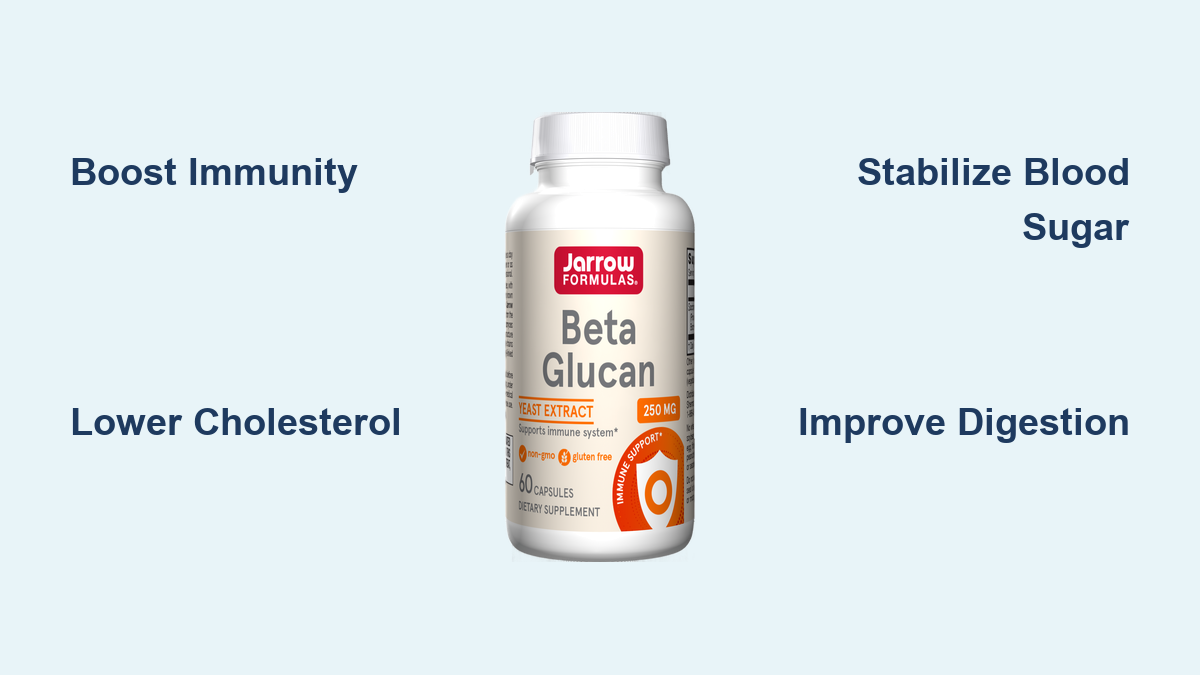
The appropriate beta glucan dosage depends entirely on your specific health goals and the type of beta glucan you are using. For general immune system support, research suggests daily doses of 250-500mg of purified yeast or mushroom beta glucan. This dosage range has demonstrated effectiveness in clinical studies for enhancing immune cell function and reducing infection incidence. Consistent daily supplementation appears necessary for maintaining immune enhancement effects, as benefits diminish when supplementation is discontinued.
Cardiovascular and Metabolic Health Dosing
For cardiovascular health and cholesterol management, health authorities recommend three grams of cereal-derived beta glucan daily. This dose can be achieved through a combination of dietary sources including oatmeal and barley products, along with concentrated supplements. The cholesterol-lowering effect is dose-dependent up to approximately three grams daily, with additional consumption providing diminishing returns. Splitting the daily dose between meals may optimize cholesterol-lowering effects by providing continuous viscous fiber throughout the day.
Recognize Safety and Side Effects
Beta glucan is generally well-tolerated by the majority of users, with safety established through extensive use as a food ingredient and dietary supplement. The FDA has granted Generally Recognized as Safe status to beta glucan from various sources including yeast, oats, and barley. Clinical trials lasting up to one year have documented continued tolerability and safety with daily supplementation at recommended doses.
Managing Potential Digestive Adjustments
The most commonly reported side effects are mild and relate to beta glucan’s fiber content. These may include bloating, gas, and changes in bowel habits, particularly during the initial weeks of supplementation. These symptoms typically resolve as gut bacteria adapt to increased fermentable fiber intake. Starting with lower doses and gradually increasing to target levels minimizes these adjustment symptoms and allows your digestive system to accommodate the increased fiber load.
Select Quality Supplements

The quality of beta glucan supplements varies considerably across products and manufacturers, making informed selection essential for achieving desired benefits. Key quality indicators include verification of beta glucan content through third-party testing, specification of the beta glucan source and molecular weight, and disclosure of any fillers or additives. Products should clearly state the amount of active beta glucan per serving rather than merely the amount of raw material.
Matching Source to Health Goals
The source of beta glucan influences its biological activity and appropriate applications. For immune support, yeast or mushroom-derived beta glucan is preferred. For cardiovascular and metabolic benefits, oat or barley beta glucan is optimal. Products should disclose the specific source organism and extraction method, allowing you to select products appropriate for your health goals. Products claiming whole food or full spectrum formulations may contain other compounds alongside beta glucan, which could be beneficial or could dilute the beta glucan content depending on the formulation.
Beta glucan represents one of the most scientifically validated and versatile dietary supplements available, with documented benefits spanning immune function, cardiovascular health, blood sugar regulation, digestive wellness, and beyond. Its excellent safety profile, multiple mechanisms of action, and compatibility with other health-promoting strategies make it a valuable addition to comprehensive wellness protocols. By selecting the appropriate type for your specific health goals, using therapeutic doses consistently, and integrating supplementation with overall healthy lifestyle practices, you can experience the full range of beta glucan supplement benefits that decades of research have documented. Whether your priority is strengthening your immune system, supporting heart health, managing blood sugar, or improving digestive function, beta glucan offers a evidence-based solution backed by science and trusted by health-conscious individuals worldwide.