
If you’ve ever struggled with PMS symptoms, hormonal acne, or fertility challenges, you’ve likely searched for natural solutions that actually work. Chasteberry supplement benefits offer one of the most scientifically validated approaches to hormonal balance without synthetic interventions. This Mediterranean-native botanical, scientifically known as Vitex agnus-castus, has moved from ancient monastery medicine cabinets to modern clinical practice with impressive results. Understanding how chasteberry works could be the missing piece in your hormonal wellness puzzle.
What makes chasteberry unique among hormonal supplements is its gentle yet effective mechanism. Unlike hormone replacement therapy that introduces external compounds, chasteberry works with your body’s natural regulatory systems. The active compounds in chasteberry—including iridoid glycosides like agnuside and aucubin—interact with dopamine receptors in your pituitary gland to normalize prolactin levels. This seemingly small adjustment creates a ripple effect that helps balance estrogen and progesterone throughout your menstrual cycle. Throughout this guide, you’ll discover exactly which hormonal challenges respond best to chasteberry and how to maximize its benefits for your specific needs.
How Chasteberry Works to Balance Your Hormones
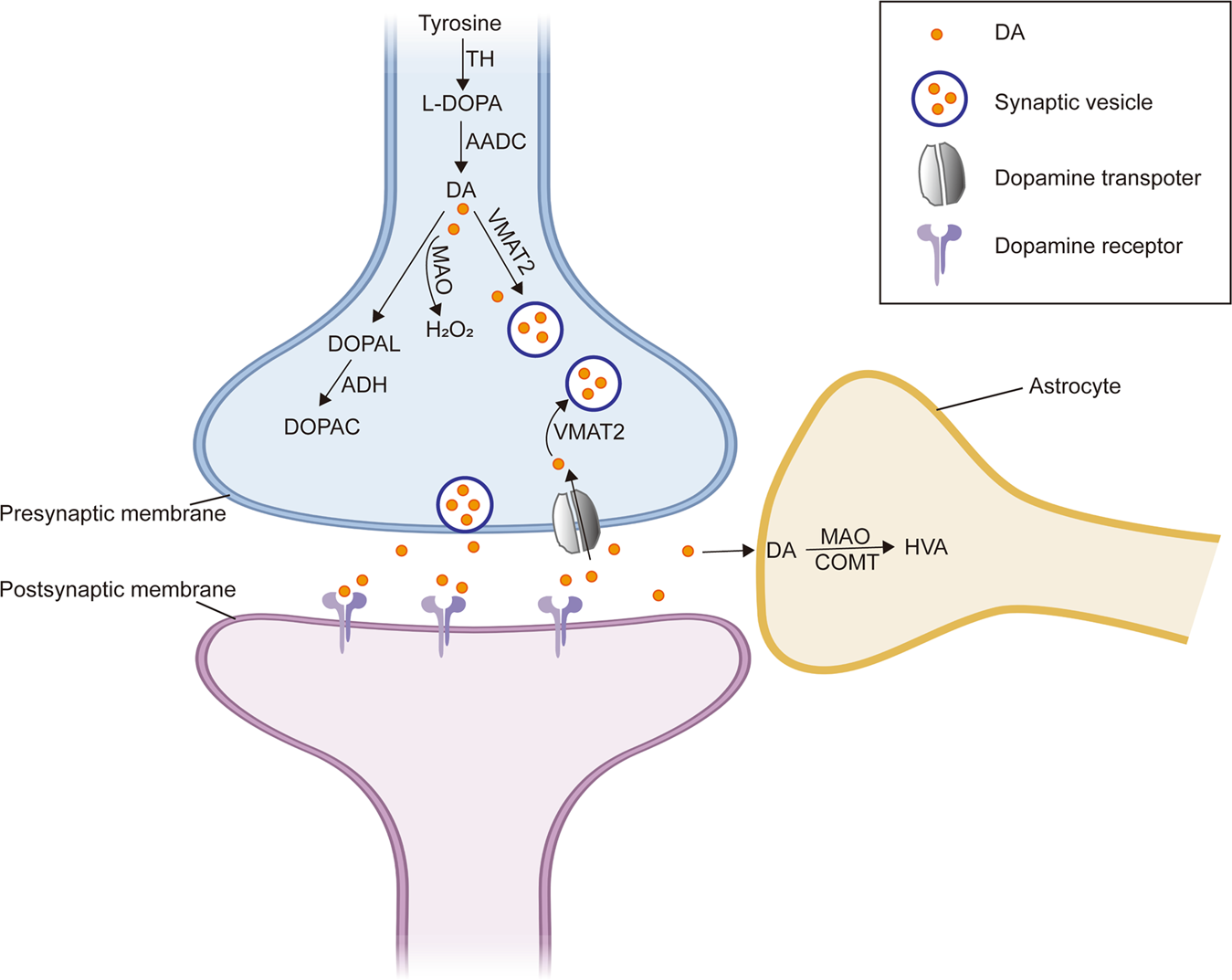
Chasteberry’s mechanism centers on its dopaminergic activity that directly influences your pituitary gland function. When you take a standardized chasteberry supplement, its compounds bind to D2 receptors, reducing prolactin secretion. Elevated prolactin disrupts the delicate estrogen-progesterone balance essential for regular menstrual cycles. By moderating prolactin, chasteberry helps restore proper hormonal communication between your brain and ovaries.
This hormonal normalization explains why chasteberry supplement benefits extend across multiple symptoms. Women experiencing both estrogen dominance (with symptoms like breast tenderness and bloating) and progesterone deficiency (with symptoms like irregular cycles and fertility struggles) often respond positively. Clinical research shows chasteberry can extend luteal phase length by 2-4 days, transforming inadequate phases into fertility-supporting windows. The extract doesn’t force your body into artificial patterns—it supports your body’s inherent ability to self-regulate.
Effective PMS Symptom Relief Backed by Research
Chasteberry supplement benefits for PMS represent some of the most well-documented applications, with clinical trials showing 70-80% of women experience meaningful symptom reduction. The extract targets both physical and emotional symptoms through hormonal normalization and direct neurotransmitter effects.
Why Chasteberry Outperforms Other PMS Remedies
Unlike over-the-counter pain relievers that only mask symptoms, chasteberry addresses the root cause of PMS. Studies published in the British Medical Journal found it significantly reduces irritability, mood swings, and breast tenderness compared to placebo. For cyclic mastalgia (breast pain), research shows 70% of women experience complete resolution within three months. The prolactin-lowering effect reduces fluid retention in breast tissue and calms nerve sensitivity that causes pain.
Emotional Stability Through the Menstrual Cycle
Women report remarkable improvements in emotional symptoms including reduced anxiety, fewer mood swings, and better stress resilience. The dopaminergic activity appears to stabilize neurotransmitter fluctuations that accompany hormonal shifts. For women with premenstrual dysphoric disorder (PMDD), chasteberry can reduce symptom severity by up to 50%, offering significant quality-of-life improvements without pharmaceutical side effects.
Boosting Fertility Through Luteal Phase Support
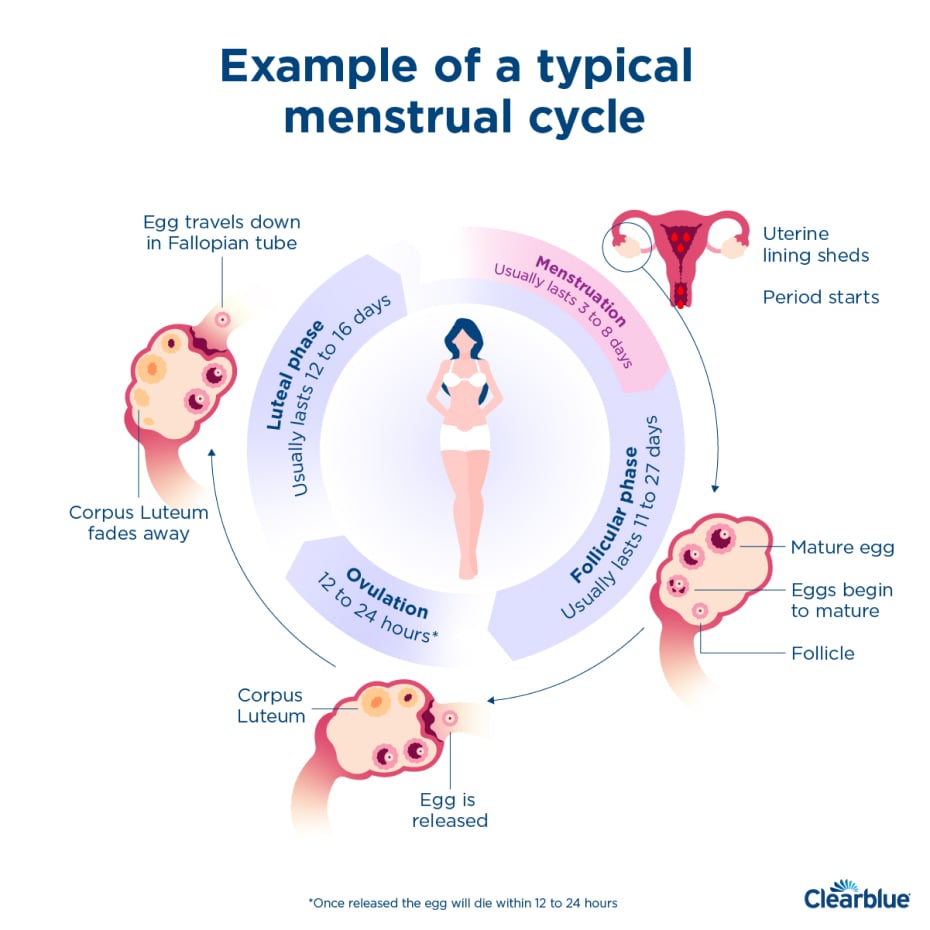
Among the most valuable chasteberry supplement benefits is its ability to enhance fertility by addressing luteal phase defect—a common yet often overlooked cause of infertility. When your luteal phase (the period between ovulation and menstruation) falls below 10 days, the uterine lining doesn’t develop adequately for embryo implantation.
Restoring Healthy Ovulation Patterns
Clinical studies demonstrate that chasteberry supplementation extends average luteal phase length from inadequate to normal ranges (12-14 days), with many women gaining 2-4 crucial days. This improvement occurs through enhanced corpus luteum function and more robust progesterone production. For women with documented luteal phase issues, pregnancy rates reach 70-80% within six months of consistent supplementation.
Supporting Women with PCOS Symptoms
While not a primary treatment for polycystic ovary syndrome, chasteberry helps address several PCOS-related concerns. Its prolactin-lowering effect counters mild hyperprolactinemia common in PCOS, while its influence on LH secretion patterns helps normalize the elevated LH-to-FSH ratio characteristic of the condition. Many healthcare providers recommend chasteberry as a first-line natural intervention before progressing to more aggressive fertility treatments.
Targeted Relief for Cyclic Breast Pain
:max_bytes(150000):strip_icc()/mastalgia-medical-definition-430288_v2-fbea4119c45d485bb48584eca9125566.png)
Chasteberry supplement benefits for breast health make it one of the most effective natural treatments for cyclic mastalgia—a condition affecting up to 70% of reproductive-age women. This monthly breast tenderness and pain can range from mild discomfort to severe pain that interferes with exercise, sleep, and intimacy.
How It Resolves Mastalgia at the Source
Unlike painkillers that merely mask discomfort, chasteberry targets the hormonal cause of breast pain. A study examining 100 women with cyclic mastalgia found 70% experienced complete resolution of pain after three months of treatment. The mechanism involves reduced prolactin-induced changes in breast tissue, including decreased fluid retention and reduced epithelial cell proliferation. Women with fibrocystic breast changes also report reduced nodularity and cyclic swelling with consistent supplementation.
Perimenopause Symptom Management
While primarily associated with reproductive-age women’s health, emerging evidence supports chasteberry supplement benefits during the menopausal transition. As hormonal fluctuations become increasingly erratic, chasteberry’s adaptive mechanism may help smooth these transitions.
Stabilizing Hormonal Swings in Perimenopause
Clinical observations suggest perimenopausal women experience reduced hot flash frequency, improved sleep quality, and better emotional stability with chasteberry supplementation. The extract appears to stabilize the hypothalamic-pituitary axis during declining ovarian function, reducing the amplitude of hormonal swings that trigger menopausal symptoms. However, it’s typically not recommended for postmenopausal women since its effects depend on remaining ovarian function.
Optimal Dosage and Treatment Timeline
Understanding proper dosing ensures you experience maximum chasteberry supplement benefits while minimizing side effects. For standardized dry extracts (containing 0.6% agnuside), the standard dose is 20mg taken once or twice daily. Liquid tinctures typically require 40-60 drops (approximately 2ml) taken one to three times daily.
Patience is essential—chasteberry doesn’t produce immediate effects. Treatment duration of at least three months is necessary before assessing efficacy, reflecting the time required for hormonal normalization. For PMS and mastalgia, improvements typically become noticeable after the first or second month, with maximum benefits achieved by the third month. Fertility applications may require three to six months of consistent supplementation.
Safety Considerations and Side Effect Management
Chasteberry supplement benefits come with an excellent safety profile for most women, but understanding potential side effects ensures optimal results. Most adverse effects are mild and transient, including occasional gastrointestinal discomfort, headaches, or skin reactions. Taking chasteberry with food often minimizes stomach upset.
More serious side effects are rare but require attention. Women with hormone-sensitive conditions like estrogen-receptor-positive breast cancer should avoid chasteberry without explicit oncologist approval. Those with pituitary disorders should use it only under medical supervision due to its effects on prolactin secretion. Pregnant women should not use chasteberry due to theoretical risks of stimulating uterine contractions.
Choosing High-Quality Chasteberry Products
Selecting effective chasteberry supplements requires attention to standardization and quality markers. Products should clearly indicate standardization to specific compounds (typically 0.6% agnuside or 0.5% flavonoids). Third-party testing certifications from USP, NSF, or ConsumerLab provide additional assurance of purity and potency.
Standardized dry extracts in capsule form offer precise dosing and long shelf stability, making them ideal for therapeutic applications. Liquid tinctures provide faster absorption but require careful measurement. Avoid products without clear standardization information, as potency can vary dramatically between brands. The country of origin matters too—European-grown chasteberry often meets higher quality standards due to stricter agricultural regulations.
Maximizing Your Chasteberry Results
Tracking your symptoms before and during supplementation provides objective evidence of chasteberry supplement benefits. Record your symptoms over two to three menstrual cycles before starting to establish baseline patterns. Standardized symptom questionnaires like the Daily Record of Severity of Problems offer structured tracking that facilitates meaningful comparison.
Consistency is crucial—skipping doses or taking the supplement intermittently reduces effectiveness. Treatment monitoring should include regular assessment at one, three, and six month intervals. Women showing inadequate response after three months may benefit from dose adjustment or switching to a different formulation under healthcare provider guidance. Remember that chasteberry works cumulatively, with benefits building over time as your hormonal systems find greater balance.