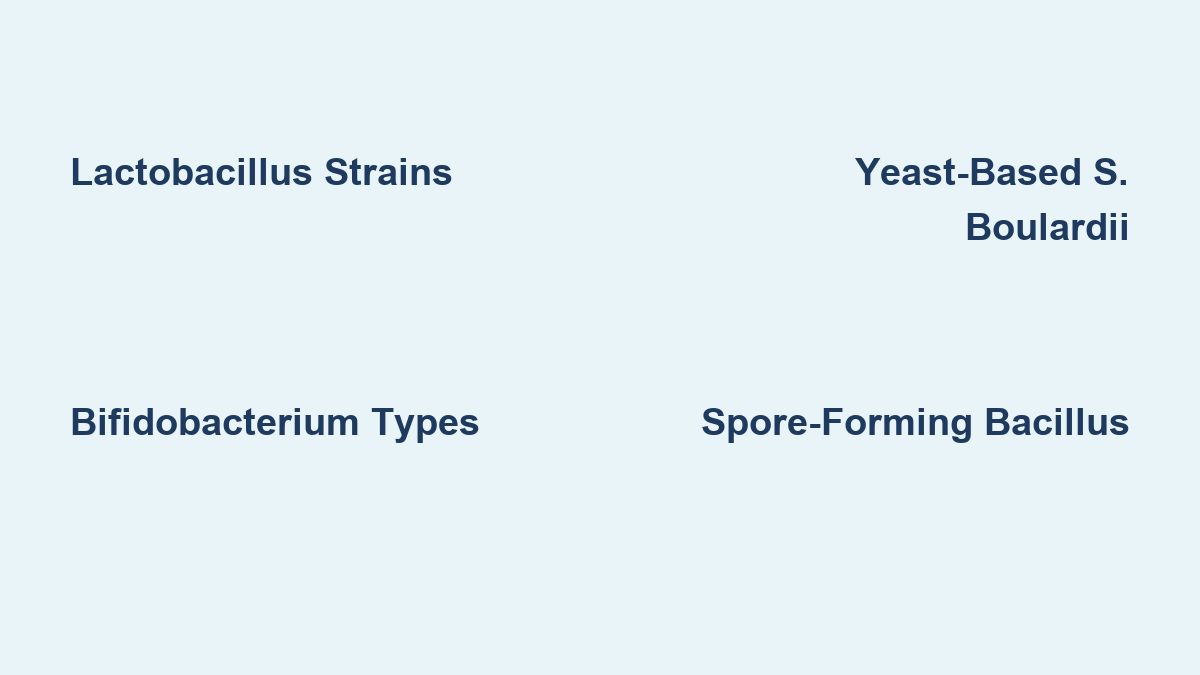

When you reach for a probiotic supplement at the store, you’re faced with dozens of options promising digestive support, immune benefits, and overall wellness. But not all probiotics deliver the same results. The reality is that different types of probiotic supplements contain specific strains with unique functions in your body. Understanding these distinctions—between Lactobacillus, Bifidobacterium, yeast-based options, and soil-based varieties—is essential for selecting a product that actually addresses your health concerns rather than wasting money on something that won’t survive your stomach acid or reach the right part of your digestive tract.
With proper strain selection, probiotics can significantly improve digestive comfort, support immune function, and even influence mental wellness. This guide cuts through the marketing hype to explain exactly what each major probiotic category does, which strains deliver specific benefits, and how to choose the right format for your lifestyle. By the end, you’ll know precisely which types of probiotic supplements match your health goals and why some formulations work better than others.
Lactobacillus Strains: Your Small Intestine’s First Responders

Lactobacillus species dominate the probiotic market for good reason—they’re versatile, well-researched, and particularly effective in the upper digestive tract. These bacteria produce lactic acid that creates an environment where harmful microbes struggle to survive, while supporting nutrient absorption and gut barrier integrity. With over 200 identified species, Lactobacillus strains work primarily in the small intestine, though some colonize other areas as well.
Lactobacillus acidophilus: The Digestive Workhorse
Lactobacillus acidophilus is one of the most recognized probiotic strains, commonly found in yogurt and digestive supplements. This strain naturally inhabits both your intestinal tract and vaginal microbiome, making it particularly valuable for supporting digestive balance and women’s health. Research shows L. acidophilus helps maintain healthy gut flora, supports lactose digestion for those with mild sensitivity, and may reduce occasional digestive discomfort. Unlike many probiotics, it thrives in slightly acidic environments and works synergistically with other Lactobacillus species for comprehensive support.
Lactobacillus rhamnosus: The Resilient Travel Companion
Lactobacillus rhamnosus stands out for its exceptional ability to survive stomach acid and colonize both the intestinal tract and vaginal area. This strain has earned attention for its versatility, with research supporting its use for digestive health, immune support, and maintaining gut barrier function. Travelers particularly benefit from L. rhamnosus, as studies show specific strains help reduce the risk of travelers’ diarrhea. It’s also one of the few probiotics that remains effective when taken alongside antibiotics, helping maintain microbial balance during medication use.
Lactobacillus plantarum: The Fermented Food Specialist
Found naturally in fermented foods like sauerkraut and kimchi, Lactobacillus plantarum distinguishes itself through remarkable adaptability to different digestive environments. This strain survives the harsh conditions of your digestive tract better than many competitors and produces antibacterial compounds that support intestinal barrier integrity. L. plantarum is particularly valuable for individuals with occasional digestive upset, as it synthesizes nutrients and demonstrates strong resistance to bile salts—allowing more viable bacteria to reach your intestines.
Bifidobacterium Strains: Your Colon’s Natural Defenders

While Lactobacillus strains work primarily in the small intestine, Bifidobacterium species dominate the large intestine where they constitute a significant portion of a healthy adult microbiome. These anaerobic bacteria thrive in the low-oxygen environment of your colon and decline with age, which has driven research into their potential longevity benefits.
Bifidobacterium longum: The Gut Barrier Guardian
Bifidobacterium longum serves as one of the most prevalent species in the adult gut microbiome, making it a cornerstone of many high-quality probiotic formulations. This strain demonstrates strong adherence to intestinal cells and supports the maintenance of healthy gut barrier function—critical for preventing unwanted substances from entering your bloodstream. Research indicates B. longum helps modulate immune responses in your gut and may reduce markers of inflammation. It’s particularly valuable for maintaining digestive comfort and regularity during periods of occasional upset.
Bifidobacterium lactis: The Regularity Specialist
Bifidobacterium lactis has emerged as a probiotic workhorse due to its stability, tolerance to oxygen exposure, and documented benefits for digestive health. This species demonstrates excellent survival through the digestive process and effectively colonizes your intestines. Studies support its use for supporting regular bowel movements, maintaining comfort during digestive upset, and enhancing immune function. Unlike many probiotics requiring refrigeration, B. lactis remains stable at room temperature, making it a practical choice for everyday use.
Saccharomyces boulardii: The Antibiotic-Friendly Yeast
Saccharomyces boulardii represents a unique category—the yeast-based probiotic. Unlike bacterial probiotics, this strain is a specialized form of Saccharomyces cerevisiae (brewer’s yeast) that offers distinct advantages, particularly for individuals taking antibiotics. As a yeast, S. boulardii is naturally resistant to antibiotics, meaning it won’t be destroyed while you’re on medication—a critical benefit when trying to maintain gut balance during antibiotic treatment.
This probiotic has been extensively studied for its ability to support digestive health during antibiotic use, travelers’ diarrhea, and occasional digestive upset. Unlike bacterial probiotics that need to colonize your gut, S. boulardii works through multiple mechanisms including supporting immune function in the gut and helping maintain healthy inflammation responses. It survives stomach acid well and doesn’t require refrigeration, making it an ideal travel companion or practical everyday option.
Soil-Based and Spore-Forming Probiotics: Nature’s Original Formula
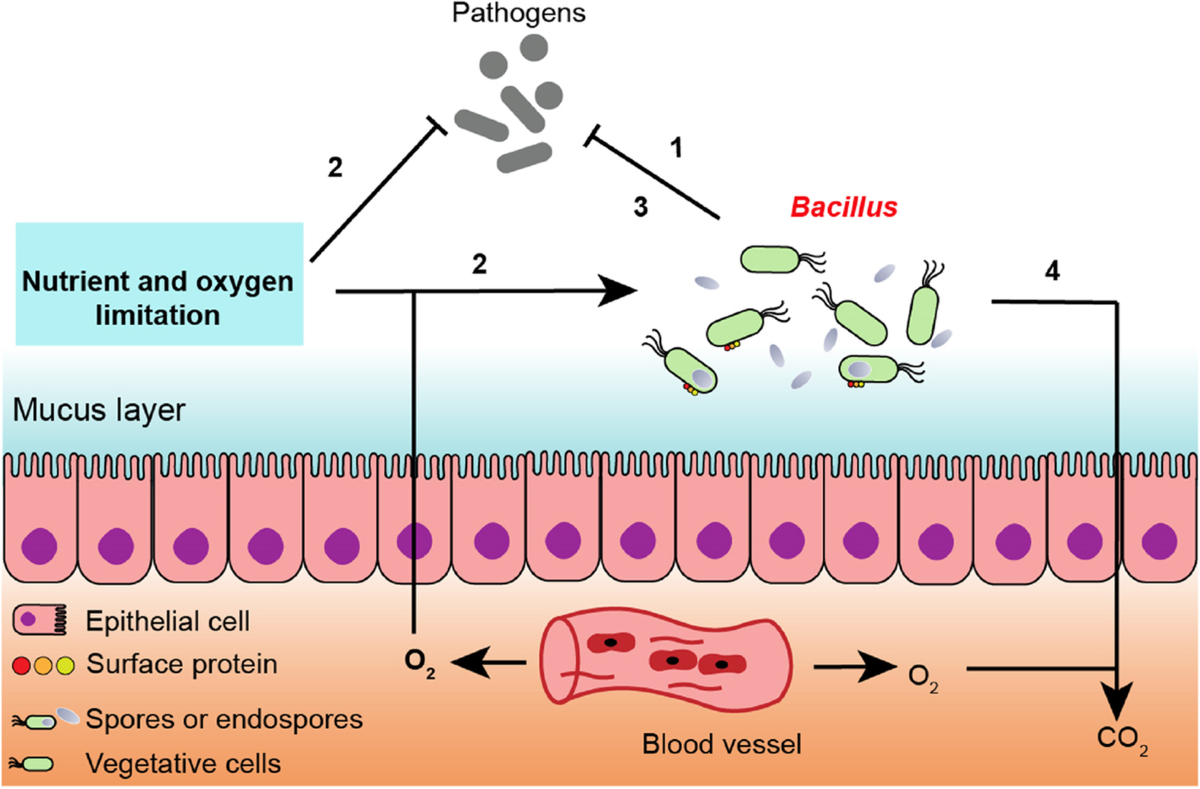
Soil-based probiotics represent a newer category that reconnects us with organisms humans historically consumed through unwashed vegetables and natural environments. These spore-forming bacteria belong primarily to the Bacillus genus and differ fundamentally from traditional probiotics in how they survive and function in your gut.
Bacillus coagulans: The Joint and Gut Supporter
Bacillus coagulans has gained FDA recognition as Generally Recognized As Safe (GRAS) and is valued for its dual benefits to both digestive and joint health. This spore-forming species survives stomach acid by forming protective spores that only germinate into active bacteria once they reach your intestines. Research supports its use for digestive comfort and maintaining healthy inflammatory responses in the joints. B. coagulans produces lactic acid similarly to Lactobacillus species but brings the added advantage of spore-forming resilience—making it shelf-stable without refrigeration.
Why Spore Formers Excel for Travelers
Spore-forming probiotics offer unique advantages over traditional strains. Their spore structure makes them highly resistant to heat, stomach acid, and oxygen exposure, translating to longer shelf life without refrigeration. Once in your intestines, these spores germinate into active bacteria that colonize and exert their benefits. This resilience makes them particularly suitable for individuals who travel frequently or struggle with maintaining a regular probiotic regimen. If you’ve ever forgotten your refrigerated probiotics while traveling, spore-forming varieties solve this common problem.
Probiotic Delivery Formats: What Actually Reaches Your Gut
The format in which a probiotic is delivered significantly impacts its effectiveness. Different delivery systems protect bacteria from stomach acid, control release timing, and influence how many viable organisms reach your intestines.
Capsules With Enteric Coating: Maximum Protection
Standard capsules remain the most common delivery format, but not all offer equal protection. Look for products with enteric coatings specifically designed to resist stomach acid and dissolve only in the small intestine. This delayed-release approach significantly improves survival rates for acid-sensitive strains. Two-piece vegetarian capsules generally provide better protection than compressed tablets, which can damage delicate bacteria during manufacturing.
Powder and Liquid Options: Flexibility With Trade-offs
Powdered probiotics provide flexibility in dosing and can be mixed into foods or beverages—ideal for those who dislike swallowing capsules. However, powders require careful storage to maintain potency after opening. Liquid probiotics offer quick absorption but typically require refrigeration throughout their shelf life and may contain preservatives affecting bacterial viability. Both formats work well for children or individuals with swallowing difficulties when formulated properly.
Choosing Your Ideal Probiotic: Practical Decision Points
Selecting the right probiotic requires matching your health goals with specific strains and formulations. The sheer variety available means there’s likely an optimal choice for your specific needs—you just need to know how to find it.
Match Strains to Your Specific Health Goals
Define what you want your probiotic to accomplish before comparing products. For digestive comfort, look for strains like L. plantarum and B. lactis. For immune support, consider formulations with L. rhamnosus and B. longum. Women’s health formulations typically emphasize L. rhamnosus and L. reuteri for vaginal and urinary tract support. Products marketed for specific purposes should include strains with research supporting those applications—never settle for vague “probiotic blend” labels without strain specificity.
Prioritize Products With Expiration-Date Potency
Quality probiotic products should clearly state the CFU (Colony Forming Units) count at the time of expiration, not just at manufacturing, since viability declines over time. General digestive support typically requires 1-10 billion CFU per day for well-researched strains, while therapeutic applications may need 10-50 billion CFU. Higher CFU doesn’t always mean better—benefits depend on appropriate dosing for specific strains.
Build Consistency Into Your Routine
The best probiotic is one you’ll take consistently. Choose a format that fits your lifestyle—shelf-stable options for travelers, powders for those who dislike pills, or refrigerated high-potency formulas if you’ll remember to take them daily. Probiotics work best when taken regularly over time; while some notice benefits within days, others need several weeks of consistent use to experience full effects.
Understanding the different types of probiotic supplements empowers you to move beyond marketing claims and select products with strains scientifically shown to address your specific health concerns. Whether you need digestive support, immune enhancement, or help maintaining balance during antibiotic use, the right probiotic—properly formulated, stored, and taken consistently—can significantly improve your gut health and overall wellness. Start with your specific goal in mind, choose a high-quality product with transparent strain information, and give it time to work as part of your comprehensive wellness routine.