
You’ve probably noticed the overwhelming array of food supplements lining store shelves and online marketplaces, each promising specific health benefits. With millions of people worldwide incorporating these products into their daily routines, understanding the different types of food supplements becomes essential for making informed choices that actually address your nutritional needs. Whether you’re trying to fill dietary gaps, support athletic performance, or address specific health concerns, the supplement market offers numerous categories and formulations—but not all are created equal or appropriate for your individual situation. This guide cuts through the confusion by explaining exactly which supplement types deliver proven benefits, how they work in your body, and which forms provide optimal absorption so you can stop wasting money on products that don’t match your health goals.
Vitamin Supplements: Which Types Address Your Specific Nutrient Gaps?
Vitamin supplements remain the most commonly purchased category, but not all vitamins serve the same purpose or work equally well for everyone. Water-soluble vitamins (B-complex and C) require regular replenishment since your body doesn’t store them, while fat-soluble vitamins (A, D, E, K) accumulate in tissues and can reach toxic levels with excessive supplementation. Vitamin D and B12 represent the most frequently needed single-nutrient supplements, particularly for people living in northern climates or following plant-based diets where natural sources are limited.
Why Vitamin D3 Outperforms D2 in Most Supplement Formulas
When selecting vitamin D supplements, choose D3 (cholecalciferol) over D2 (ergocalciferol) for 87% better absorption according to clinical studies. D3 naturally occurs in animal foods and is the form your skin produces from sunlight exposure, making it more biologically active. If you have limited sun exposure, darker skin pigmentation, or are over 65 (when skin becomes less efficient at vitamin D synthesis), aim for 600-2000 IU daily depending on blood test results—not arbitrary high doses that could cause toxicity over time.
Recognizing When You Need B-Complex Versus Single B Vitamins
Many people waste money on complete B-complex formulas when they only need specific B vitamins. Vitamin B12 deficiency affects 15% of adults over 60 and nearly 80% of strict vegetarians/vegans, requiring 250-500 mcg daily of methylcobalamin—the most bioavailable form. Meanwhile, folate (B9) in methylated form (5-MTHF) benefits 40-60% of people with MTHFR gene variations who can’t properly convert synthetic folic acid. Skip the multi-B if you don’t have confirmed deficiencies in multiple B vitamins—it’s often unnecessary and can cause imbalances.
Critical Mineral Supplements: Iron, Calcium & Zinc Formulations Compared

Mineral supplements differ dramatically in bioavailability depending on their chemical form, directly impacting how much your body actually absorbs. You could be taking the recommended dose of a poorly absorbed mineral form and still remain deficient, while another form at a lower dose delivers superior results with fewer side effects.
Why Chelated Minerals Provide Better Absorption With Fewer Side Effects
Chelated minerals—where the mineral is bound to an amino acid—offer significantly better absorption and reduced gastrointestinal issues compared to cheaper inorganic forms. For example:
– Magnesium glycinate provides 2-3x better absorption than magnesium oxide with virtually no laxative effect
– Iron bisglycinate causes 50% less stomach upset than ferrous sulfate while delivering comparable iron levels
– Zinc picolinate demonstrates 20% higher absorption than zinc oxide in clinical trials
Always check the specific mineral form on the label rather than assuming “iron” or “magnesium” means equal effectiveness across brands. High-quality supplements clearly state the chelated form (glycinate, bisglycinate, picolinate), while budget products often use cheaper, less absorbable versions.
Timing Your Mineral Intake to Avoid Nutrient Competition
Your body absorbs minerals most effectively when you consider their competitive interactions. Calcium and iron compete for the same absorption pathways—taking them together reduces iron absorption by up to 50%. Similarly, zinc and copper maintain a delicate balance; high-dose zinc supplements (50mg+) over time can cause copper deficiency. Space out competing minerals by at least 2 hours, and choose formulations that include complementary nutrients like vitamin D with calcium or vitamin C with iron to enhance absorption.
Top 5 Herbal Supplements: Evidence-Based Benefits and Safety Concerns
Herbal supplements vary wildly in quality and effectiveness due to inconsistent active compound concentrations. Unlike pharmaceuticals, they aren’t standardized across brands, making it crucial to select products that specify the exact percentage of active constituents and use clinically studied extracts.
Turmeric vs. Curcumin: Which Form Delivers Real Anti-Inflammatory Benefits?
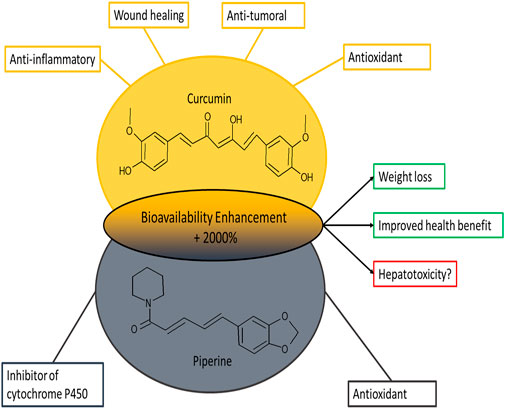
Most turmeric supplements contain only 2-5% curcumin—the active compound responsible for anti-inflammatory effects—meaning you’d need to take 8-10 capsules daily to match clinical study doses. Look for products specifying “95% curcuminoids” with at least 500mg per serving and always paired with black pepper extract (piperine) which increases absorption by 2,000%. Avoid generic “turmeric root powder” supplements—they simply don’t deliver therapeutic curcumin levels without this concentration and absorption enhancement.
Ginger vs. Peppermint: Targeted Relief for Different Digestive Issues
Not all digestive herbs work for every stomach problem. Ginger root extract (250-500mg) specifically targets nausea and motion sickness by affecting serotonin receptors in the gut, making it ideal for morning sickness or post-operative nausea. Enteric-coated peppermint oil (0.2-0.4mL) works differently by relaxing intestinal muscles, providing relief specifically for IBS symptoms like cramping and bloating. Using the wrong herb for your specific digestive issue means wasting money on supplements that won’t address your actual problem.
BCAAs, L-Theanine & Glutamine: Amino Acid Supplements Decoded
%20(1).png)
Amino acid supplements serve highly specific physiological functions beyond basic protein building blocks. Unlike complete protein powders, these targeted amino acids address particular health needs when used correctly—but timing and dosage dramatically impact their effectiveness.
When BCAAs Actually Benefit Athletes (And When They’re Wasted)
Branched-chain amino acids (BCAAs) provide measurable benefits only during prolonged endurance exercise (90+ minutes) when taken during activity to reduce muscle breakdown. For most gym-goers doing 60-minute strength sessions, BCAAs offer no additional benefit beyond a complete post-workout protein source containing all essential amino acids. If you do need intra-workout BCAAs, the clinically effective ratio is 2:1:1 (leucine:isoleucine:valine) at 5-10g total—not the exaggerated 8:1:1 ratios marketed to bodybuilders that lack scientific backing.
L-Theanine Timing for Maximum Cognitive Benefits With Caffeine
The cognitive synergy between L-theanine and caffeine works best at a specific ratio: 100-200mg L-theanine with 50-100mg caffeine. Taking them together reduces caffeine’s jitters while enhancing focus—but only when consumed simultaneously. If you drink coffee first and take L-theanine later, you miss the synergistic effect. This combination works particularly well for people with anxiety who still need caffeine’s alertness benefits, providing calm focus without the crash.
Probiotics, Omega-3s & Digestive Enzymes: Specialty Supplement Guide
Specialty supplements target specific physiological processes with precision, but their effectiveness depends entirely on selecting the right strains, concentrations, and delivery mechanisms for your particular health goals.
Choosing Probiotics With Clinically Studied Strains for Your Specific Needs

Not all probiotics are equal—different strains address different health issues. Look for products specifying exact strain designations (like Lactobacillus rhamnosus GG or Bifidobacterium longum Rosell-175), not just genus and species. For antibiotic-associated diarrhea prevention, you need at least 10 billion CFU of specific strains taken 2 hours after antibiotics. For general gut health maintenance, multi-strain formulas with 5-10 billion CFU suffice. Refrigerated products typically offer better viability, but some shelf-stable strains (like Bacillus coagulans) maintain potency without refrigeration.
Fish Oil Quality Indicators That Actually Matter for Omega-3 Absorption
The EPA and DHA content—not total fish oil weight—determines omega-3 effectiveness. A quality fish oil provides at least 500mg EPA+DHA per 1,000mg softgel (50% concentration). Lower concentrations mean you’re paying for unnecessary filler oil. Look for third-party testing certifications (IFOS, GOED) verifying purity from heavy metals and oxidation levels. Enteric-coated softgels prevent fishy aftertaste and improve absorption by 30% by bypassing stomach acid breakdown. If you experience reflux with standard fish oil, switch to triglyceride-form omega-3s which demonstrate 70% better absorption than ethyl ester forms.
Capsules vs. Gummies: Which Supplement Form Works Best for Your Needs?
The supplement form significantly impacts absorption, convenience, and actual nutrient delivery—but most consumers choose based on taste or ease without considering which form actually serves their specific health goals.
Why Gummies Often Deliver Lower Potency Than Advertised
Gummy supplements face formulation constraints that limit active ingredient concentrations. The gel matrix can’t hold high doses of certain nutrients without compromising texture. Vitamin D gummies typically contain only 400-1000 IU versus 2000-5000 IU in capsules. Check the Supplement Facts panel carefully—many gummy vitamins provide only 50-75% of the nutrient dose found in equivalent capsule forms. Additionally, the sugar content (often 2-4g per gummy) adds up quickly if taking multiple daily doses, counteracting health benefits for some users.
When Liquid Supplements Provide Superior Absorption
Liquid supplements bypass the disintegration phase required for pills, making them ideal for people with compromised digestion or certain medical conditions. Fat-soluble vitamins (A, D, E, K) in liquid oil form demonstrate 30-50% better absorption than capsules or tablets. Liquid magnesium citrate provides faster relief for constipation than tablets, which must first dissolve in the stomach. For immediate effects (like calming anxiety with L-theanine), liquids enter circulation 15-20 minutes faster than solid forms. If you struggle with swallowing pills or have digestive issues, liquids may deliver significantly better results despite shorter shelf life.
Spotting Quality Supplements: 7 Red Flags to Avoid in Your Purchase
Quality varies dramatically between supplement brands, with some products containing significantly less—or different—ingredients than labeled. Third-party testing provides the only reliable verification of what’s actually inside the bottle.
How Third-Party Certifications Actually Differ in Meaning
Not all quality seals indicate equal testing rigor. USP Verified means the product meets strict standards for purity, potency, and disintegration time. NSF Certified for Sport verifies no banned substances—critical for competitive athletes. ConsumerLab.com Approved Quality indicates independent testing for label accuracy and contaminants. Avoid products with self-created “quality seals” or vague claims like “pharmaceutical grade” which have no regulatory meaning. When in doubt, check the certifier’s website to verify the specific product batch number matches their certification.
Ingredient Red Flags That Signal Low-Quality Formulations
Watch for these warning signs on supplement labels:
– Proprietary blends that hide individual ingredient amounts
– Excessive fillers like magnesium stearate or silicon dioxide as primary ingredients
– Unrealistic claims like “1000% of daily value” for nutrients without established upper limits
– Vague terms like “herbal extract” without specifying concentration or active compounds
– Artificial colors and sweeteners in products marketed as “natural”
High-quality supplements clearly list every ingredient with precise amounts, use minimal necessary excipients, and avoid unnecessary additives—especially in products targeting sensitive populations like children or those with allergies.
Personalized Supplement Selection: Matching Types to Your Health Goals
Effective supplement use requires matching specific types to your individual nutritional status, health conditions, and lifestyle—not following generic recommendations or influencer advice that may not apply to your physiology.
3-Step Process to Determine Which Supplements You Actually Need
Follow this evidence-based approach before purchasing any supplement:
-
Identify potential deficiencies through blood tests (vitamin D, B12, iron) or symptom assessment (fatigue suggesting B12 deficiency, muscle cramps indicating possible magnesium deficiency)
-
Evaluate your diet using a food diary or app to pinpoint specific nutrient gaps—don’t supplement what you already get sufficiently from food
-
Consult your healthcare provider about interactions with medications and appropriate dosing for your specific health conditions
This prevents wasting money on unnecessary supplements and avoids potential health risks from inappropriate supplementation. For example, iron supplements can be dangerous for people with hemochromatosis, and vitamin K can interfere with blood thinners—conditions you wouldn’t know about without proper assessment.
When Food Sources Outperform Supplements for Nutrient Absorption
Some nutrients demonstrate significantly better absorption and health effects from whole foods versus supplements. Lycopene from cooked tomatoes shows 2-3x better absorption than lycopene supplements. Vitamin E from almonds provides multiple tocopherol forms with synergistic effects that single-form supplements can’t replicate. Magnesium from spinach comes with complementary nutrients that enhance its function. Before reaching for a supplement bottle, consider whether you can address the deficiency through targeted dietary changes that provide broader nutritional benefits.
Final Note: Understanding the different types of food supplements empowers you to make strategic choices that deliver actual health benefits rather than wasting money on products mismatched to your needs. Focus on evidence-based supplements addressing specific, identified deficiencies or health goals—prioritizing quality, proper form, and appropriate dosing over marketing hype. Always consult healthcare providers before starting new supplements, especially if you have medical conditions or take medications. Remember that supplements work best as targeted additions to a nutrient-dense diet, not replacements for healthy eating habits. By matching the right supplement type to your specific physiology and goals, you’ll maximize benefits while avoiding common pitfalls that render many supplement regimens ineffective or potentially harmful.