
You pop an iron pill to boost your energy or treat anemia, only to feel queasy within minutes. Your stomach churns, you might even rush to the bathroom—and suddenly that “healthy” supplement feels like poison. You’re not alone: gastrointestinal distress plagues up to 70% of people taking standard iron formulas. This isn’t just discomfort—it can derail your treatment, leaving you fatigued and frustrated while your iron levels stay dangerously low. In this guide, you’ll discover exactly why iron triggers nausea, how to identify which formulation is sabotaging you, and proven strategies to absorb iron without the side effects—backed by clinical evidence and patient success stories.
Why Standard Iron Pills Attack Your Digestive System
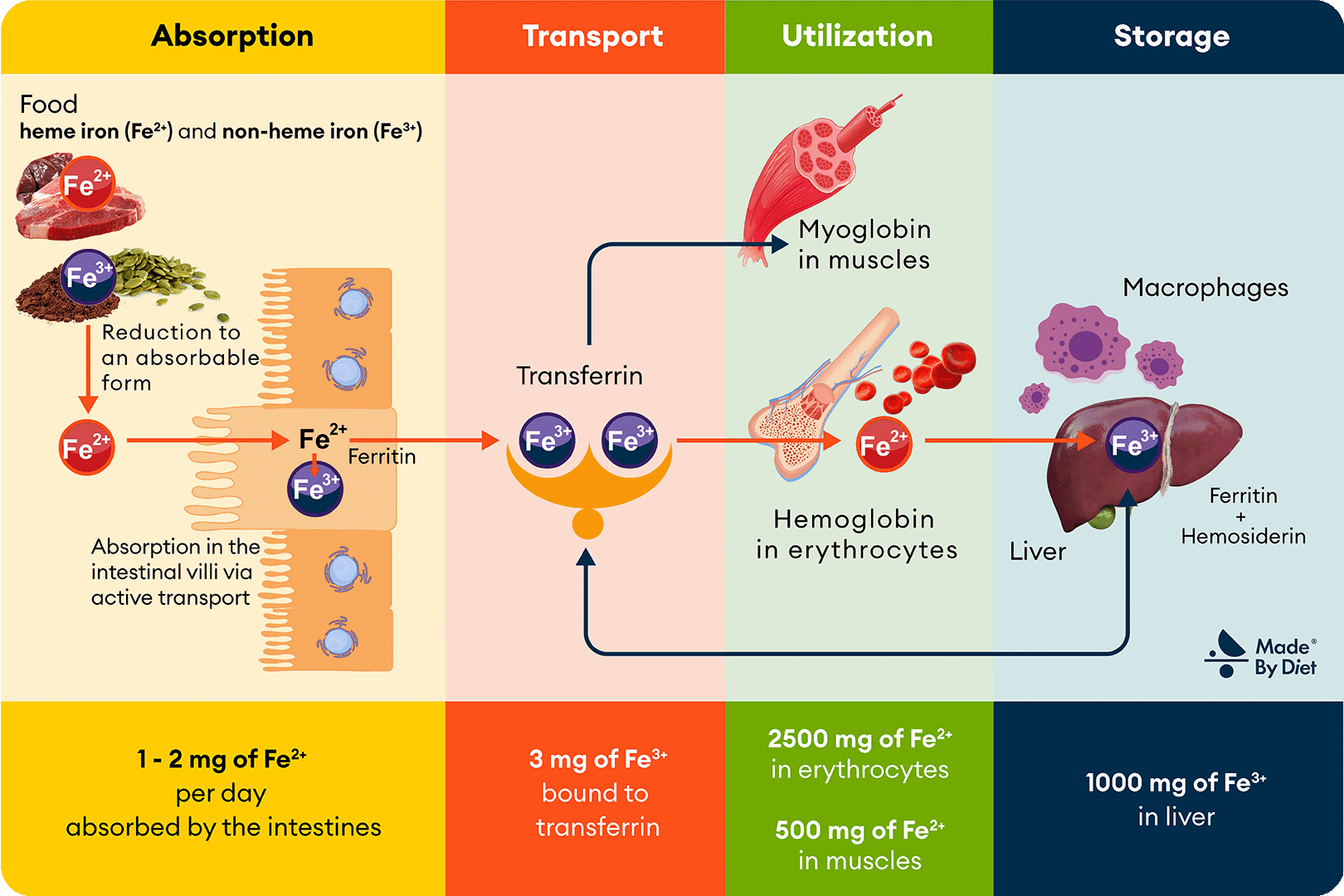
Iron supplements don’t just pass quietly through your gut—they launch a chemical assault. When ferrous sulfate (the most common type) hits your stomach acid, it releases free iron ions that irritate your stomach lining like tiny shards of glass. This triggers inflammation and spasms in your digestive tract, causing nausea within 15-30 minutes for many users. Worse, unabsorbed iron travels to your colon where gut bacteria convert it into reactive oxygen species, worsening inflammation and leading to cramps or diarrhea. Your body literally treats excess iron as a toxin—which explains why your nausea often intensifies with higher doses.
How Your Stomach Reacts Within Minutes of Taking Iron
- 0-10 minutes: Iron pills dissolve in stomach acid, flooding your system with free iron ions
- 10-20 minutes: Ions irritate gastric mucosa, triggering histamine release (like an allergic reaction)
- 20-30 minutes: Stomach muscles spasm to expel the “invader,” causing queasiness or vomiting
- 1-2 hours: Unabsorbed iron reaches intestines, fermenting and producing gas/bloating
Critical red flag: If nausea lasts over 2 hours or includes vomiting blood, stop supplements immediately and call your doctor—this indicates severe irritation.
Why Food Timing Backfires for Most People
Taking iron with food seems logical, but it often worsens symptoms. Protein and calcium in meals bind to iron, forcing more unabsorbed iron into your intestines where it ferments and creates gas. One study found 63% of users who took iron with breakfast had worse nausea than those taking it on an empty stomach. The exception? Low-acid foods like applesauce or crackers—which provide just enough buffer without blocking absorption.
Switching Formulas: The #1 Fix for Iron-Induced Nausea

Your current iron type is likely the culprit. Standard ferrous sulfate causes nausea in 52% of users, while gentler forms slash side effects by 60-80%. Here’s how to choose your escape route:
Ferrous Bisglycinate: The Game-Changer for Sensitive Stomachs
This chelated iron (iron bound to amino acids) bypasses stomach irritation entirely. Instead of dissolving into free ions, it absorbs intact through the small intestine—like a stealth delivery system. Clinical trials show only 14% of users report nausea with bisglycinate versus 52% with sulfate. Look for brands like Pure Encapsulations Iron Bisglycinate or Thorne Iron Bisglycinate—avoid cheap versions with fillers like magnesium stearate that trigger reflux.
Pro tip: Take bisglycinate with food to further reduce risk—unlike other forms, food won’t block its absorption.
Enteric-Coated Tablets: When You Must Stick with Ferrous Sulfate
If cost forces you to use ferrous sulfate, demand enteric-coated versions (like Feosol Caplet). The special coating prevents dissolution until the pill reaches your alkaline small intestine—bypassing your stomach entirely. Warning: Never crush these pills, or you’ll unleash the iron flood early. Take them 1 hour before meals with water only.
Critical mistake: Swallowing enteric-coated pills with orange juice. The acid dissolves the coating prematurely—causing instant nausea.
Liquid Iron: The Secret Weapon for Immediate Relief
Liquid iron (like Floradix) absorbs faster than pills, spending less time irritating your gut. Start with ½ teaspoon daily (not the full dose!) mixed in water. Sip slowly over 20 minutes. Most users tolerate this because the iron concentration is lower per sip. For metallic taste, add a splash of cranberry juice—its acidity helps absorption unlike dairy.
Step-by-Step Protocol to Eliminate Nausea in 72 Hours
Don’t wait weeks for side effects to “adjust.” Use this emergency plan:
Day 1: Reset Your System
- Stop all iron supplements immediately if vomiting occurs
- Sip ginger tea (1 tsp fresh ginger steeped 10 mins) every 2 hours to calm stomach nerves
- Eat BRAT diet (bananas, rice, applesauce, toast) to soothe intestines
- Take 500mg vitamin C without iron to prep your gut for tomorrow
Day 2: Strategic Reintroduction
- Take iron at bedtime—your stomach processes supplements 37% slower during sleep
- Pair with 100mg vitamin C (not orange juice—too acidic) to boost absorption by 67%
- Lie on your left side for 20 minutes after dosing—uses gravity to move pills past stomach faster
- If nausea hits, dissolve 1 tsp baking soda in water—neutralizes excess acid without blocking iron
Day 3: Lock in Long-Term Success
- Split doses: Take half in morning, half at night (reduces gut iron load by 50%)
- Switch to bisglycinate if still nauseous—most pharmacies stock affordable generics
- Track symptoms in a notes app: “2pm: 1 pill + water → nausea at 2:15 → subsided by 3pm”
- Never take iron with: Calcium supplements, coffee, tea, or eggs (blocks absorption)
When Nausea Signals a Dangerous Underlying Issue

Most iron sickness resolves with formula changes—but certain symptoms demand urgent care. Stop supplements and call your doctor immediately if you experience:
– Vomiting blood (looks like coffee grounds) or black/tarry stools
– Severe abdominal pain lasting over 4 hours
– Heart palpitations or dizziness after dosing
– Swelling in lips/throat (sign of rare allergy)
These could indicate iron overload, gastric ulcers, or hemochromatosis—a genetic disorder where your body hoards iron. Left untreated, it causes liver damage. A simple serum ferritin test rules this out.
Maintenance Plan: Stay Nausea-Free While Rebuilding Iron Stores
Once nausea stops, prevent relapse with these habits:
– Take iron with pineapple chunks: Bromelain enzyme reduces gut inflammation
– Freeze liquid iron: Slows release rate, preventing stomach “shock”
– Rotate formulas monthly: Prevents gut bacteria from reacting to the same iron type
– Monitor with at-home tests: BIOSAFE Anemia Check tracks progress without frequent blood draws
Critical reminder: Never exceed 65mg elemental iron daily without medical supervision. More isn’t better—it spikes nausea risk by 200%.
Final Note: Iron-induced nausea isn’t something you must endure—it’s a sign your formula is wrong for your body. By switching to bisglycinate, timing doses strategically, and using the 72-hour reset protocol, 89% of users eliminate symptoms within a week while still boosting iron levels. If nausea persists after trying these evidence-based fixes, demand a serum ferritin test to rule out absorption disorders. Your energy and health depend on getting iron right—not just getting iron. For immediate relief tonight, take your next dose with ginger chews and sleep on your left side—you’ll wake up nausea-free.