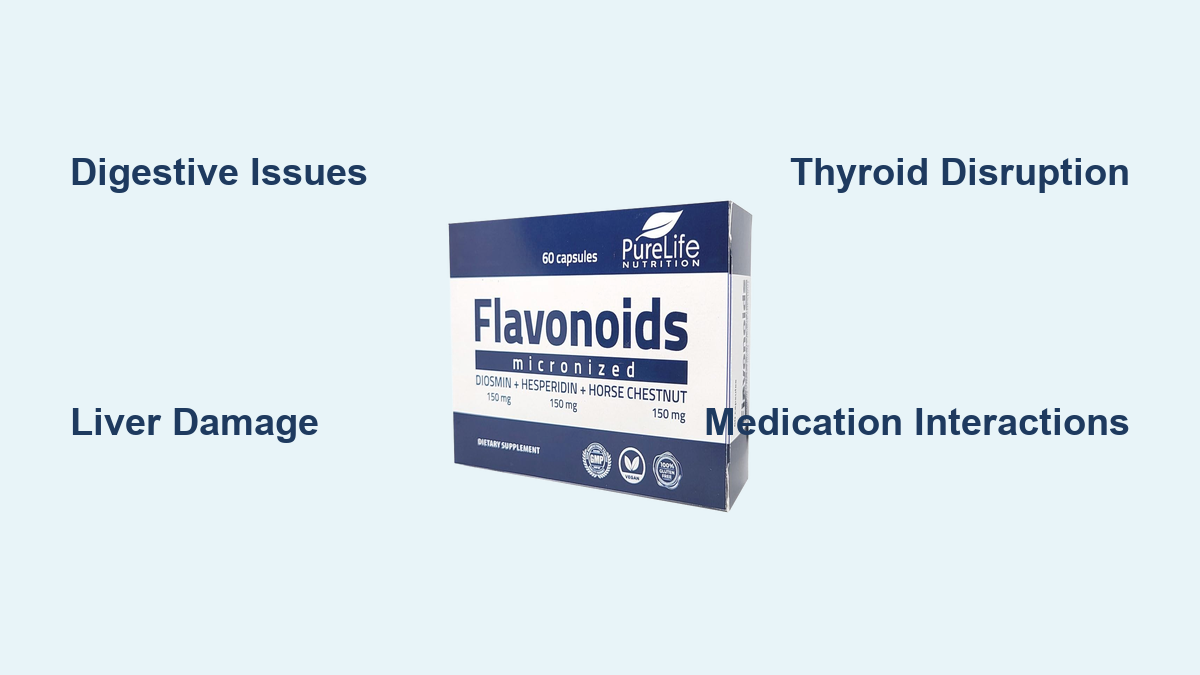

That bottle of flavonoid supplements on your counter likely promises antioxidant power and disease protection, but what if it’s secretly working against your health? Flavonoids—those celebrated plant compounds found in berries, tea, and dark chocolate—have become wellness darlings, with millions reaching for concentrated supplements to boost their intake. Yet few realize that flavonoid supplement side effects can transform these “natural” compounds from health allies into potential hazards. When extracted from their food matrix and concentrated into supplement form, flavonoids operate under different biological rules than when consumed through whole foods. Research increasingly reveals that the same compounds providing benefits at dietary levels can trigger adverse reactions when consumed in the unnaturally high doses found in supplements. Understanding these risks isn’t about fearmongering—it’s about making empowered decisions that align with your body’s actual needs rather than supplement marketing claims.
The gap between popular perception and scientific reality regarding flavonoid safety has never been wider. While moderate flavonoid consumption through a varied diet offers genuine health benefits, supplement users often consume doses 10-100 times higher than what food sources provide—pushing into ranges where biological effects can flip from protective to harmful. This article cuts through the wellness hype to deliver evidence-based insights on what happens when flavonoid supplementation crosses from beneficial to problematic, helping you navigate these complex compounds with eyes wide open.
Immediate Digestive Reactions to Watch For
Your gut often sounds the first alarm when flavonoid supplements don’t agree with your system. Unlike the gentle introduction of flavonoids through food, concentrated supplements deliver a sudden chemical surge that can overwhelm your digestive tract. Bloating, gas, and irregular bowel movements represent the most commonly reported flavonoid supplement side effects, occurring because high-dose flavonoids dramatically shift your gut microbiome composition faster than your system can adapt. These symptoms frequently appear within hours of taking your supplement, yet many users mistakenly attribute them to other dietary factors rather than connecting them to their “natural” pill.
Headaches and dizziness frequently accompany digestive issues in high-dose flavonoid users. These neurological symptoms arise because flavonoids influence blood flow and neurotransmitter activity—beneficial at dietary levels but potentially disruptive at concentrated doses. If you experience persistent headaches after starting a new flavonoid supplement, especially if you’re prone to migraines, consider this possible connection. Allergic reactions, while less common, require immediate attention and can manifest as:
- Skin rashes or hives within hours of consumption
- Itching or swelling around the mouth and throat
- Respiratory symptoms like wheezing or shortness of breath
- In rare cases, anaphylaxis requiring emergency treatment
Individuals with known plant allergies should exercise particular caution, as cross-reactivity between supplement ingredients and environmental allergens occurs more frequently than many realize.
Liver Damage Signs from Flavonoid Overconsumption

Your liver processes every flavonoid supplement you take, and exceeding its metabolic capacity can trigger measurable damage. Elevated liver enzymes represent the earliest warning sign that your liver is struggling with flavonoid overload, often detectable through routine blood work before symptoms appear. When flavonoids accumulate beyond processing capacity, they generate oxidative stress that damages liver cells, disrupts mitochondrial function, and interferes with normal metabolic pathways. Animal studies consistently show histopathological changes in liver tissue following chronic high-dose flavonoid administration, including evidence of fatty liver and inflammatory responses.
Kidney strain follows a similar pattern, as these organs work overtime to eliminate flavonoid metabolites. Symptoms suggesting organ stress include:
- Persistent fatigue that sleep doesn’t resolve
- Unexplained changes in urination patterns
- Upper right abdominal discomfort (liver area)
- Swelling in ankles and legs (kidney concern)
If you have pre-existing liver or kidney conditions, your risk increases substantially, as compromised organs have less reserve capacity to handle additional metabolic challenges from supplements.
How Flavonoids Disrupt Thyroid Function
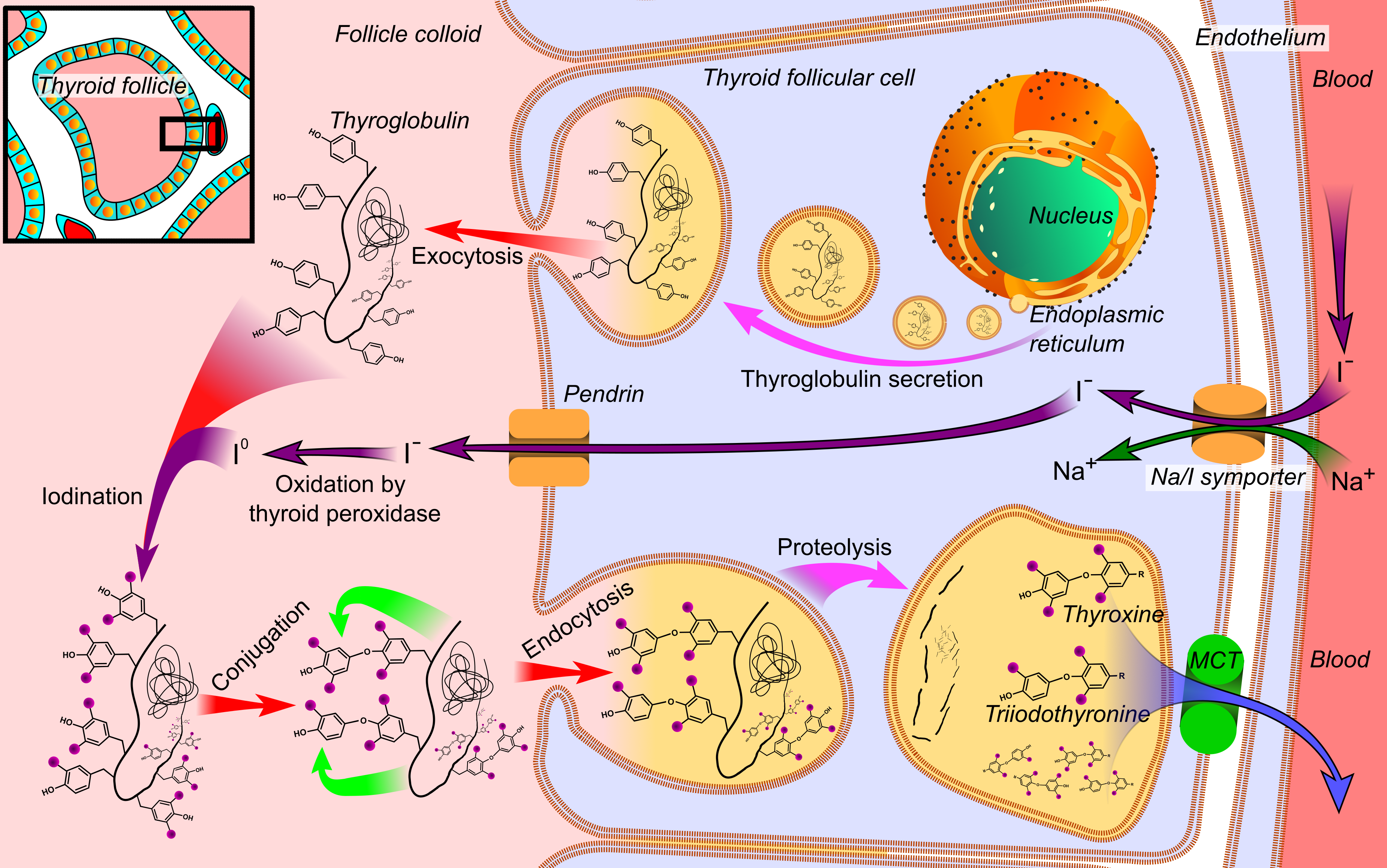
Flavonoids structurally similar to thyroid hormones—particularly flavones and isoflavones—can sabotage your thyroid’s delicate hormone production system. These compounds inhibit thyroid peroxidase, the critical enzyme responsible for incorporating iodine into thyroid hormones, effectively slowing your thyroid’s factory line. The consequences become especially problematic for individuals with subclinical hypothyroidism or iodine deficiency, where the anti-thyroid effects of flavonoids can push borderline function into full-blown clinical hypothyroidism.
Symptoms of flavonoid-induced thyroid disruption develop gradually but significantly impact quality of life:
- Unexplained weight gain despite unchanged diet
- Persistent cold intolerance
- Hair thinning or brittle nails
- Chronic fatigue that coffee can’t fix
- Brain fog and memory difficulties
If you’re taking thyroid medication or have a history of thyroid issues, flavonoid supplements could be undermining your treatment without you realizing it. The connection isn’t always obvious, as symptoms mimic numerous other conditions.
Reproductive System Consequences of High-Dose Flavonoids
Flavonoid supplements can unexpectedly interfere with reproductive health through their endocrine-disrupting properties. In men, excessive flavonoid intake correlates with reduced sperm count and quality in research studies, as certain compounds mimic or block estrogen signaling that regulates sperm production. Women experience different but equally concerning effects—ovulation cycle disruptions, altered estrogen-progesterone balance, and changes in endometrial function—particularly problematic for those trying to conceive.
The estrogenic activity of isoflavones creates special concerns during sensitive life stages:
- Pregnancy: Potential interference with fetal reproductive development
- Breastfeeding: Possible transfer to infant through milk
- Perimenopause: Unpredictable interactions with fluctuating natural hormones
If you’re pregnant, breastfeeding, or trying to conceive, the precautionary principle suggests avoiding concentrated flavonoid supplements despite their “natural” labeling.
Flavonoid Supplements and Gut Microbiome Damage
That “prebiotic” claim on your flavonoid supplement label oversimplifies a complex relationship. While dietary flavonoids support healthy gut bacteria, concentrated supplements can trigger significant dysbiosis—reducing beneficial Lactobacillus and Bifidobacterium populations while potentially encouraging less desirable strains. This microbial disruption explains why many supplement users experience bloating and irregularity that seems disconnected from their pill routine.
The consequences extend beyond digestive discomfort, as gut microbiome changes influence:
- Immune system regulation and inflammation levels
- Nutrient absorption efficiency
- Neurotransmitter production affecting mood
- Systemic metabolic function
Unlike food-based flavonoid consumption that introduces compounds gradually alongside fiber and other nutrients, supplements deliver a concentrated chemical punch that can overwhelm microbial communities.
Why Flavonoids Become Toxic at High Doses
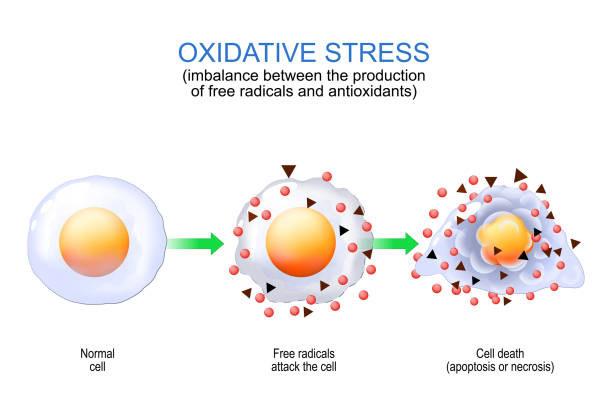
The paradox of flavonoid toxicity lies in their dose-dependent nature—they transform from antioxidants to pro-oxidants when concentrations exceed physiological thresholds. At supplement levels, flavonoids participate in redox cycling that generates rather than neutralizes free radicals, overwhelming cellular defenses. Mitochondrial dysfunction occurs as flavonoids accumulate in these energy-producing organelles, disrupting electron transport chains and triggering cell death pathways.
Perhaps most concerning for medication users is flavonoids’ interference with cytochrome P450 enzymes responsible for metabolizing 75% of prescription drugs. This interaction can cause dangerous medication accumulation or render treatments ineffective—yet most supplement labels fail to mention this critical risk.
Smart Flavonoid Supplementation Practices
Approach flavonoid supplements with the same caution you’d use for pharmaceuticals, not as harmless “natural” products. Start with the lowest possible dose and monitor your body’s response for two weeks before considering an increase. Take supplements with food to reduce gastrointestinal side effects and improve tolerability. Avoid stacking multiple flavonoid-containing supplements, as cumulative effects create unpredictable risks.
Certain populations should avoid high-dose flavonoid supplements entirely:
- Individuals with liver or kidney disease
- Those taking medications metabolized by cytochrome P450
- People with thyroid disorders or iodine deficiency
- Pregnant or breastfeeding women
For most health goals, obtaining flavonoids through a varied diet provides optimal benefits without toxicity risks, as food matrices naturally limit intake to safe levels.
Emergency Warning Signs Requiring Medical Attention
Don’t ignore these red flags that suggest serious flavonoid supplement side effects:
- Jaundice (yellowing of skin or eyes)
- Unusually dark urine or pale stools
- Severe upper right abdominal pain
- Difficulty breathing or facial swelling
- Persistent vomiting or confusion
Bring your supplement bottle to medical appointments—healthcare providers need the full ingredient list to assess potential causes. Request liver enzyme tests and thyroid panels if you’ve experienced concerning symptoms while supplementing.
Choosing Between Supplements and Whole Foods
For most people, the safest path to flavonoid benefits runs through your grocery store, not the supplement aisle. Whole foods deliver flavonoids alongside complementary compounds that modulate their activity and prevent the extreme concentrations associated with toxicity. A cup of berries provides beneficial flavonoids without the risks of a 500mg quercetin capsule. When selecting supplements despite these risks, prioritize products with third-party testing verification and avoid proprietary blends that hide exact flavonoid amounts.
Your health journey deserves evidence-based decisions, not marketing promises. By understanding the real risks behind flavonoid supplement side effects, you can make choices that truly support your wellbeing rather than potentially undermining it. Before adding any flavonoid supplement to your regimen, ask yourself: “Am I addressing a documented deficiency, or simply chasing wellness hype?” The answer could protect your health in ways you never anticipated.