
Hair loss affects millions seeking solutions, yet most consumers waste money on supplements with ineffective hair growth supplements ingredients. The reality is that only specific, scientifically-backed components deliver measurable results when properly formulated. Without understanding which hair growth supplements ingredients truly work, you’re gambling with your hair health and hard-earned money. This guide cuts through marketing hype to reveal exactly which compounds support stronger, thicker hair growth and why they matter. You’ll discover how vitamins, minerals, botanicals, and proteins work at the follicular level to combat thinning, when to expect results, and how to spot inferior products that won’t deliver.
Biotin, Vitamins A, C, and D: The Core Vitamin Trio for Hair Growth
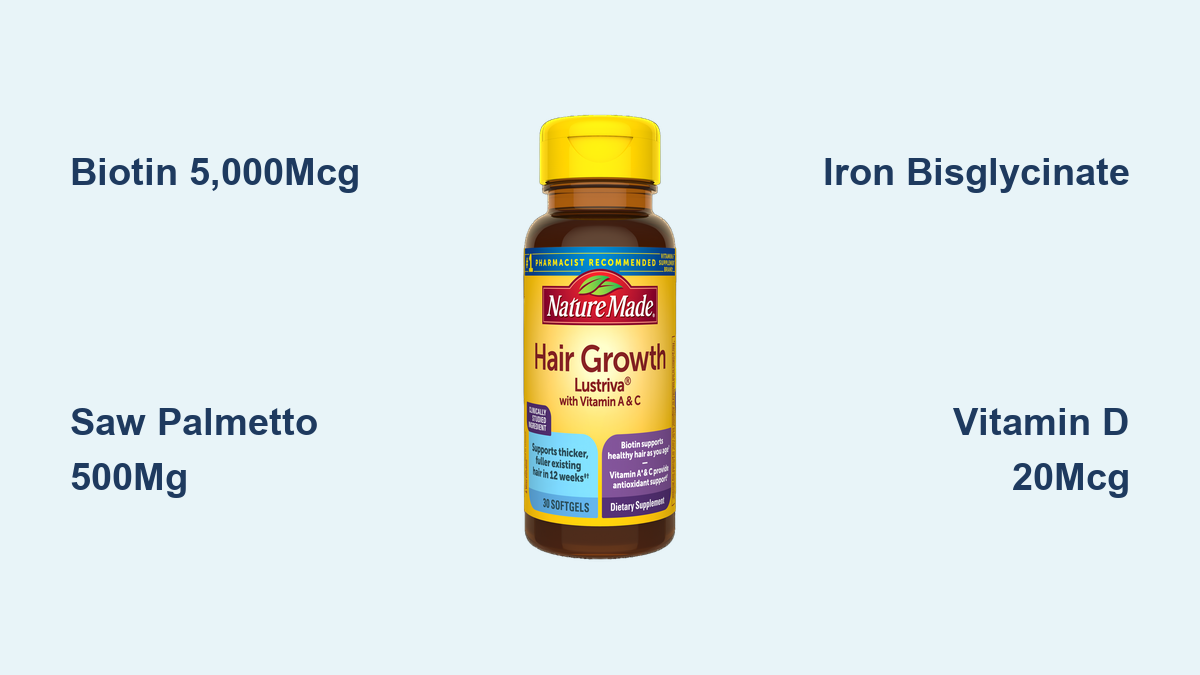
Biotin (5,000mcg) forms the backbone of effective hair growth supplements ingredients, directly fueling keratin production—the protein building block of every hair strand. Without adequate biotin, hair becomes brittle and prone to breakage, accelerating visible thinning. Quality supplements deliver 5,000mcg minimum per serving, targeting the structural foundation of hair rather than superficial symptoms.
Vitamin A (1,000mcg) works behind the scenes to maintain scalp health through sebum production—the natural oil that moisturizes hair follicles and prevents dryness-related shedding. However, precise dosing is critical since excess vitamin A can paradoxically trigger hair loss, making the 1,000mcg amount in quality formulas the sweet spot for optimal results.
Vitamin C (100mg) serves dual functions: protecting follicles from oxidative stress while enabling collagen synthesis for stronger hair shafts. Its role in enhancing iron absorption creates a powerful synergy with mineral components, maximizing the effectiveness of the entire formula. Vitamin D (20mcg) completes this essential quartet by regulating the hair growth cycle—deficiency directly correlates with alopecia and excessive shedding.
Why B-Complex Vitamins Make or Break Your Results
Folate (400mcg) and vitamin B12 (5mcg) often get overlooked in hair growth supplements ingredients, yet they’re critical for cellular processes driving new growth. Folate enables DNA synthesis for efficient follicle cell division, while B12 ensures oxygen delivery to roots through healthy red blood cell formation. These B-complex components prevent the cellular-level deficiencies that manifest as slow growth and thinning hair over time.
Iron, Zinc, and Selenium: Mineral Powerhouses That Prevent Shedding
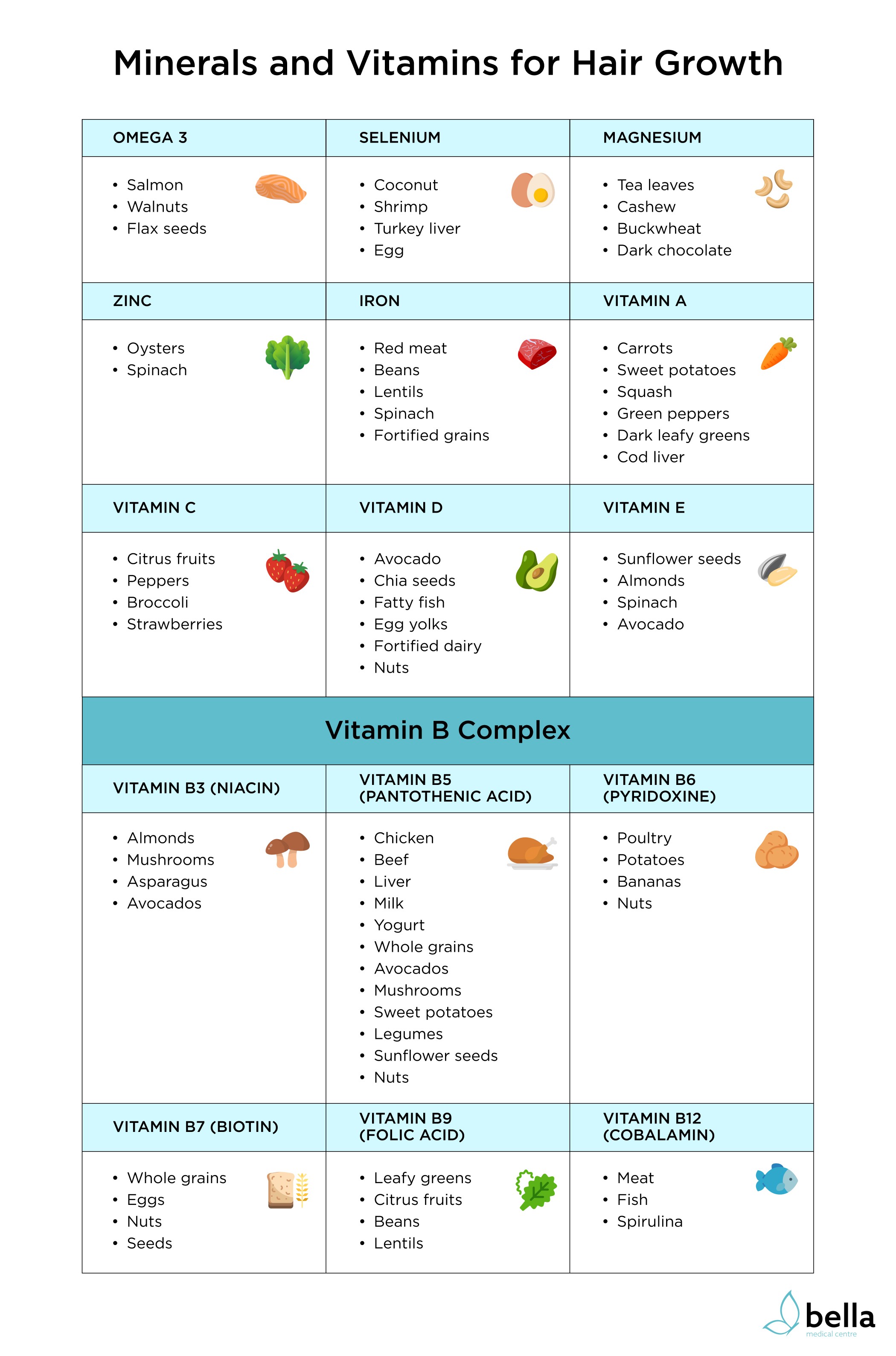
Iron (10mg) addresses the most common nutritional cause of hair loss, particularly in women. When iron levels drop, the body prioritizes vital organs over hair follicles, triggering shedding and slowed regrowth. Quality supplements use iron bisglycinate for better absorption and fewer digestive issues compared to cheaper forms like ferrous sulfate.
Zinc (10mg) supports hair tissue repair while regulating the oil glands surrounding each follicle. Deficiency frequently shows up as increased shedding and scalp conditions like dermatitis. The 10mg amount in effective formulas maintains the delicate balance—exceeding 50mg can actually cause hair loss.
Why Selenium’s Precise Dosage Matters
Selenium (55-200mcg) functions as a critical antioxidant protecting follicles from damage, but requires careful dosing. Both deficiency and excess cause problems, making the narrow 55-200mcg range in quality supplements essential for supporting selenoproteins without risking toxicity.
Saw Palmetto and Ashwagandha: Botanicals That Target Root Causes
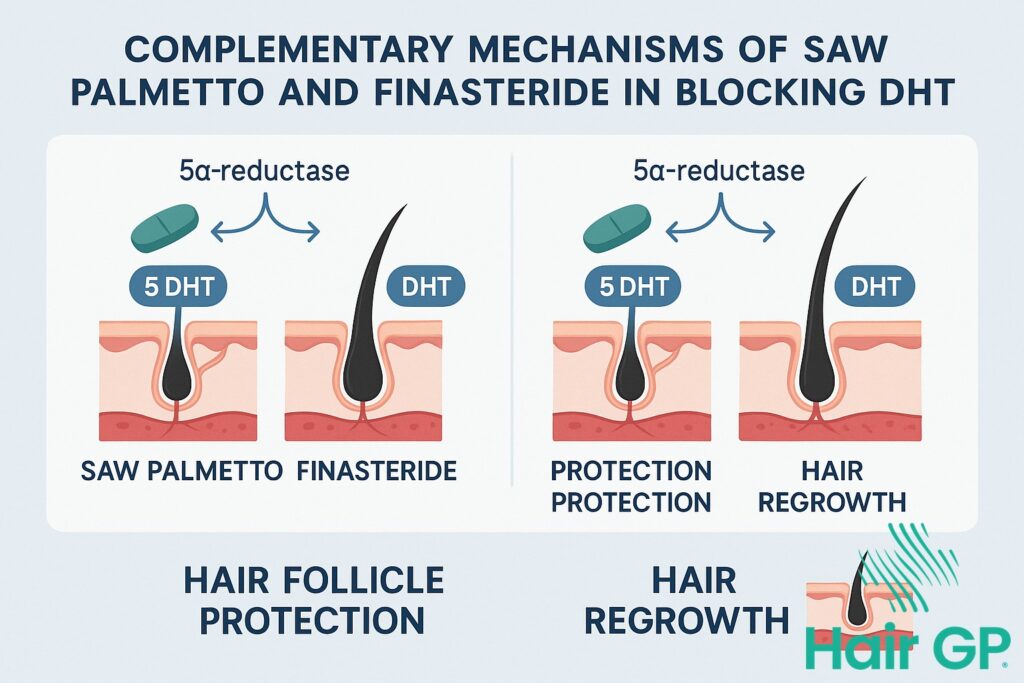
Saw palmetto (500mg) stands out among hair growth supplements ingredients for directly combating hormonal hair loss. This botanical extract inhibits 5-alpha-reductase, the enzyme converting testosterone to DHT—the hormone responsible for follicle miniaturization in pattern baldness. At 500mg per serving, it provides clinically relevant DHT-blocking capability often missing in cheaper formulas.
Ashwagandha (500mg) addresses the stress-hair loss connection through its adaptogenic properties. By helping regulate cortisol levels, this ancient medicinal herb prevents stress-induced shedding (telogen effluvium) that follows major life events, illness, or hormonal changes. Its inclusion separates comprehensive formulas from basic vitamin blends.
Bamboo Extract’s Silica Secret for Stronger Strands
Bamboo extract (50mg) delivers silica—the trace mineral that strengthens hair’s structural integrity. Silica enhances collagen production and improves hair texture, contributing to the appearance of thicker, healthier strands over time. This often-overlooked component works alongside keratin to reduce breakage and environmental damage.
Hydrolyzed Keratin and Collagen: Protein Building Blocks That Work
Hydrolyzed keratin (50mg) provides the direct structural components hair needs, but only when properly processed. The hydrolysis breaks keratin into absorbable peptides that actually reach follicles—unlike intact keratin that passes through unused. Look for “hydrolyzed” on labels to ensure bioavailability.
Hydrolyzed collagen peptides (50mg) complement keratin by supplying amino acids like glycine and proline that support both hair strength and scalp health. The hydrolyzed form ensures optimal absorption, with research showing these peptides accumulate in skin tissue where follicles are rooted.
Why Ingredient Forms Determine Effectiveness
The chemical form of hair growth supplements ingredients dramatically impacts results. Iron bisglycinate absorbs better than iron oxide. Methylated folate works better than folic acid for those with certain genetic variants. Proprietary blends that hide individual amounts make it impossible to verify if doses fall within effective ranges—transparency is non-negotiable for serious results.
Third-Party Testing: The Non-Negotiable Quality Check for Supplements
Reputable brands subject every batch to independent laboratory testing, verifying ingredient quantities match label claims and screening for contaminants like heavy metals. Products lacking third-party verification should raise immediate red flags regardless of impressive ingredient lists. The Micro Ingredients formula, for example, undergoes comprehensive testing to ensure safety, purity, and potency.
Allergen Transparency You Can’t Afford to Ignore
Quality hair growth supplements ingredients clearly list allergens and specify whether products are non-GMO, gluten-free, or dairy-free. Formulas that exclude soy, dairy, gluten, wheat, peanuts, and tree nuts accommodate common sensitivities without compromising efficacy. When labels leave these questions unanswered, contact manufacturers directly before purchasing.
Unrealistic Timelines: Why Most Users Quit Supplements Too Soon
Hair grows approximately one centimeter per month, meaning supplements work by improving new growth rather than instantly transforming existing strands. Most users notice thickness improvements in existing hair within 4-8 weeks, but visible new growth typically requires 3-4 months. Patience and consistency separate those who see results from those who waste money by abandoning supplements prematurely.
Ignoring Underlying Causes Guarantees Disappointing Results
Hair loss stems from multiple sources: hormonal imbalances, thyroid dysfunction, autoimmune conditions, or medication side effects. Supplements work best when filling genuine nutritional gaps rather than masking systemic issues. Consulting healthcare providers to identify root causes ensures ingredients address actual problems rather than symptoms.
How to Match Formulas to Your Specific Hair Concerns
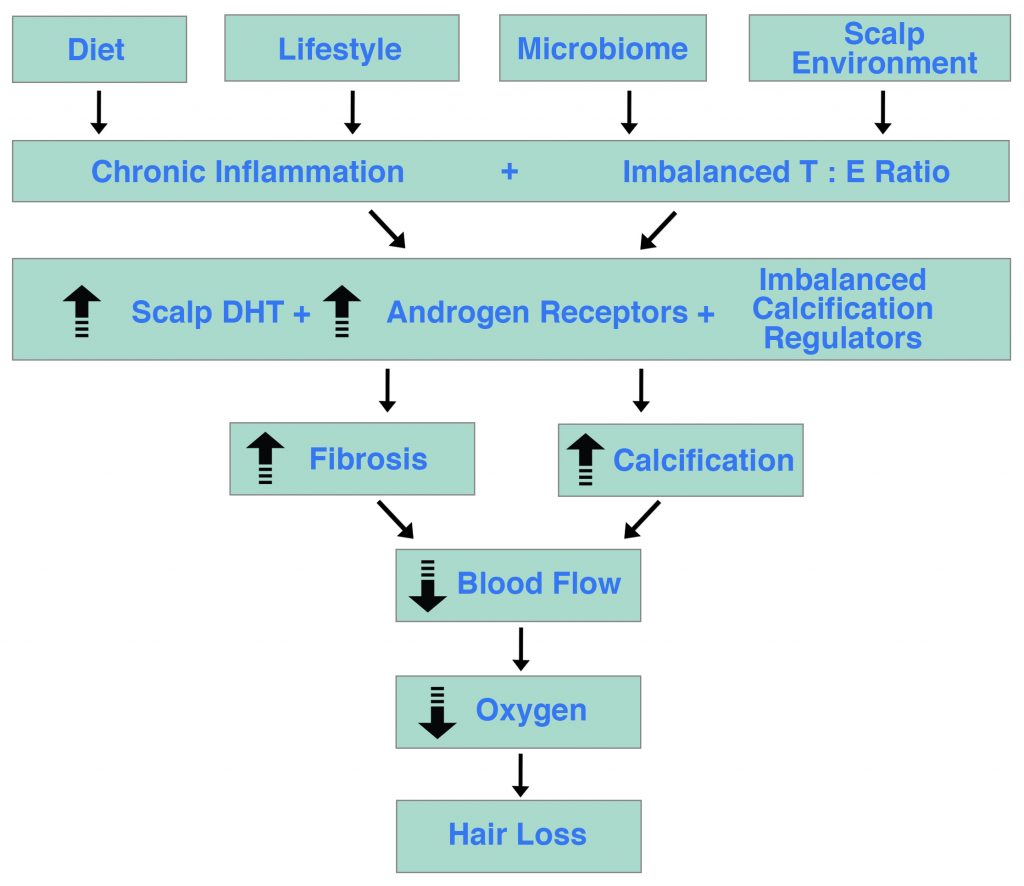
For thinning related to hormonal factors, prioritize formulas with saw palmetto alongside zinc and B vitamins. These ingredients combat DHT-related follicle miniaturization while supporting cellular energy production follicles need to maintain function.
For stress-related shedding, look for ashwagandha, B-complex vitamins, and iron. Chronic stress depletes B vitamins, elevates cortisol (triggering shedding), and can cause iron deficiency—addressing all three factors tackles the problem through multiple pathways.
Vitamin C and Iron: The Critical Synergy Most Supplements Miss
Vitamin C dramatically enhances iron absorption—meaning a supplement containing both delivers exponentially more benefit than iron alone. This combination proves particularly valuable for women experiencing iron-deficiency-related shedding. Quality formulas strategically position these ingredients to maximize their synergistic effect rather than listing them as isolated components.
Your Action Plan for Choosing Effective Hair Growth Supplements
Understanding hair growth supplements ingredients transforms you from a passive consumer to an informed decision-maker. The most effective formulas combine essential vitamins (biotin, A, C, D, B-complex), key minerals (iron, zinc), botanical extracts (saw palmetto, ashwagandha), and protein components (hydrolyzed keratin, collagen) at clinically relevant dosages. Third-party testing, transparent labeling, and proper manufacturing standards ensure what’s on the label actually gets into your body.
Start by evaluating your specific hair concerns, then select products with verified ingredient quantities—not proprietary blends. Give supplements adequate time (at least 3-4 months for new growth), maintain consistency, and address underlying health issues. With the right hair growth supplements ingredients working for you, not just in theory but in practice, the results you’re seeking become not just possible—but probable.