
Your high dose vitamin a supplement delivers concentrated amounts of this essential fat-soluble nutrient—typically ranging from 5,000 to 10,000 IU per capsule—that approaches or even reaches the maximum safe intake level for adults. Unlike water-soluble vitamins that your body can easily eliminate, vitamin A accumulates in liver tissue, making proper dosing critical for avoiding toxicity. Whether you’re considering supplementation for immune support, vision health, or addressing a deficiency, understanding how these potent supplements work will help you make informed decisions about your health. This guide examines the science behind high dose vitamin A, safety thresholds, proper usage protocols, and practical guidance for anyone evaluating these powerful supplements.
Precise Definition of High Dose Vitamin A
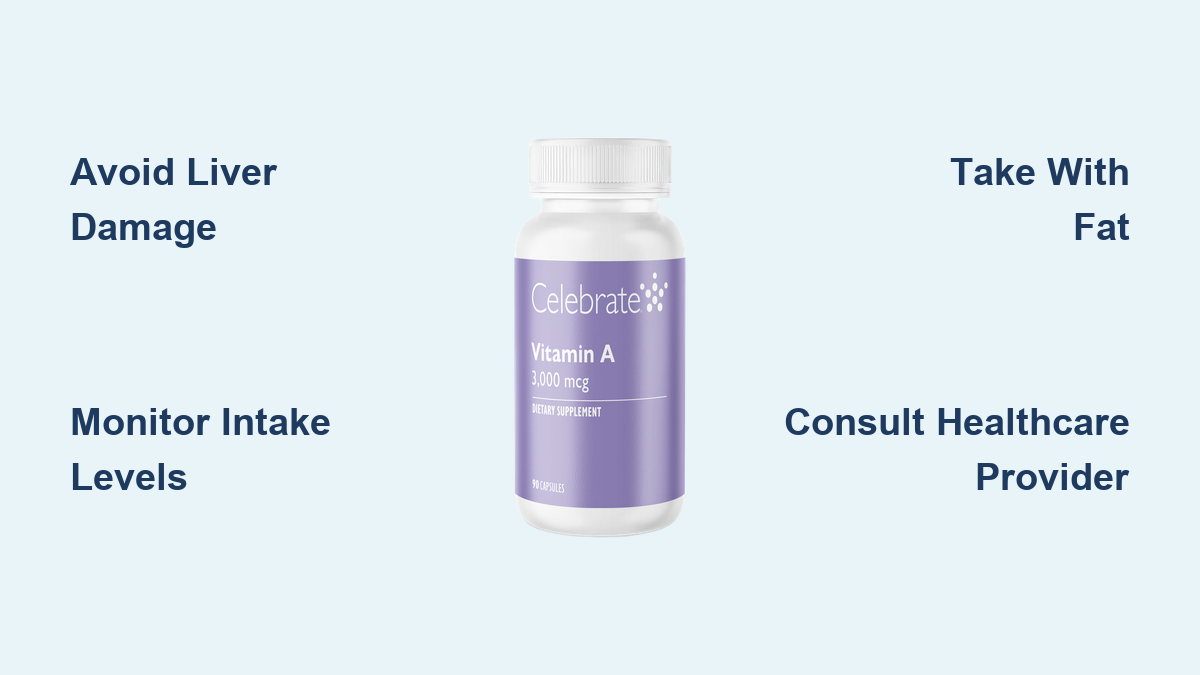
High dose vitamin A supplements contain quantities significantly exceeding standard daily requirements, typically positioned at or near the tolerable upper intake level of 10,000 IU (3,000 mcg) for adults. These products deliver preformed vitamin A—either as retinol, retinyl acetate, or retinyl ester compounds—that your body can utilize immediately without requiring conversion. This distinguishes them from standard multivitamins, which typically provide only 2,500-5,000 IU, and from beta-carotene supplements that deliver precursor compounds your body converts to vitamin A based on physiological demand.
Critical Distinction Between Preformed Vitamin A and Beta-Carotene
Understanding the difference between preformed vitamin A and provitamin A carotenoids is essential for safe supplementation. When you consume preformed vitamin A from high-dose supplements, it enters your system as active retinol that your liver stores for gradual release. This storage mechanism means consistent daily consumption can lead to accumulation over time, potentially pushing total intake above safe thresholds even when individual doses seem modest. Beta-carotene, by contrast, undergoes regulated conversion where your body adjusts absorption based on existing vitamin A status, providing a built-in safety mechanism that preformed vitamin A lacks.
Your body processes these forms differently, affecting both benefits and risks:
– Preformed vitamin A (retinol/retinyl esters) has higher bioavailability (70-90% absorption)
– Beta-carotene conversion varies significantly between individuals based on genetics and health status
– Preformed vitamin A carries greater toxicity risk due to accumulation potential
– Beta-carotene provides antioxidant benefits independent of vitamin A conversion
Maximum Safe Intake Thresholds
Navigating high dose vitamin A supplementation requires understanding established safety limits. Adult men require approximately 900 mcg (about 3,000 IU) daily to meet basic physiological needs, while adult women need around 700 mcg (approximately 2,333 IU). The tolerable upper intake level of 3,000 mcg (10,000 IU) represents the maximum amount unlikely to cause adverse effects in the general population when consumed chronically.
Tracking Total Vitamin A Exposure
Consuming a single 10,000 IU supplement like Nature’s Way Vitamin A approaches this upper limit, but you must account for all vitamin A sources:
- Dietary contributions: Just 3 ounces of beef liver provides over 6,500 mcg (200% of UL)
- Fortified foods: Breakfast cereals and dairy products add significant amounts
- Other supplements: Multivitamins and combination products contribute additional intake
Chronic consumption above the upper limit may lead to hypervitaminosis A, characterized by liver damage, bone abnormalities, and in severe cases, developmental defects in fetuses. The accumulation nature of vitamin A means exceeding upper limits consistently—even by moderate margins—can produce cumulative effects over time.
Commercial High Dose Products Compared

The supplement market offers several high-dose vitamin A options with distinct formulations and pricing structures. Nature’s Way Vitamin A 10,000 IU Softgels represent one of the most accessible high-dose options available over the counter, containing 100 softgel capsules priced at approximately $6.49. This oil-based formulation supports optimal absorption of this fat-soluble nutrient at just $0.06 per capsule.
Preformed Vitamin A vs. Beta-Carotene Products
Walgreens Free & Pure Beta Carotene Supplement provides 7,500 mcg of beta-carotene per softgel with packaging designed for 100 days of supplementation at $7.99. While beta-carotene is technically a precursor to vitamin A rather than preformed vitamin A, this product still contributes to your vitamin A status while offering antioxidant benefits. However, conversion rates vary considerably between individuals, typically yielding only about 0.5 mcg of retinol activity equivalents per microgram of beta-carotene consumed.
Important consideration: Beta-carotene supplements carry different safety profiles than preformed vitamin A products. While preformed vitamin A poses greater accumulation risk, high-dose beta-carotene supplementation has demonstrated conflicting evidence regarding cardiovascular and cancer outcomes in specific populations, particularly smokers.
Who Actually Needs High Dose Supplementation
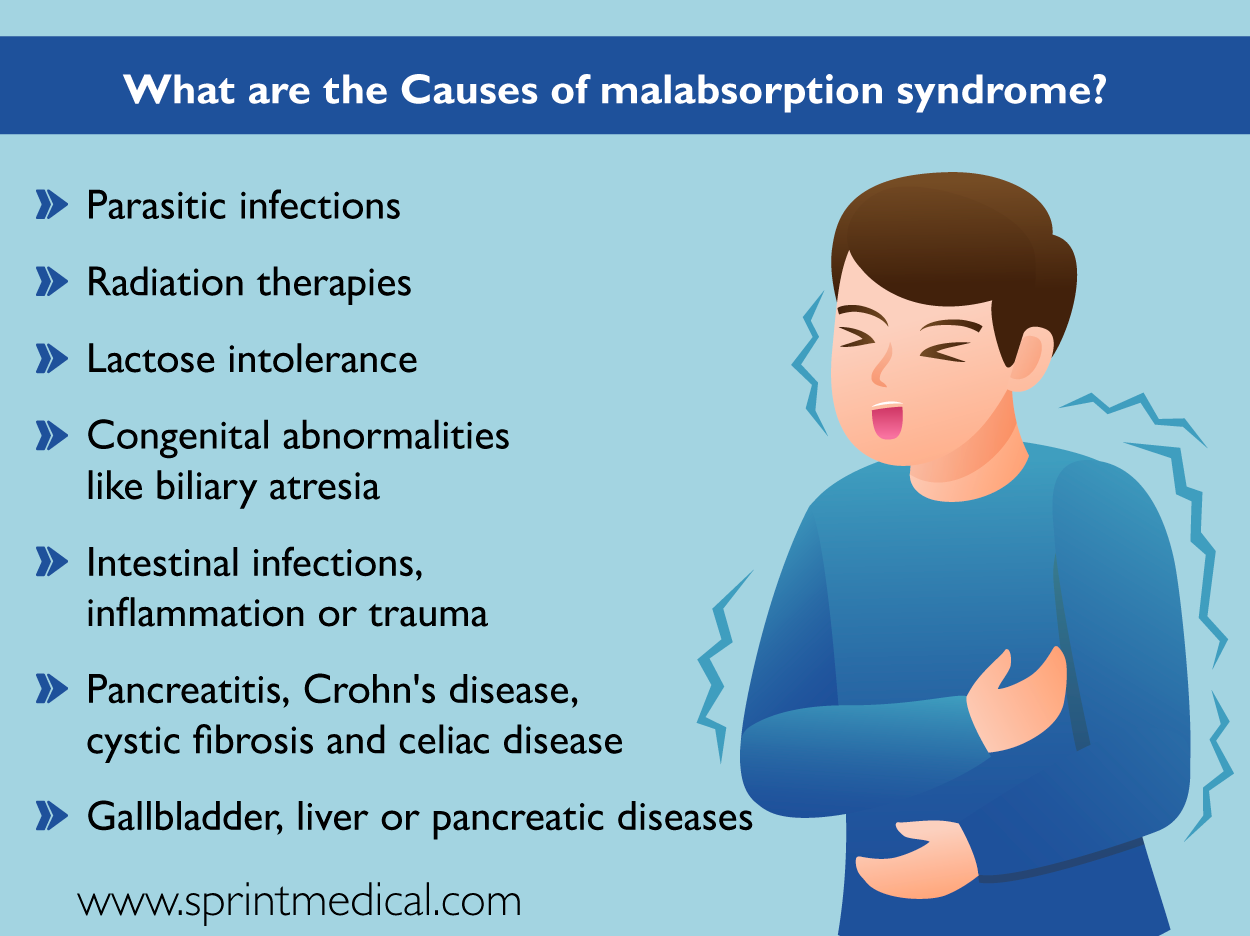
Clinical vitamin A deficiency, while uncommon in developed nations, may occur in individuals with specific health conditions. People with malabsorption disorders like cystic fibrosis, inflammatory bowel disease, or celiac disease frequently experience compromised vitamin A status despite adequate dietary intake. These individuals may benefit from high-dose vitamin A supplementation under medical supervision to rapidly restore depleted stores.
When High Dose Might Be Appropriate
Consider high-dose supplementation only if you:
– Have diagnosed deficiency confirmed by blood testing
– Suffer from conditions affecting fat absorption
– Experience chronic alcoholism or liver disease
– Follow extremely restrictive diets with minimal animal products
Most healthy adults who eat a varied diet obtain adequate vitamin A from food sources and may not require high-dose supplementation. Pregnant women should exercise particular caution—excess preformed vitamin A during pregnancy has been associated with birth defects. Many healthcare providers recommend that expecting mothers obtain vitamin A primarily through beta-carotene sources rather than preformed vitamin A supplements.
Recognizing Vitamin A Toxicity Warning Signs

Understanding the symptoms of hypervitaminosis A helps you recognize when supplementation may have exceeded safe boundaries. Acute toxicity typically results from consuming extremely high doses over short periods, producing symptoms including:
- Severe headache and dizziness
- Nausea and vomiting
- Blurred vision (from increased intracranial pressure)
- Altered consciousness in severe cases
Chronic Overconsumption Effects
More insidious effects develop from chronic overconsumption at levels exceeding the upper limit by moderate margins over extended periods:
- Liver damage (elevated liver enzymes, fibrosis)
- Bone pain and fragility (increased fracture risk)
- Hair loss and dry skin (epithelial tissue damage)
- Teratogenic effects in developing fetuses
People with pre-existing liver conditions face heightened risk, as impaired hepatic function compromises the organ’s capacity to store and process vitamin A safely. If you experience persistent headache, unexplained hair loss, or bone pain while taking high-dose vitamin A, discontinue use immediately and consult your healthcare provider.
Optimal Absorption and Timing Protocols
Taking high-dose vitamin A supplements correctly maximizes benefits while minimizing potential adverse effects. As a fat-soluble vitamin, dietary fat substantially influences vitamin A absorption efficiency—without adequate fat, absorption rates may drop below 50% of ingested amounts.
Maximizing Supplement Effectiveness
For optimal absorption of your high dose vitamin a supplement:
– Take with meals containing at least 3-5 grams of fat
– Avoid taking on an empty stomach to prevent gastrointestinal distress
– Consistently pair with the same meal each day to establish routine
– Store supplements properly away from light and heat to maintain potency
Most high-dose vitamin A supplements are formulated as softgels containing oil (typically soybean or MCT oil), which provides the necessary lipid medium for absorption. The sustained storage capacity of your liver means daily dosing maintains steady tissue levels without requiring multiple administrations throughout the day.
Essential Medical Consultation Requirements
Given the potential for serious adverse effects with excessive intake, consulting with healthcare providers represents best practice before starting high-dose vitamin A supplementation. This consultation becomes especially critical if you have liver disease, are pregnant or breastfeeding, take medications that interact with vitamin A, or have chronic health conditions affecting nutrient metabolism.
What to Discuss with Your Healthcare Provider
Before beginning high-dose vitamin A supplementation, prepare to discuss:
– Your complete medication and supplement list (including dosages)
– Any existing health conditions, particularly liver disease
– Your dietary patterns and potential vitamin A food sources
– Your specific health goals for considering supplementation
Healthcare providers can order appropriate testing to assess baseline vitamin A status, evaluate potential interactions, and provide personalized recommendations. Starting with the lowest effective dose and gradually adjusting based on tolerance represents a prudent approach—many people achieve desired effects at doses lower than the maximum available.
Long-Term Usage Safety Strategies
Maintaining high-dose vitamin A supplementation over extended periods requires careful attention to cycling protocols and monitoring. Some practitioners recommend cycling high-dose vitamin A—using the supplement for 8-12 weeks followed by 4-week breaks—to prevent accumulation and allow tissue levels to equilibrate.
Comprehensive Monitoring Approach
For safe long-term use:
– Schedule periodic blood tests to assess vitamin A status
– Track symptoms of excess intake (headache, hair loss, dry skin)
– Calculate total intake from all sources monthly
– Balance with other fat-soluble vitamins (D and K)
Periodic assessment of vitamin A status through healthcare provider testing guides long-term supplementation decisions. Serum retinol testing provides an indication of status, though it reflects liver stores imperfectly and can appear normal even when hepatic reserves become excessive. Integrating high-dose vitamin A supplementation with your overall nutritional plan means assessing dietary intake to establish baseline consumption and making informed decisions about supplemental dosing.
Final Note: High dose vitamin A supplementation offers potential benefits for specific health scenarios but carries significant risks when misused. Always prioritize professional medical guidance, monitor for warning signs of toxicity, and consider whether your nutritional goals might be met through safer alternatives like beta-carotene or dietary adjustments. For most healthy adults with balanced diets, standard multivitamins provide sufficient vitamin A without the accumulation risks associated with high-dose products.