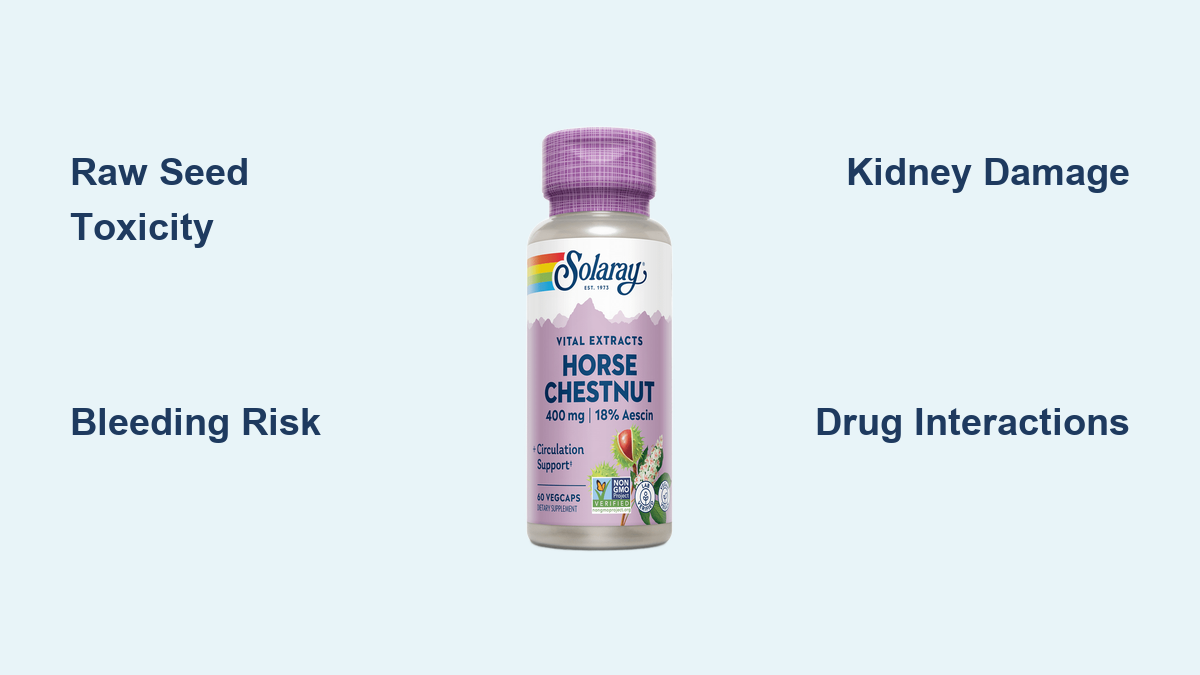

Many people turn to horse chestnut supplements seeking natural relief for swollen legs or varicose veins, unaware they’re gambling with serious health consequences. Derived from the seeds of Aesculus hippocastanum, these supplements contain aescin—the compound credited with potential vascular benefits—but also harbor dangerous toxins if improperly processed. Understanding horse chestnut supplement side effects is absolutely essential before adding this botanical to your regimen, as the difference between therapeutic benefit and life-threatening toxicity often comes down to proper processing and individual health factors. The most critical distinction separates safe, purified extracts from raw seeds that have sent numerous people to emergency rooms after being mistaken for edible chestnuts.
While clinical research shows promise for horse chestnut extract in managing chronic venous insufficiency, the same compounds providing potential benefits also drive significant safety concerns. From gastrointestinal distress that can escalate to intestinal obstruction, to dangerous blood-thinning effects that compound with common medications, the spectrum of adverse reactions demands serious consideration. This guide cuts through the confusion to deliver actionable information about horse chestnut supplement side effects you won’t find on supplement labels—enabling you to make truly informed decisions about your health.
Raw Seed Toxicity: Why Proper Processing Is Non-Negotiable
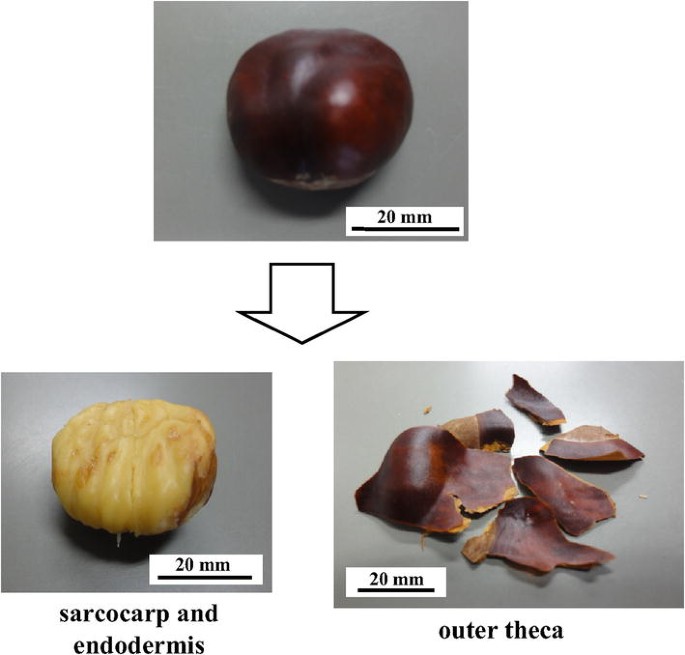
The most critical safety issue involves understanding the fundamental difference between raw horse chestnut seeds and properly processed extracts—this distinction literally separates medical therapy from poison. Raw seeds contain esculin (aesculetin), a potent hydroxycoumarin derivative that acts as a blood thinner, along with saponins capable of causing multi-organ toxicity. These shiny brown seeds are frequently mistaken for edible chestnuts, leading to dangerous accidental poisonings documented by poison control centers worldwide.
Reputable manufacturers specifically remove aesculetin during processing, certifying their products as “aesculetin-free” through third-party testing. Supplements containing even trace amounts of this compound significantly increase bleeding risk, particularly when combined with medications like warfarin or aspirin. When selecting horse chestnut supplements, verify third-party certification from organizations like USP or ConsumerLab—this verification isn’t optional, it’s a critical safety requirement that separates legitimate products from potentially dangerous ones.
What Happens When Raw Seeds Are Consumed
Documented cases reveal the severe consequences of raw seed ingestion: a 46-year-old man who mistook horse chestnuts for Korean chestnuts developed epigastric pain, nausea, sweating, and elevated liver enzymes within hours. Another alarming case involved a patient with a benign kidney tumor who experienced life-threatening kidney rupture while taking over-the-counter horse chestnut extract for venous insufficiency. These aren’t isolated incidents—poison control centers regularly field calls about horse chestnut toxicity requiring medical intervention.
Most Common Horse Chestnut Supplement Side Effects
Gastrointestinal Distress: More Than Just an Upset Stomach
Stomach irritation represents the most frequently reported horse chestnut supplement side effects, but these symptoms can escalate beyond mild discomfort. Users commonly experience severe epigastric pain, cramping, and persistent nausea that may progress to repeated vomiting. The danger intensifies when fibrous seed components accumulate in the digestive tract, forming phytobezoars—indigestible masses that cause intestinal obstruction requiring surgical removal in documented cases.
Red flag symptoms requiring immediate medical attention:
– Vomiting blood or coffee-ground material
– Inability to keep fluids down for 24+ hours
– Severe abdominal pain with distension
– Lack of bowel movements for multiple days
Neurological Warning Signs You Should Never Ignore
Horse chestnut toxicity extends beyond the digestive system to affect neurological function, with symptoms that can progress rapidly. Early signs include muscle twitching (myoclonus) and dizziness, but these may escalate to incoordination (ataxia) that significantly increases fall risk, particularly dangerous for elderly users. In severe poisoning cases, paralysis has been documented—this isn’t theoretical risk but verified clinical reality. Anyone experiencing progressive muscle weakness after starting horse chestnut supplements should seek emergency care immediately.
Cardiovascular Complications That Could Be Fatal
The cardiovascular effects of horse chestnut compounds create some of the most serious safety concerns. Aesculetin’s anticoagulant properties inhibit vitamin K-dependent clotting factors, dramatically increasing bleeding risk—especially dangerous when combined with blood-thinning medications. Documented interactions with warfarin, aspirin, and clopidogrel have caused unexplained bruising, nosebleeds, and in severe cases, life-threatening internal bleeding. Additionally, research shows horse chestnut extract affects platelet aggregation through 5-HT(2A) receptor mechanisms, creating unpredictable effects on hemostasis that even healthcare providers may overlook.
Dangerous Drug Interactions That Could Land You in the ER
Anticoagulant Combinations: A Potentially Deadly Mix
The most dangerous horse chestnut supplement side effects occur when combined with blood-thinning medications. Supplements containing aesculetin create additive anticoagulant effects with warfarin, DOACs, and antiplatelet drugs like aspirin or clopidogrel—significantly increasing hemorrhage risk. One documented case showed a patient developing severe bleeding complications after combining horse chestnut extract with standard anticoagulant therapy. If you take ANY blood-thinning medication, avoid horse chestnut supplements unless explicitly approved and monitored by your prescribing physician.
Hidden Interactions With Common Medications
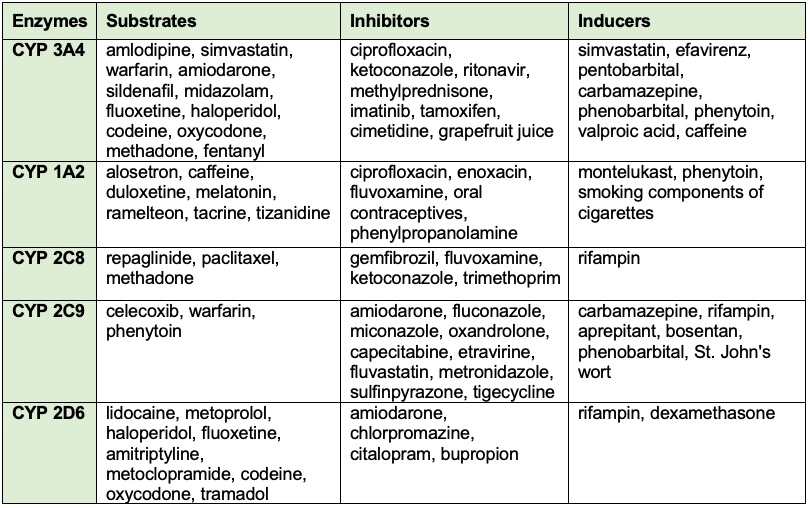
Beyond blood thinners, horse chestnut compounds interact with multiple medication categories through CYP450 enzyme pathways. Animal studies confirm aescin affects CYP1A2, CYP2C9, and CYP3A4 enzymes responsible for metabolizing numerous prescription drugs including:
– Statins (increased muscle pain/risk of rhabdomyolysis)
– Calcium channel blockers (unpredictable blood pressure effects)
– SSRIs (potential serotonin syndrome risk)
– Many diabetes medications (unstable blood sugar levels)
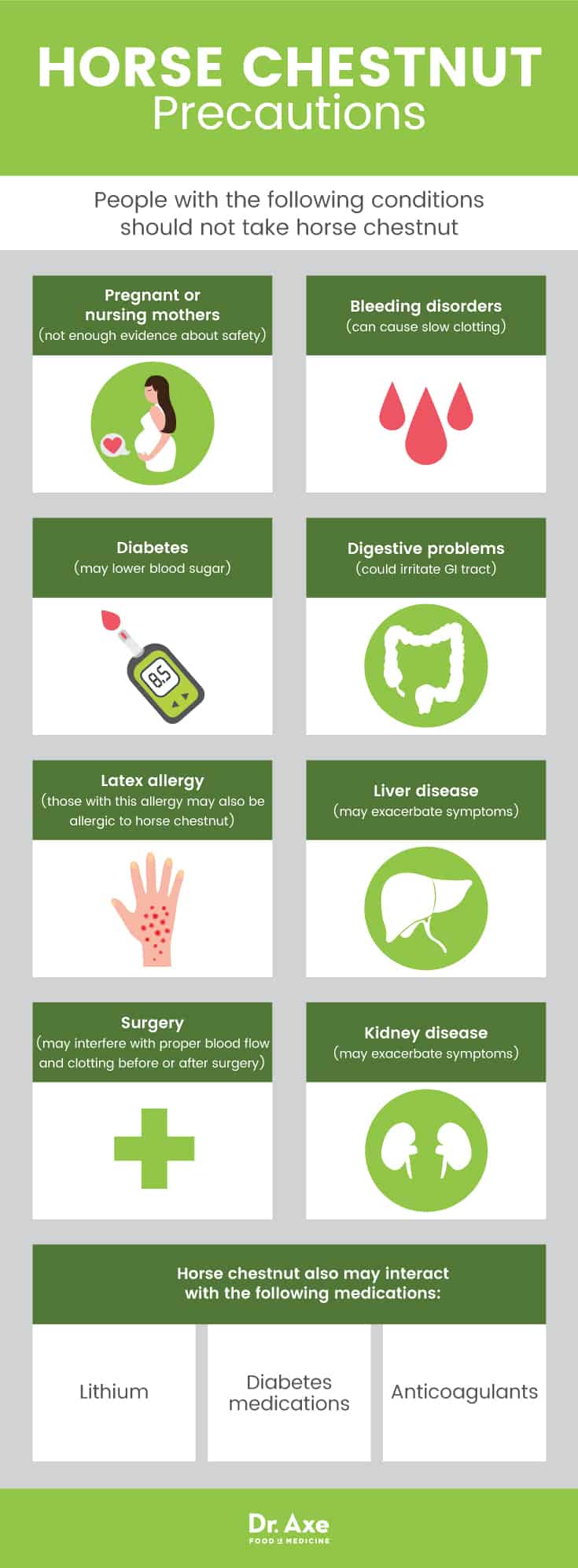
Patients on regular medications should consult both their physician and pharmacist before considering horse chestnut supplements—don’t rely on supplement store staff for this critical safety information.
Who Must Avoid Horse Chestnut Supplements Entirely
High-Risk Groups That Should Never Use This Supplement
Memorial Sloan Kettering Cancer Center explicitly recommends these populations avoid horse chestnut products completely:
– Patients with kidney disease or liver impairment (reduced toxin clearance)
– Individuals with bleeding disorders or upcoming surgical procedures
– Pregnant or breastfeeding women (potential fetal/infant risk)
– Children (increased toxicity risk due to smaller body size)
The elderly face compounded risks due to age-related organ function decline, common polypharmacy, and higher prevalence of cardiovascular conditions. Anyone with pre-existing kidney tumors should be particularly cautious—remember the documented case of kidney rupture in a patient taking horse chestnut extract for venous insufficiency.
Recognizing and Responding to Poisoning Symptoms
Early Warning Signs Requiring Immediate Action
Horse chestnut poisoning symptoms typically develop within hours of ingestion and include:
– Severe stomach pain and cramping
– Persistent nausea with repeated vomiting
– Muscle twitching or unusual weakness
– Excessive sweating and palpitations
– Unexplained bruising or bleeding
Critical action step: If you experience these symptoms after taking horse chestnut supplements or consuming raw seeds, contact Poison Control immediately (1-800-222-1222 in the US) or seek emergency care. Bring the product container with you for identification.
Safe Use Guidelines If You Proceed Despite the Risks
Essential Product Selection Criteria
If you decide to use horse chestnut supplements after weighing the risks:
1. Verify “aesculetin-free” certification from third-party testers (USP, NSF, ConsumerLab)
2. Choose standardized extracts with verified aescin content (100-150mg daily)
3. Avoid prolonged use—clinical evidence supports only short-term use (weeks to months)
4. Schedule regular monitoring including liver/kidney function tests and coagulation studies
When to Stop Immediately
Discontinue horse chestnut supplements and contact your healthcare provider if you experience:
– Unexplained bruising or bleeding
– Persistent stomach pain or vomiting
– Muscle weakness or coordination problems
– Signs of allergic reaction (facial swelling, rash, difficulty breathing)
Final Note: Horse chestnut supplements carry significant risks that far exceed typical over-the-counter products. The documented cases of kidney rupture, intestinal obstruction, and life-threatening bleeding demonstrate these aren’t theoretical concerns but verified medical emergencies. Before taking horse chestnut supplements, have an honest conversation with your healthcare provider about your complete medication profile and health status—your life could depend on it. For most people seeking circulatory support, safer evidence-based alternatives exist that don’t carry these severe side effects. Always prioritize verified safety over unproven natural remedy claims.