
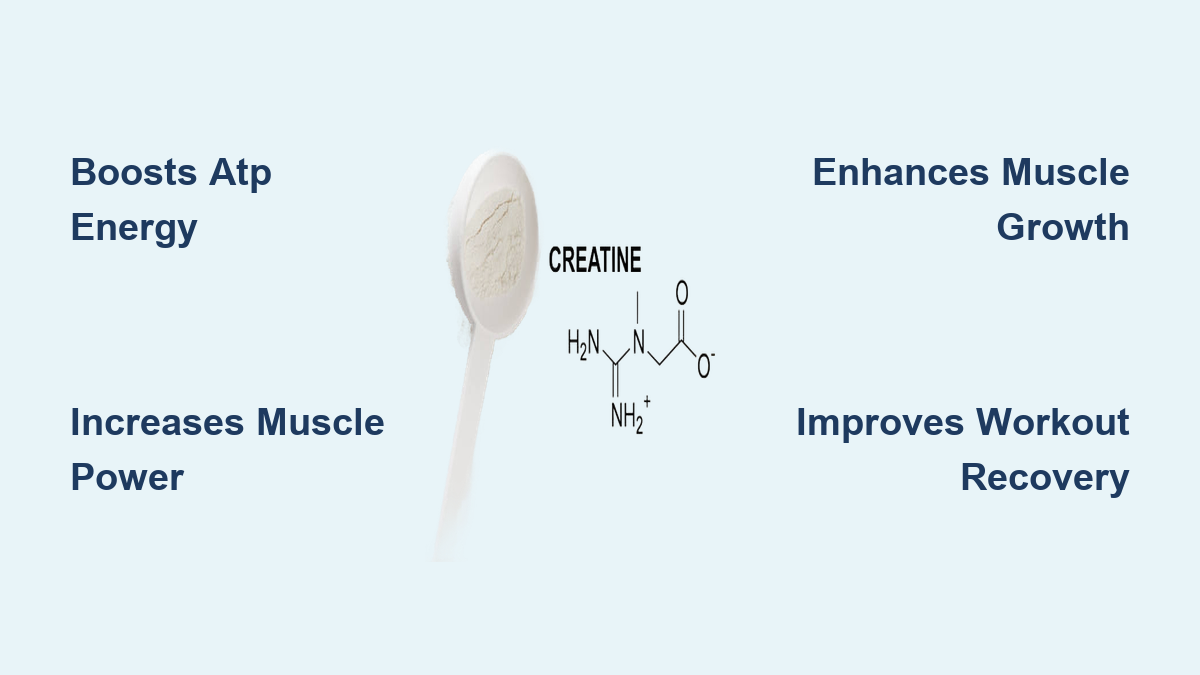

If your gym sessions feel like you’re hitting a wall after just a few intense sets, you’re not alone. Many athletes and fitness enthusiasts turn to creatine supplements to push past these plateaus, but few understand exactly how creatine supplements work to enhance performance. This natural compound isn’t magic—it’s biochemistry in action. By the time you finish this guide, you’ll know precisely how creatine transforms your energy systems, boosts muscle growth, and why it’s become the most researched supplement in sports nutrition. Whether you’re a weekend warrior or a competitive athlete, understanding these mechanisms helps you maximize benefits while setting realistic expectations.
Creatine works by supercharging your muscles’ energy production during high-intensity efforts—exactly when you need that extra rep or sprint. Your body already produces creatine naturally and gets some from dietary sources, but supplementation elevates these levels beyond what’s possible through diet alone. This boost translates directly to improved performance in activities requiring explosive power, from weightlifting to sprinting. The science is clear: when you take creatine properly alongside consistent training, you’ll experience measurable improvements in strength, power, and muscle development.
How Creatine Powers Your Muscles During High-Intensity Exercise

The moment you take a creatine supplement, it begins its journey to your muscle cells where it transforms into phosphocreatine—the key to rapid energy regeneration when you need it most. This process isn’t theoretical; it’s the biochemical reality behind why you can squeeze out that extra rep when your muscles are screaming to stop.
The Phosphocreatine Energy System in Action
During explosive movements like heavy squats or sprint intervals, your muscles burn through ATP (adenosine triphosphate)—the cellular energy currency—faster than your body can replenish it through normal metabolic pathways. This is where phosphocreatine saves the day. When ATP splits to release energy, it becomes ADP (adenosine diphosphate). Phosphocreatine instantly donates its phosphate group to ADP, reforming ATP in just seconds. This allows you to maintain peak power output for those critical extra moments that make the difference between completing a set or failing.
This energy system dominates during the first 10-30 seconds of maximal effort, which explains why creatine delivers the most dramatic benefits for activities like weightlifting, jumping, and short sprints rather than endurance events. Without sufficient phosphocreatine stores, your muscles would fatigue much faster during these high-intensity bursts. By increasing your muscle’s phosphocreatine reserves through supplementation, you effectively extend your capacity for explosive work before fatigue sets in.
Muscle Cell Changes That Support Growth
Beyond immediate energy production, creatine triggers cellular changes that support long-term muscle development. As creatine enters your muscle cells, it draws water along with it through osmosis, causing the cells to swell. This cell volumization creates what researchers call an “anabolic environment”—essentially signaling to your muscles that it’s time to grow. While some dismiss this water retention as mere “bloat,” it actually serves an important function in muscle protein synthesis.
Studies confirm that when you combine creatine supplementation with resistance training, you gain approximately 2-4 additional pounds of muscle mass over 4-12 weeks compared to training without creatine. This effect is most pronounced in adults aged 18-30 who maintain consistent training programs. The mechanism works through multiple pathways: the immediate energy boost allows you to train harder, while the cellular environment becomes more conducive to muscle growth. Essentially, creatine helps you break through plateaus by enabling greater training volume and intensity over time.
Your Body’s Natural Creatine Production and Dietary Sources
Understanding how creatine supplements work requires recognizing that your body already maintains a sophisticated creatine system—it just has limitations that supplementation can overcome.
How Your Organs Produce Creatine Daily
Your liver, kidneys, and pancreas work together to produce about 1-2 grams of creatine daily through enzymatic reactions involving the amino acids arginine, glycine, and methionine. This endogenous production supplies roughly half of your body’s creatine needs, with the rest coming from dietary sources. Once produced, approximately 95% of this creatine travels to your skeletal muscles, while smaller amounts support your heart, brain, and other tissues.
This natural production process operates continuously but has limits. Your body can only produce so much creatine at a time, and this production doesn’t increase to meet the demands of intense training. This is where supplementation becomes valuable—it provides additional creatine beyond what your body can naturally produce, effectively “topping off” your muscle stores to maximize performance.
Why Diet Alone Isn’t Enough for Optimal Performance
While red meat and fish provide dietary creatine (about 2 grams per typical serving of raw beef), cooking degrades some of this content, and most people don’t consume enough to significantly elevate muscle stores beyond natural levels. This explains why vegetarians and vegans typically have lower baseline creatine levels—they miss out on this dietary source entirely. For these individuals, creatine supplementation often produces more dramatic results because they start from a lower baseline.
Even meat-eaters benefit from supplementation because the amount of creatine obtained through diet alone rarely saturates muscle stores to the levels achievable through supplementation. Think of it like filling a gas tank—diet provides some fuel, but supplementation ensures you’re running on a full tank for maximum performance.
Creatine Monohydrate: The Proven Performance Enhancer
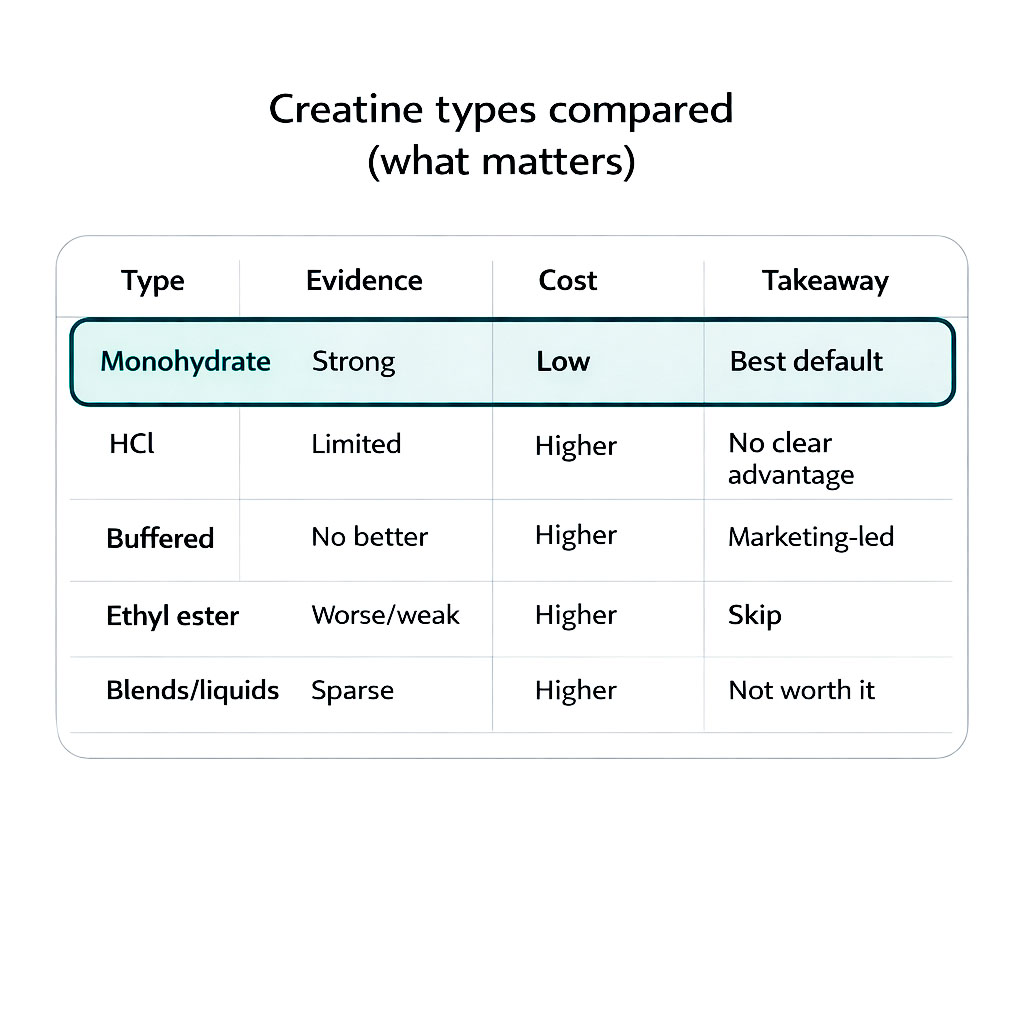
With countless creatine products on the market, understanding which form actually delivers results prevents wasted money and disappointment.
Why Monohydrate Outperforms Marketing Hype
Creatine monohydrate remains the gold standard because decades of research consistently demonstrate its effectiveness at increasing muscle performance during short-duration, high-intensity activities. Unlike the newer, more expensive variants (creatine ethyl ester, hydrochloride, nitrate), monohydrate has been studied extensively across diverse populations with proven results. Most comparative studies show alternative forms don’t deliver superior benefits—some even perform worse due to stability or absorption issues.
The reason monohydrate works so well is straightforward: it efficiently increases muscle phosphocreatine stores at a fraction of the cost of newer formulations. When manufacturers create creatine supplements, monohydrate remains the benchmark against which all others are measured. Third-party testing consistently verifies its purity and effectiveness, making it the smart choice for athletes seeking proven results without marketing markups.
Maximizing Performance Gains Through Proper Usage
Knowing how creatine supplements work is only half the battle—you need to use it correctly to experience the benefits.
Loading vs. Steady Supplementation Approaches
The traditional loading protocol (15-20 grams daily for 5-7 days followed by 3-5 grams for maintenance) rapidly saturates muscle stores, allowing you to experience benefits within days rather than weeks. However, research shows you can achieve similar saturation by taking 3-5 grams daily for 3-4 weeks without the potential digestive discomfort of higher loading doses.
For most users, skipping the loading phase makes sense—you’ll still reach maximum saturation with fewer side effects. Consistency matters more than precise timing; taking your daily dose at the same time each day ensures stable muscle creatine levels. Whether you take it pre-workout, post-workout, or with dinner makes minimal difference compared to maintaining that daily habit.
Safety Profile and Managing Potential Side Effects
Creatine’s safety record spans decades of research, but understanding potential effects helps you use it wisely.
Addressing Common Concerns Proactively
The most frequent side effect—water retention in muscle cells—actually contributes to performance benefits rather than representing a problem. This intracellular hydration creates the fuller muscle appearance many notice within days of starting supplementation. Weight gain typically ranges from 2-6 pounds, mostly from this water retention, not fat.
Digestive discomfort sometimes occurs with higher doses. If you experience this, split your daily dose into two 2.5-gram servings taken with meals. Starting with 3 grams daily for the first week before increasing to 5 grams also minimizes potential issues. These effects usually resolve within the first two weeks as your body adjusts.
Individuals with kidney conditions should consult healthcare providers before starting creatine, though research shows it’s safe for healthy kidneys. Pregnant or breastfeeding individuals should avoid creatine due to insufficient safety data. For most healthy adults, creatine remains one of the safest, most effective supplements available.
Maintaining Gains After Discontinuing Creatine

Understanding what happens when you stop taking creatine prevents unnecessary panic when you decide to cycle off.
The Gradual Decline of Muscle Creatine Stores
When you discontinue supplementation, muscle creatine levels gradually decline over 4-6 weeks as your body reverts to relying on endogenous production and dietary intake. Some users report temporary fatigue during this transition as their muscles adjust to lower phosphocreatine stores, but these effects are typically mild.
The good news? Muscle mass and strength gains achieved while supplementing remain intact with continued training. Your muscles retain the structural adaptations built during your training, independent of current creatine status. However, you won’t continue gaining at the same rate without supplementation’s performance-enhancing effects. Many athletes strategically cycle creatine—using it during intense training phases and discontinuing during maintenance periods—to maximize benefits while minimizing long-term costs.
Creatine supplements work by enhancing your muscles’ natural energy systems, allowing you to train harder and recover faster. The science is clear: when combined with consistent resistance training, creatine delivers measurable improvements in strength, power, and muscle development. By understanding these mechanisms—from phosphocreatine energy regeneration to cell volumization—you can optimize your supplementation strategy for maximum results. Start with 3-5 grams of creatine monohydrate daily, maintain consistency, and pair it with progressive overload in your training. Whether you’re breaking through plateaus or building foundational strength, creatine provides a scientifically backed edge that works with your body’s natural processes, not against them.