


You’ve seen the claims: supplements that boost immunity, enhance brain function, and fill nutritional gaps. Yet with nearly 85,000 dietary supplements on the market and minimal regulatory oversight, many consumers wonder—how effective are supplements actually? The truth isn’t simple. While certain supplements deliver proven benefits for specific health needs, many products lack scientific backing for their bold promises. Understanding which supplements genuinely improve health—and which simply drain your wallet—requires cutting through marketing hype to examine the actual evidence. This guide reveals exactly which supplements work based on current research, exposes hidden risks most consumers overlook, and provides practical strategies for determining whether supplementation makes sense for your unique health situation.
Which Supplements Actually Deliver Proven Health Benefits
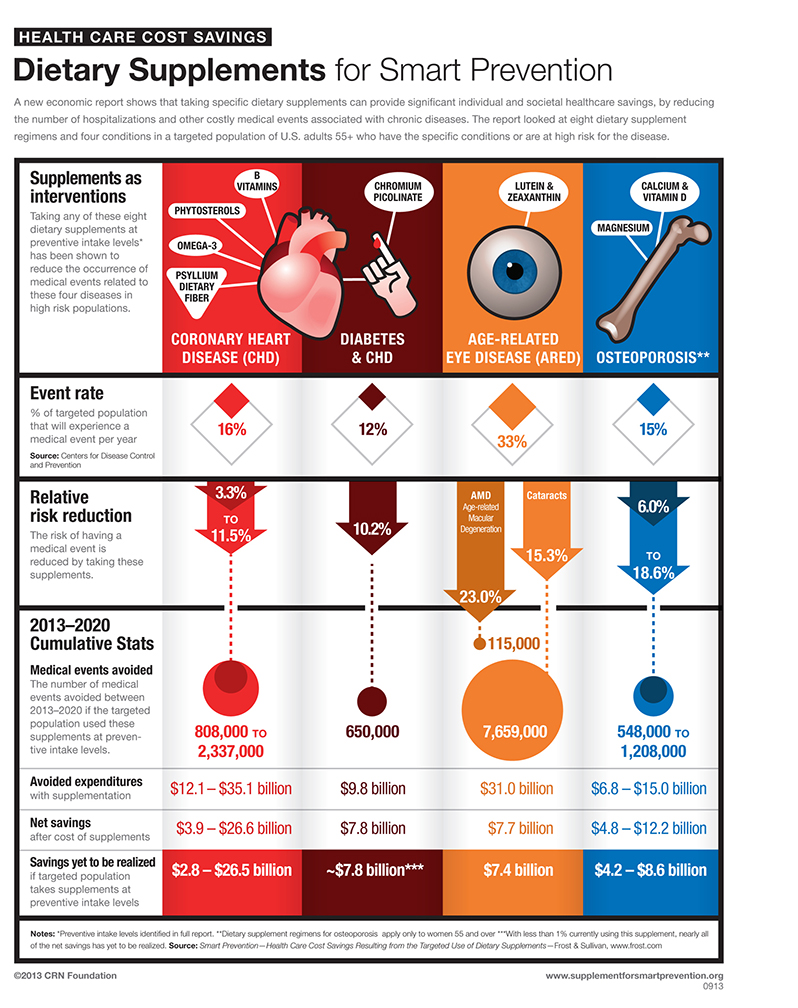
Research confirms that specific supplements provide meaningful health benefits when used appropriately for documented needs. Understanding which supplements have solid scientific backing helps consumers distinguish evidence-based options from products marketed primarily on clever advertising.
Why Vitamin D and Calcium Work for Bone Health
Clinical studies consistently demonstrate that vitamin D and calcium supplementation reduces fracture risk in older adults and individuals with inadequate dietary intake. These nutrients work together to maintain bone density, with research showing a 15-20% reduction in hip fractures among at-risk populations taking appropriate doses. Women past menopause and older men benefit most when blood tests confirm insufficient levels, making targeted supplementation far more effective than random supplementation.
How Folic Acid Prevents Birth Defects (Backed by Decades of Research)
Folic acid supplementation provides one of the most clearly established benefits among all dietary supplements. Taking 400-800 mcg daily before conception and during early pregnancy reduces neural tube defects by up to 70%. This evidence is so robust that many countries mandate folic acid fortification in grain products, and healthcare providers universally recommend prenatal vitamins containing folic acid for women of childbearing age.
When Vitamin B12 Supplementation Solves Deficiency Problems
Vitamin B12 supplements effectively address deficiency in vegetarians, vegans, and older adults whose stomach acid production (necessary for B12 absorption) decreases with age. Blood tests confirming deficiency should precede supplementation, as unnecessary B12 intake provides no additional benefit. Sublingual or injectable forms work best for those with absorption issues, delivering measurable improvements in energy levels and neurological function.
Omega-3s That Lower Triglycerides: The Fish Oil Evidence
Prescription-strength omega-3 fatty acid supplements (4 grams daily) effectively reduce trigicallyceride levels by 20-30% in people with hypertriglyceridemia. Over-the-counter fish oil supplements show more modest benefits, primarily helping those who don’t eat fatty fish regularly. For cardiovascular protection, research supports getting omega-3s from food sources first, with supplementation as a secondary option for specific medical conditions.
Why Most Supplement Claims Don’t Hold Up to Scientific Scrutiny
Despite marketing claims suggesting otherwise, many dietary supplements lack strong evidence supporting their effectiveness for the conditions they purport to address. The supplement industry operates under different rules than pharmaceutical companies, creating significant gaps between marketing claims and scientific reality.
How the FDA’s Hands-Off Approach Creates Marketing Loopholes
The United States Food and Drug Administration does not evaluate dietary supplements for effectiveness before they enter the marketplace. This fundamental difference from prescription medication oversight means manufacturers may sell products without demonstrating they work as advertised. Structure or function claims about “supporting heart health” or “boosting immunity” require no FDA review, creating misleading impressions about actual benefits.
Why “Supports Immune Health” Claims Are Often Meaningless
Products marketed for general wellness or immune support typically rely on consumer belief rather than demonstrated effectiveness. The absence of pre-market approval doesn’t automatically mean supplements are ineffective, but it does mean consumers cannot assume products on shelves have been proven to work. Whole foods provide complex combinations of nutrients that work synergistically in ways isolated supplement nutrients cannot replicate.
The Dangerous Gap Between Supplement Marketing and Reality
Dietary supplement sales reached $50 billion annually in the U.S., yet poison control data reveals approximately 70,000 supplement-related calls in 2019 alone. More than 7,000 cases required healthcare facility treatment, with over 800 resulting in moderate to severe outcomes. These figures likely underestimate actual incidents, as many adverse events go unreported, highlighting the disconnect between marketing promises and real-world safety.
Hidden Safety Risks That Make Supplements Less Effective Than You Think
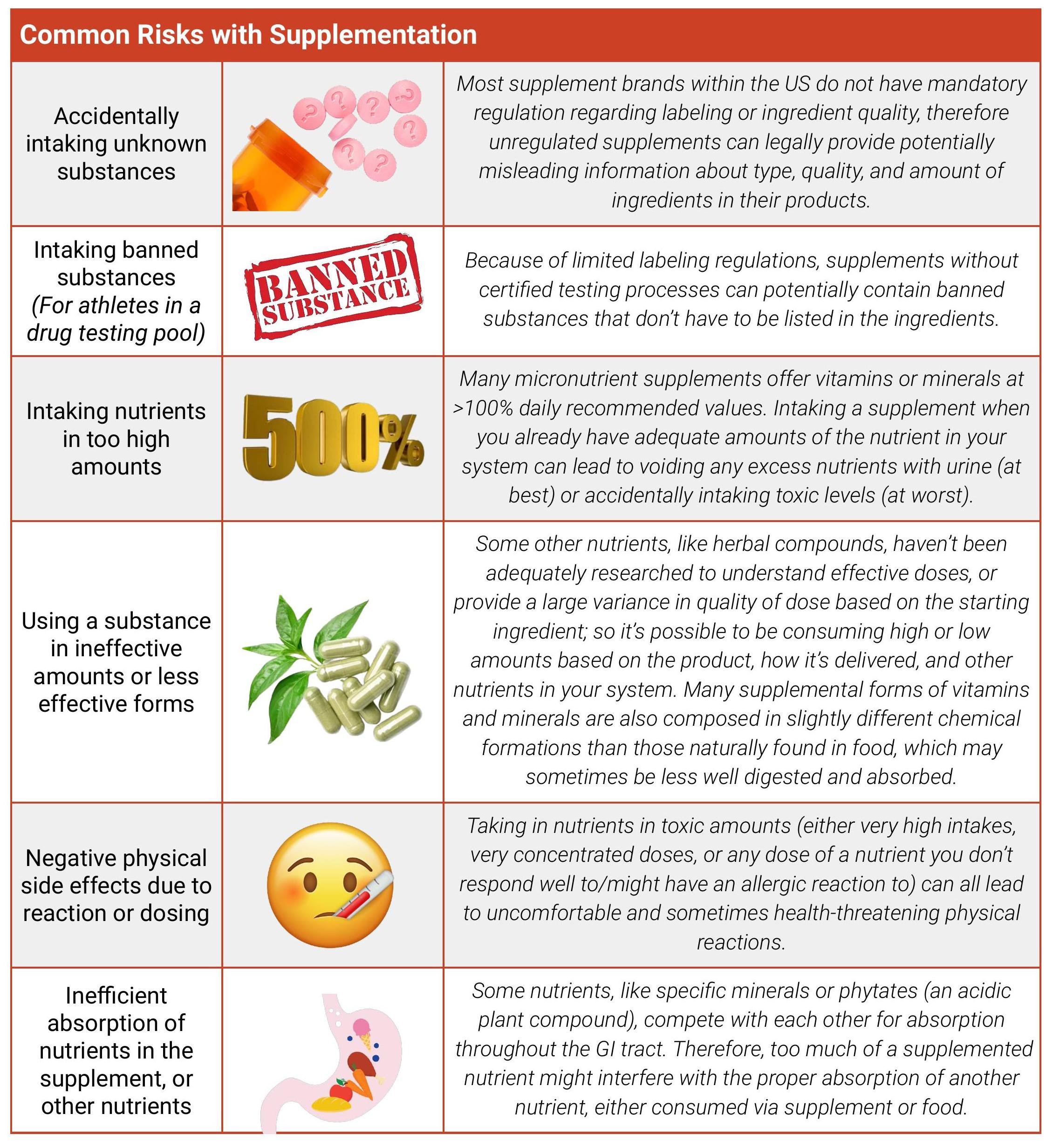
Many dietary supplements contain active ingredients capable of producing significant physiological effects, creating potential for adverse reactions that undermine their supposed benefits. Understanding these risks helps consumers make safer, more effective decisions.
How Vitamin A Toxicity Undermines Supplement Benefits
Vitamin A toxicity from excessive supplementation can cause headaches, liver damage, reduced bone strength, and birth defects. Unlike water-soluble vitamins that excess amounts excrete through urine, fat-soluble vitamins (A, D, E, K) accumulate in body tissues, creating serious toxicity risks with high-dose supplementation. This accumulation often negates any potential benefits while introducing significant health hazards.
Why Iron Overdose Causes More Harm Than Good
Iron supplements effectively treat iron-deficiency anemia when prescribed based on confirmed deficiency, but taking iron without documented need can cause nausea, vomiting, and organ damage. The body has limited ability to eliminate excess iron, making inappropriate supplementation potentially dangerous. Always confirm deficiency through blood tests before starting iron supplementation.
The Surgery Complications You Won’t Find on Supplement Labels
Dietary supplements can interfere with surgical procedures and anesthesia in ways that pose serious health risks. Some supplements increase bleeding risk, potentially complicating surgery and recovery. Others alter the body’s response to anesthesia unpredictably. Healthcare providers recommend discontinuing most supplements 7-10 days before surgery—a critical safety step many consumers overlook.
Dangerous Drug Interactions That Reduce Supplement Effectiveness
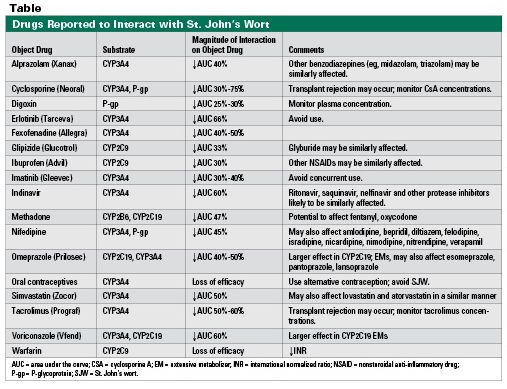
Dietary supplements can interact with prescription medications through multiple mechanisms, potentially reducing drug effectiveness or causing dangerous side effects that negate any potential supplement benefits.
How St. John’s Wort Sabotages Medication Effectiveness
This popular herbal supplement induces liver enzymes that break down drugs more quickly, reducing effectiveness of birth control pills, HIV medications, and transplant drugs. People taking any prescription medication should discuss potential interactions with healthcare providers before adding supplements, as these interactions can completely undermine both medication and supplement effectiveness.
Cancer Treatment Risks That Make Supplements Counterproductive
Some dietary supplements cause skin sensitivity during radiation therapy or interfere with chemotherapy drugs, affecting efficacy or increasing side effects. Many oncologists recommend avoiding supplements during active cancer treatment due to these risks. Individuals who choose supplements should discuss this decision with their cancer care team to avoid compromising treatment effectiveness.
What the Supplement Regulations Don’t Tell You (And Why It Matters)
Understanding how supplements are regulated helps consumers make informed decisions and avoid unrealistic expectations about product testing and safety verification.
How the DSHEA Law Created the Supplement Wild West
The Dietary Supplement Health and Education Act of 1994 established a regulatory framework where supplement companies don’t need FDA approval before selling products, provided they don’t claim to treat diseases. This means supplements reach consumers without the same evidence supporting safety or effectiveness required for pharmaceuticals, placing greater burden on consumers to evaluate product necessity.
Why “Natural” on Labels Doesn’t Mean FDA-Approved
Manufacturers may include health-related claims on supplement labels with the disclaimer: “This statement has not been evaluated by the Food and Drug Administration.” This requirement distinguishes supplement claims from substantiated pharmaceutical claims, but many consumers miss this critical distinction when evaluating how effective supplements might be.
Your Action Plan for Using Supplements That Actually Deliver Results
Smart supplement use requires targeted strategies that maximize potential benefits while minimizing risks and wasted money on ineffective products.
The 5 Questions to Ask Before Buying Any Supplement
Before purchasing any supplement, determine: 1) What specific health benefit might this provide for my documented needs? 2) What safety risks should I consider? 3) What’s the appropriate dose and timing? 4) How long should I take it? 5) What outcomes should I expect? Consulting reliable sources and healthcare providers before starting supplements ensures appropriate use based on your individual circumstances.
How to Track Supplements to Maximize Effectiveness Safely
Maintain a complete record of all dietary supplements using tools like the Office of Dietary Supplements’ “My Dietary Supplement and Medicine Record.” Share this record with all healthcare providers to coordinate care and reduce interaction risks. Blood tests can confirm many nutrient deficiencies, providing evidence-based justification for supplementation rather than guessing about nutritional needs.
Supplements work best when targeted to specific, documented needs rather than used as insurance against poor dietary choices. Certain supplements like vitamin D, calcium, folic acid, vitamin B12, and omega-3 fatty acids demonstrate established effectiveness for defined purposes. However, supplements cannot replace a nutritious diet, and their effectiveness varies enormously depending on individual circumstances, product quality, and appropriate use. Understanding both the genuine benefits supplements can provide and their limitations enables informed decisions that maximize health outcomes while minimizing risks.