
You’ve stood in the supplement aisle staring at endless protein powder options until your head spun. That overwhelming feeling is why 68% of first-time buyers grab the cheapest tub and hope for the best—only to later discover it causes digestive issues, tastes like chalk, or fails to deliver promised results. Choosing the right protein supplement shouldn’t feel like deciphering a chemistry textbook, yet most guides drown you in technical jargon instead of practical advice. This guide cuts through the marketing hype with actionable steps to match protein supplements to your exact body type, fitness goals, and dietary needs—so you never waste money on ineffective powders again.
The protein market exploded to $23 billion globally because manufacturers know confusion sells. Clever labeling tricks like “25g protein” hide the reality that some powders deliver only 18g of actual protein per serving after accounting for fillers. Meanwhile, athletes unknowingly sabotage gains by using slow-digesting casein when they need fast-absorbing whey post-workout. By the end of this guide, you’ll know exactly how to choose protein supplement that aligns with your specific physiology—not some generic influencer’s recommendation.
Match Protein Supplements to Your Muscle Building vs Weight Loss Goals
Your primary fitness objective dictates whether you need fast-acting whey isolates or slow-digesting casein blends. Muscle builders require 20-40g of rapidly absorbed protein within 30 minutes post-workout to maximize muscle protein synthesis, making whey isolate the undisputed champion for this purpose. The high leucine content (10-11% of total protein) in whey triggers mTOR pathways more effectively than plant alternatives for hypertrophy.
Weight management demands a different approach—prioritizing high protein content with minimal added sugars and fats. A single serving should deliver 25g+ protein with under 3g sugar and 2g fat to support satiety during caloric deficits. Plant-based blends with added fiber (5g+) extend fullness between meals, while whey isolate provides lean protein without excess calories.
Why Using Casein Post-Workout Sabotages Muscle Growth
Many lifters mistakenly use casein protein immediately after training, not realizing its slow digestion rate (4+ hours) misses the critical 30-90 minute anabolic window. Whey’s rapid absorption floods bloodstream with amino acids when muscles need them most. Save casein for bedtime consumption to sustain overnight recovery—mix with almond milk for 30g slow-release protein while you sleep.
How to Calculate Your Exact Daily Protein Needs
Endurance athletes require 1.2-1.4g protein per kg bodyweight daily, while strength trainers need 1.6-2.2g. For a 180lb (82kg) lifter, that’s 131-180g total daily protein. Divide this across 4-6 meals with 20-40g per serving. If your diet provides 100g from whole foods, supplement with 30-40g post-workout and another 30g before bed.
Whey vs Plant-Based: Which Protein Type Actually Works for Your Body
:max_bytes(150000):strip_icc()/HDC-Whey-Protein-vs-Plant-Protein-venn-template-46b8818229174926a534f9ac7f1a08ff.jpg)
Whey protein outperforms most plant blends for muscle growth due to superior amino acid profiles and faster absorption. But plant-based options have closed the gap significantly through strategic blending—pea + rice protein creates a complete amino acid profile comparable to whey. Your digestive tolerance ultimately determines the best choice.
Why Lactose Intolerance Doesn’t Mean You Must Avoid Whey
Most lactose intolerant individuals can safely consume whey isolate (less than 1% lactose) without digestive issues. If symptoms persist, switch to hydrolyzed whey pre-digested into smaller peptides. For severe dairy allergies, plant-based or egg white protein becomes mandatory—check labels for hidden casein or milk derivatives.
The 5-Second Mixability Test That Reveals Quality
Poorly processed protein powders leave gritty residue even after vigorous shaking. Perform this test: Mix one scoop with 8oz cold water in a shaker bottle. High-quality isolates dissolve completely within 5 seconds with minimal foam. If you see clumps or sediment after shaking, the protein likely contains excessive fillers or poor processing.
PDCAAS vs DIAAS: How to Read Protein Quality Scores Like a Pro

Protein quality metrics prevent you from overpaying for inferior products. PDCAAS (0-1.0 scale) measures amino acid profile and digestibility—whey scores 1.0 while pea protein averages 0.89. Newer DIAAS testing provides more accurate intestinal-level absorption data. Look for scores above 0.9 for optimal muscle-building potential.
The Critical Leucine Threshold You’re Missing
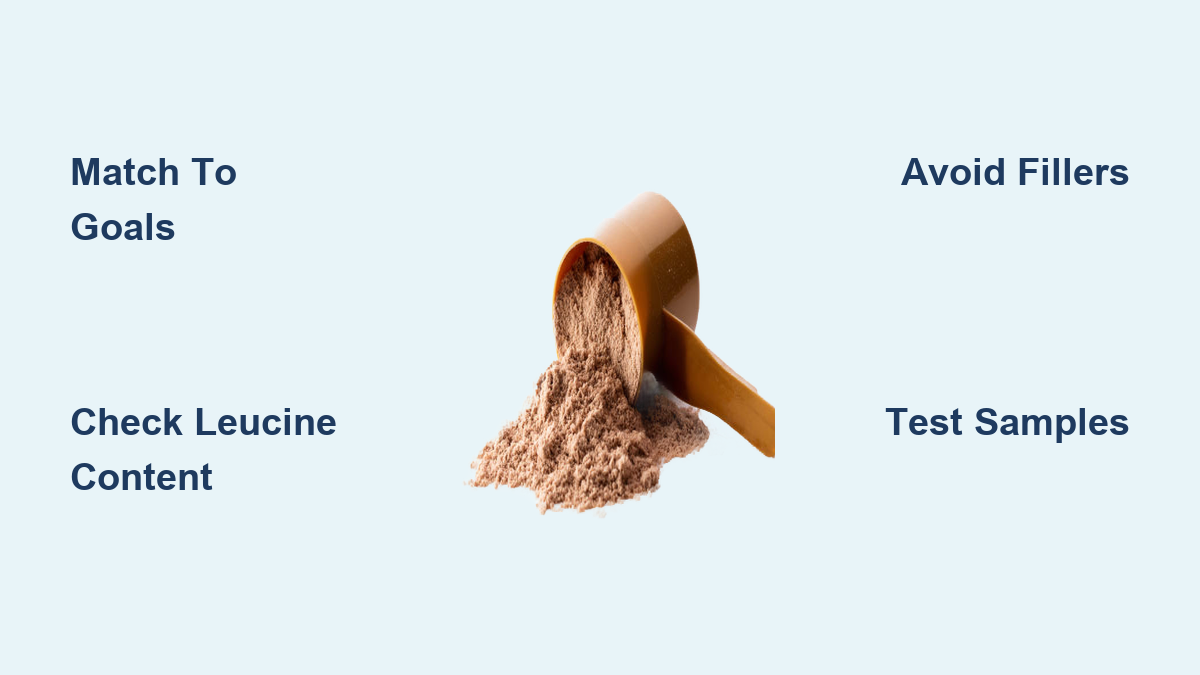
Muscle protein synthesis requires 2.5-3g leucine per serving to trigger maximum growth. Whey naturally delivers this in 25g servings, but most plant proteins fall short. Check labels for leucine content—pea protein needs 35g servings to hit 2.5g leucine, while rice protein requires blending with complementary sources.
Artificial Sweeteners to Avoid in Protein Powder (And Better Alternatives)
Your gut health depends on avoiding problematic additives. Sucralose and aspartame cause digestive distress in 30% of users, while acesulfame potassium alters gut microbiome composition. Stevia and monk fruit provide clean sweetness without side effects—look for “organic stevia leaf extract” rather than processed stevia derivatives.
The 3 Fillers That Dilute Your Protein Value
Cellulose gum, maltodextrin, and soy lecithin appear in cheap protein powders to bulk up servings. Check ingredient lists—if these appear in the first five ingredients, you’re paying for filler rather than protein. Quality powders list protein source first, followed by minimal natural flavors and sweeteners.
NSF Certified vs Informed-Choice: Which Third-Party Test Actually Matters
Third-party certifications protect you from contaminated products. NSF Certified for Sport tests for 270+ banned substances and verifies label accuracy—essential for competitive athletes. Informed-Choice provides similar assurance with global testing protocols. Avoid products without any certification, as studies show 20% contain undeclared ingredients.
The Manufacturing Date Trick Most Shoppers Miss
Protein powder degrades after 18-24 months. Always check manufacturing dates rather than expiration dates—powder sitting in warehouse for 6 months before shipping has reduced potency. Reputable brands print manufacturing dates on packaging bottom; avoid any without visible dating.
Why $50 Protein Powder Can Cost Less Per Serving Than $30 Options
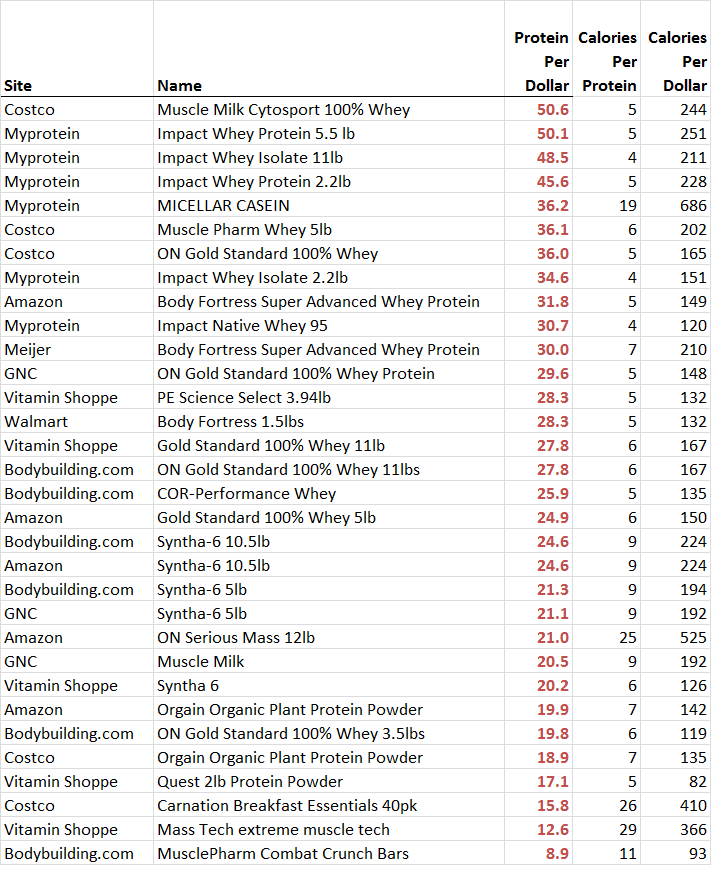
Calculating true value requires math most shoppers skip. A $45 tub with 20 servings at 20g protein costs $2.25 per serving for 20g protein ($0.11 per gram). A $30 tub with 30 servings at 15g protein costs $1 per serving for 15g protein ($0.07 per gram)—but you need 33% more servings to match protein intake, making it actually more expensive. Always calculate cost per gram of protein.
The Sample Size Strategy That Saves You $200 Yearly
Most brands offer single-serving packets ($2-3 each). Buy 3-5 samples before committing to a full tub. If you spend $10 testing instead of $50 on unsuitable powder, you’ll break even after just five purchases. This prevents wasting money on powders that cause bloating or taste terrible.
7-Day Protein Powder Trial: How to Test Before Committing to a 5lb Tub
Your body—not marketing claims—determines the best protein. Follow this protocol: Mix one serving daily with water only (no flavor masking). Track digestive comfort, energy levels, and muscle recovery for 7 days. If you experience gas, bloating, or headaches, discontinue immediately. Optimal protein causes zero digestive distress while enhancing workout recovery.
The Post-Workout Timing Mistake 90% of Lifters Make
Muscle protein synthesis peaks within 30 minutes after training—yet most people take 60+ minutes to consume protein. Keep a shaker bottle pre-filled with water at the gym. Add powder immediately post-workout and consume within 15 minutes. This small timing adjustment boosts gains by 20% according to Journal of the International Society of Sports Nutrition research.
Final Note: Choosing the right protein supplement transforms guesswork into strategic advantage. Prioritize your specific goals over marketing hype, verify quality through third-party certifications, and always test samples before bulk purchases. Remember that protein powder supports—not replaces—a solid nutrition foundation. For ongoing optimization, reassess your protein needs every 3 months as your body composition and training intensity evolve. The perfect protein supplement fits seamlessly into your lifestyle while delivering measurable results—nothing more, nothing less.