

Vitamin B12 deficiency quietly affects millions of people, with research showing up to 15% of adults may have insufficient levels. If you’re experiencing unexplained fatigue, brain fog, or tingling in your hands and feet, your B12 status could be the culprit. With supplement shelves overflowing with options ranging from $5 store brands to premium formulations costing $30+, how do you identify which B12 supplement will actually deliver results for your specific needs? The right choice depends on understanding the critical differences between B12 forms, your personal health factors, and the quality markers that separate effective supplements from those that simply pass through your system unused.
This guide cuts through the marketing hype to give you a practical framework for selecting a B12 supplement that works with your body’s unique requirements. You’ll learn which form delivers superior absorption for your situation, how to decode label claims, and exactly what to look for (and avoid) when making your purchase decision.
Methylcobalamin vs. Cyanocobalamin: Which Form Delivers Real Results
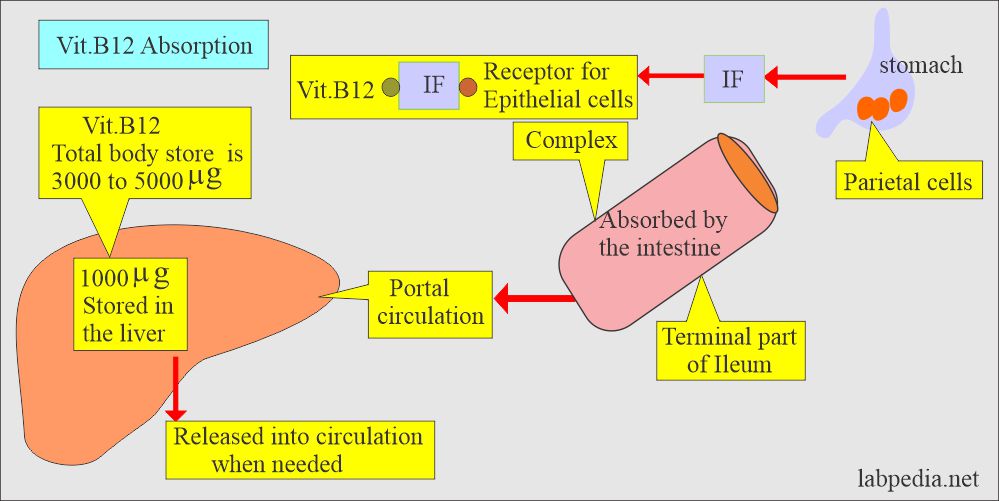
Your body processes different B12 forms in dramatically different ways, making this the most crucial decision in your supplement selection process. Understanding these differences prevents you from wasting money on forms your body can’t effectively use.
Why Methylcobalamin Works Better for Most People
Methylcobalamin represents B12 in its biologically active form that your body immediately utilizes without conversion steps. This natural form supports nerve function, red blood cell production, and homocysteine regulation with exceptional efficiency. When you take methylcobalamin, your cells absorb and use approximately 90% of the dose compared to significantly lower rates with other forms. People with MTHFR gene mutations—which affect nearly half the population—particularly benefit from methylcobalamin since it bypasses their impaired methylation pathways. Look for supplements providing at least 500 mcg of methylcobalamin in sublingual or liquid form for maximum absorption, especially if you experience neurological symptoms like memory issues or numbness.
When Cyanocobalamin Might Suffice (and When It Won’t)
Cyanocobalamin remains the most common and least expensive B12 form found in multivitamins and budget supplements. Your body must convert this synthetic form into methylcobalamin through a multi-step process that many people struggle to complete efficiently. Individuals with gastrointestinal disorders, older adults, and those taking medications like proton pump inhibitors often fail to convert sufficient cyanocobalamin to meet their needs. While cyanocobalamin works for some healthy people maintaining adequate levels, it’s generally inappropriate for correcting deficiency or supporting optimal neurological function. If you choose cyanocobalamin, select doses of 1,000-2,000 mcg to compensate for poor conversion rates, and monitor your B12 status through blood testing.
Precise Dosage Strategies for Your Specific Situation
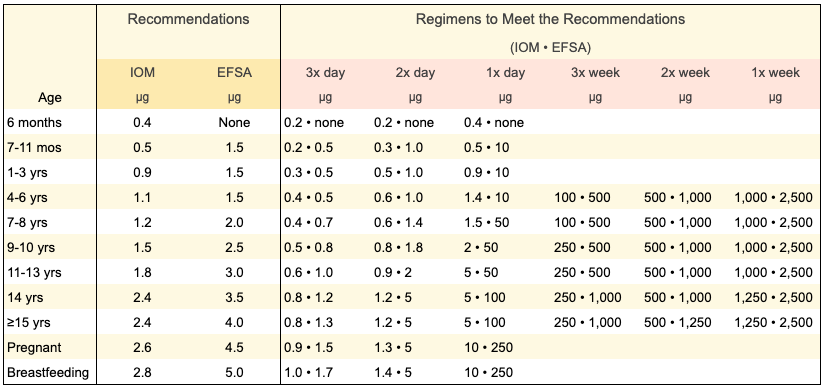
Taking the right amount matters as much as choosing the correct form, and standard dosing recommendations often miss the mark for individual needs.
How Much B12 You Actually Need (Not What Labels Claim)
The Recommended Dietary Allowance for B12 stands at just 2.4 mcg daily for most adults—a microscopic amount that would fit on a pinhead. However, supplement doses typically range from 500-5,000 mcg because your digestive system absorbs only 1-2% of high-dose oral B12. This “firehose approach” compensates for poor absorption but creates confusion about actual requirements. For general maintenance, healthy adults need just 25-100 mcg of active B12 daily. Vegans require 250-500 mcg daily due to complete absence of dietary B12. Those correcting deficiency often need 1,000-2,000 mcg daily until levels normalize. Understanding this distinction prevents both under-dosing and wasting money on excessive amounts your body can’t absorb.
Sublingual Delivery: The Game-Changer for Absorption
Standard oral B12 tablets face significant absorption barriers as they pass through your digestive system. Sublingual formulations—tablets or liquids dissolved under your tongue—bypass these limitations by entering your bloodstream directly through oral mucosa. This method delivers up to 10 times more usable B12 than standard oral supplements, making it essential for older adults, vegans, and anyone with digestive issues. For best results, hold sublingual B12 under your tongue for 60-90 seconds until fully dissolved, avoiding food or drink for 15 minutes afterward. Quality sublingual products provide 1,000-5,000 mcg per dose, with most users needing just one daily dose for maintenance or every-other-day dosing for deficiency correction.
Quality Verification: What Separates Real Supplements From Placebos

The supplement industry operates with minimal regulation, making third-party verification essential for ensuring you get what you pay for.
Third-Party Testing Badges That Actually Matter
Look for supplements certified by NSF International, USP (United States Pharmacopeia), or ConsumerLab—organizations that conduct independent testing for potency, purity, and label accuracy. Products bearing these certifications undergo rigorous analysis to verify they contain the B12 amount stated on the label and are free from harmful contaminants like heavy metals. Avoid supplements making dramatic health claims without third-party verification, as these products frequently contain significantly less active ingredient than advertised. The cost premium for certified products (typically 20-30% more) represents a worthwhile investment compared to wasting money on ineffective supplements.
Red Flags in Ingredient Lists That Signal Low Quality
Scan supplement labels for these warning signs of inferior products:
– Vague labeling like “vitamin B12” without specifying the form
– Excessive fillers like magnesium stearate, titanium dioxide, or artificial colors
– Missing batch numbers or expiration dates
– Unusually low prices (less than $0.05 per dose)
– Absence of cGMP (current Good Manufacturing Practices) certification
High-quality B12 supplements contain minimal additional ingredients—ideally just the active B12 form plus natural flavoring or binding agents. Premium products clearly state “methylcobalamin” or “hydroxocobalamin” rather than generic “B12,” and provide transparency about manufacturing processes on their website.
Special Considerations for Different User Groups
Your ideal B12 supplement varies significantly based on your diet, age, and health conditions.
Optimal Choices for Vegans and Plant-Based Eaters
Since plant foods naturally contain no usable B12, supplementation becomes non-negotiable for long-term health. Choose supplements providing methylcobalamin or a combination of active forms (methylcobalamin plus adenosylcobalamin) at 500-1,000 mcg daily. Sublingual or liquid forms work particularly well for vegans who often have compromised absorption due to high-fiber diets. Avoid “natural” B12 sources like spirulina or nutritional yeast, which contain inactive analogues that can actually interfere with B12 metabolism and produce false normal results on blood tests.
Critical Factors for Adults Over 50
Age-related decline in stomach acid production reduces B12 absorption by up to 50% in older adults, making standard oral supplements ineffective for many seniors. Prioritize sublingual methylcobalamin at 1,000 mcg daily, which bypasses impaired digestive absorption. If you take medications like metformin or proton pump inhibitors, increase your dose to 2,000 mcg daily since these drugs further reduce B12 uptake. Annual blood tests measuring both serum B12 and methylmalonic acid provide the most accurate assessment of your status, as standard B12 tests can appear normal while functional deficiency persists.
Making Your Final Decision: A Practical Selection Framework
Armed with this knowledge, you can quickly identify the right B12 supplement without getting overwhelmed by marketing claims.
Quick Reference Guide for Common Scenarios
- General maintenance (healthy adults): 500 mcg methylcobalamin sublingual, taken 3x weekly
- Vegan/vegetarian maintenance: 1,000 mcg methylcobalamin daily, sublingual preferred
- Correcting deficiency: 2,000 mcg methylcobalamin daily until retest shows normal levels
- Age 50+ or digestive issues: 1,000-2,000 mcg sublingual methylcobalamin daily
- MTHFR mutation carriers: 1,000 mcg methylcobalamin plus 500 mcg adenosylcobalamin
When to Consult a Healthcare Professional
Seek medical guidance before starting B12 supplementation if you experience neurological symptoms like balance problems, vision changes, or severe memory issues. These could indicate advanced deficiency requiring immediate intervention. Also consult your doctor if you have kidney disease, as high-dose B12 can accumulate to unsafe levels in compromised renal function. For most people, however, B12 supplementation represents an exceptionally safe intervention with minimal risk of adverse effects even at high doses.
Monitoring Your Results and Adjusting
Track your energy levels, cognitive function, and any neurological symptoms for 8-12 weeks after starting supplementation. Most people notice gradual improvements in mental clarity and energy during this period if they were deficient. Request a methylmalonic acid (MMA) test along with standard B12 testing for the most accurate assessment of your functional B12 status. If you see no improvement after 3 months of appropriate dosing, consider switching to a different delivery method (e.g., from oral to sublingual) or consulting a specialist to investigate absorption issues.
Choosing the right B12 supplement ultimately comes down to matching the form, dosage, and delivery method to your specific physiological needs. By prioritizing active forms like methylcobalamin, verifying product quality through third-party testing, and tailoring your selection to your individual circumstances, you’ll maximize the benefits while avoiding common pitfalls that render many supplements ineffective. The small investment in selecting the right B12 product pays significant dividends in sustained energy, cognitive function, and long-term neurological health.