
Iron deficiency affects millions of people worldwide, causing debilitating fatigue, weakness, and reduced quality of life. When your body lacks sufficient iron, it struggles to produce hemoglobin—the critical protein that carries oxygen throughout your bloodstream. This oxygen transport failure leads to iron-deficiency anemia, a condition that can significantly impact your daily functioning. Learning how to increase iron levels quickly with supplements provides the most effective solution for restoring your energy and overall health. The good news is that iron deficiency responds remarkably well to proper supplementation when implemented correctly. Whether you’ve recently received a diagnosis or suspect you might be deficient, understanding the precise techniques for supplement selection, administration, and absorption optimization can dramatically accelerate your recovery timeline—sometimes showing improvement in as little as one week.
Spot Iron Deficiency Before It Worsens
Identifying iron deficiency early allows you to begin supplementation before anemia develops or becomes severe, preventing months of unnecessary fatigue and health complications.
Physical Warning Signs You Can’t Ignore
Persistent fatigue that doesn’t improve with adequate rest represents the most common symptom of iron deficiency. This isn’t ordinary tiredness—it’s the kind that makes climbing stairs feel like scaling a mountain and requires multiple cups of coffee just to get through basic tasks. You might notice your skin appearing unusually pale, especially when checking the inside of your lower eyelids or the nail beds. Other telltale signs include brittle nails that chip or break easily, unexplained hair loss during showering or brushing, and unusual cravings for non-food substances like ice or dirt—a condition called pica.
Women of childbearing age face significantly higher risk due to menstrual blood loss, particularly if periods are heavy (soaking through a pad or tampon every hour for several hours). Vegetarians, vegans, endurance athletes, and individuals with gastrointestinal disorders like celiac disease or Crohn’s disease also need to remain vigilant about their iron status.
Why Supplements Outperform Dietary Changes Alone

While iron-rich foods form the foundation of long-term iron maintenance, supplements deliver the concentrated dose needed for rapid correction of deficiency.
The Science Behind Supplement Effectiveness
Food-based iron absorption is limited by multiple factors—most iron-rich plant foods contain non-heme iron that your body absorbs at only 2-20% efficiency. Even a spinach salad packed with iron provides just 2-3 milligrams of absorbable iron. In contrast, a single ferrous sulfate 325mg tablet delivers 65mg of elemental iron—enough to potentially increase your iron levels three times faster than dietary changes alone. This concentrated delivery bypasses the absorption limitations of food sources, allowing your body to rapidly replenish depleted stores.
How Your Body Prioritizes Supplemental Iron
When you’re deficient, your body automatically increases iron absorption from supplements—a clever biological adaptation that makes supplementation particularly effective during deficiency states. While healthy individuals absorb only 10-15% of dietary iron, those with deficiency can absorb up to 35% of supplemental iron. This means the very people who need iron most actually utilize supplements more efficiently, creating a powerful feedback loop for rapid recovery.
Select Your Iron Supplement Strategically

Choosing the right supplement type and formulation significantly impacts how quickly you’ll see results and whether you can tolerate the treatment long enough to complete it.
Ferrous Sulfate: The Gold Standard for Speed
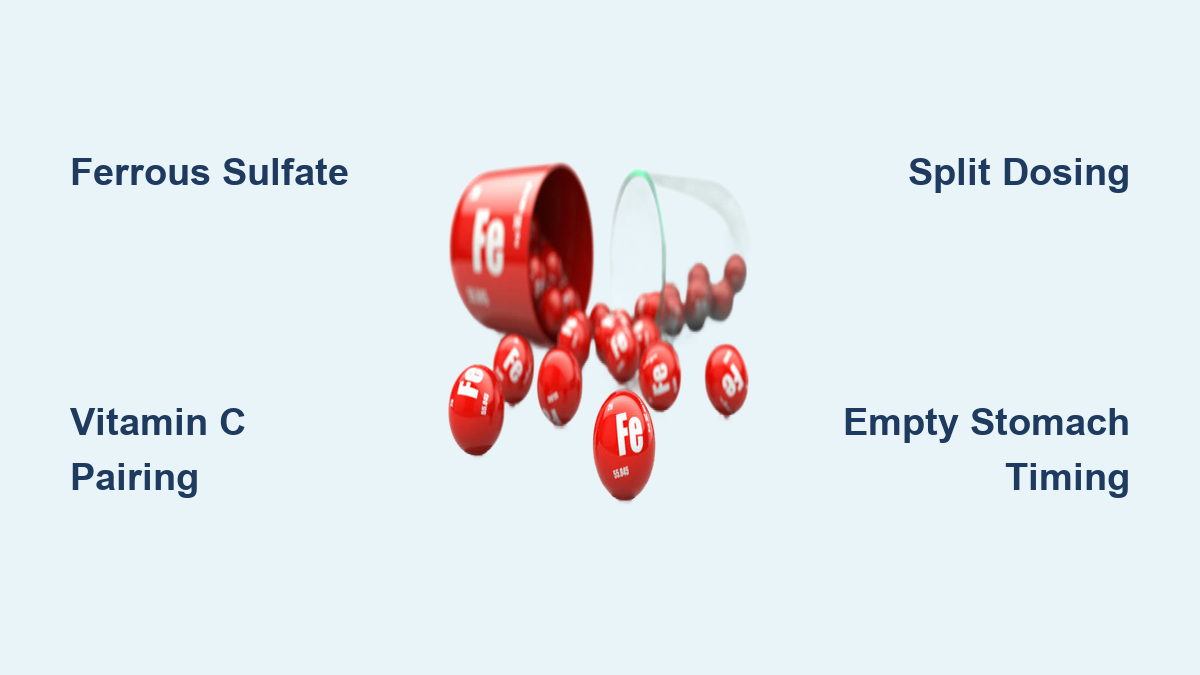
Ferrous sulfate 325mg tablets provide the highest concentration of elemental iron (65mg per tablet) among common supplements, making them the fastest route to iron level restoration. For maximum absorption, look for enteric-coated tablets if you have a sensitive stomach, or ask your doctor about ferrous bisglycinate—a gentler form that still delivers substantial iron without the digestive upset. Avoid “slow-release” formulations if your goal is speed, as they deliver iron too gradually to rapidly correct deficiency.
Liquid Iron: Precision Dosing for Sensitive Systems
If stomach sensitivity threatens your ability to stick with treatment, liquid iron supplements offer significant advantages. They allow you to start with micro-doses (as little as 5-10mg elemental iron) and gradually increase as your system adapts. Liquid forms like Floradix contain organic iron bound to herbs that may improve tolerance. When using liquid iron, always take it through a straw to prevent tooth staining and follow with a thorough water rinse.
Master Supplement Administration for Maximum Absorption
How you take your iron supplement matters as much as which supplement you choose—improper administration can cut absorption by 50% or more.
The Perfect Timing Strategy
Take your iron supplement one hour before breakfast with a full glass of water for optimal empty-stomach absorption. If this causes discomfort, try taking it 30 minutes before lunch instead—stomach acid production peaks at midday, enhancing absorption. Crucially, wait two hours after your iron dose before consuming coffee, tea, dairy, calcium supplements, or high-fiber foods, as these can bind to iron and prevent absorption. For those taking multiple medications, schedule iron at least two hours apart from antacids, thyroid medications, or antibiotics.
The Split-Dosing Secret
Instead of taking your entire daily dose at once (typically 65-100mg elemental iron), divide it into two smaller doses taken 8-12 hours apart. Your gut can only absorb about 20-30mg of iron at a time—any more gets wasted. Splitting a 65mg dose into two 32.5mg doses increases total daily absorption by up to 40%, accelerating your recovery timeline significantly.
Triple Your Iron Absorption with These Tactics

Simple, science-backed strategies can dramatically increase how much iron your body actually utilizes from each supplement dose.
Vitamin C Power Pairing
Take your iron supplement with 250-500mg of vitamin C—either as a supplement or through food sources like orange juice, strawberries, or bell peppers. Vitamin C converts iron into a more absorbable form, potentially tripling your absorption rate. For best results, consume the vitamin C source within 30 minutes of your iron dose. One practical approach: take your iron with a small glass of freshly squeezed orange juice (not from concentrate) for maximum benefit.
Strategic Food Combining
If taking iron on an empty stomach causes discomfort, pair it with vitamin C-rich foods rather than avoiding food entirely. Try taking your supplement with ½ cup of tomato juice or ½ cup of steamed broccoli—both provide ample vitamin C without the absorption inhibitors found in dairy or whole grains. Avoid common mistakes like taking iron with yogurt or cereal, which contain compounds that block up to 50% of iron absorption.
Conquer Supplement Side Effects Without Sacrificing Results
Digestive discomfort causes many people to abandon supplementation prematurely—don’t let this happen to you.
The Gradual Build-Up Method
Start with half the recommended dose for the first 3-5 days, then gradually increase to the full dose. This allows your digestive system to adapt while still providing therapeutic benefits. For example, if prescribed 65mg ferrous sulfate, begin with 32.5mg daily for three days, then increase to 32.5mg twice daily. Most side effects like nausea and constipation diminish within 1-2 weeks as your body adjusts.
Immediate Constipation Relief
Combat iron-induced constipation by drinking 2 extra glasses of water daily and adding 1 tablespoon of ground flaxseed to your morning routine. If needed, take a magnesium citrate supplement (200-400mg) at bedtime—this gentle osmotic laxative works synergistically with iron without interfering with absorption. Never skip doses to avoid constipation, as inconsistent supplementation prolongs your deficiency.
Monitor Your Progress Like a Pro
Tracking your improvement ensures you’re on the right path and helps determine when you’ve fully recovered.
What to Expect Week-by-Week
- Week 1-2: You may experience some side effects but minimal symptom improvement
- Week 3-4: Noticeable energy increase as hemoglobin production accelerates
- Week 5-8: Significant reduction in fatigue, improved exercise tolerance
- Week 9-24: Complete replenishment of iron stores (ferritin levels)
Don’t mistake early symptom improvement for complete recovery—continue supplementation for 6 months total even after you feel better to fully restore depleted iron stores. Premature discontinuation causes 70% of people to relapse within 3 months.
Prevent Future Deficiency with Smart Maintenance
Once your levels normalize, implement these strategies to avoid repeating the cycle of deficiency.
Iron-Boosting Meal Planning
Create a weekly meal plan featuring two iron-rich meals daily, combining heme iron sources (lean beef, chicken liver, oysters) with non-heme plant sources (lentils, spinach, fortified cereals). Always pair plant-based iron with vitamin C—try black beans with salsa, spinach salad with strawberries, or tofu stir-fry with bell peppers. This combination strategy maintains optimal iron levels without supplementation for most people after initial deficiency correction.
Strategic Blood Monitoring
Schedule annual blood tests even after recovery, especially if you’re in a high-risk group. Request both hemoglobin and ferritin tests—ferritin (measuring stored iron) should remain above 50 ng/mL to prevent recurrence. Women with heavy periods should consider testing every 6 months. Catching declining levels early allows dietary intervention before full deficiency develops.
Increasing iron levels quickly with supplements requires strategic implementation of the right product, precise dosing, and absorption optimization techniques. By selecting ferrous sulfate as your primary supplement, timing doses for maximum empty-stomach absorption, pairing with vitamin C, and managing side effects through gradual dosing, you can expect noticeable energy improvements within 2-4 weeks. Remember that consistent supplementation for the full recommended duration—typically six months—is non-negotiable for complete recovery, even after symptoms resolve. Work closely with your healthcare provider to determine your ideal dosage based on blood tests, and never self-treat without professional guidance, as excessive iron can be dangerous. With this targeted approach to supplementation, you’ll transform from chronically fatigued to fully energized, reclaiming the vitality that iron deficiency stole from you.