
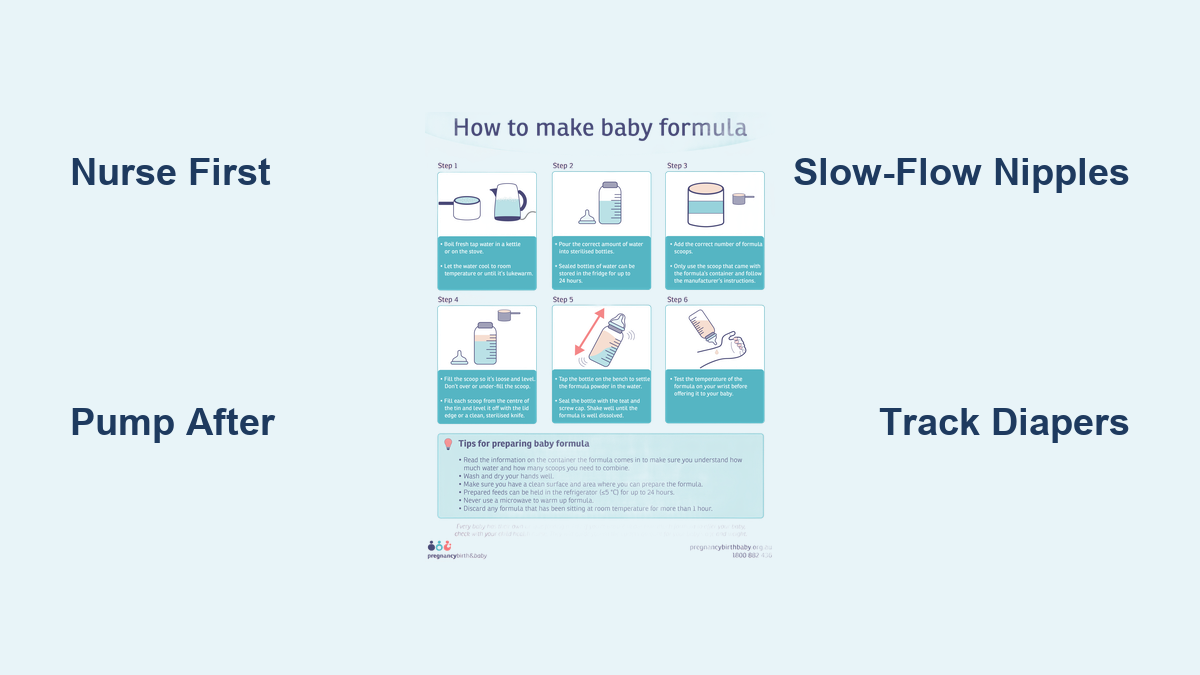

Many new parents face the challenging decision of whether and how to add formula to their breastfeeding journey. Whether you’re returning to work, struggling with milk supply, or simply need more flexibility, supplementing doesn’t mean you’ve failed—it means you’re finding a sustainable approach to feeding your baby. Understanding how to supplement formula while breastfeeding effectively can help you maintain your milk production while ensuring your little one gets the nutrition they need.
This guide walks you through everything from recognizing when supplementation might be necessary to practical strategies for introducing formula without sabotaging your milk supply. With the right approach, many parents successfully combine breastfeeding and formula feeding for months or even throughout their baby’s first year.
Why Your Baby Might Need Formula Supplements During Breastfeeding

Knowing when to consider supplementation starts with understanding your baby’s feeding cues and growth patterns. Breastfeeding experts generally agree that supplementation becomes worth exploring when specific indicators suggest your baby isn’t getting enough nutrition solely from breast milk.
Weight gain concerns represent the most common reason parents consider supplementation. If your baby isn’t gaining weight at the expected rate—typically about 5.5 to 8.5 ounces per week during the first few months—your pediatrician may recommend adding formula. Slow weight gain doesn’t always indicate low supply; sometimes transfer issues or underlying health factors are involved. Regular weigh-ins with your pediatrician help track whether your baby is thriving.
Insufficient wet and dirty diapers offer another window into feeding adequacy. After the first week, babies typically have at least six wet diapers daily and at least three bowel movements. Fewer wet diapers might suggest dehydration or insufficient intake. Watch for signs like dark urine, infrequent stools, or a sunken fontanelle, which warrant immediate pediatric attention.
How to Confirm Your Baby Needs Supplements
Before introducing formula, rule out common breastfeeding challenges that mimic low supply. Many parents mistakenly supplement when simple positioning adjustments or latch corrections would solve the issue. Consult a lactation consultant to assess:
- Your baby’s latch effectiveness
- Nursing frequency and duration
- Signs of proper milk transfer
- Any physical barriers like tongue tie
When Parents Choose Formula Supplementation While Nursing
Understanding your “why” helps you approach supplementation with confidence and a clear plan. Various legitimate reasons lead parents to combine breastfeeding and formula feeding, and none diminish your commitment to giving your baby the best start.
Return to work or school creates practical feeding challenges that many parents navigate through strategic supplementation. Pumping at work helps maintain supply, but many parents find they can’t pump enough to meet their baby’s needs, especially as babies consume more at each feeding. Supplementing during work hours while continuing to nurse during non-work hours allows many parents to maintain the breastfeeding relationship while meeting practical demands.
Medical considerations sometimes necessitate supplementation. Maternal medications incompatible with breastfeeding, certain maternal health conditions, or baby-related issues like tongue tie or jaundice may require temporary or permanent formula supplementation. Your healthcare provider can help you navigate these situations while preserving as much breastfeeding as possible.
How to Explain Your Decision to Family and Friends
Many parents face judgment when choosing to supplement. Prepare a simple explanation that focuses on your baby’s health: “We’re using a combination approach that works best for our family right now.” You don’t owe anyone detailed explanations about your feeding choices.
Best Timing Strategies for Formula Supplements
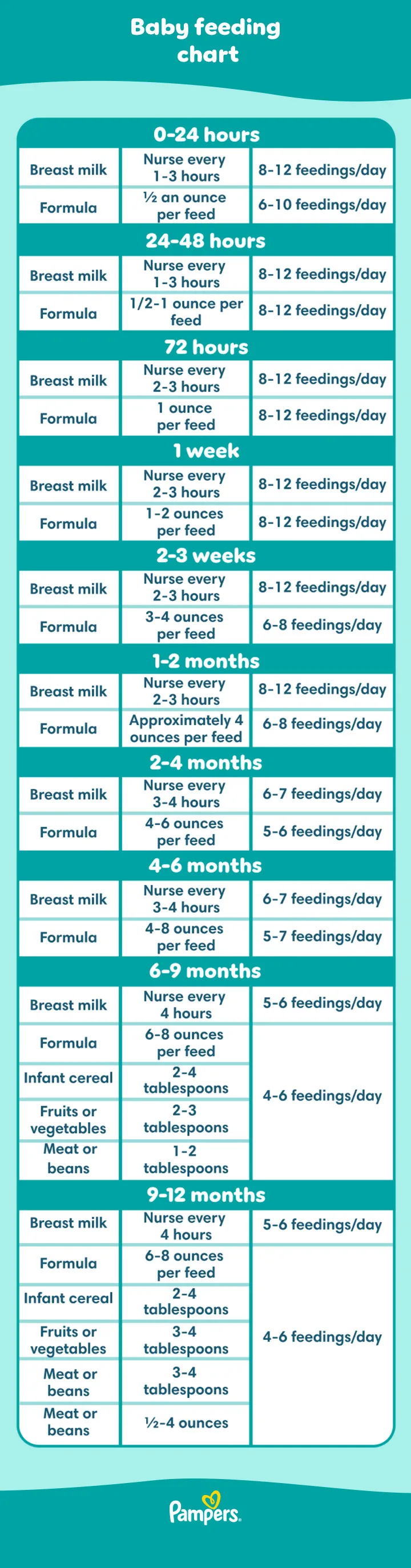
When and how you introduce supplements significantly impacts both your milk supply and your baby’s acceptance. Strategic timing helps maintain breastfeeding success while meeting nutritional needs.
Nurse first before offering formula, especially in the early weeks. Allow your baby to empty both breasts first, which maximizes breast milk intake and stimulates supply. After nursing, offer a small amount of formula if your baby still seems hungry. This approach ensures breast milk remains the primary nutrition source and keeps your supply strong.
Schedule supplements during predictable feedings rather than randomly. Many parents find success with formula during one or two daily feedings—often the evening feeding when supply naturally dips or during work separations. Keeping supplements predictable helps your body adjust and makes feeding routines smoother for everyone involved.
How to Adjust Timing for Growth Spurts
During growth spurts (typically 2-3 weeks, 6 weeks, and 3 months), babies often feed more frequently. Resist the urge to supplement unnecessarily during these temporary phases. Instead, nurse more often to boost your supply naturally.
Bottle Feeding Techniques That Preserve Breastfeeding
Choosing how to deliver supplements affects both convenience and breastfeeding success. Different methods suit different situations, and many parents use multiple approaches over time.
Master paced bottle feeding to prevent flow preference. Hold the bottle horizontally, allowing your baby to control the flow by pausing frequently. This technique mimics breastfeeding’s natural rhythm and prevents babies from developing a preference for the faster, easier bottle flow.
Start with slow-flow nipples designed for newborns. These require more effort from your baby, similar to nursing. As your baby grows, you can transition to faster-flow nipples if needed, but beginning with slow flow preserves breastfeeding skills.
How to Teach Your Baby Bottle Acceptance
Some breastfed babies initially refuse bottles. Try these techniques:
- Have someone other than mom offer the first bottles
- Feed in a different location than usual nursing spots
- Use expressed breast milk in the bottle first before introducing formula
- Experiment with bottle temperatures (some prefer room temperature over warm)
Protecting Your Milk Supply While Adding Formula
Maintaining milk production while supplementing requires intentional strategies. Without proper management, supplementation can inadvertently reduce supply, creating a cycle that leads to increased supplementation.
Pump after nursing sessions when supplementing significantly. If your baby receives formula instead of nursing during certain feeds, pumping maintains stimulation during those times. Pump for 10-15 minutes or until milk flow stops, mimicking what your baby would have consumed. This tells your body to maintain production even during supplemented feeds.
Offer both breasts at each session and switch nursing positions to maximize drainage. Well-drained breasts produce milk faster and in greater quantities. If your baby doesn’t finish the second breast, pump afterward to ensure complete drainage and signal increased demand.
Signs Your Supply Is Holding Steady
Track these positive indicators:
– Consistent wet and dirty diapers
– Steady weight gain
– Baby appears satisfied after feeds
– You notice let-down reflex during nursing
– You can express milk between feedings
Introducing Formula to Your Breastfed Baby Successfully

Some breastfed babies readily accept formula, while others resist initially. Patience and technique help ease the transition for reluctant babies.
Start with small amounts of formula mixed with breast milk if your baby resists. Gradually increase the formula proportion over several days. Some parents mix half breast milk and half formula initially, then transition to full formula. This approach exposes your baby to the new taste gradually.
Choose a formula similar to breast milk’s taste and texture. Ask your pediatrician for recommendations based on your baby’s needs. Some formulas have more pronounced flavors than others. Starting with a formula designed for sensitive tummies may improve acceptance.
How to Handle Formula Rejection
If your baby refuses formula:
– Try a different brand or type
– Offer formula in a cup instead of a bottle
– Have someone other than mom offer the formula
– Wait 10-15 minutes after nursing before offering
– Experiment with temperatures (some babies prefer room temperature)
Managing Emotional Challenges of Supplementing
Feelings about supplementation vary widely, and many parents experience complex emotions regardless of their reasons for supplementing. Acknowledging these feelings helps you move toward acceptance and confidence in your feeding choices.
Recognize that supplementation is not failure. Exclusive breastfeeding works beautifully for some families, while combination feeding suits others better. Your worth as a parent has nothing to do with how you feed your baby. Many parents who supplemented in early months went on to breastfeed successfully for extended periods.
Focus on the big picture when difficult feelings arise. Your baby thrives when fed, loved, and cared for—whether that nourishment comes from breast milk, formula, or both. The bonding that happens during feeding matters more than the milk source. Holding your baby close during formula feeds creates the same connection as nursing.
Creating Positive Formula Feeding Experiences
Maximize bonding during formula feeds:
– Maintain skin-to-skin contact
– Make eye contact and talk to your baby
– Switch arms during feeding (like cradle position)
– Dim lights and minimize distractions
– Sing or talk softly during feeds
Building a Sustainable Combination Feeding Schedule
Creating a sustainable routine helps manage supplementation long-term while maintaining flexibility for your baby’s changing needs.
Establish a baseline routine but remain adaptable. Many parents find that supplementing during predictable separations—work hours, for instance—works well while maintaining nursing during other times. As your baby grows, their needs change, and your routine should evolve accordingly.
Track feeds and wet diapers initially to ensure adequacy. Whether using an app, notebook, or mental notes, awareness of feeding patterns helps you identify when supplements are needed and when they’re not. As you and your baby settle into a rhythm, tracking becomes less necessary.
When to Reassess Your Supplementing Plan
Schedule regular check-ins with your pediatrician to evaluate:
– Baby’s growth curve
– Wet/dirty diaper counts
– Signs of adequate nutrition
– Your emotional wellbeing
– Milk supply indicators
Common Supplementing Mistakes That Reduce Milk Supply
Learning from others’ experiences helps you navigate supplementation more smoothly. Several common pitfalls have straightforward solutions.
Supplanting nursing sessions entirely rather than supplementing after nursing reduces stimulation and eventually decreases supply. Always nurse first, then offer formula as needed. This order protects your milk production.
Introducing supplements too quickly overwhelms your baby’s digestive system and may cause rejection. Start with small amounts and increase gradually over days or weeks depending on your baby’s acceptance.
How to Avoid the Supplementation Spiral
The most common mistake: supplementing because of perceived low supply, which then actually causes low supply. Break this cycle by:
– Nursing first before supplementing
– Pumping after supplemented feeds
– Tracking output rather than guessing
– Consulting a lactation specialist
Long-Term Outlook for Combination Feeding Success
Understanding what to expect helps you plan realistically and make confident decisions about your feeding journey.
Many families successfully combine feeding for six months or longer. Some continue supplementing throughout the first year alongside solid foods. Others use supplementation temporarily and eventually transition to exclusive breastfeeding or exclusive formula feeding. All these paths are valid.
Your supply may fluctuate as your baby’s needs change. Growth spurts, illness, teething, and supply dips during menstruation can all affect how much supplementation you need. Flexibility and responsiveness to your baby’s cues keep feeding sustainable.
How to Wean from Supplements When Ready
Gradually reducing supplements while increasing nursing frequency typically works better than abrupt changes. Try these steps:
1. Reduce formula amount by 1-2 ounces every 3-4 days
2. Increase nursing frequency during those times
3. Pump after reduced feeds to maintain supply
4. Monitor baby’s satisfaction and weight gain
5. Celebrate milestones in your breastfeeding journey
Final Note: Every feeding journey looks different, and there’s no single “right” way to nourish your baby. Supplementing formula while breastfeeding requires patience, flexibility, and self-compassion. By understanding your options and approaching supplementation strategically, you can provide excellent nutrition for your baby while maintaining the breastfeeding relationship that matters to you. Trust your instincts, seek support when needed, and remember that you’re doing an excellent job meeting your baby’s needs in whatever way works for your family.