
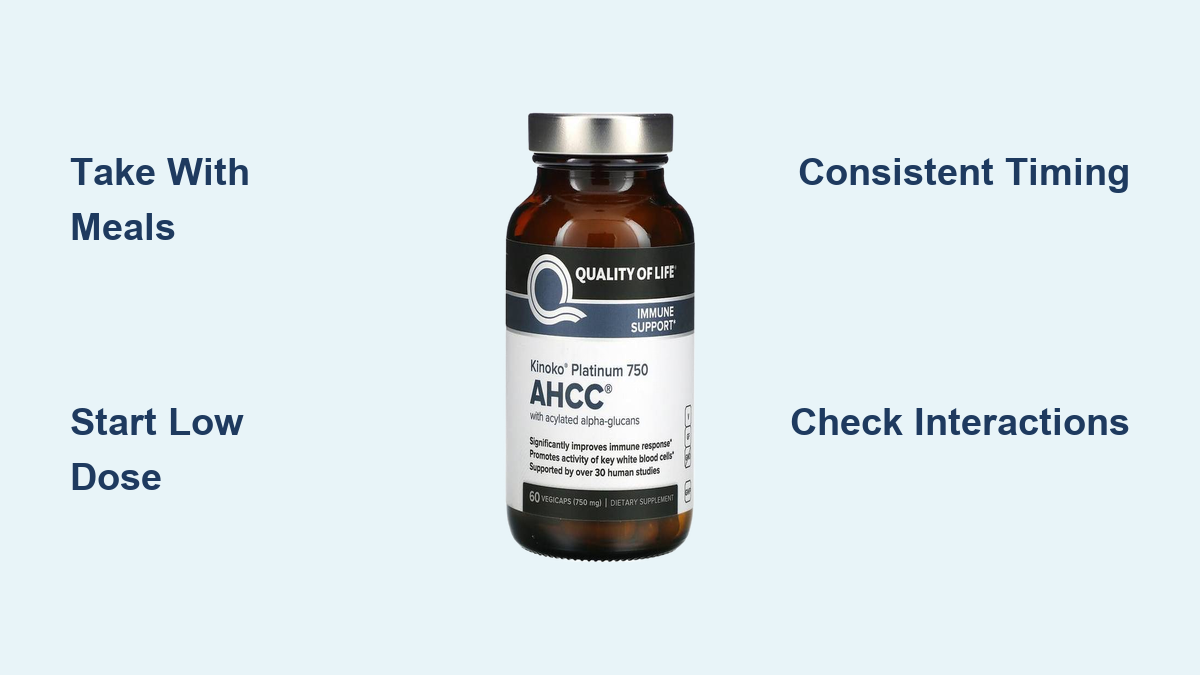

Many people researching AHCC (Active Hexose Correlated Compound) supplements find themselves confused about proper usage instructions. As a popular immune-support supplement derived from medicinal mushrooms, AHCC has gained attention for its potential health benefits. However, without clear guidance, users often struggle with questions like when to take it, how much to take, and whether it interacts with other medications. If you’ve ever stared at a bottle of AHCC capsules wondering about the best way to incorporate it into your health routine, you’re not alone—this confusion is exactly why understanding proper supplement administration matters.
Unfortunately, reliable, detailed information about AHCC supplementation protocols isn’t always readily available from standard sources. Many websites provide incomplete guidance or make claims not backed by clinical evidence. The lack of standardized dosing information creates uncertainty for people who want to use AHCC responsibly as part of their wellness regimen. This article addresses what we know about AHCC usage while emphasizing the importance of evidence-based supplementation practices that apply to all dietary supplements.
Before we explore specific considerations for supplement usage, it’s crucial to understand that proper supplement administration depends on multiple factors including individual health status, other medications you may be taking, and your specific health goals. While this article can provide general guidance about supplement practices, it cannot replace personalized advice from healthcare professionals who understand your complete medical history.
Essential Supplement Usage Principles for Any Product

Understanding Supplement Labels and Quality Markers
When considering any supplement, including AHCC, the first step is evaluating product quality. Look for supplements that display third-party testing verification from organizations like USP, NSF, or ConsumerLab. These certifications indicate the product contains what the label claims in the stated amounts and is free from harmful contaminants. For mushroom-derived supplements like AHCC, check whether the product specifies the percentage of active compounds, as potency can vary significantly between brands.
The supplement industry operates under different regulations than pharmaceuticals, meaning manufacturers aren’t required to prove efficacy before marketing products. This regulatory gap makes independent verification especially important. Always examine the “Supplement Facts” panel for serving size, active ingredients, and other components. Be wary of products making dramatic health claims or promising results that seem too good to be true.
Determining Appropriate Dosage Based on Clinical Evidence
Supplement dosing should ideally be based on clinical research rather than guesswork. For well-studied supplements, research typically identifies effective dosage ranges. While specific AHCC research is limited compared to more established supplements, general principles apply: start with the lowest effective dose and adjust based on your response and professional guidance.
Consider these dosage guidelines for any supplement:
– Begin with manufacturer-recommended dosing
– Consult healthcare providers about appropriate amounts for your specific situation
– Be aware that “more” isn’t always better—some supplements have optimal ranges beyond which benefits plateau or risks increase
– Track your response to determine if adjustments are needed
Many people make the mistake of taking supplements inconsistently or changing doses frequently without tracking effects, making it impossible to determine what’s working. Establish a consistent routine and give any new supplement at least 4-6 weeks to assess effects, as many work gradually rather than providing immediate noticeable changes.
Timing and Administration Best Practices
When to Take Supplements for Maximum Benefit
The timing of supplement administration significantly affects absorption and effectiveness. While specific research on AHCC timing is limited, general supplement timing principles can guide your approach:
- With meals: Fat-soluble vitamins (A, D, E, K) and certain compounds absorb better with dietary fat
- Between meals: Some supplements work best on an empty stomach but may cause digestive upset
- Morning vs. evening: Consider how a supplement might affect energy levels or sleep
For immune-support supplements like AHCC, many practitioners recommend morning administration to support natural circadian immune rhythms. However, the most important factor is consistency—taking your supplement at the same time each day ensures stable blood levels. If you experience stomach discomfort, try taking it with a small snack rather than a full meal, which might interfere with absorption.
Combining Supplements Safely and Effectively
Many people take multiple supplements without considering potential interactions. When incorporating a new supplement like AHCC into your regimen:
- Document all current supplements and medications
- Research potential interactions (reputable sources include NIH Office of Dietary Supplements and Examine.com)
- Introduce one new supplement at a time to monitor effects
- Space different supplements throughout the day if they compete for absorption
Be particularly cautious with supplements that affect blood clotting, blood sugar, or immune function, as these can interact with medications or other supplements. The immune-modulating properties of AHCC mean it could potentially interact with immunosuppressants or other immune-affecting medications, making professional guidance essential.
Special Considerations for Immune-Support Supplements

Monitoring Your Body’s Response
Unlike pharmaceuticals with immediate noticeable effects, supplements often work subtly over time. For immune-support products like AHCC, track these indicators of effectiveness:
- Frequency and severity of minor illnesses
- Energy levels throughout the day
- Recovery time after physical exertion
- Overall sense of wellbeing
Keep a simple journal noting when you take your supplement and any observations about your health. This documentation helps identify patterns and provides valuable information if you discuss supplementation with healthcare providers. Remember that supplements work as part of a comprehensive health approach—they won’t compensate for poor sleep, inadequate nutrition, or chronic stress.
Recognizing When to Consult Professionals
Certain situations require professional guidance before continuing supplementation:
- Experiencing unexpected side effects like digestive issues or headaches
- Planning surgery (many supplements affect clotting)
- Managing chronic health conditions
- Taking prescription medications regularly
Healthcare providers specializing in integrative or functional medicine often have more training in supplement usage than conventional doctors. When consulting professionals, bring the actual supplement bottle rather than relying on memory—this allows for accurate assessment of ingredients and dosages.
Practical Implementation Strategies

Creating a Sustainable Supplement Routine
The most effective supplement regimen is one you can maintain consistently. Consider these practical tips:
- Use a dedicated pill organizer with multiple compartments
- Set phone reminders for doses at unusual times
- Store supplements in visible locations where you routinely take medications
- Pair supplement intake with existing habits (e.g., with morning coffee)
Many people start strong with new supplement routines but lose consistency after a few weeks. Building supplements into existing habits dramatically improves long-term adherence. If you miss a dose, don’t double up—just resume your regular schedule. Most supplements maintain effective levels with consistent daily use rather than occasional megadoses.
Evaluating When to Continue or Discontinue
Regularly assess whether your supplement regimen remains appropriate:
- Schedule quarterly reviews of all supplements
- Consider seasonal needs (e.g., vitamin D in winter)
- Re-evaluate based on changing health status
- Discontinue products that aren’t providing noticeable benefits
Supplement needs change throughout life. What worked well five years ago might not align with your current health status or goals. Periodically stepping back to evaluate your entire supplement regimen prevents unnecessary accumulation of products that may no longer serve your health objectives.
Critical Precautions and Limitations
Understanding What Supplements Can and Cannot Do
It’s essential to maintain realistic expectations about supplement benefits. No supplement, including AHCC, can:
- Replace a healthy diet and lifestyle
- Cure serious medical conditions
- Compensate for poor sleep or chronic stress
- Provide immediate dramatic results
Supplements work best as part of a comprehensive health strategy. They support bodily functions but don’t create health where foundational lifestyle factors are missing. Approach supplementation with the understanding that it’s one piece of a larger wellness puzzle.
Recognizing Quality Control Challenges in the Industry
The supplement industry faces significant quality control issues. Studies have found discrepancies between label claims and actual contents in many products. To protect yourself:
- Choose brands with transparent sourcing and manufacturing practices
- Look for products tested by independent third parties
- Avoid extremely cheap options that may indicate inferior ingredients
- Research company reputations before purchasing
Reputable supplement companies welcome scrutiny and often provide certificates of analysis for their products. Don’t hesitate to contact manufacturers directly with quality questions—they should be able to provide detailed information about their testing protocols.
Final Note: While specific AHCC usage protocols require professional guidance based on current research, these supplement administration principles apply universally. The most effective supplement strategy combines evidence-based practices with personalized healthcare advice. Always prioritize professional medical consultation over online information when making decisions about your health regimen. Remember that consistent, informed usage matters more than finding the “perfect” supplement—small, sustainable health habits create significant long-term benefits.