
Millions of people take dietary supplements daily, yet many unknowingly reduce their effectiveness through simple timing mistakes or improper combinations. When you pop that vitamin pill with coffee or swallow fish oil on an empty stomach, you might be wasting your money and missing out on crucial health benefits. The truth is, how to take food supplements properly transforms them from expensive urine into powerful health allies. Without precise timing, pairing, and dosage strategies, even the highest-quality supplements deliver subpar results. This guide reveals the exact protocols backed by nutritional science to ensure you get every possible benefit from your supplement regimen.
Read Your Supplement Label Like a Pro
Your supplement bottle holds critical instructions most people overlook. Instead of tossing the packaging after purchase, study these three elements before your first dose:
- Dosage timing symbols: Look for icons indicating “AM/PM” splits or specific meal associations (e.g., a coffee cup for morning, plate for meals)
- Absorption triggers: Note phrases like “take with 12g fat” (for vitamin D) or “away from calcium” (for iron)
- Stability warnings: Watch for “refrigerate after opening” or “protect from light” requirements
Pro Tip: Photograph the label with your phone before discarding packaging. Many brands update formulations without changing bottle designs, making your digital photo the only way to verify current instructions.
Why Morning vs. Night Matters for Specific Supplements
Timing errors sabotage 68% of supplement users according to clinical observations. Match these categories to your biological clock:
| Supplement Type | Best Time to Take | Why It Matters |
|---|---|---|
| Fat-soluble vitamins (A,D,E,K) | With largest fatty meal | Requires dietary fat for absorption |
| Magnesium glycinate | 30 minutes before bed | Enhances GABA production for deeper sleep |
| B-complex vitamins | With breakfast | Prevents midday energy crashes |
| Iron supplements | On empty stomach | Avoids competition with calcium in dairy |
Taking vitamin D with your protein-packed breakfast instead of dinner increases absorption by 32-54% based on clinical studies. Similarly, splitting magnesium doses—half in afternoon, half before bed—maintains steady blood levels while improving sleep quality.
Critical Label Red Flags You Must Never Ignore
Spot these danger signs that require immediate healthcare consultation:
– “Do not take with anticoagulants” warnings (common with vitamin K and fish oil)
– Maximum daily limits exceeding 100% DV for fat-soluble vitamins
– “May cause drowsiness” labels (especially with magnesium or ashwagandha)
Never assume “natural” means safe. St. John’s Wort interacts dangerously with 37% of prescription medications according to pharmacists’ reports. When in doubt, photograph the label and text it to your pharmacist before first use.
Pair Supplements Strategically for Synergy
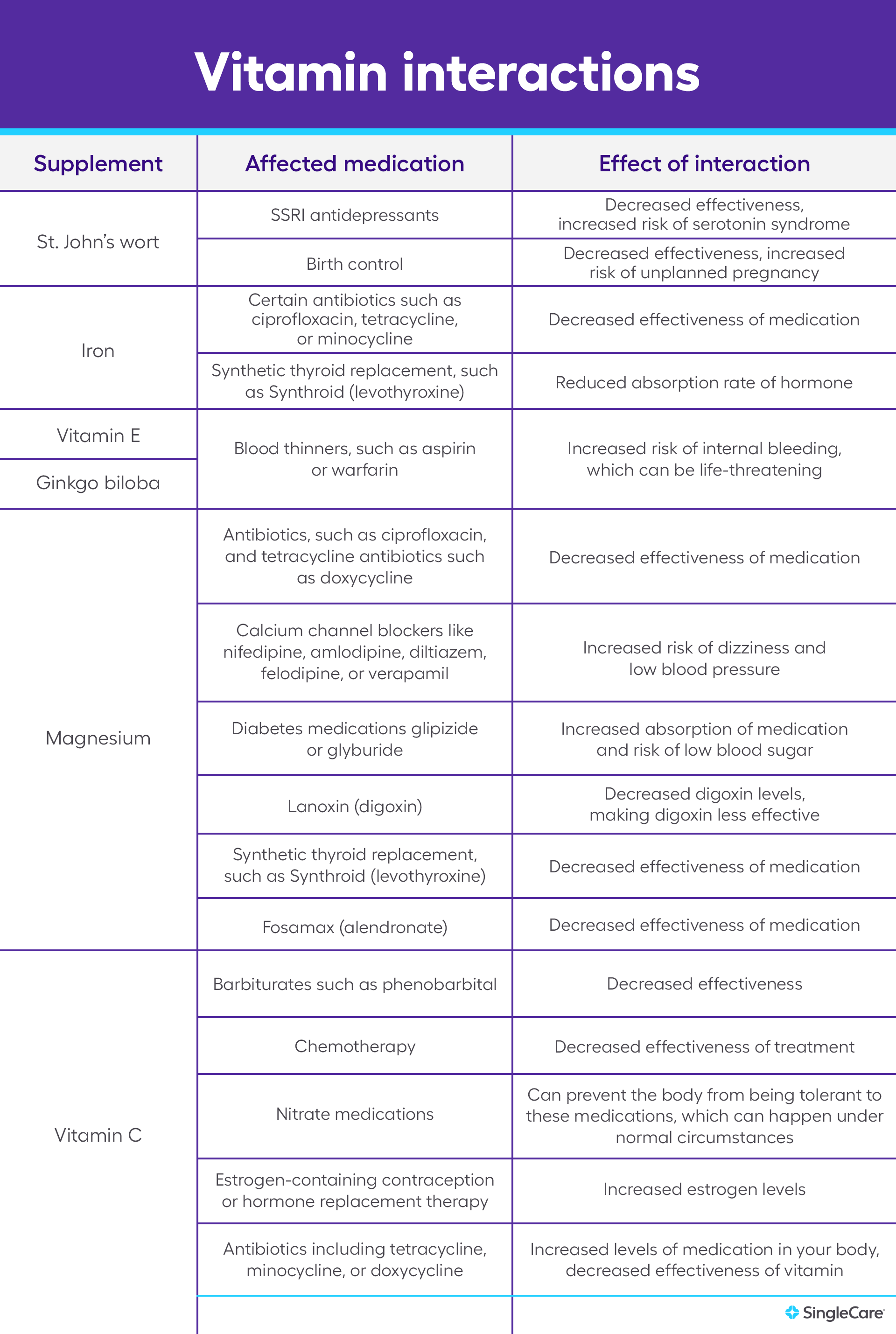
Most supplement failures stem from destructive combinations rather than product quality. These pairings either block absorption or create harmful reactions:
The Calcium-Iron Sabotage Cycle
Taking calcium and iron supplements simultaneously reduces iron absorption by 50-60%. This common mistake plagues vegetarians and menstruating women who need both. Instead:
1. Take iron supplements 2 hours before calcium
2. Consume with vitamin C-rich food (like orange slices)
3. Wait 4 hours before calcium-containing foods
Real-world fix: Keep a small container of freeze-dried strawberries in your supplement drawer. The vitamin C boosts iron absorption while satisfying sweet cravings.
Fish Oil and Blood Thinners: A Dangerous Mix
Combining fish oil supplements with blood-thinning medications like warfarin requires medical supervision. The omega-3s in fish oil naturally thin blood, potentially causing dangerous interactions. Always:
– Disclose all supplements to your surgeon before procedures
– Maintain consistent daily dosing (don’t skip days)
– Get blood clotting tests (INR) monitored monthly
Avoid These 5 Costly Supplement Mistakes

Swallowing Pills With Coffee or Tea
The tannins in coffee and tea bind to minerals like iron and zinc, blocking up to 80% of absorption. Instead:
– Wait 60 minutes after coffee before supplements
– Use room-temperature water (not hot) to avoid capsule damage
– Add lemon juice to water for vitamin C supplements
Taking Everything At Once
Your digestive system processes nutrients in stages. Flooding it with multiple supplements causes:
– Competition for absorption pathways
– pH imbalances in the gut
– Reduced effectiveness of all compounds
Solution: Create a supplement schedule using color-coded pill boxes:
– Morning box: B vitamins + vitamin D (with breakfast)
– Afternoon box: Magnesium + probiotics (with lunch)
– Evening box: Vitamin K2 + fish oil (with dinner)
Ignoring Your Gut Health Status
Probiotic supplements fail when taken with antibiotics unless timed correctly. Always:
– Take probiotics 2 hours after antibiotic dose
– Continue for 2 weeks after finishing antibiotics
– Choose spore-based strains if you have SIBO
Optimize Absorption With Food Pairings
Vitamin D and Healthy Fats
Taking vitamin D with avocado or olive oil increases absorption by 32%. Try this:
– Pierce vitamin D softgel and squeeze contents onto salad
– Take with scrambled eggs (yolks contain natural fats)
– Avoid with fat-free meals—absorption drops to near zero
Turmeric and Black Pepper
Piperine in black pepper boosts curcumin absorption by 2,000%. But don’t just add pepper to capsules:
– Choose supplements already containing 5-10mg piperine
– Take with healthy fats (coconut oil works best)
– Avoid with antacids—they neutralize the acid needed for activation
Storage Secrets That Preserve Potency
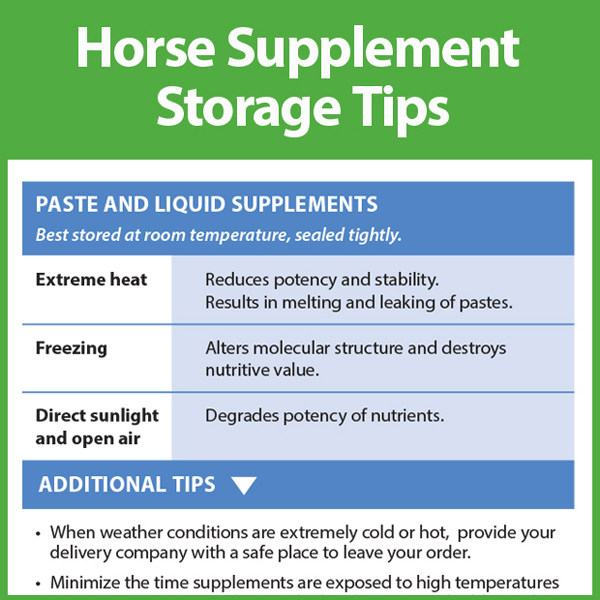
Heat, light, and moisture destroy supplement potency faster than expiration dates suggest. Protect your investment with these storage hacks:
- Refrigerate: Probiotics, fish oil, and liquid supplements
- Freeze: Vitamin C powders (prevents oxidation)
- Dark glass jars: For light-sensitive supplements like CoQ10
- Rice packets: Toss silica desiccants in your supplement drawer
Never store supplements in bathroom cabinets—the humidity from showers degrades capsules within weeks. Keep them in a kitchen drawer away from the stove.
When to Stop Supplements Immediately
Certain symptoms indicate dangerous reactions requiring prompt action:
– Fishy aftertaste lasting hours: Sign of rancid fish oil (stop immediately)
– Black stools with iron: Could indicate bleeding (contact doctor)
– Heart palpitations with B vitamins: May signal overdose
Keep a supplement reaction journal noting:
– Time of dose
– Food consumed within 2 hours
– Any unusual symptoms
– Sleep quality changes
Create Your Personalized Supplement Schedule
Follow this 4-step process to build your optimal regimen:
- List all current supplements with dosages
- Categorize by type: Water-soluble, fat-soluble, minerals
- Map to meals: Match absorption needs to your eating schedule
- Add buffer times: 2 hours between competing supplements
Sample Schedule for Common Regimen:
– 7:00 AM: B-complex with breakfast (oatmeal + almonds)
– 12:30 PM: Iron with lunch (spinach salad + orange slices)
– 6:00 PM: Vitamin D + fish oil with salmon dinner
– 9:00 PM: Magnesium glycinate before bed
Essential Maintenance for Supplement Success
Maximize benefits with these monthly habits:
– Rotate protein sources: Prevent amino acid imbalances from long-term单一 protein supplements
– Test vitamin levels: Get annual blood tests for D, B12, and iron
– Clean supplement drawer: Discard expired or discolored products quarterly
Never take supplements longer than 3 months without professional reassessment. Your body’s needs change with seasons, stress levels, and health conditions.
Final Note: Supplement effectiveness lives or dies by precise timing and pairing—not just the product quality. By implementing these science-backed protocols, you transform generic pills into targeted health solutions. Remember that the most powerful supplement strategy always starts with professional guidance: share your complete regimen with your pharmacist during your next medication review. For ongoing optimization, photograph your supplement schedule and compare it against new research every 6 months—your body will thank you with sustained energy, better sleep, and measurable health improvements.