


That persistent stomach upset, the monthly cramps that leave you curled up on the couch, or the joint pain that makes simple movements challenging—ginger could be your natural solution. Understanding how to take ginger as a supplement properly transforms this ancient root from a simple kitchen spice into a powerful wellness tool. The bioactive compounds in ginger—especially gingerols and shogaols—deliver therapeutic benefits ranging from nausea relief to inflammation reduction, but only when you use the right form, dosage, and timing. Whether you’re battling morning sickness, seeking relief from menstrual discomfort, or managing osteoarthritis, knowing exactly how to take ginger as a supplement makes all the difference in your results.
This practical guide cuts through the confusion surrounding ginger supplementation, giving you clear, evidence-based instructions you can implement immediately. You’ll discover which ginger form works best for your specific needs, how much to take for your condition, and when to take it for maximum effectiveness. Most importantly, you’ll learn how to avoid common mistakes that could reduce benefits or cause unwanted side effects. By the end of this article, you’ll have a personalized plan for incorporating ginger into your wellness routine safely and effectively.
Choosing the Right Ginger Supplement Form for Your Needs

Selecting the appropriate ginger supplement form affects both convenience and effectiveness, directly impacting whether you’ll stick with your regimen and achieve your desired results. Each format offers distinct advantages depending on your health goals and personal preferences.
Capsules vs. Powdered Ginger: Which Works Best for You
Capsules provide standardized, taste-free dosing that fits easily into any daily routine. Most contain 250-500mg of powdered ginger root, with daily recommendations typically ranging from 1-4 capsules depending on your health goal. This form works especially well if you’re sensitive to ginger’s strong flavor or need precise dosing for conditions like menstrual cramps. Pro tip: Look for enteric-coated capsules if you experience heartburn with regular ginger supplements—they dissolve in your intestines rather than your stomach.
Powdered ginger offers maximum flexibility for those who prefer adjusting doses based on daily needs. You can mix 0.5-2 grams into water, smoothies, or warm tea for immediate digestive relief. This form absorbs more quickly than capsules in many cases, making it ideal for acute nausea. Warning: The intense flavor can cause initial stomach discomfort for some users—start with just ¼ teaspoon (about 0.5 grams) mixed in warm water with lemon and honey to ease into it.
Liquid Extracts for Fast-Acting Relief
Tinctures deliver rapid absorption when placed under your tongue, making them perfect for sudden nausea or motion sickness. A standard dose is 1-2 milliliters (20-30 drops) taken 2-3 times daily. The alcohol base preserves potency while enhancing bioavailability, but glycerin-based options work well for those avoiding alcohol. Time-saving shortcut: Keep a small bottle in your purse or car for immediate relief during travel or unexpected nausea episodes.
Ginger tea provides soothing hydration alongside therapeutic benefits. Steep 1-2 grams of fresh sliced ginger or one tea bag in 8 ounces of near-boiling water for 5-10 minutes. This gentle form works well for daily digestive maintenance or mild morning sickness. Expert note: Adding a pinch of black pepper increases absorption of ginger’s active compounds by up to 30%.
Targeted Dosage Strategies for Specific Health Conditions

Taking the right amount of ginger matters as much as taking it at all—too little won’t deliver results, while too much can cause discomfort. Your ideal dose depends entirely on what you’re trying to address.
Menstrual Cramp Relief Protocol
Take 0.5 to 1 gram daily divided into two or three doses during the first 3-4 days of your cycle. Research shows this regimen reduces pain intensity as effectively as ibuprofen for many women. Critical timing tip: Start taking ginger at the first sign of cramps—not after pain becomes severe—for best results. Most women find relief within 1-2 hours of their first dose when taken consistently.
Osteoarthritis Pain Management Plan
Use 0.5 to 2 grams daily split into 2-3 doses with meals for knee and joint pain. Unlike topical applications (which studies show provide minimal benefit for osteoarthritis), oral supplementation delivers systemic anti-inflammatory effects. Important note: It takes 4-12 weeks of consistent use to experience maximum pain reduction—don’t give up too soon.
Morning Sickness Solution for Pregnant Women
Begin with 250mg taken 2-4 times daily (total 0.5-1 gram) throughout morning hours. Clinical studies confirm ginger reduces both nausea frequency and vomiting severity, though it works more gradually than pharmaceutical options. Safety first: Always discuss ginger use with your healthcare provider before starting, especially during pregnancy.
Strategic Timing Techniques for Maximum Effectiveness
When you take ginger significantly impacts how well it works for your specific concern—this simple adjustment can double your results without changing anything else.
Pre-Meal Timing for Digestive Support
Take 500mg to 1 gram 30-60 minutes before meals to prime your digestive system. This timing allows ginger compounds to accelerate gastric emptying before food arrives, reducing bloating and discomfort. Pro tip: Pair with digestive enzymes for enhanced results if you have chronic digestive issues.
Duration Guidelines Based on Your Condition
Short-term conditions like acute nausea or menstrual cramps respond well to 3-5 days of supplementation starting at symptom onset. Chronic issues such as osteoarthritis require consistent daily use for at least 4 weeks to build therapeutic levels in your system. Warning: Don’t exceed 4 grams daily long-term—stick to 2 grams maximum for ongoing use.
Food Pairing Strategies to Prevent Discomfort
Take ginger with food if you experience heartburn, especially at higher doses. The food buffer reduces gastric irritation while still allowing absorption. Exception: For immediate nausea relief, take smaller doses (250-500mg) on an empty stomach for faster action. Test both approaches for 3 days each to determine what works best for your body.
Avoiding Common Side Effects and Interactions
Ginger is generally safe but understanding potential issues helps you navigate them proactively rather than reacting after discomfort occurs.
Managing Digestive Discomfort
Start low and go slow—begin with 250mg daily and increase by 250mg every 2-3 days until reaching your target dose. This gradual approach minimizes the heartburn and loose stools some experience initially. Quick fix: If heartburn occurs, switch to enteric-coated capsules or take ginger with a small snack.
Critical Medication Interactions to Know
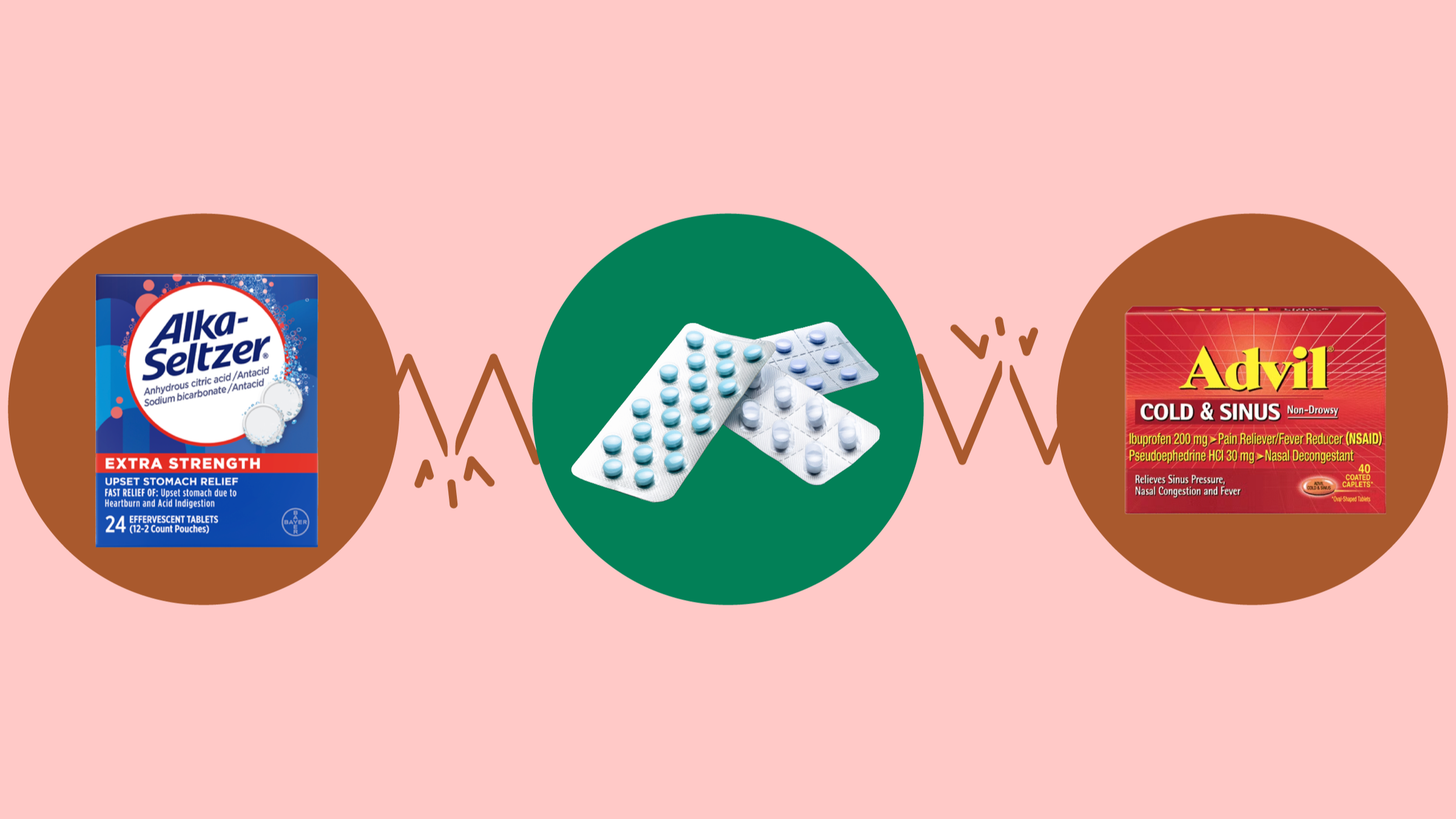
Blood thinners require special caution—ginger enhances the effects of warfarin, aspirin, and other anticoagulants. If you take these medications, have your coagulation levels monitored regularly and watch for unusual bruising or bleeding. Pro tip: Maintain consistent ginger intake rather than sporadic use to avoid blood level fluctuations.
Diabetes medications need adjustment—ginger lowers blood sugar, potentially causing hypoglycemia when combined with insulin or metformin. Monitor your blood sugar closely and work with your healthcare provider to adjust medication doses if needed.
Maximizing Your Ginger Supplement Results
These practical strategies transform basic supplementation into an optimized wellness protocol that delivers consistent, noticeable benefits.
Quality Selection Checklist
Verify third-party testing—reputable brands display certification from NSF, USP, or ConsumerLab on their packaging. Check for standardization—look for products specifying gingerol content (minimum 5% is ideal). Avoid mystery ingredients—your supplement should list only ginger and necessary fillers, with no artificial colors or flavors.
Strategic Combination Protocol
Pair ginger with turmeric for enhanced anti-inflammatory effects—take them together with black pepper and healthy fat (like coconut oil) to boost absorption of both compounds. Warning: This combination increases bleeding risk, so avoid if taking blood thinners or before surgery.
Pre-Surgery and Procedure Protocol
Stop all ginger forms 2 weeks before surgery—this includes capsules, teas, and topical applications. Ginger’s blood-thinning effects can increase surgical bleeding risk significantly. Critical step: Inform your surgical team about all supplements you’ve taken, even if discontinued.
Ginger supplementation delivers remarkable benefits when approached strategically—this isn’t just about popping a pill but understanding how to take ginger as a supplement in a way that aligns with your body’s needs. By selecting the right form for your condition, dosing precisely based on scientific evidence, timing your intake strategically, and avoiding potential pitfalls, you transform this ancient remedy into a powerful component of your modern wellness routine. Start with the lowest effective dose for your specific concern, track your results in a journal, and adjust based on your body’s feedback. With this personalized approach, you’ll experience ginger’s full potential while minimizing any discomfort—turning what was once kitchen spice into your most trusted natural remedy.