

Feeling constantly tired, weak, or short of breath? You might be among the 1.6 billion people worldwide suffering from iron deficiency anemia. If your doctor has prescribed oral iron supplements, taking them correctly makes all the difference between rapid recovery and frustrating side effects with little improvement. Many people unknowingly sabotage their treatment by taking iron with coffee or skipping doses when stomach upset occurs. This guide reveals exactly how to take oral iron supplements for maximum effectiveness—whether you’re using ferrous sulfate tablets or liquid drops—so you can rebuild your iron stores efficiently while minimizing discomfort. You’ll learn the precise timing that boosts absorption by up to 50%, the common foods that block iron uptake, and critical safety steps most patients overlook.
Ferrous Sulfate vs. Liquid Iron: Which Form Works Best for You

Choosing the right iron supplement form directly impacts your treatment success. Ferrous sulfate tablets (typically 200mg) remain the most prescribed option for adults, delivering a concentrated dose of elemental iron in a convenient format. However, these tablets require proper swallowing technique to avoid mouth ulcers and tooth discoloration—never chew or hold them in your mouth. The liquid iron formulation (125mg per ml) serves as the ideal alternative for children, seniors, or anyone struggling with pill swallowing. While both forms contain the same active ingredient, their administration differs significantly.
Liquid iron requires precise measurement using the provided dropper—not household spoons—to ensure accurate dosing. A single 4ml dose delivers the standard adult treatment amount, while children receive carefully calculated amounts based on weight and blood work. If you’ve been prescribed tablets but struggle to swallow them, don’t crush or break your pills—this destroys the protective coating designed to prevent stomach irritation. Instead, immediately consult your pharmacist about switching to the liquid formulation, which offers equal effectiveness without the swallowing challenge.
Exact Dosage Guidelines for Adults and Children Taking Iron Supplements
Your iron dosage depends entirely on whether you’re treating existing anemia or preventing deficiency. For adult anemia treatment, one 200mg ferrous sulfate tablet daily represents the standard prescription, though severe cases may require two to three doses. If stomach upset occurs, ask your doctor about taking your supplement every other day—a strategy proven to improve tolerance while still effectively rebuilding iron stores. Never adjust your dosage without medical guidance, as too little won’t correct your deficiency while too much causes dangerous side effects.
Children require specialized dosing calculations. Pediatricians determine liquid iron amounts (measured in ml) based on the child’s weight, age, and specific blood test results. For prevention rather than treatment, adults typically take one 200mg tablet daily, while children receive proportionally smaller liquid doses. Always follow your healthcare provider’s exact instructions—never assume your child needs “half” an adult dose or use kitchen spoons for measurement. Request a proper dosing syringe from your pharmacist if your liquid iron prescription didn’t include one.
Take Iron 30 Minutes Before Breakfast for Maximum Absorption
Timing your iron supplement correctly can double your absorption rate. Your body absorbs iron most efficiently when your stomach is empty, making the ideal schedule taking your supplement 30 minutes before breakfast or at least two hours after dinner. This window allows iron to pass directly to your intestines without interference from food components that bind to it. If you take your iron with orange juice during this empty-stomach window, absorption increases even further—more on this critical pairing shortly.
When stomach upset makes empty-stomach dosing impossible, take your supplement with a small amount of food rather than skipping doses entirely. While this reduces absorption by about 20-30%, consistency matters more than perfection. Avoid pairing iron with calcium-rich foods, eggs, or high-fiber meals that significantly block absorption. Set phone reminders for your ideal dosing time and stick to it daily—your iron stores rebuild gradually over months, requiring unwavering consistency for full recovery.
Double Your Iron Absorption: The Vitamin C Trick Doctors Recommend

Taking your iron supplement with 250mg of vitamin C can increase absorption by up to 50%, making this the single most effective strategy for optimizing your treatment. Vitamin C (ascorbic acid) converts iron into a more readily absorbable form right in your digestive tract. You don’t need expensive supplements—simply take your iron pill with a glass of orange juice or a standard vitamin C tablet. The key is simultaneous consumption: taking vitamin C hours before or after your iron provides minimal benefit.
This vitamin C boost becomes especially crucial if you must take iron with food due to stomach sensitivity. The enhanced absorption helps compensate for the reduced efficiency caused by food interference. For liquid iron users, mix the measured dose with fresh orange juice rather than water. If citrus triggers your heartburn, try non-citrus vitamin C sources like strawberries or bell peppers alongside your supplement. Never skip this simple step—it transforms marginal treatment results into meaningful improvement.
Coffee, Tea, and Dairy: 3 Common Foods That Block Iron Absorption
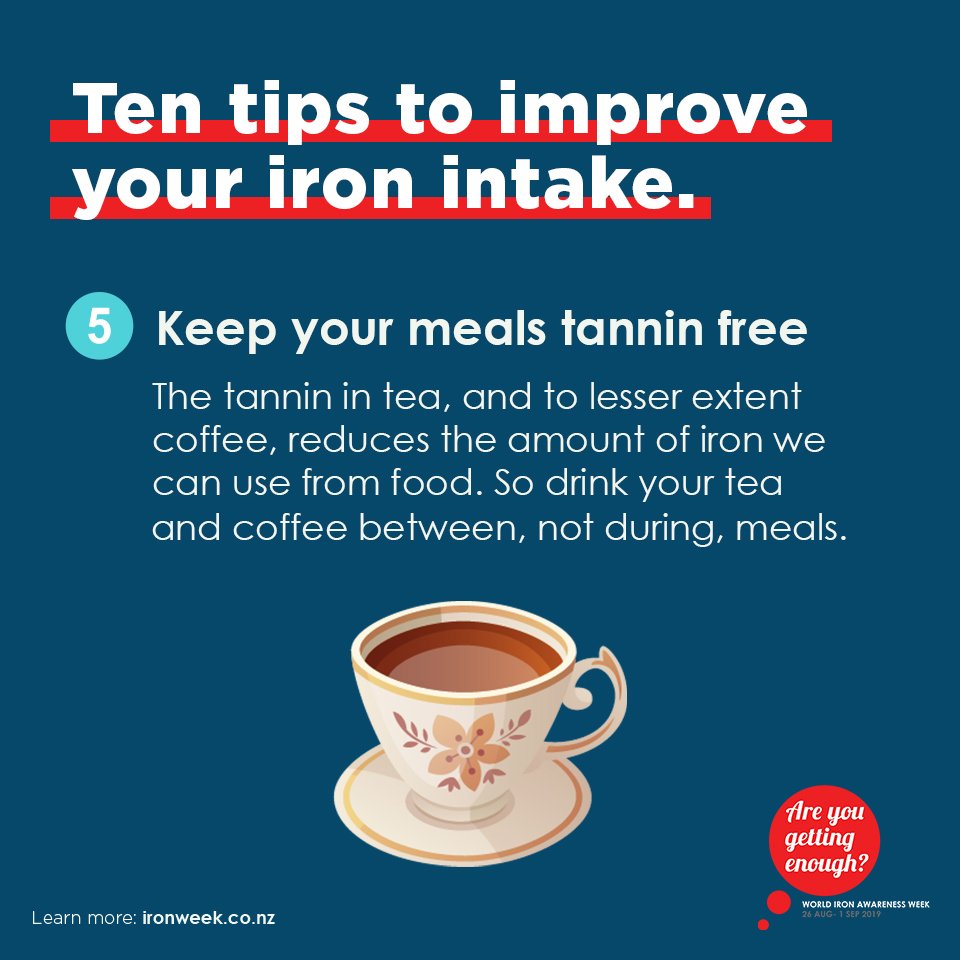
Your morning coffee habit might be sabotaging your iron treatment. Tea and coffee contain polyphenols and tannins that bind to iron, preventing up to 60% of your supplement from being absorbed. Similarly, calcium in dairy products and proteins in eggs significantly reduce iron uptake through multiple mechanisms. To avoid these absorption blockers, maintain a strict two-hour gap between your iron dose and consumption of these common foods.
Create a simple schedule that works with your routine: take iron first thing in the morning with orange juice, wait two hours before your coffee, and enjoy dairy products with lunch rather than breakfast. If you’re taking iron in the evening, avoid tea with dinner and save your yogurt for dessert two hours later. Many patients unknowingly undo their treatment by drinking tea with iron-rich meals—remember that these inhibitors affect both supplemental and dietary iron absorption.
How to Swallow Iron Tablets Without Staining Teeth or Causing Mouth Ulcers
The proper technique for taking iron tablets prevents painful side effects that cause many patients to discontinue treatment. Always swallow ferrous sulfate tablets whole with a full glass of water—never suck, chew, or hold them in your mouth. These tablets contain concentrated iron that can stain teeth yellow-brown and cause mouth ulcers when in prolonged contact with oral tissues. If you struggle with pill swallowing, try the “pop bottle method”: place the pill on your tongue, close your lips around a water bottle, and swallow while squeezing the bottle.
For liquid iron users, measure precisely with the provided dropper and swallow immediately without swishing. Rinse your mouth with water afterward to prevent tooth discoloration. If staining occurs despite precautions, regular dental cleanings usually resolve it—never attempt home whitening treatments that could damage enamel. Consider using a straw for liquid iron to minimize contact with teeth, but swallow promptly rather than sipping slowly.
Why You Must Continue Iron Supplements 3-6 Months After Feeling Better
Stopping iron supplements too soon causes relapse in 70% of patients. Even when your fatigue lifts and blood tests normalize, your body needs three to six additional months of supplementation to fully replenish depleted iron stores. Ferritin (your stored iron) rebuilds much slower than hemoglobin levels that show improvement on blood tests. Premature discontinuation leaves you vulnerable to rebound anemia, often more severe than the original deficiency.
Preventive supplementation follows different duration rules—you should continue as long as risk factors persist, such as heavy menstrual bleeding, pregnancy, or gastrointestinal conditions. Schedule follow-up blood tests every three months during treatment to monitor progress and determine exactly when to stop. Your healthcare provider will calculate your endpoint based on ferritin levels, not just symptom relief. Set calendar reminders for these tests to avoid unintentional early discontinuation.
Iron Overdose Warning Signs: When to Seek Emergency Help Immediately
Taking just one extra iron tablet can cause severe toxicity, especially in children. Initial overdose symptoms include violent vomiting, intense abdominal pain, and bloody diarrhea within six hours. As toxicity progresses, look for drowsiness, rapid heartbeat, and bluish skin coloring. In severe cases, seizures or loss of consciousness occurs—this requires immediate emergency intervention as iron overdose can be fatal.
If you suspect an overdose, call emergency services immediately. Do not induce vomiting. Bring the medication container, remaining pills, and a list of all medications taken to the hospital. Keep all iron supplements in childproof containers stored high out of children’s reach—just one adult-strength tablet can poison a toddler. Never refer to iron pills as “candy” when encouraging children to take their medicine.
Childproofing Your Iron Supplements: Critical Safety Steps You Can’t Skip
Iron supplements cause more pediatric poisoning deaths than any other medication, making proper storage non-negotiable. Store all iron formulations in locked cabinets—not just “high shelves” that curious children can climb to reach. Use original child-resistant packaging and never transfer supplements to unmarked containers. If you administer liquid iron to children, clean up spills immediately as dried drops resemble harmless candy.
Teach older children that iron pills are medicine, not treats, and supervise administration until age 10. When traveling, keep supplements in hotel safes rather than suitcases accessible to children. Consider requesting unit-dose packaging from your pharmacy to minimize the amount of medication accessible at one time. These precautions could save a life—accidental iron ingestion accounts for 30% of poisoning deaths in children under six.