

Protein supplements have become a staple in fitness nutrition, yet countless people waste money by using them incorrectly. Imagine spending weeks mixing shakes after workouts only to see minimal results—this happens when you don’t know how to take protein supplements properly. The right approach transforms your investment into visible muscle growth, faster recovery, and sustained energy. Research confirms that timing, type, and technique all dramatically impact your outcomes, yet most users miss critical details that separate effective supplementation from wasted effort.
You’re not alone if you’ve struggled with protein powder clumps, digestive issues, or confusion about when to take your shake. This guide cuts through the noise with actionable steps verified by sports nutrition science. Whether you’re a beginner starting your fitness journey or an experienced athlete refining your regimen, you’ll discover exactly how to take protein supplements for maximum benefit without common pitfalls. Let’s transform your supplementation strategy from guesswork to precision.
Select Your Ideal Protein Type
:max_bytes(150000):strip_icc()/HDC-Whey-Protein-vs-Plant-Protein-venn-template-46b8818229174926a534f9ac7f1a08ff.jpg)
Choosing the right protein supplement directly impacts your results because different types serve distinct physiological purposes. Generic protein advice fails when it doesn’t match your specific goals and body’s needs.
Whey Protein for Immediate Muscle Recovery
Whey protein delivers fast-digesting amino acids that reach your muscles within 30 minutes of consumption. This rapid delivery makes whey concentrate ideal after intense workouts when your muscles desperately need building blocks. Whey isolate removes most lactose and fat through additional processing, making it perfect if you experience bloating with standard whey. The high leucine content in both forms triggers muscle protein synthesis more effectively than slower proteins, giving you the biggest post-workout boost. Pro tip: Shake whey with cold water immediately after training for fastest absorption—avoid hot liquids that cause clumping and reduce effectiveness.
Casein for Overnight Muscle Protection
Casein forms a gel in your stomach that releases amino acids steadily over 6-8 hours, making it your secret weapon against muscle breakdown during sleep. Consuming casein before bed provides continuous amino acid flow while you sleep, preventing your body from breaking down muscle tissue for energy during fasting periods. Research shows athletes who take casein before bed experience 22% greater muscle growth over 12 weeks compared to those who don’t. If you wake up feeling sore or struggle with morning strength, adding casein to your nighttime routine could be the missing piece in your recovery puzzle.
Plant-Based Proteins for Special Dietary Needs
Pea and rice protein combinations deliver complete amino acid profiles that rival animal-based proteins for muscle building. Soy protein stands alone as a complete plant protein with proven muscle-building capacity in multiple studies. Hemp protein provides omega-3 fatty acids alongside protein but works best when combined with other plant proteins to boost leucine content. Critical mistake to avoid: Using single-source plant proteins like hemp or pea alone without complementary proteins creates amino acid gaps that limit muscle growth potential.
Determine Your Exact Protein Dosage
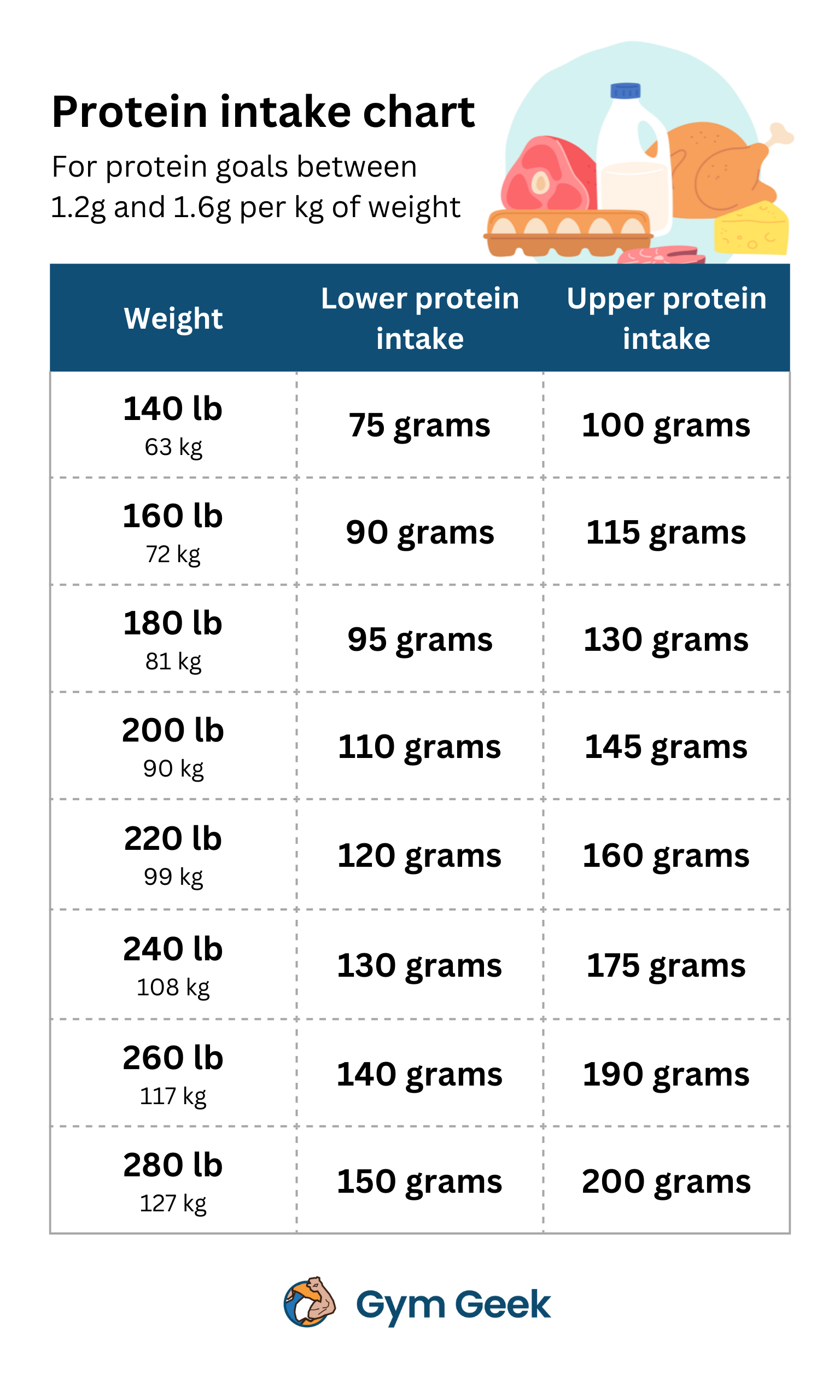
Generic “one scoop per day” advice fails because your ideal protein intake depends on your specific body composition and goals. Taking too little wastes your opportunity for growth, while excessive amounts provide no additional benefit.
Calculate Based on Your Body Weight
Multiply your body weight in pounds by 0.8-1.2 to determine your daily protein target. A 180-pound person needs 144-216 grams of total protein daily from all sources. Subtract the protein you get from whole foods—chicken, fish, eggs, dairy—to determine how much should come from supplements. Most users need just one 25-30 gram shake post-workout plus possibly another during the day if they struggle to hit targets through food alone. Warning: More than 40 grams in a single serving provides diminishing returns as your body can’t utilize excess amino acids for muscle building.
Adjust According to Your Primary Goal
Bodybuilders in intense training phases require 1.2-1.5 grams of protein per pound of body weight, while those maintaining muscle need only 0.8 grams. Fat loss demands higher protein percentages (30-40% of calories) to preserve muscle while in a calorie deficit. Older adults combating age-related muscle loss should prioritize 30-40 gram protein doses at each meal to overcome anabolic resistance. Pro tip: Weigh yourself weekly—if you’re not progressing toward your goal, adjust protein intake before changing workout routines.
Time Your Protein Intake for Maximum Impact
When you consume protein matters as much as how much you take. Strategic timing creates synergistic effects that amplify your results beyond what’s possible with random supplementation.
Capitalize on the Post-Workout Window
Consume 25-40 grams of fast-digesting whey protein within 60 minutes after finishing your workout. This period represents your muscles’ peak sensitivity to amino acids, with protein synthesis rates 50% higher than at other times. Mix with water rather than milk for fastest absorption, and avoid adding fats or fibers that slow digestion. Critical mistake: Waiting more than two hours post-exercise significantly reduces the anabolic response, turning your expensive supplement into merely general nutrition.
Implement Bedtime Casein for Overnight Repair
Take 30-40 grams of casein protein 30 minutes before sleep to maintain positive nitrogen balance throughout the night. This strategy prevents the catabolic state that occurs during extended fasting, with studies showing 38% greater muscle retention in athletes using pre-sleep protein. Mix casein with room-temperature liquid and let it sit for 5 minutes to fully hydrate before drinking for smoothest texture. Pro tip: Add 5 grams of creatine to your nighttime casein for enhanced recovery and next-day performance.
Master Proper Mixing and Consumption Techniques
How you prepare your protein shake affects both its effectiveness and your long-term adherence to supplementation. Poorly mixed shakes lead to wasted product and frustration.
Eliminate Clumping with Correct Technique
Always add liquid to your shaker bottle first, then protein powder. Use cold water or milk for easiest mixing—warm liquids increase clumping. Shake vigorously for 20-30 seconds, let it sit for 1 minute, then shake again briefly. If using a blender, add liquid first, blend on low for 15 seconds, pause, then blend again for another 15 seconds. Warning: Using hot liquids denatures protein structure, reducing bioavailability and creating unpleasant texture.
Enhance Flavor Without Sabotaging Goals
Add natural flavor boosters like unsweetened cocoa powder, cinnamon, or vanilla extract instead of sugary syrups. Frozen berries add sweetness and thickness without spiking blood sugar. For creamier texture without extra calories, blend with a handful of spinach—it masks flavor while adding nutrients. Pro tip: Keep a separate container of plain protein powder for post-workout shakes and flavored versions for meal replacements to avoid unnecessary calories during critical recovery windows.
Avoid These 3 Costly Protein Mistakes
Even experienced supplement users undermine their results with these common errors that turn potential gains into wasted effort.
Mistake #1: Replacing Whole Foods with Shakes
Relying solely on protein shakes misses out on the fiber, vitamins, and minerals found in whole food protein sources. Your body needs the complete nutritional package that chicken, fish, and legumes provide—not just isolated protein. Solution: Use supplements to fill gaps in your diet, never as your primary protein source. Aim for 80% whole foods and 20% supplements.
Mistake #2: Ignoring Total Daily Protein Distribution
Concentrating all your protein into one post-workout shake while neglecting intake at other meals limits muscle growth potential. Muscle protein synthesis responds best to 25-40 grams of protein every 3-4 hours. Solution: Space your protein intake evenly—include protein in breakfast, lunch, post-workout, and dinner to maintain constant muscle-building signals.
Mistake #3: Choosing Cheap, Low-Quality Products
Discount protein powders often contain fillers, artificial sweeteners, and inaccurate protein labeling. Third-party tested products cost more but deliver what’s promised on the label. Solution: Look for NSF Certified for Sport or Informed-Choice logos, and check ingredient lists for minimal additives. Your results depend on what’s actually in the container.
Store Protein Supplements Properly for Maximum Shelf Life
Improper storage degrades protein quality and creates clumpy, spoiled product that’s unpleasant to drink and potentially unsafe.
Keep protein powder in a cool, dry place away from direct sunlight—pantry shelves work better than cabinets near the stove. Always use a dry scoop to prevent moisture introduction that causes clumping and bacterial growth. Reseal the container tightly after each use, and consider transferring to an airtight container if the original packaging doesn’t seal well. Warning: Discard powder that develops off odors, changes color, or shows signs of mold—consuming spoiled protein can cause gastrointestinal issues.
Taking protein supplements correctly transforms them from an expensive habit into a powerful tool for achieving your fitness goals. By selecting the right type for your needs, calculating precise dosages, timing intake strategically, and avoiding common mistakes, you’ll maximize every scoop’s potential. Remember that supplements work best alongside a balanced diet rich in whole food proteins—use them to fill gaps, not replace nutritional fundamentals. Start implementing these techniques today, and within weeks you’ll notice improved recovery, better muscle definition, and sustained energy that proves your supplementation strategy finally works.