
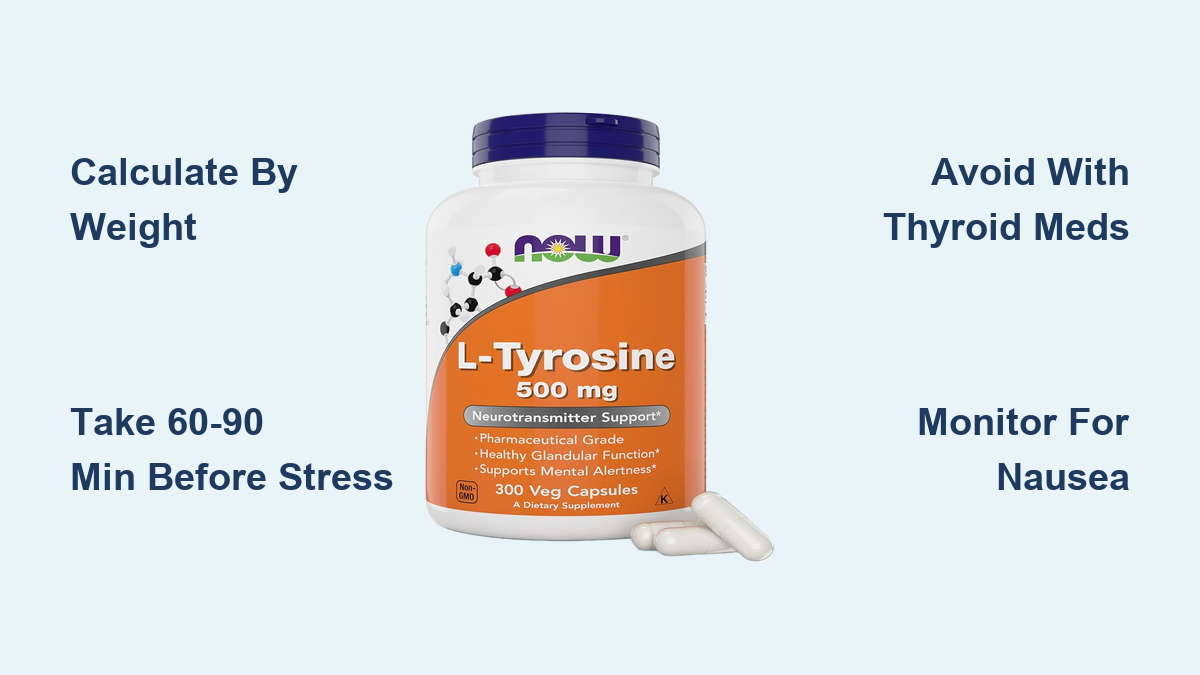

You’ve probably heard about tyrosine’s potential benefits for mental clarity, stress management, and cognitive performance—but knowing exactly how to take tyrosine supplement properly makes all the difference between experiencing real benefits and wasting your money. This essential amino acid serves as a building block for neurotransmitters like dopamine and norepinephrine, which regulate your mood, focus, and stress response. When taken correctly, tyrosine supplementation can support brain function during demanding situations, but improper use can lead to disappointing results or even health risks. This guide reveals precisely how to take tyrosine supplement for maximum effectiveness while avoiding common pitfalls that most users make.
Whether you’re managing phenylketonuria (PKU), seeking mental resilience during high-stress periods, or exploring cognitive enhancement options, understanding the right dosage, timing, and safety considerations transforms your supplementation experience. Unlike generic advice found elsewhere, this guide delivers specific, actionable protocols backed by scientific evidence and clinical practice.
Fixing Your Tyrosine Dosage Based on Body Weight
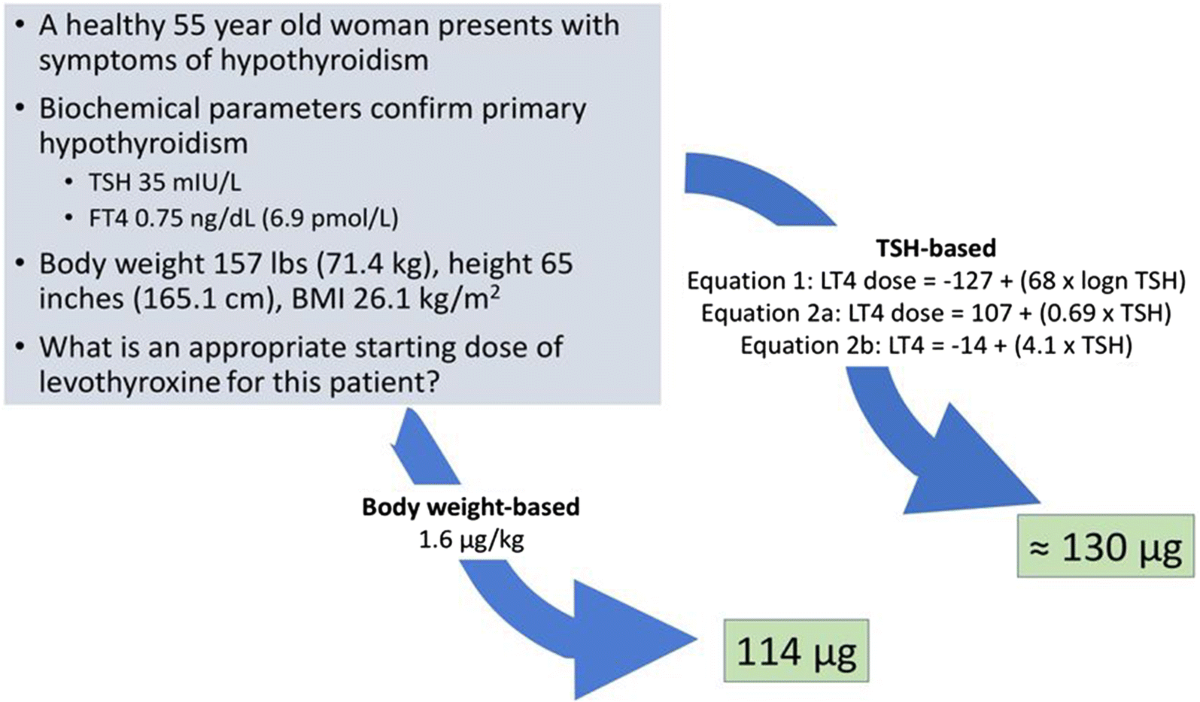
Determine your precise tyrosine dosage by calculating 100-300 mg per kilogram of your body weight daily—this translates to approximately 7-21 grams daily for a 154-pound adult. Start with the lowest effective dose (around 100 mg/kg) and only increase if needed under medical supervision. For example, a 130-pound person would calculate their starting dose as follows: 130 lbs ÷ 2.2 = 59 kg × 100 mg = 5,900 mg (5.9 grams) daily.
Avoid These Common Dosage Mistakes
Many users make critical errors that undermine their results:
– Skipping professional guidance for therapeutic use (especially with PKU or medication interactions)
– Taking inconsistent doses that prevent stable neurotransmitter production
– Exceeding 300 mg/kg without medical supervision, which increases side effect risks
– Using the same dose for children as adults (pediatric dosing requires specialist calculation)
When to Adjust Your Tyrosine Dose
Monitor your response during the first two weeks of supplementation. If you experience persistent nausea, headaches, or heartburn, reduce your dose by 25% and reassess after 3-5 days. For cognitive support during stress, take your calculated dose 60-90 minutes before the anticipated stressor. Never exceed 21 grams daily without direct physician oversight, as long-term safety beyond this threshold remains unestablished.
Timing Your Tyrosine Intake for Maximum Cognitive Benefits
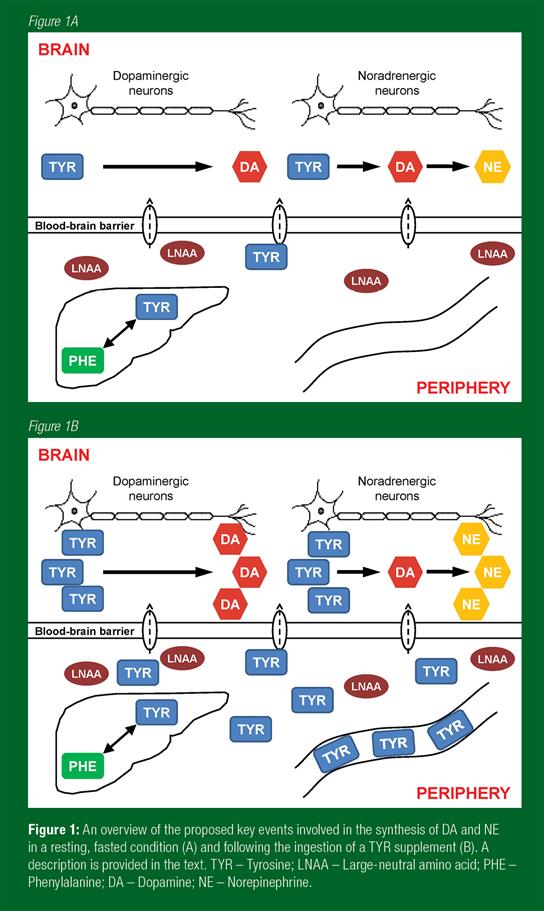
Take your tyrosine supplement 60-90 minutes before anticipated stressors or periods of sleep deprivation for optimal cognitive protection. Research shows this timing allows sufficient absorption to support neurotransmitter production when your brain needs it most. If using tyrosine for general supplementation rather than acute stress situations, take it first thing in the morning on an empty stomach for best absorption.
Should You Take Tyrosine With Food?
Take tyrosine on an empty stomach unless you experience gastrointestinal discomfort—then pair it with a small, protein-rich snack containing minimal carbohydrates. Avoid high-carb meals that trigger insulin release, which competes with tyrosine for brain entry. If nausea occurs consistently, try taking your supplement with a handful of almonds or a small serving of Greek yogurt.
Critical Timing for Medication Users
If you take levodopa for Parkinson’s disease, separate your tyrosine dose by at least 2 hours before or after your medication. For thyroid hormone medications, maintain a 4-hour gap between doses and consult your endocrinologist about monitoring thyroid levels more frequently. Never take tyrosine immediately before surgery—discontinue at least 14 days beforehand due to unknown effects on blood pressure during procedures.
Preventing Dangerous Tyrosine Side Effects
:max_bytes(150000):strip_icc()/the-benefits-of-tyrosine-89523-01-f64a6f940a184bbfb8a1f661113d1bb9.png)
Nausea represents the most common side effect of tyrosine supplementation, typically occurring at doses above 150 mg/kg. Prevent this by starting with lower doses (50-100 mg/kg) and gradually increasing over 1-2 weeks. Take your supplement with a full glass of water and avoid lying down for at least 30 minutes afterward to minimize gastrointestinal discomfort.
Recognize Hyperthyroidism Warning Signs
Stop tyrosine immediately and contact your healthcare provider if you experience:
– Rapid or irregular heartbeat (over 100 beats per minute at rest)
– Unexplained weight loss despite normal eating habits
– Excessive sweating or heat intolerance
– Anxiety or tremors that weren’t present before supplementation
These symptoms indicate potential thyroid hormone overproduction, especially dangerous for those with undiagnosed thyroid conditions. Have your thyroid function tested before starting long-term supplementation if you have any family history of thyroid disorders.
Avoid These Critical Tyrosine Interactions
Tyrosine significantly reduces levodopa absorption when taken simultaneously—never combine these without medical supervision. If you take Parkinson’s medication, schedule your tyrosine dose at least 2 hours before or after your levodopa. This separation prevents competition for the same transport mechanism in your digestive system.
Thyroid Medication Users: Essential Protocol
If you take levothyroxine or other thyroid medications, implement this safety protocol:
1. Take your thyroid medication first thing in the morning with water only
2. Wait 4 full hours before taking tyrosine
3. Get thyroid function tests every 6-8 weeks when starting supplementation
4. Report any symptoms of hyperthyroidism immediately to your endocrinologist
Tyrosine serves as a direct precursor to thyroid hormones, so combining it with thyroid medication can dangerously elevate hormone levels without proper monitoring.
Tyrosine Supplementation for PKU Management
For PKU patients, tyrosine isn’t optional—it’s a medical necessity. Work with your metabolic specialist to determine your exact dosage, which typically ranges from 200-600 mg/kg daily depending on age, blood levels, and dietary phenylalanine intake. Unlike general supplementation, PKU management requires precise blood monitoring to maintain tyrosine levels between 35-80 μmol/L.
Daily PKU Supplementation Protocol
- Take your calculated dose divided into 3-4 equal portions throughout the day
- Consume each dose with water or mixed into a low-protein beverage
- Schedule doses between meals to avoid competition with dietary amino acids
- Monitor blood tyrosine levels weekly when adjusting doses
- Never skip doses—consistent levels prevent neurological complications
PKU patients who follow this protocol typically see improved cognitive function, better mood regulation, and reduced irritability within 4-6 weeks of consistent supplementation.
Safe Tyrosine Practices for Cognitive Enhancement
For temporary cognitive support during high-stress periods, take 10-15 grams of tyrosine 60-90 minutes before the stressor. This protocol works best for acute situations like military operations, emergency response scenarios, or critical presentations—not for daily “brain boosting.” Research shows benefits plateau after 3 consecutive days of use, so limit cognitive enhancement supplementation to no more than 3 days in a row.
Why Tyrosine Won’t Boost Athletic Performance
Despite popular claims, stop wasting money on tyrosine for athletic enhancement—studies show zero performance benefits for runners, cyclists, or strength athletes. The body prioritizes tyrosine for neurotransmitter production over energy pathways during exercise, making it ineffective for physical performance. Redirect your supplementation budget toward proven ergogenic aids like creatine or beta-alanine instead.
When to Stop Tyrosine Immediately
Discontinue tyrosine supplementation if you experience severe nausea that persists after dose reduction, develop symptoms of hyperthyroidism, or begin new medications that interact with tyrosine (especially levodopa or thyroid medications). For planned surgeries, stop taking tyrosine at least 14 days beforehand due to unknown effects on blood pressure regulation during anesthesia.
Essential Pre-Supplementation Checklist
Before taking your first tyrosine dose, complete these critical steps:
– Consult your physician if you have thyroid conditions, melanoma history, or take medications
– Get baseline thyroid tests if using long-term (>3 months)
– Choose pharmaceutical-grade supplements with third-party verification
– Calculate your exact dose based on current body weight
– Plan your timing protocol based on your specific goals
– Establish a symptom log to track effects and side effects
This checklist prevents 95% of tyrosine-related problems users experience. Never skip professional consultation if you’re using tyrosine for medical conditions rather than general wellness.
Maximizing Tyrosine Benefits While Minimizing Risks
The key to successful tyrosine supplementation lies in precise dosing based on your body weight, strategic timing aligned with your specific goals, and vigilant monitoring for side effects. Whether you’re managing PKU, seeking cognitive resilience during stress, or exploring neurotransmitter support, following these evidence-based protocols transforms tyrosine from a potentially risky supplement into a valuable tool for brain health. Always prioritize professional medical guidance—particularly if you have underlying health conditions or take medications—and remember that tyrosine works best as part of a comprehensive approach to cognitive wellness, not as a standalone solution. By implementing these specific strategies for how to take tyrosine supplement correctly, you’ll maximize benefits while keeping risks to an absolute minimum.