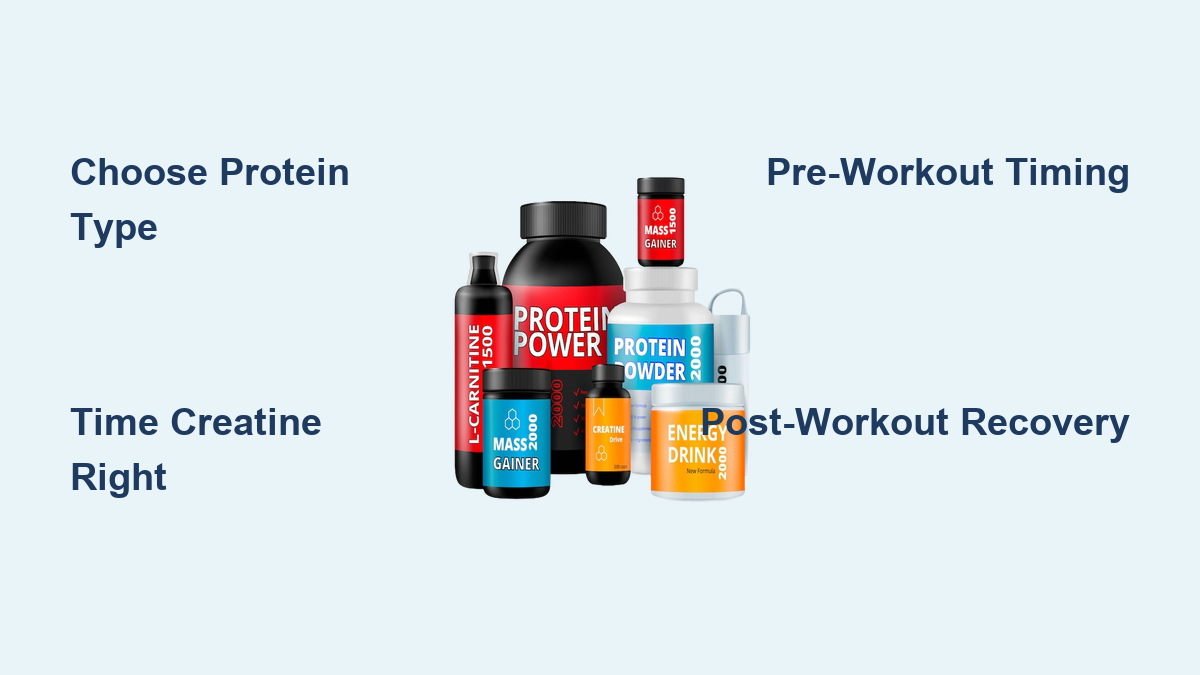

Gym supplements can transform your fitness journey when used correctly, but many people waste money on products they don’t understand how to use properly. Knowing how to use gym supplements effectively separates those who see real progress from those who get frustrated with disappointing results. With hundreds of products on the market making bold promises, understanding proper timing, dosages, and combinations becomes essential for maximizing your investment in both time and money. Research shows that strategically implemented supplement protocols can boost muscle growth by up to 20% and accelerate recovery times significantly when paired with proper training and nutrition.
This guide cuts through the confusion by providing specific, actionable instructions for using the most effective supplements available. You’ll learn exactly when to take each product, how much to consume for optimal results, and which combinations create powerful synergies. Whether you’re just starting your fitness journey or looking to break through a plateau, these evidence-based protocols will help you get measurable improvements from every scoop and capsule.
Choose Your Protein Type Based on Goals and Tolerance
Selecting the right protein supplement makes a dramatic difference in how effectively your body utilizes it for muscle repair and growth. Whey protein isolate delivers 90%+ pure protein with minimal fat and lactose, making it ideal if you’re sensitive to dairy or watching calories while trying to build lean muscle. Whey concentrate contains slightly less protein per serving (typically 70-80%) but includes beneficial milk fats that may support hormone production. If you’ve experienced digestive discomfort with whey products, switching to egg white protein provides a complete amino acid profile without dairy components.
Plant-based options have evolved significantly, with pea and rice protein blends now matching the amino acid completeness of whey products. Look for plant formulas containing at least 2.5 grams of leucine per serving—the critical amino acid that triggers muscle protein synthesis. For nighttime recovery, casein protein’s slow digestion rate provides sustained amino acid delivery throughout your sleep cycle, potentially reducing morning muscle soreness by up to 30% compared to fast-digesting proteins.
Time Protein for Specific Training Goals
If your primary goal is muscle hypertrophy, consume 25-40 grams of fast-digesting protein within 60 minutes after your workout, when your muscles are most receptive to nutrients. For strength athletes focusing on power development, prioritize protein intake 2-3 hours before training to ensure amino acids are available during heavy lifting sessions. Endurance athletes should combine 15-20 grams of protein with carbohydrates during prolonged training sessions exceeding 90 minutes to reduce muscle breakdown.
Avoid These Protein Supplementation Mistakes
Many lifters unknowingly sabotage their results by consuming protein supplements with extremely hot liquids, which can denature the protein structure and reduce absorption. Always mix powders with cool or room temperature water instead. Another common error involves taking protein immediately before bed without considering digestion time—opt for casein protein at least 30 minutes before sleep to allow proper digestion onset. Finally, don’t rely solely on supplements; aim to get 80% of your daily protein from whole food sources for optimal nutrient synergy.
Implement Creatine Correctly for Strength Gains

Creatine monohydrate remains the most researched and cost-effective supplement for increasing strength, power, and lean body mass. Skip the loading phase unless you need immediate results for competition—simply take 5 grams daily with your post-workout meal for consistent saturation within 28 days. For those weighing over 200 pounds, increase to 8 grams daily to maximize muscle stores. Take creatine with carbohydrates to boost absorption by up to 60% through insulin-mediated transport mechanisms.
Recognize These Creatine Side Effects Early
Some users experience mild stomach discomfort when starting creatine, which typically resolves within a week as your body adjusts. If you notice excessive water retention under the skin (not within muscle cells), reduce your daily dose to 3 grams while increasing water intake to 1 gallon daily. Those with pre-existing kidney conditions should consult a physician before use, though research confirms creatine is safe for healthy individuals at recommended doses.
Optimize Pre-Workout Timing for Energy and Focus
Consume stimulant-based pre-workouts exactly 37 minutes before training—the sweet spot when caffeine reaches peak blood concentration for most people. If you’re sensitive to jitters, start with half-scoops and gradually increase over two weeks. For non-stimulant ingredients like citrulline malate, take your full dose 60 minutes pre-workout on an empty stomach for maximum vasodilation effects. Never take pre-workouts within 8 hours of bedtime, as even small amounts of caffeine can reduce deep sleep by up to 20%.
Identify High-Quality Pre-Workout Formulas
Avoid products listing “proprietary blends” that hide exact ingredient amounts—reputable brands disclose specific dosages for each component. Look for formulas containing at least 6 grams of citrulline malate and 3.2 grams of beta-alanine per serving for proven effectiveness. Third-party tested products carrying NSF Certified for Sport or Informed-Choice verification ensure you’re not consuming banned substances or contaminants. Steer clear of pre-workouts containing “dmaa” or “dmha,” which have been linked to serious cardiovascular events.
Maximize Post-Workout Recovery with Strategic Timing

Take 3 grams of omega-3 fatty acids immediately after training to reduce inflammation without blunting the anabolic signaling from your workout. Combine 20 grams of whey protein with 50 grams of fast-digesting carbohydrates within 45 minutes post-exercise to optimize glycogen replenishment and muscle repair. For intense training blocks, add 8 ounces of tart cherry juice twice daily starting 48 hours before competition to reduce delayed onset muscle soreness by up to 34%.
Correct Electrolyte Imbalance After Heavy Sweating
When you lose more than 2% of your body weight through sweat during training, immediately replace fluids with an electrolyte solution containing 500-700mg sodium per liter. For sessions lasting over 90 minutes, include 100-200mg potassium and 80-100mg magnesium to prevent cramping and support nerve function. Don’t rely solely on sports drinks—many contain excessive sugar that can slow absorption; use electrolyte tablets in water instead for precise dosing.
Build Your Supplement Stack Strategically
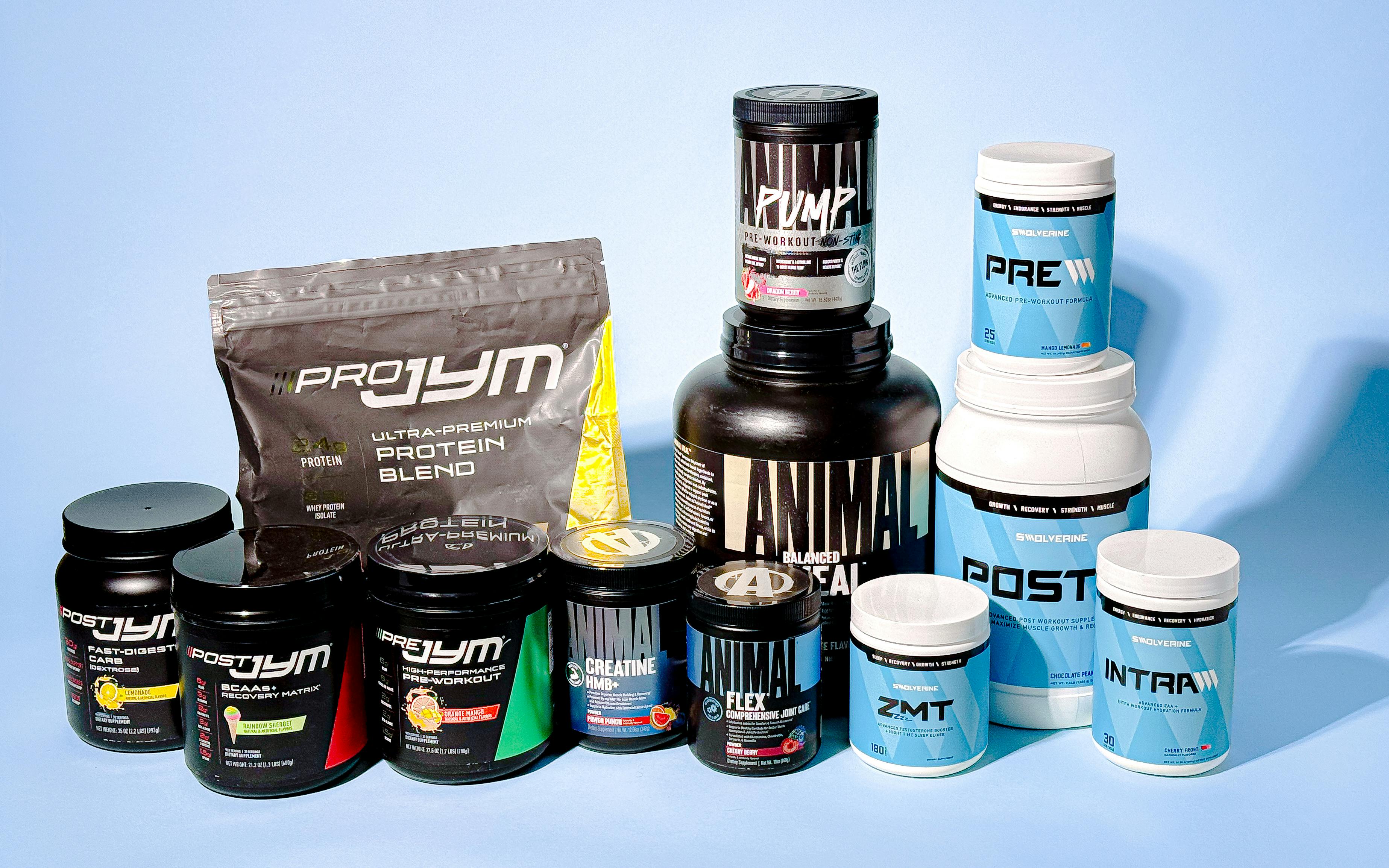
Beginners should start with just three foundational supplements: whey protein, creatine monohydrate, and a high-quality multivitamin. After 8 weeks, add one specialized product at a time based on specific needs—citrulline malate for pump issues, beta-alanine for high-rep work capacity, or omega-3s for recovery. Never introduce multiple new supplements simultaneously, as this makes it impossible to identify which product causes positive or negative effects.
Time Your Daily Supplement Schedule Precisely
Take fat-soluble vitamins (A, D, E, K) with your largest meal containing healthy fats for maximum absorption. Consume magnesium glycinate 30 minutes before bed to improve sleep quality and muscle recovery. Space out calcium and iron supplements by at least 2 hours, as they compete for absorption pathways. For consistent results, set phone reminders for each supplement timing window and store products in labeled containers for each part of your daily routine.
Avoid These Dangerous Supplement Combinations
Never combine multiple stimulant sources—this includes pre-workouts, energy drinks, and high-caffeine teas—which can dangerously elevate heart rate and blood pressure. Avoid taking high-dose vitamin K supplements with blood-thinning medications, as this creates serious health risks. Don’t mix beta-alanine with high-dose niacin (vitamin B3), as both cause flushing sensations that become unbearable when combined. Always consult your physician before starting new supplements if you take prescription medications.
Evaluate Supplement Effectiveness Objectively
Track your performance metrics for 4 weeks before and after introducing a new supplement to determine real effects. Measure specific variables like 1-rep max lifts, reps to failure at submaximal weights, and recovery time between sets. Take weekly progress photos under consistent lighting to document visual changes that might otherwise go unnoticed. If you don’t see measurable improvements after 8 weeks of consistent use at proper dosages, discontinue the product—it’s not working for your physiology.
Ensure Supplement Quality and Safety
Purchase only from brands that provide third-party Certificates of Analysis verifying ingredient purity and potency. Check for NSF Certified for Sport or Informed-Choice logos if you’re a competitive athlete subject to drug testing. Avoid extremely cheap products—quality ingredients cost money, and bargain supplements often contain fillers or inaccurate dosages. Research manufacturers thoroughly; established companies with 10+ years in business typically maintain higher quality control standards than fly-by-night operations.
Key Takeaways for Effective Supplement Use
Mastering how to use gym supplements transforms them from expensive powders into powerful tools that accelerate your progress. Start with foundational products like whey protein and creatine before adding specialized compounds, and always prioritize whole food nutrition as your primary fuel source. Time your supplements precisely based on your training schedule and specific goals, not generic recommendations. Track your results objectively to identify what actually works for your body rather than following marketing hype.
Remember that supplements provide marginal gains at best—they enhance a solid foundation of proper training, nutrition, and recovery practices but never replace them. By implementing these evidence-based protocols consistently, you’ll maximize your investment in supplements while avoiding common pitfalls that waste time and money. Consult with a sports nutritionist or healthcare provider before starting any new supplement regimen, especially if you have pre-existing health conditions or take medications, to ensure safe and effective integration with your overall health strategy.