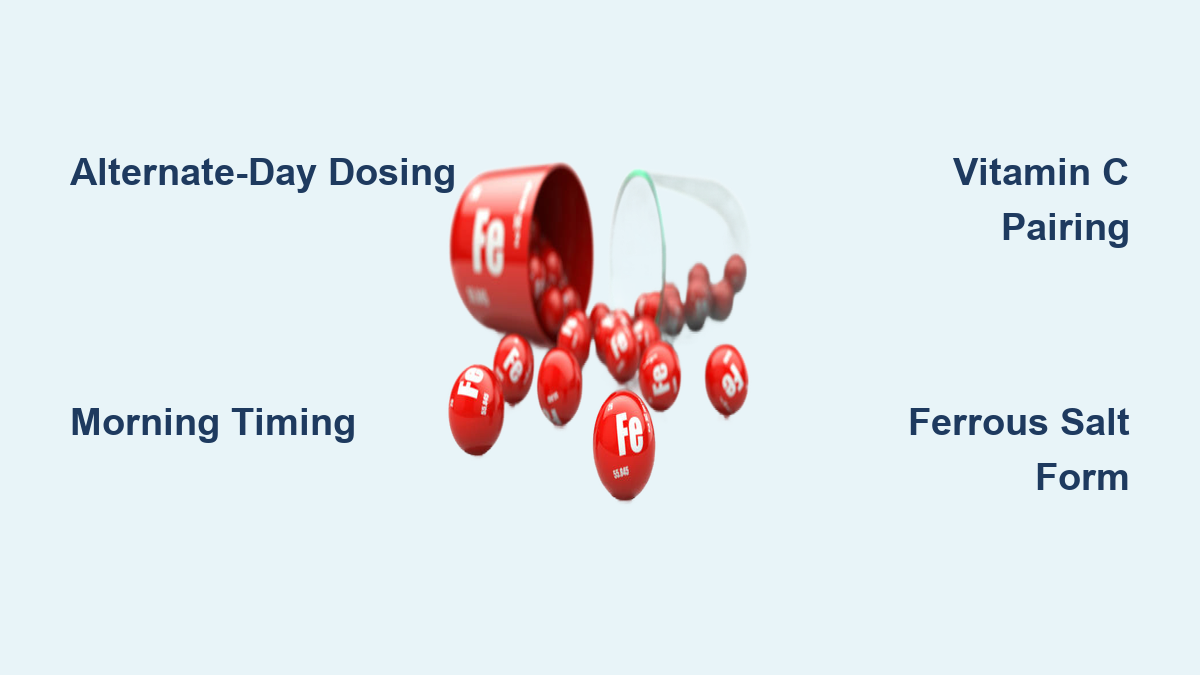

Iron deficiency affects one in five women of childbearing age, yet most are taking supplements the wrong way. Recent breakthroughs in iron metabolism research have completely transformed our understanding of the ideal iron supplement dosage for women. Instead of the traditional daily high-dose approach, science now reveals that strategic alternate-day dosing can double your iron absorption while significantly reducing uncomfortable side effects. This guide reveals the precise protocol backed by the latest hepcidin research—how much to take, when to take it, and which formulations work best to restore your iron levels faster than conventional methods.
If you’ve struggled with fatigue, hair loss, or other signs of iron deficiency despite taking supplements, the problem likely isn’t the iron itself—it’s how you’re taking it. For years, healthcare providers recommended daily iron doses based on incomplete understanding of iron regulation. Now, with advanced techniques measuring serum hepcidin (your body’s iron traffic controller), researchers have uncovered why so many women see slow results or quit supplements due to side effects. The solution requires a complete shift in your supplementation strategy.
Why Daily Iron Dosing Actually Reduces Absorption
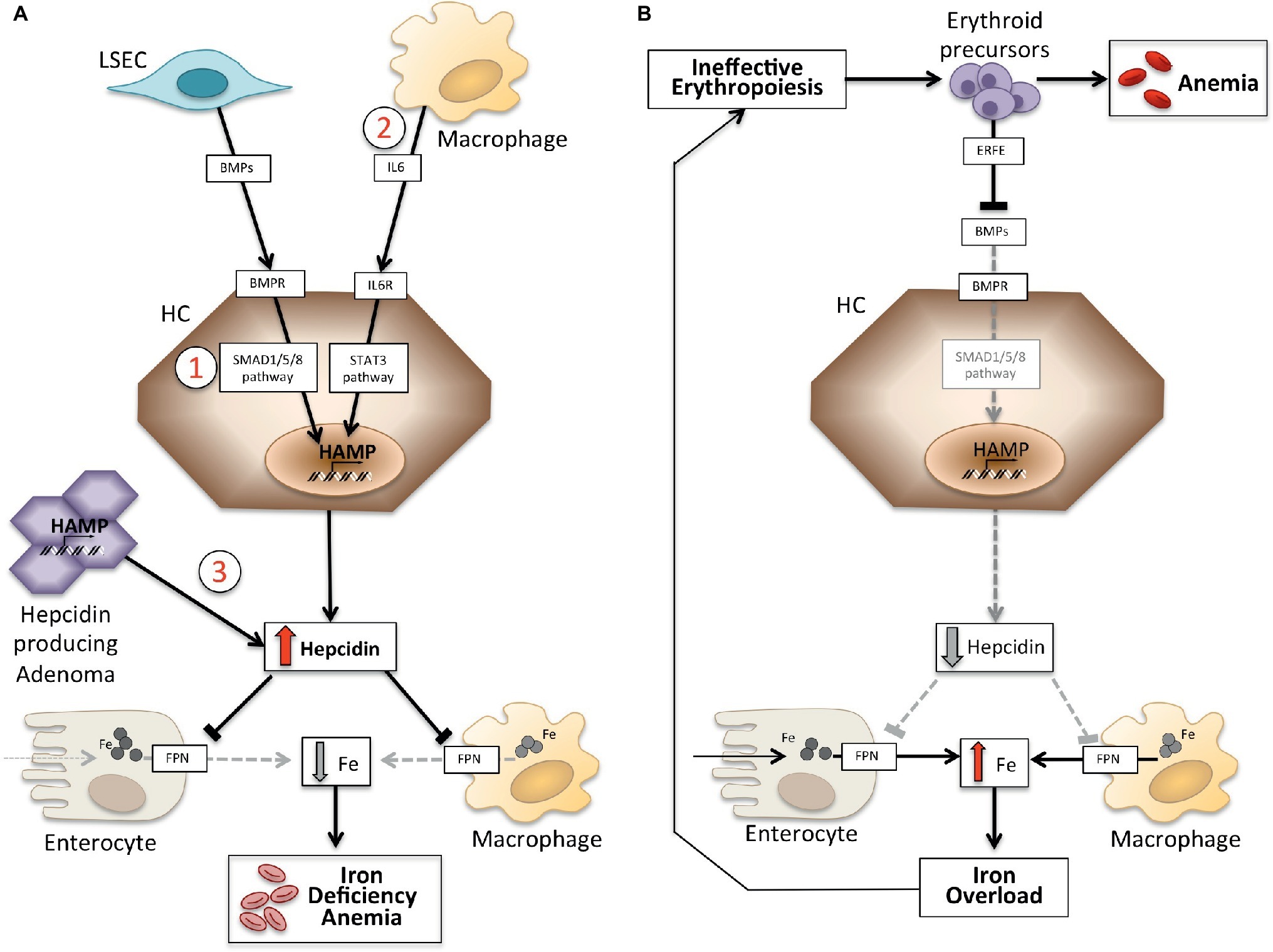
How Hepcidin Hijacks Your Iron Absorption
Your body’s iron absorption isn’t as simple as “more pills = more iron.” When you take an iron supplement of 60 mg or higher, your liver releases hepcidin—a hormone that essentially slams the brakes on further iron absorption for approximately 24 hours. This natural protective mechanism prevents iron overload, but it also means that taking iron daily creates a continuous blockade. The second and subsequent doses you take while hepcidin remains elevated get blocked, wasting both the supplement and your money.
Taking iron multiple times per day compounds this problem significantly. Each additional dose triggers more hepcidin production, creating an increasingly hostile environment for iron absorption. This explains why many women taking 200 mg of iron daily see minimal improvement—they’re actually absorbing less than they would with smarter dosing. The critical insight from recent research is that hepcidin levels fully reset approximately 48 hours after a dose, creating a narrow window for optimal absorption.
Morning Iron Timing Maximizes Uptake
The time of day you take iron dramatically impacts effectiveness due to your body’s natural circadian rhythm. Hepcidin levels naturally rise in the morning, peak around noon, and decline throughout the afternoon. Taking your iron supplement in the morning aligns with this rhythm but requires strategic spacing—you want to take advantage of the early morning absorption window before hepcidin peaks.
Taking iron in the afternoon or evening after a morning dose guarantees poor absorption because hepcidin remains elevated from the previous dose. Studies using stable iron isotopes confirm that morning dosing followed by a 48-hour break allows maximum fractional absorption—meaning a higher percentage of each dose actually enters your bloodstream. This timing strategy works with your body’s natural physiology rather than fighting against it.
Implementing the Alternate-Day Dosing Protocol

Step-by-Step Alternate-Day Iron Schedule
The evidence-based protocol for optimal iron absorption requires only minor adjustments to your routine but delivers dramatically better results:
- Take your full iron dose (60-120 mg of elemental iron) first thing in the morning with water or vitamin C-rich juice
- Skip the next day completely—no iron supplementation
- Resume your dose on the following morning (approximately 48 hours later)
- Continue this every-other-day pattern consistently
For practical implementation, choose specific days like Monday, Wednesday, and Friday for supplementation. Mark these days on your calendar or set phone reminders until the pattern becomes habitual. The specific days matter less than maintaining the 48-hour interval between doses—consistency is key to allowing hepcidin levels to fully reset before each administration.
When to Use Higher Alternate-Day Doses
For women with moderate to severe anemia who need faster results, research supports an intensified approach that still follows the alternate-day principle. Instead of taking 60 mg daily, take 120 mg every other day. Pooled analyses show this delivers significantly more absorbed iron than daily dosing while still respecting hepcidin physiology.
Important considerations for intensified dosing:
– Only implement this protocol under medical supervision
– Monitor for increased gastrointestinal side effects
– Never exceed 120 mg per dose without professional guidance
– Revert to standard 60-100 mg doses once hemoglobin begins improving
This approach provides the therapeutic benefit of higher total iron exposure without the absorption blockade caused by daily dosing—a critical distinction that explains why many women see faster improvement with fewer total pills.
Selecting Your Iron Supplement for Maximum Results

Ferrous Salts Outperform Other Formulations
Not all iron supplements deliver equal results. Clinical evidence consistently shows that ferrous salts provide superior absorption compared to other forms:
- Ferrous sulfate (65 mg elemental iron per 325 mg tablet): Most researched, cost-effective option
- Ferrous fumarate (106 mg elemental iron per 325 mg tablet): Highest elemental iron concentration
- Ferrous gluconate (36 mg elemental iron per 300 mg tablet): Better tolerated by sensitive systems
Avoid these common ineffective formulations:
– Enteric-coated tablets (reduces absorption by preventing iron release in stomach)
– Extended-release formulations (misses optimal absorption window)
– Ferric iron compounds (significantly less bioavailable than ferrous forms)
When reading labels, focus on “elemental iron” content—the actual amount available for absorption—not total tablet weight. Many women unknowingly take insufficient doses because they don’t calculate elemental iron properly.
Boosting Absorption While Avoiding Common Mistakes
Triple Your Iron Uptake with Vitamin C
Taking vitamin C alongside your iron supplement increases absorption by 2-3 times through two mechanisms: converting iron to its most absorbable form and creating soluble complexes that resist precipitation. For maximum effect:
- Take 200-500 mg of vitamin C with each iron dose
- Drink fresh orange juice (not from concentrate) with your supplement
- Eat vitamin C-rich foods like bell peppers or strawberries at your iron meal
Critical mistake to avoid: Taking iron with calcium-rich foods or supplements. Calcium blocks iron absorption by up to 50%—separate these by at least two hours. The same applies to tea and coffee, which contain polyphenols that inhibit iron uptake. Wait one hour before or two hours after your iron dose to consume these beverages.
Managing Side Effects Without Sacrificing Results
Why Alternate-Day Dosing Reduces GI Distress
Gastrointestinal side effects cause up to 70% of women to discontinue iron supplements prematurely. These issues occur because unabsorbed iron irritates the gut lining and disrupts your microbiome. With traditional daily dosing, 80-90% of each dose remains unabsorbed, continuously irritating your system.
The alternate-day protocol significantly reduces this problem by giving your digestive tract recovery time between doses. Women who switch from daily to alternate-day dosing typically report fewer issues with constipation, nausea, and abdominal pain while achieving better iron repletion. This isn’t just more comfortable—it dramatically improves treatment success rates.
Proven side effect reduction strategies:
– Start with lower doses (45 mg) and gradually increase to target
– Take iron with a small amount of food if needed (slightly reduces absorption but improves compliance)
– Stay well-hydrated and increase fiber intake to combat constipation
– Consider probiotic supplementation to support gut health during treatment
Special Populations Requiring Tailored Approaches
Iron Needs for Athletes and Active Women
Female athletes face unique iron challenges due to increased losses through sweat, foot strike hemolysis, and gastrointestinal bleeding during intense exercise. Research shows up to 50% of female endurance athletes have depleted iron stores. For athletic women:
- Target the higher end of the dosage range (80-120 mg on alternate days)
- Monitor ferritin levels regularly (aim for 50-70 ng/mL rather than standard 30 ng/mL)
- Consider timing supplementation after training sessions when possible
- Pair with vitamin C and avoid calcium-rich recovery foods immediately after dosing
Women with heavy menstrual bleeding, gastrointestinal conditions like IBD or celiac disease, or those who have had bariatric surgery may require modified protocols or intravenous iron under medical supervision. Always consult your healthcare provider before starting supplementation if you have underlying health conditions.
Monitoring Progress and Knowing When to Adjust
Tracking Your Iron Repletion Timeline
Understanding what to expect prevents premature discontinuation of effective treatment. With the alternate-day protocol:
- Hemoglobin improvements typically appear within 2-3 weeks
- Significant symptom relief often occurs within the first 7-10 days
- Complete iron store repletion takes 3-6 months of consistent supplementation
Get tested at these critical intervals:
– Baseline before starting supplementation
– 4-8 weeks after beginning treatment
– 3 months after normalization to confirm sustained repletion
Stopping supplementation too early—once symptoms improve but before stores are full—leads to relapse in most women. Maintain your protocol until ferritin reaches at least 50 ng/mL, then discuss maintenance dosing with your provider.
When to Consult a Healthcare Professional
Red Flags Requiring Immediate Medical Attention
While many women can safely implement evidence-based iron supplementation, certain situations demand professional evaluation:
- Severe symptoms like chest pain, shortness of breath at rest, or heart palpitations
- No improvement after 8-12 weeks of consistent, properly timed supplementation
- Unexplained deficiency in postmenopausal women or those without obvious causes
- Pregnancy-related concerns requiring specialized dosing protocols
If you’re taking iron supplements without medical guidance and experience persistent side effects, black tarry stools, or vomiting, seek immediate evaluation. Iron overload can be dangerous, so proper monitoring is essential.
Your journey to optimal iron status doesn’t have to be frustrating or uncomfortable. By implementing this evidence-based alternate-day dosing protocol—taking 60-120 mg of elemental iron as a ferrous salt with vitamin C every other morning—you’ll maximize absorption, minimize side effects, and restore your energy faster than traditional approaches. Remember that proper iron repletion is a marathon, not a sprint—consistency with this scientifically supported method delivers the results your body needs. Track your symptoms, get appropriate testing, and partner with your healthcare provider to optimize your individual protocol for long-term iron health.