


Lactoferrin has emerged as one of the most intriguing compounds in nutritional science—a protein naturally found in breast milk that offers remarkable benefits for immune function and iron regulation. If you’ve been searching for supplements that support your body’s defenses while also addressing iron deficiency, lactoferrin deserves your attention. This glycoprotein, present in highest concentrations in the first milk mammals produce after birth, works through multiple mechanisms to protect against infections and optimize mineral absorption. Understanding the evidence-based lactoferrin supplement benefits can help you determine whether this powerful protein belongs in your daily health regimen.
The science behind lactoferrin supplementation has grown substantially over recent decades, revealing applications that range from supporting maternal health during pregnancy to enhancing immune responses in vulnerable populations. However, not all proposed benefits have equal evidentiary support, and separating proven effects from speculative claims is essential for making informed supplementation decisions. This comprehensive guide examines what clinical research actually demonstrates about lactoferrin’s effectiveness, appropriate dosing strategies, safety considerations, and practical guidance for those considering this supplement.
For individuals struggling with iron deficiency who can’t tolerate conventional iron supplements, lactoferrin offers a scientifically supported alternative with fewer gastrointestinal side effects. Its dual action as both an iron regulator and immune modulator makes it uniquely valuable compared to single-purpose supplements.
Proven Benefits Backed by Clinical Research
Iron Supplementation During Pregnancy
One of the most well-established lactoferrin supplement benefits involves addressing iron deficiency during pregnancy, a condition affecting a significant proportion of expectant mothers worldwide. Clinical evidence demonstrates that lactoferrin functions as an effective iron source, producing results comparable to traditional oral iron supplements that doctors have prescribed for decades. What makes lactoferrin particularly valuable in this context is its superior tolerability profile—many pregnant women experience gastrointestinal distress from conventional iron supplements, leading to poor compliance and continued deficiency.
Research indicates that lactoferrin’s effectiveness rivals not only oral supplements but potentially iron injections administered by healthcare providers in certain situations. This offers a less invasive alternative for pregnant women who struggle with oral iron tolerance or require rapid iron repletion. The protein’s natural iron-binding properties allow for efficient iron delivery while minimizing the oxidative stress that can accompany high-dose iron supplementation. For expectant mothers seeking to support their own health and fetal development simultaneously, lactoferrin represents a scientifically validated option worth discussing with prenatal care providers.
Sepsis Prevention in Premature Infants
Among the most significant lactoferrin supplement benefits documented in clinical research is the protective effect observed in premature infants against serious blood infections, commonly known as sepsis. This population faces extraordinarily high risks from bloodstream infections, which represent leading causes of mortality and long-term morbidity in neonatal intensive care units worldwide. Administration of lactoferrin to preterm infants has demonstrated promise in reducing sepsis incidence through multiple complementary mechanisms.
The protective action operates through enhancement of immature immune function, direct antimicrobial activity against common neonatal pathogens, and modulation of the inflammatory response that can become damaging when dysregulated. This application directly reflects lactoferrin’s natural role in colostrum—the first milk produced after birth that provides critical immune protection to newborns during their most vulnerable period. While this benefit is most relevant to clinical settings under medical supervision, it underscores the fundamental biological importance of this protein in human health and defense against infection.
How Lactoferrin Works in Your Body
Iron Regulation and Absorption Control
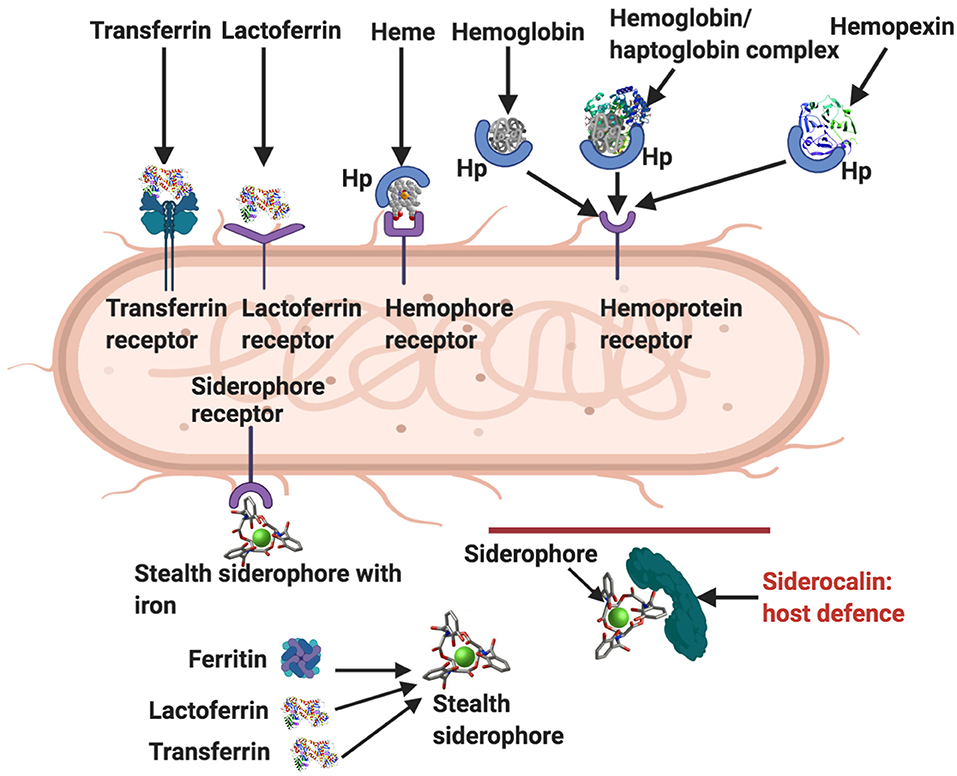
Understanding lactoferrin supplement benefits requires appreciating the protein’s primary biological function: regulating iron metabolism through high-affinity binding of ferric iron. Lactoferrin binds iron ions in the intestine with remarkable specificity, controlling how much iron enters the bloodstream and preventing the excessive uptake that could promote harmful bacterial growth. This dual action supports optimal iron utilization while simultaneously creating an unfavorable environment for pathogens that require iron for proliferation.
The clinical implications of this mechanism extend beyond simple iron supplementation. By controlling iron availability, lactoferrin helps maintain the delicate balance between sufficient iron for cellular functions and avoiding the oxidative damage that can result from free iron circulating in the bloodstream. This regulatory role explains why lactoferrin demonstrates particular value in contexts where iron status needs support without the risks associated with unbound iron supplementation.
Immune System Enhancement
Beyond its iron-binding capabilities, lactoferrin contributes to immune function through multiple complementary pathways that collectively enhance the body’s natural defense systems. The protein stimulates natural killer cell activity, promotes appropriate cytokine production, and supports the proliferation and differentiation of various immune cell populations. These immunomodulatory properties create broad-spectrum benefits that extend across bacterial, viral, and fungal challenges.
The antimicrobial activity operates through several distinct mechanisms beyond iron sequestration. Lactoferrin can disrupt microbial cell membranes directly and interferes with viral attachment and entry processes, providing protection against numerous pathogens before they establish infection. This multifaceted approach to host defense distinguishes lactoferrin from single-mechanism antimicrobials and contributes to its reputation as a comprehensive immune-supporting compound.
Appropriate Dosing and Administration
Standard Dosage Guidelines
Clinical research and practical applications have established lactoferrin dosing in the range of 100 to 400 milligrams taken by mouth daily, with study durations extending up to 12 weeks providing substantial evidence for safety and effectiveness within this range. This dosage range accommodates different individual needs and specific health conditions being addressed. Some individuals may respond adequately to lower doses, while others with particular requirements might benefit from amounts at the higher end of the established range.
The appropriate dose depends on several factors including the specific health goal being pursued, individual body weight and metabolism, existing iron status, and the concentration and bioavailability of the particular product being used. Starting with moderate doses and adjusting based on response and tolerability represents a reasonable approach for most individuals exploring lactoferrin supplementation for the first time.
Formulation Considerations

Lactoferrin supplements come in several formulation types, primarily capsules and powders designed for oral administration. The source of lactoferrin varies among products, with bovine milk-derived lactoferrin representing the most common option due to its structural similarity to human lactoferrin and established safety profile. Some products utilize recombinant production methods, including specialized processing of rice to produce human lactoferrin, which may offer advantages for certain applications.
Product quality varies considerably in the supplement market, making manufacturer reputation and third-party testing important considerations when selecting lactoferrin supplements. Proper storage according to manufacturer recommendations helps maintain potency, as the protein structure makes lactoferrin sensitive to temperature, humidity, and light exposure. Checking expiration dates and observing any changes in color or consistency can help ensure you’re consuming a product that retains its beneficial properties.
Safety Profile and Potential Side Effects
General Safety Considerations
Lactoferrin consumed as a food component, particularly through dairy products, has a long history of safe use at typical dietary levels. When consumed in higher amounts derived from cow’s milk, lactoferrin appears to be safe for continuous use for periods extending up to one year. Human lactoferrin produced through specialized processing of rice has demonstrated safety for use periods up to 14 days in clinical studies. This established safety record provides confidence for individuals considering lactoferrin supplementation within recommended parameters.
However, dose-related side effects do occur at elevated intakes. Taking lactoferrin in doses exceeding 7.2 grams per day appears to significantly increase the risk of experiencing adverse effects. Documented side effects at higher doses include skin rash, loss of appetite, constipation, diarrhea, and nausea. These dose-related effects suggest a clear threshold above which tolerability decreases, emphasizing the importance of adhering to recommended dosing guidelines rather than assuming that more is necessarily better.
Special Population Considerations
Pregnant and breastfeeding individuals should approach lactoferrin supplementation with appropriate caution and professional guidance. Research indicates that lactoferrin is possibly safe when taken by mouth at doses of 200 mg daily during pregnancy, with this dosage demonstrating an acceptable safety profile for both mother and developing fetus. However, insufficient evidence exists to evaluate the safety of lactoferrin administered through other routes during pregnancy, leading to the recommendation that pregnant individuals stick to established safe dosage levels from food or supplements.
For infants and young children, lactoferrin appears safe when added to formula or other foods such as yogurt at typical supplement levels, reflecting its natural presence in milk and established safety profile in pediatric nutrition. However, evidence is insufficient to establish safety profiles for lactoferrin use in children over six years of age, representing an area where additional research would provide valuable guidance for families considering supplementation.
Limitations of Current Evidence
Applications Without Proven Benefit
Honest assessment of lactoferrin supplement benefits requires acknowledging applications where research has demonstrated ineffectiveness. Taking lactoferrin does not appear to prevent mortality in premature infants despite its various beneficial properties, and clinical evidence indicates no statistically significant effect on reducing death rates in this high-risk population. Similarly, lactoferrin supplementation has been investigated for preventing necrotizing enterocolitis, a serious intestinal disease affecting premature infants, but has not demonstrated effectiveness for this purpose.
These negative findings are clinically significant because they help define the boundaries of lactoferrin’s therapeutic applications. Understanding what lactoferrin does not do is equally important as knowing its proven benefits when making supplementation decisions, particularly for vulnerable populations such as premature infants where inappropriate expectations could lead to delayed or inadequate medical treatment.
Areas Requiring Additional Research
Considerable interest exists in exploring lactoferrin for numerous additional health purposes, including diarrhea management and common cold treatment. However, insufficient reliable scientific evidence currently exists to confirm or deny potential benefits for these applications. The scientific community continues investigating lactoferrin’s potential roles in various health contexts, but definitive conclusions await further high-quality clinical research with larger sample sizes and standardized protocols.
Current research limitations include variation in lactoferrin sourcing and dosing protocols across studies, small sample sizes in many trials, and heterogeneity in outcome measures that complicate comparisons between investigations. These methodological considerations affect the strength of conclusions that can be drawn and highlight the need for additional well-designed clinical studies to clarify lactoferrin’s efficacy across different applications.
Practical Guidance for Supplementation
Selecting Quality Products

When choosing lactoferrin supplements, several factors warrant consideration to ensure you’re selecting a product likely to provide the intended benefits. Source material affects both bioavailability and potential antigenicity, with bovine-derived lactoferrin representing the most extensively studied option. Purity and standardization indicate manufacturing quality, while the presence of additional ingredients may either enhance or detract from the product’s effectiveness depending on your specific goals.
Key product selection criteria include:
– Third-party verification for purity and potency
– Clear labeling of lactoferrin source (bovine vs. recombinant)
– Expiration date and storage instructions
– Concentration per serving (avoid products with extremely low doses)
– Absence of unnecessary fillers or allergens
Manufacturing quality standards vary considerably in the supplement industry, making third-party testing and manufacturer reputation important selection criteria. Products that have undergone independent verification for purity and potency provide greater confidence in their actual contents compared to unverified alternatives. Checking for certifications from recognized testing organizations can help navigate the complex landscape of supplement quality.
Monitoring and Professional Guidance
Individuals using lactoferrin supplements, particularly at therapeutic doses or for extended periods, may benefit from monitoring relevant health parameters. For applications related to iron status, periodic assessment of iron metabolism markers can help optimize dosing and track treatment response. Any adverse effects should prompt consultation with healthcare providers to evaluate continued use and potential dosage adjustments.
Important monitoring considerations include:
– Tracking symptoms related to iron deficiency (fatigue, weakness)
– Noting any gastrointestinal changes
– Monitoring immune response frequency (illness occurrences)
– Recording any skin reactions or other potential side effects
Healthcare provider consultation is strongly recommended to determine the most appropriate lactoferrin product type and dosing regimen for specific health conditions. Professional guidance ensures appropriate product selection, dosing optimization, and safety monitoring tailored to individual circumstances and health status. This is particularly important for individuals with existing health conditions, those taking other medications, or those who are pregnant or breastfeeding.
Key Takeaways for Informed Supplementation
Lactoferrin supplement benefits center on two primary applications with substantial clinical support: addressing iron deficiency, particularly during pregnancy, and contributing to immune defense against infections. The protein’s natural role in neonatal health and its established safety profile make it an attractive option for those seeking iron support with better tolerability than conventional supplements or immune support through a mechanism distinct from single-agent antimicrobials.
However, realistic expectations are essential for satisfactory supplementation experiences. Lactoferrin is not a miracle compound that prevents all infections or treats every condition—its benefits are specific and evidence-based rather than universal. Understanding the distinction between proven applications and speculative uses allows for appropriate supplementation decisions that are more likely to produce desired outcomes. When in doubt, consulting with healthcare providers who can assess your individual situation and provide personalized recommendations represents the most responsible approach to exploring lactoferrin supplementation.