

You pop a magnesium supplement hoping for better sleep, muscle recovery, or relief from constipation—only to find yourself doubled over with stomach cramps or making frequent trips to the bathroom. If magnesium supplements hurt your stomach, you’re not imagining things. Gastrointestinal distress represents one of the most common side effects reported by supplement users, affecting everything from mild queasiness to disruptive diarrhea that derails your day. Understanding why this happens gives you the power to continue benefiting from this essential mineral without the painful consequences.
The good news is that stomach issues from magnesium supplements are often preventable once you know the science behind them. This guide reveals exactly why magnesium supplements hurt your stomach, identifies who’s most at risk, and provides actionable solutions to keep your digestive system comfortable while still getting the benefits you need. Whether you’re taking magnesium for deficiency, sleep support, or constipation relief, these strategies can help you find an approach that works with your body—not against it.
Why Magnesium Hurts Your Stomach
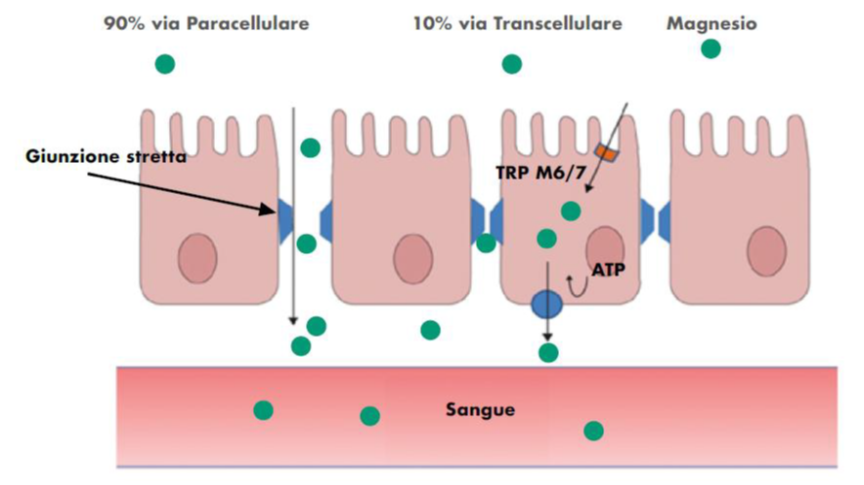
Magnesium supplements hurt your stomach primarily through osmotic effects that pull water into your intestines. When you take magnesium orally, the mineral draws water from your body tissues into your intestinal lumen through osmosis. This influx of water increases stool moisture and volume while accelerating how quickly waste moves through your colon. While this mechanism makes magnesium effective as a constipation treatment, it also explains why many people experience loose stools or diarrhea after supplementation—especially when taking doses above 350 milligrams daily.
Direct Irritation of Your Digestive Lining
Beyond osmosis, magnesium ions directly irritate your gastrointestinal tract lining. The delicate mucosa coating your stomach and intestines reacts to magnesium exposure with inflammation that manifests as cramping, burning sensations, or general abdominal pain. This irritation intensifies with forms that dissolve rapidly and release high concentrations of free magnesium ions. Magnesium hydroxide and oxide, for example, tend to cause more pronounced irritation because they dissociate quickly in your digestive system, flooding your intestinal lining with unabsorbed magnesium that draws additional water and triggers discomfort.
Absorption Rate Determines Your Discomfort Level
Your body’s magnesium absorption rate significantly impacts whether supplements hurt your stomach. Forms that dissolve and absorb quickly—like magnesium citrate—produce more dramatic effects on intestinal motility and water balance, leading to stronger laxative consequences. Slower-absorbing forms may cause less intense but more prolonged digestive effects. Your personal absorption rate depends on factors including stomach acid levels, gut health, and whether you take supplements with food. Individuals with compromised digestive function often experience more severe reactions because their systems struggle to process the mineral efficiently.
Common Stomach Symptoms Explained

When magnesium supplements hurt your stomach, symptoms typically follow a recognizable pattern that varies based on dosage, form, and individual sensitivity. Learning to identify these symptoms helps you distinguish between normal adjustment periods and signs you need to change your approach.
Stomach Upset: The First Warning Sign
Stomach upset represents the most general form of magnesium-related digestive distress, manifesting as persistent discomfort or unease in your abdominal region. Many people describe it as a gnawing, unsettled feeling that makes concentration difficult. This sensation often centers in the upper abdomen but can spread throughout your belly. Stomach upset typically precedes more specific symptoms and may come and go during your supplementation period, signaling that your current dose or form might be too harsh for your system.
Nausea: When Your Body Says “Too Much”
Nausea frequently accompanies stomach upset, creating that distinctive sensation of impending vomiting ranging from mild queasiness to intense discomfort. This symptom correlates strongly with dosage and magnesium form—starting with higher doses or fast-acting forms increases your likelihood of nausea. Taking magnesium with food often reduces this symptom by slowing absorption, though some sensitive individuals need additional modifications. If nausea persists after trying these adjustments, it’s a clear signal that your current approach isn’t working for your digestive system.
Diarrhea: The Most Common Complaint
Diarrhea stands as the most well-documented side effect when magnesium supplements hurt your stomach. The same osmotic mechanism that relieves constipation can overwhelm your system when you’re supplementing for other purposes. Magnesium-induced diarrhea typically begins within hours of taking your dose and ranges from loose stools to urgent, watery bowel movements. This symptom becomes increasingly likely as doses exceed 350 milligrams daily, especially with forms like magnesium hydroxide or citrate. Persistent diarrhea can lead to dehydration if severe, making it crucial to address promptly.
Dosage Limits That Prevent Stomach Pain
Understanding magnesium dosage limits provides the foundation for safe supplementation that minimizes stomach-related risks. Staying within recommended thresholds dramatically reduces your chances of experiencing significant digestive distress.
The 350-Milligram Safety Threshold
For most healthy adults, doses under 350 milligrams daily are considered safe and typically well-tolerated by the gastrointestinal system. This threshold represents an important boundary—exceeding it significantly increases your risk of adverse effects. Individual tolerance varies considerably, with some people experiencing symptoms at doses as low as 200 milligrams while others handle 400 milligrams without problems. Your personal sensitivity, current health status, and the form of magnesium you choose all influence where your tolerance falls within this range.
Daily Requirements vs. Safe Supplementation Levels
Adult males require 400 to 420 milligrams of magnesium daily under normal circumstances, while adult females need 310 to 320 milligrams. These amounts represent the recommended dietary allowance to maintain adequate magnesium status—not necessarily the maximum safe supplement dose. Many people successfully meet some or all of their magnesium needs through diet, using supplements to fill gaps rather than relying on them as primary sources. This dietary approach often produces fewer digestive side effects than high-dose supplementation.
Magnesium Forms That Minimize Stomach Discomfort

The specific form of magnesium you choose significantly impacts your likelihood of experiencing stomach problems. Selecting the right form can mean the difference between digestive harmony and constant discomfort.
Gentler Forms for Sensitive Systems
If magnesium supplements hurt your stomach, consider switching to magnesium glycinate or bisglycinate. These chelated forms attach magnesium to glycine (an amino acid), enhancing absorption while reducing free magnesium ions that cause intestinal irritation. The glycine itself may provide additional benefits for sleep and relaxation, making this form particularly suitable for nighttime use. Many people with sensitive digestive systems find they can tolerate magnesium glycinate at doses where other forms cause significant discomfort.
Forms to Avoid with Stomach Sensitivity
Magnesium oxide and hydroxide tend to cause the most stomach problems due to their rapid dissociation and high osmotic activity. Magnesium oxide has notably lower bioavailability—your body absorbs less of what you consume—so more unabsorbed magnesium remains in your digestive tract to exert osmotic effects. Despite its drawbacks, magnesium oxide remains popular due to its low cost and high elemental magnesium content. If you’ve experienced stomach issues with standard forms, these harsher options are likely contributing to your discomfort.
Immediate Fixes for Stomach Discomfort
When magnesium supplements hurt your stomach, several immediate strategies can help reduce discomfort and prevent symptoms from escalating.
Smart Dosage Adjustments
Start with doses well below your target amount and gradually increase over several days or weeks. This gradual introduction allows your digestive system to adapt rather than being overwhelmed. If your target is 300 milligrams daily, begin with 100 milligrams for several days before increasing. Many people discover they can eventually tolerate their goal dose only after this adjustment period, while others find they need to settle on a lower dose that provides benefits without unacceptable symptoms.
Timing Tactics That Work
Taking magnesium with food creates a buffer that slows how quickly the supplement contacts your intestinal mucosa. Some individuals find that taking magnesium with a substantial meal eliminates stomach upset entirely. Additionally, splitting your total daily dose into multiple smaller administrations—like 100 milligrams three times daily instead of 300 milligrams once—significantly reduces the impact on your digestive system at any one time.
Who’s Most at Risk for Severe Reactions
Certain populations face higher risks of experiencing stomach problems from magnesium supplementation. Recognizing whether you fall into any of these categories helps you approach supplementation with appropriate caution.
Kidney Function Determines Your Risk Level
Individuals with kidney impairment face the most significant risk factors for magnesium-related complications. Healthy kidneys efficiently filter excess magnesium from your bloodstream, but impaired kidney function reduces this clearance capacity. As a result, magnesium can accumulate in your body, increasing both gastrointestinal and systemic side effect risks. Anyone with kidney disease or reduced kidney function should avoid magnesium supplementation unless specifically directed by a healthcare provider.
Medication Interactions That Worsen Symptoms
Those taking certain medications need to exercise particular caution due to potential interactions that can affect both absorption and side effect profiles. Antibiotics in the quinolone and tetracycline families may have reduced effectiveness when taken with magnesium due to decreased absorption. Muscle relaxants may have enhanced effects when combined with magnesium, potentially leading to increased sedation or weakness. Always discuss all medications with your healthcare provider before starting magnesium supplements.
When to See a Doctor Immediately
While mild stomach upset often resolves with dosage or form adjustments, certain symptoms require professional medical evaluation.
Warning Signs of Dangerous Complications
Persistent or severe gastrointestinal symptoms that continue despite reasonable modifications to your supplementation strategy warrant medical evaluation. More importantly, signs of hypermagnesemia—such as irregular heartbeat, significantly low blood pressure, confusion, or slowed breathing—require immediate medical attention. Though rare in people with healthy kidney function, these symptoms indicate that magnesium levels have risen to dangerous levels in your bloodstream.
Dehydration Danger from Severe Diarrhea
Severe diarrhea from magnesium supplementation can lead to dehydration, particularly in vulnerable populations. Signs include excessive thirst, reduced urine output, dark-colored urine, dizziness, fatigue, and dry mouth. Young children, elderly individuals, and those with chronic health conditions face higher dehydration risks and should receive prompt medical attention if these symptoms develop while taking magnesium supplements.
Key Takeaways for Stomach-Friendly Supplementation
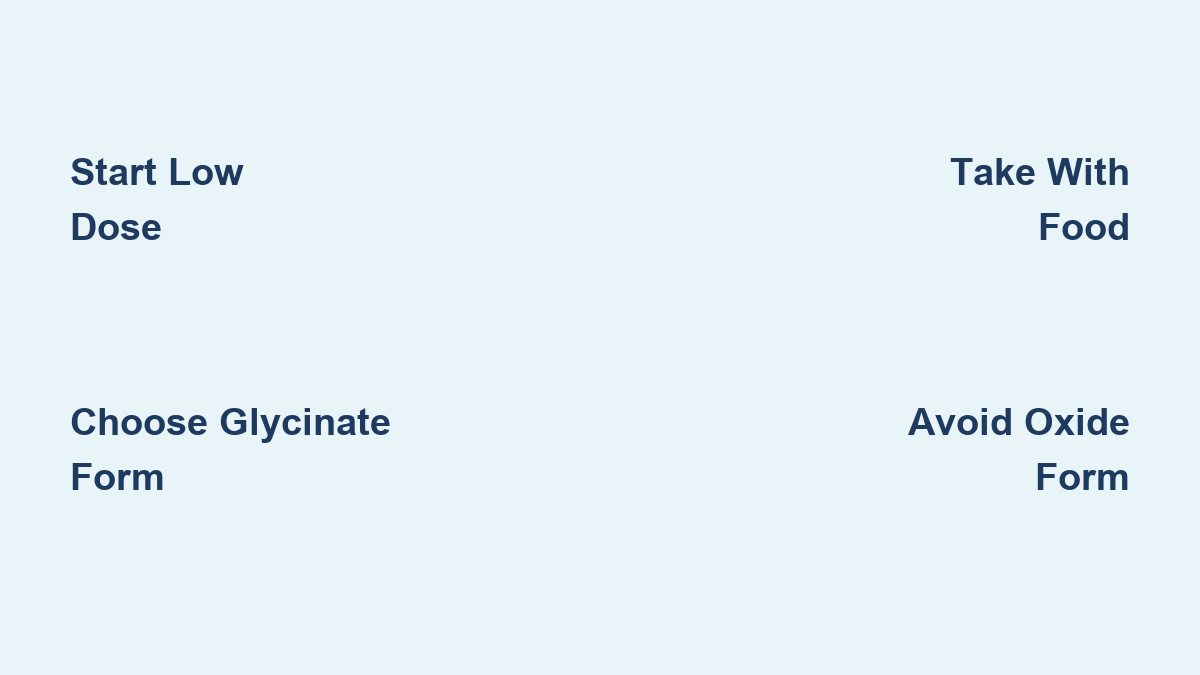
Magnesium supplements hurt your stomach for predictable physiological reasons, but this outcome isn’t inevitable. By understanding the osmotic effects, direct irritation mechanisms, and absorption rate factors, you can make informed choices that minimize discomfort. Start low and go slow with dosing—never exceed 350 milligrams daily without medical supervision. Choose gentler forms like magnesium glycinate if you have a sensitive digestive system, and always take supplements with food to buffer their effects.
Those with kidney impairment, gastrointestinal conditions, or who take interacting medications face higher risks and require professional guidance. Recognize when symptoms warrant medical evaluation—persistent severe discomfort, signs of hypermagnesemia, or dehydration require prompt attention. By implementing these strategies, you can successfully incorporate this essential mineral into your health regimen without sacrificing digestive comfort. The key lies in finding the right combination of form, dose, and timing that works for your unique body—and adjusting as needed when circumstances change.