

You’ve likely heard moringa called the “miracle tree” or “nature’s medicine cabinet” – but what makes moringa leaf supplement benefits worth your attention? Modern science has confirmed what traditional healers knew for centuries: this nutrient-dense plant delivers measurable health improvements across multiple body systems. With over 100 research papers published between 2000-2022 and clinical validation for numerous conditions, moringa has moved from folk remedy to evidence-based supplement. Understanding exactly how moringa supports your health could transform your approach to natural wellness.
The remarkable value of moringa lies in its unparalleled nutritional density. Unlike single-purpose supplements, moringa delivers over 90 bioactive compounds in one package – including complete proteins, essential amino acids, vitamins A, C, and E, calcium, potassium, and powerful antioxidants. Researchers from India, Nigeria, Brazil, and other countries have documented moringa’s therapeutic potential across 25 clinical studies, with 15 completed trials showing positive outcomes for conditions ranging from malnutrition to chronic inflammation. This guide cuts through the hype to show you exactly which moringa leaf supplement benefits are scientifically supported and how to maximize results.
Why Moringa Leaf Stands Out as a Superfood
Moringa oleifera’s exceptional nutritional profile makes it unlike any other supplement on the market. Dried moringa leaves contain approximately 70% oleic acid and deliver more vitamin A than carrots, more calcium than milk, and more potassium than bananas. What truly sets moringa apart is its complete amino acid profile – rare among plant-based sources – making it particularly valuable for addressing nutritional deficiencies common in modern diets.
The phytochemical analysis reveals why moringa delivers such comprehensive benefits: alkaloids, phenolic acids, glycosides, sterols, glucosinolates, flavonoids, terpenes, and fatty acids work synergistically rather than in isolation. Specific compounds like muramoside A and B and niazimin A and B demonstrate potent antioxidant, anticancer, antihypertensive, and hepatoprotective effects. When you take moringa leaf supplements, you’re not just getting isolated nutrients – you’re receiving nature’s carefully balanced nutritional system designed for maximum bioavailability.
What to Look for in Quality Moringa Supplements
Not all moringa supplements deliver equal benefits. Nutrient content varies significantly based on soil conditions and geographic location where the plant was grown. For guaranteed potency, choose products that specify:
- Standardized extracts with markers like astragalin and isothiocyanates
- Third-party testing for heavy metals and contaminants
- Organic certification (moringa readily absorbs soil impurities)
- Full-spectrum powder rather than isolated compounds
Pro Tip: Moringa grown in nutrient-rich volcanic soils typically contains higher concentrations of zeatin – the plant hormone responsible for stress resistance and anti-aging benefits.
How Moringa’s Antioxidants Protect Your Cells Daily

One of the most scientifically validated moringa leaf supplement benefits involves its exceptional antioxidant capacity. The high concentration of polyphenols, flavonoids, and carotenoids enables effective scavenging of free radicals that cause oxidative stress – the underlying factor in aging and numerous chronic diseases. Unlike single-antioxidant supplements, moringa delivers multiple antioxidant compounds that work through complementary mechanisms.
Research shows moringa’s standardized extracts of astragalin and isothiocyanates provide significant cellular protection against environmental stressors and normal metabolic processes. These compounds don’t just neutralize free radicals – they also enhance your body’s own antioxidant defense systems. For visible results, look for improvements in skin elasticity and reduced signs of aging within 8-12 weeks of consistent supplementation.
Moringa’s Powerful Anti-Inflammatory Effects Explained
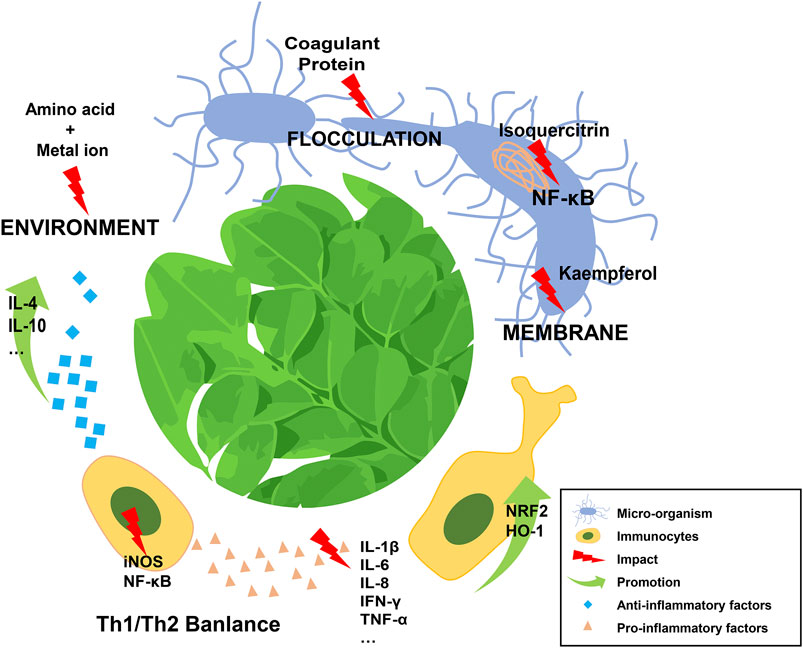
Chronic inflammation drives conditions from arthritis to heart disease, making moringa’s anti-inflammatory properties among its most valuable benefits. Clinical studies demonstrate that moringa extracts suppress key inflammatory markers including interleukin-6 (IL-6), interleukin-1 (IL-1), nuclear factor-kappa B (NF-κB), and tumor necrosis factor-alpha (TNF-α) through specific molecular pathways.
Unlike NSAIDs that mask symptoms, moringa addresses inflammation at its source by inhibiting phosphorylation of IκB-α and nuclear factor (NF)-κB. This explains why traditional healers have used moringa poultices for glandular inflammation and joint pain for centuries. If you struggle with inflammatory conditions, expect noticeable reductions in pain and swelling within 4-6 weeks of daily supplementation at 1-2 grams.
Critical Mistake to Avoid with Moringa for Inflammation
Many users waste money on ineffective moringa by taking insufficient doses. For anti-inflammatory effects, research shows minimum effective doses of 1.5 grams daily. Start with 500mg twice daily and gradually increase to 1 gram twice daily over two weeks to assess tolerance.
Heart Health Benefits: What Research Shows
Moringa leaf supplements deliver three-pronged cardiovascular protection that addresses multiple risk factors simultaneously. The high potassium content directly supports healthy blood pressure regulation, while antioxidant compounds protect blood vessel walls from oxidative damage. Clinical evidence also shows moringa improves lipid profiles by reducing LDL cholesterol and triglycerides.
The anti-inflammatory properties further contribute to heart health by reducing inflammation in blood vessels that leads to atherosclerosis. Traditional applications for heart disease align with modern findings – populations with regular moringa consumption show lower rates of cardiovascular mortality. For optimal heart benefits, combine moringa supplementation with aerobic exercise and a Mediterranean-style diet.
Blood Sugar Control: Moringa’s Metabolic Support
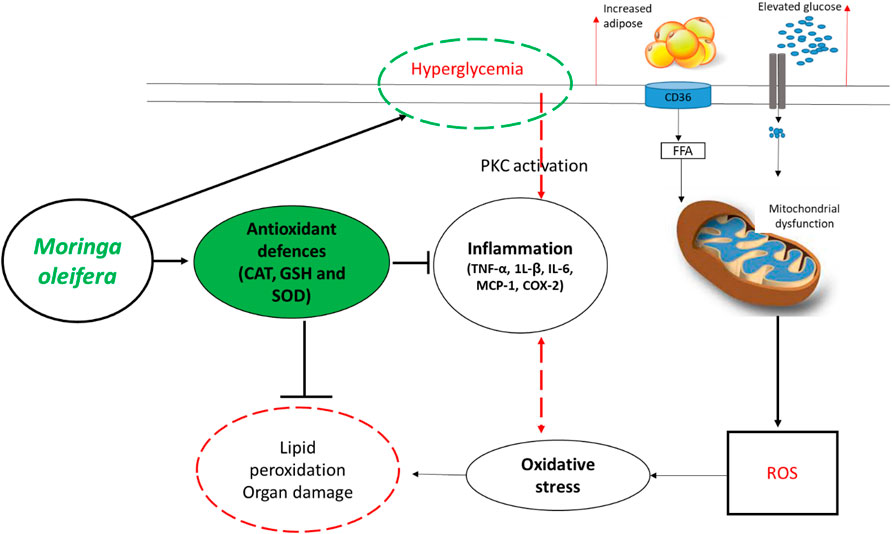
Among the most promising moringa leaf supplement benefits is blood sugar regulation – crucial for preventing and managing type 2 diabetes. Moringa works through multiple pathways: fiber content slows carbohydrate absorption, specific compounds enhance cellular insulin sensitivity, and antioxidants protect pancreatic beta cells from damage.
Clinical trials demonstrate significant improvements in fasting blood glucose and HbA1c levels with consistent moringa supplementation. Unlike pharmaceutical diabetes medications that target single pathways, moringa’s multi-targeted approach addresses several aspects of metabolic dysfunction simultaneously. For best results, take moringa supplements 30 minutes before carbohydrate-rich meals to moderate glucose spikes.
Brain Protection: Moringa’s Cognitive Benefits
The neuroprotective moringa leaf supplement benefits stem from flavonoids, alkaloids, tannins, isothiocyanates, and beta-sitosterol working together to support cognitive function. These compounds protect brain cells from oxidative damage, reduce neuroinflammation, and enhance cerebral blood flow – addressing three key factors in age-related cognitive decline.
Research shows particular promise for moringa in supporting brain health during aging. The combination of protective compounds works synergistically to maintain neuronal function and prevent protein aggregation associated with Alzheimer’s and Parkinson’s diseases. For cognitive support, look for supplements providing at least 250mg of standardized extract twice daily, taken with healthy fats to enhance absorption of fat-soluble compounds.
Safety Guidelines for Maximum Benefit
Understanding proper usage is essential for safely experiencing moringa leaf supplement benefits. Comprehensive toxicological studies establish a wide safety margin, with lethal doses exceeding 2,000 mg/kg in animal studies. However, human consumption should not exceed 70 grams daily to prevent cumulative toxicity – though most commercial supplements contain 500mg-2 grams per serving.
Special considerations apply to certain populations:
– Pregnant women should avoid high doses due to abortifacient properties in roots and gum
– Nursing mothers can safely consume moderate amounts (500mg-1g daily)
– Those on blood pressure or diabetes medications should monitor levels closely
– Start with lower doses (250-500mg) to assess individual tolerance
The most common side effect is mild digestive upset when starting supplementation – easily avoided by taking moringa with food and gradually increasing dosage.
Maximizing Your Moringa Results: Three Essential Tips
-
Consistency is key: Unlike pharmaceuticals, moringa’s benefits accumulate over time. Commit to 8-12 weeks of daily use before evaluating results.
-
Pair with healthy fats: Many of moringa’s fat-soluble compounds (like beta-carotene) absorb better when taken with avocado, nuts, or olive oil.
-
Combine strategically: For specific health goals, pair moringa with complementary supplements – turmeric for inflammation, omega-3s for brain health, or chromium for blood sugar control.
The convergence of traditional wisdom and modern science confirms moringa’s status as a nutritional powerhouse. With clinical evidence supporting benefits for inflammation, heart health, blood sugar control, and cognitive function, moringa leaf supplements offer comprehensive support that few natural products can match. By selecting quality supplements and using them consistently as part of a healthy lifestyle, you can harness these science-backed moringa leaf supplement benefits to enhance your overall wellness journey.