
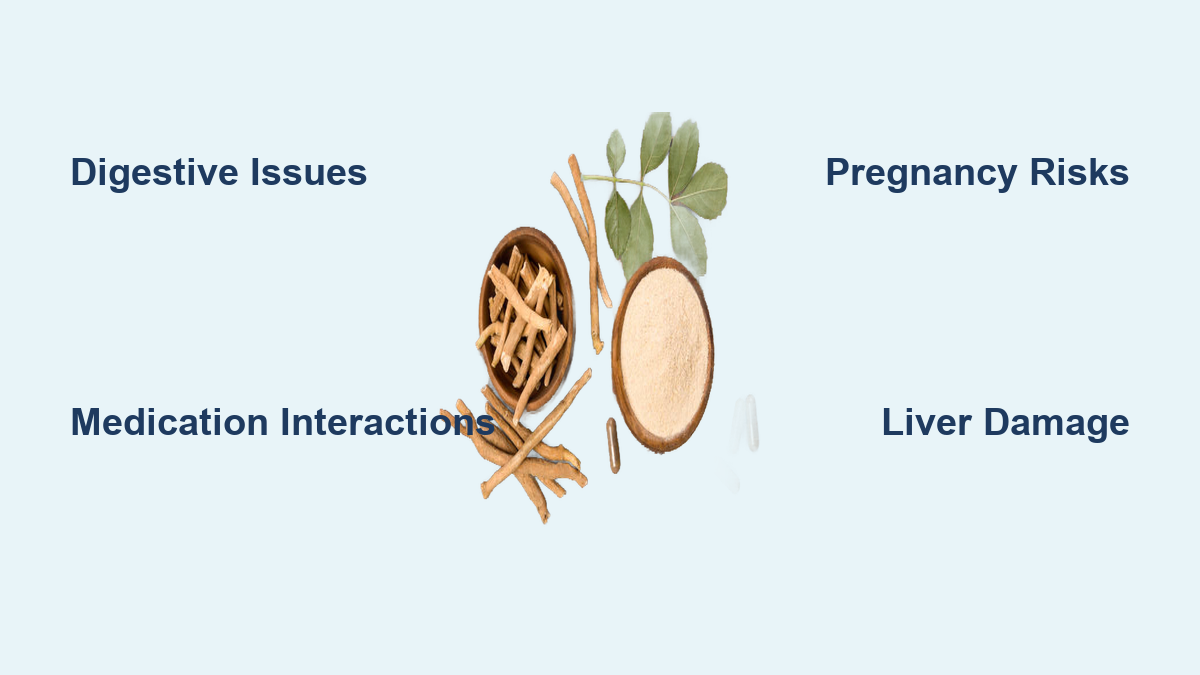

Ashwagandha has gained popularity as an “adaptogen” promising stress relief, better sleep, and increased energy. But what happens when this herbal supplement doesn’t work as promised? Many users experience unexpected side effects they never anticipated when adding this ancient remedy to their daily routine. While ashwagandha offers potential benefits for some, understanding its negative effects is crucial before making it part of your wellness regimen.
Unlike prescription medications with clear warning labels, herbal supplements like ashwagandha often fly under the radar when it comes to potential risks. The truth is that this powerful herb can cause significant adverse reactions in certain individuals, particularly when taken at improper dosages or combined with specific medications. Without proper guidance, you could be unknowingly putting your health at risk while chasing wellness benefits.
This guide reveals documented negative effects of ashwagandha supplements based on clinical evidence and user reports. You’ll learn which side effects are most common, who should avoid ashwagandha completely, how to recognize dangerous reactions, and when to seek medical help. Understanding these risks could prevent unnecessary health complications while helping you make informed decisions about your supplement choices.
Documented Gastrointestinal Side Effects from Ashwagandha
Why Your Digestive System Reacts to Ashwagandha
Ashwagandha’s most frequently reported negative effects target the digestive system. Many users experience stomach upset, diarrhea, nausea, and abdominal pain, especially when first introducing the supplement or taking higher doses. These reactions occur because ashwagandha contains active compounds that stimulate digestive processes, which can overwhelm sensitive systems.
The severity of gastrointestinal issues often correlates with dosage. Starting with 300-500mg daily typically minimizes digestive discomfort, while doses exceeding 1,000mg significantly increase the likelihood of unpleasant symptoms. Taking ashwagandha on an empty stomach dramatically worsens these effects compared to consuming it with food.
How to Prevent Ashwagandha-Induced Digestive Problems
- Begin with the lowest possible dose (125-250mg) and gradually increase over 2-3 weeks
- Always take ashwagandha with a meal containing healthy fats
- Choose fermented ashwagandha formulations which show reduced GI side effects
- Avoid combining with other digestive stimulants like caffeine or spicy foods
- Discontinue use immediately if severe cramping or persistent diarrhea occurs
Dangerous Medication Interactions You Must Know
Blood Pressure Medication Complications
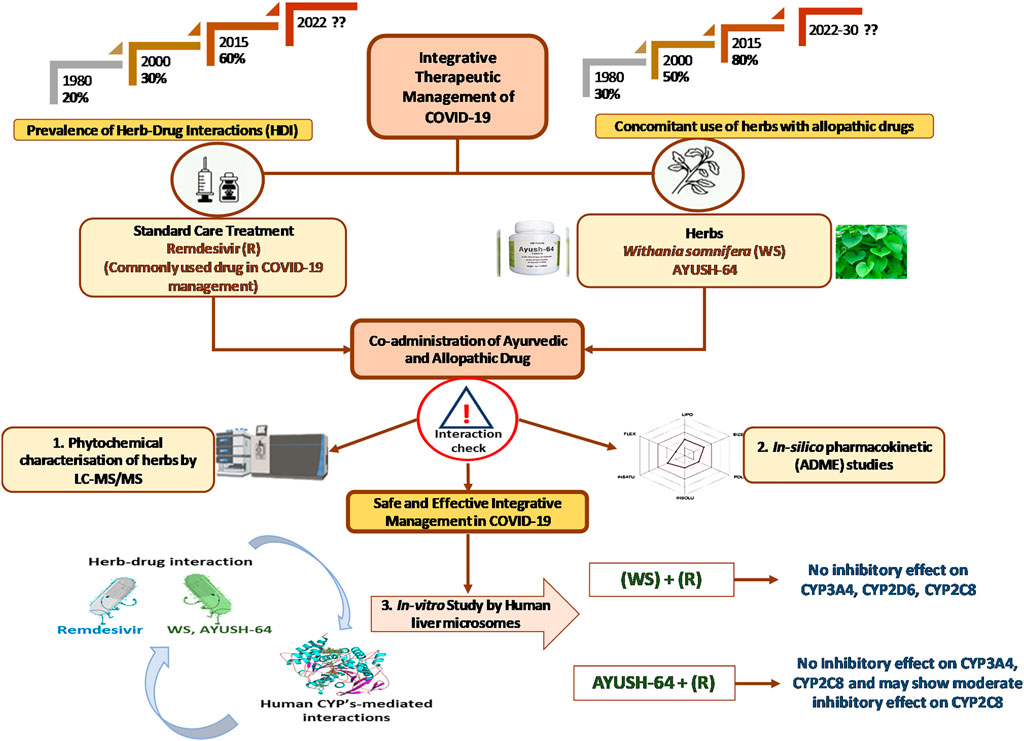
Ashwagandha’s ability to lower blood pressure creates serious risks for individuals already taking antihypertensive medications. When combined, these effects can cause dangerously low blood pressure (hypotension), leading to dizziness, fainting, and even falls—particularly dangerous for elderly users. The herb’s blood pressure-lowering effects may continue for several days after discontinuation, complicating surgical procedures.
Thyroid Medication Interference
Ashwagandha stimulates thyroid function, which creates significant problems for individuals with hypothyroidism taking levothyroxine. Users report inconsistent thyroid test results and worsening symptoms when combining these treatments. Those with hyperthyroidism face even greater risks, as ashwagandha may exacerbate their condition by further increasing thyroid hormone production.
Sedative Medication Amplification
When combined with CNS depressants like benzodiazepines, sleep medications, or alcohol, ashwagandha’s calming effects become dangerously amplified. This synergistic effect can cause excessive drowsiness, impaired motor control, and respiratory depression. Many emergency room visits involving herbal supplements stem from these dangerous combinations that users don’t realize are risky.
Population-Specific Health Risks
Why Pregnant Women Should Avoid Ashwagandha Completely
Multiple studies document ashwagandha’s potential to stimulate uterine contractions, significantly increasing miscarriage risk during pregnancy. The herb also appears to interfere with normal fetal development in animal studies. Reputable medical organizations universally recommend pregnant women avoid ashwagandha entirely due to these well-documented risks.
Autoimmune Condition Complications
For individuals with autoimmune disorders like rheumatoid arthritis, lupus, or multiple sclerosis, ashwagandha’s immune-stimulating properties can trigger dangerous flare-ups. The herb increases immune cell activity, which directly counteracts medications designed to suppress overactive immune responses. Many users report severe symptom exacerbation after starting ashwagandha without consulting their rheumatologist.
Blood Sugar Management Issues
While ashwagandha may benefit some with blood sugar concerns, it creates serious risks for diabetics taking medication. The herb’s blood sugar-lowering effects combined with diabetes medications can cause dangerous hypoglycemia (low blood sugar). Symptoms like shakiness, confusion, and sweating may occur unexpectedly, particularly if users don’t adjust medication doses under medical supervision.
Severe Allergic Reactions and Organ Stress
Recognizing Ashwagandha Allergy Symptoms
Though rare, serious allergic reactions to ashwagandha require immediate medical attention. Watch for:
– Skin rash, itching, or hives
– Swelling of face, lips, or throat
– Difficulty breathing
– Rapid heartbeat
– Severe dizziness
These symptoms typically appear within minutes to hours of consumption. Discontinue use immediately and seek emergency care if you experience any of these reactions.
Liver Toxicity Warning Signs
Emerging evidence suggests ashwagandha may cause liver damage in susceptible individuals. Be alert for symptoms including:
– Unexplained fatigue
– Abdominal pain (particularly upper right)
– Dark urine
– Jaundice (yellowing of skin or eyes)
– Nausea and vomiting
These symptoms may develop gradually over weeks of use. If you notice these signs, stop taking ashwagandha immediately and consult your physician for liver function tests.
Proper Discontinuation Protocol to Avoid Withdrawal
Why Stopping Ashwagandha Suddenly Creates Problems
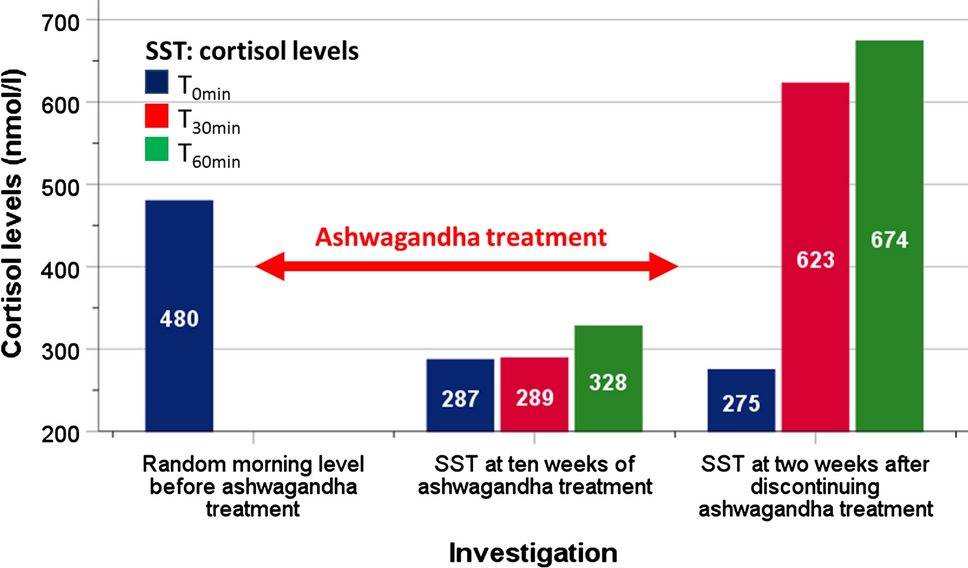
Long-term ashwagandha users (more than 3 months) may experience withdrawal symptoms when stopping abruptly. These include increased anxiety, insomnia, and fatigue as your body readjusts to normal cortisol regulation. The herb’s adaptogenic properties temporarily alter your stress response system, requiring careful tapering.
Safe Tapering Schedule for Ashwagandha Users
- Week 1: Reduce dose by 25% (e.g., from 600mg to 450mg daily)
- Week 2: Reduce another 25% (to 300mg daily)
- Week 3: Reduce to 25% of original dose (150mg daily)
- Week 4: Take every other day
- Week 5: Take twice weekly before complete discontinuation
Monitor your stress levels and sleep quality during this process. If withdrawal symptoms become severe, slow down the tapering schedule. Consider discussing alternatives with your healthcare provider.
When to Seek Immediate Medical Attention
Critical Warning Signs That Require Emergency Care
Certain ashwagandha side effects demand immediate medical intervention:
– Chest pain or irregular heartbeat
– Severe breathing difficulties
– Signs of liver failure (jaundice, dark urine)
– Persistent vomiting or bloody stools
– Severe allergic reaction symptoms
Don’t wait to see if symptoms improve—seek emergency care immediately if you experience any of these reactions. Bring your ashwagandha supplement container to help medical professionals identify potential causes.
Documenting Your Reaction for Healthcare Providers
When visiting a medical professional about ashwagandha side effects:
– Record exact product name and dosage
– Note timing of symptoms relative to consumption
– Document all other medications and supplements
– Take photos of any visible reactions (rash, swelling)
– Keep remaining supplement for potential testing
This information helps healthcare providers determine if your symptoms relate to ashwagandha or another cause.
Smart Supplement Selection to Minimize Risks
Choosing Safer Ashwagandha Products
Not all ashwagandha supplements carry equal risk. Reduce potential negative effects by:
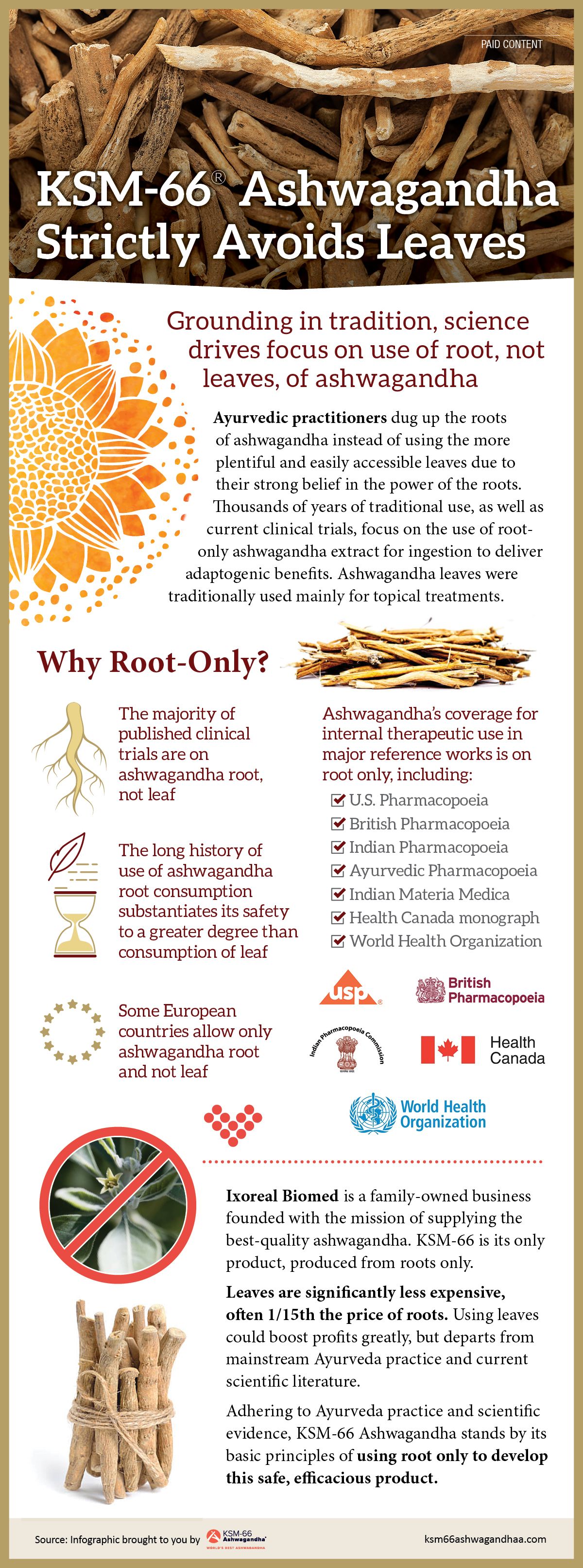
– Selecting products with KSM-66 or Sensoril standardized extracts
– Choosing third-party tested brands (look for USP, NSF, or ConsumerLab seals)
– Avoiding proprietary blends with undisclosed ingredient amounts
– Starting with water-based extracts rather than alcohol-based tinctures
– Verifying the product contains only ashwagandha without additional herbs
High-quality, transparently labeled products significantly reduce the risk of adverse reactions compared to cheap, untested alternatives.
Consulting Before Consuming: Who Absolutely Needs Medical Approval
Certain individuals should never take ashwagandha without physician approval:
– Those taking prescription medications (especially thyroid, blood pressure, or diabetes drugs)
– Individuals with autoimmune conditions
– People scheduled for surgery within 2 weeks
– Those with hormone-sensitive conditions
– Anyone with pre-existing liver conditions
A simple conversation with your healthcare provider could prevent serious health complications while helping you determine if ashwagandha’s potential benefits outweigh its risks for your specific situation.
Final Note: Ashwagandha may offer benefits for some users, but it’s not without significant risks. Pay attention to your body’s signals, start with minimal doses, and discontinue use immediately if you experience concerning symptoms. When in doubt about supplement safety, consult a healthcare professional rather than risking your health for potential benefits. Your wellbeing is worth more than any supplement promise.