

You’ve probably seen oxaloacetate supplements promoted for energy enhancement, cognitive support, or anti-aging benefits. But when you search for “oxaloacetate supplement side effects,” you might find conflicting information or complete silence on potential risks. This gap in transparent information leaves supplement users vulnerable to unexpected reactions. Unlike prescription medications that undergo rigorous safety testing, dietary supplements operate under different regulatory standards, making it crucial to understand what verified research says about oxaloacetate’s safety profile. In this guide, we’ll examine what documented evidence exists about oxaloacetate supplement side effects, helping you make informed decisions about whether this supplement aligns with your health goals.
Documented Safety Profile of Oxaloacetate Supplements
Current research indicates oxaloacetate supplements generally present a favorable safety profile when taken at recommended doses. Multiple clinical studies have monitored participants taking oxaloacetate supplements without reporting severe adverse events. The most comprehensive human trials to date, including those examining oxaloacetate for neurological conditions and metabolic health, have consistently noted minimal side effects compared to placebo groups. This favorable safety record explains why manufacturers often market oxaloacetate as well-tolerated, but it’s essential to distinguish between “minimal reported side effects” and “no side effects.”
Why Limited Side Effect Reports Exist
The scarcity of documented oxaloacetate supplement side effects primarily stems from limited long-term human studies rather than proven absolute safety. Unlike pharmaceuticals that undergo extensive phase III and IV trials involving thousands of participants over years, supplement research typically involves smaller study populations with shorter durations. Most oxaloacetate human trials have included fewer than 100 participants and lasted no longer than six months, making it difficult to detect rare or long-term side effects. Additionally, supplement manufacturers aren’t required to conduct the same level of safety testing as pharmaceutical companies, creating significant knowledge gaps about potential risks.
Mild Gastrointestinal Reactions Reported
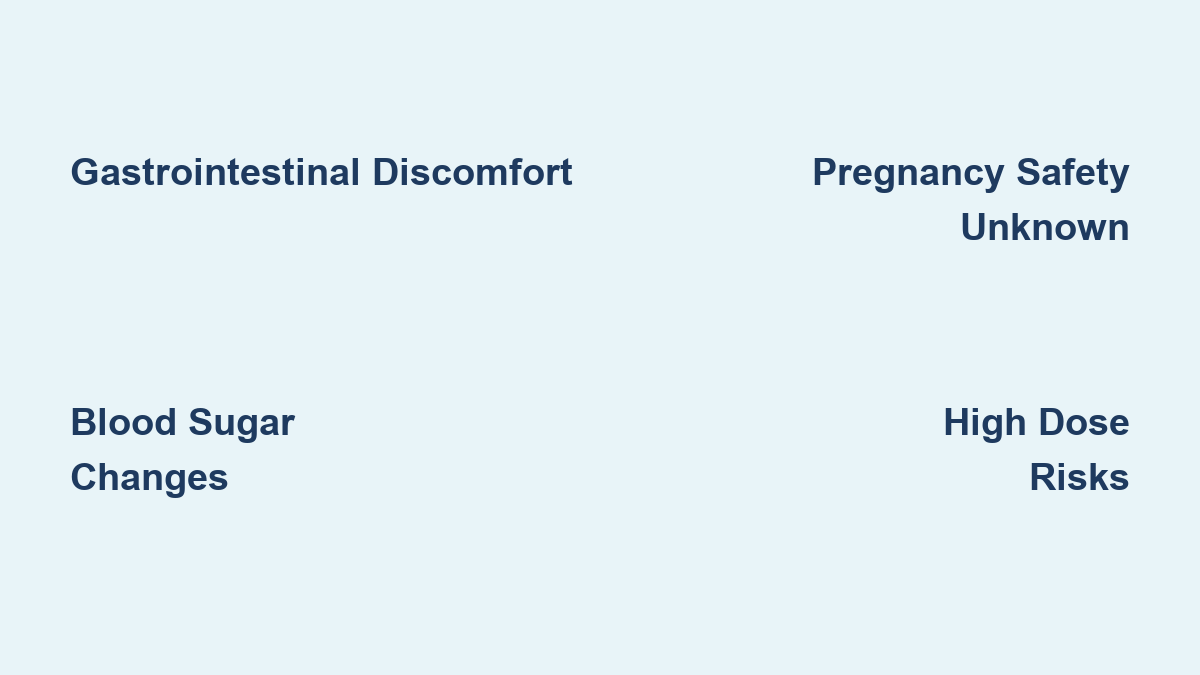
The most frequently documented oxaloacetate supplement side effects involve mild gastrointestinal discomfort. Clinical trial reports mention occasional occurrences of:
- Temporary stomach upset when taking supplements on an empty stomach
- Mild nausea in sensitive individuals
- Occasional bloating or gas during initial supplementation
These reactions typically resolve within a few days as the body adjusts or when taking the supplement with food. Researchers attribute these mild effects to oxaloacetate’s role in cellular metabolism rather than inherent toxicity. Unlike many supplements that cause digestive issues through direct irritation, oxaloacetate’s gastrointestinal effects appear related to its metabolic activity within the Krebs cycle.
Potential Interactions You Should Know

Oxaloacetate’s metabolic activity creates potential interaction risks that supplement users frequently overlook. As a key intermediate in the citric acid cycle, oxaloacetate influences multiple metabolic pathways, which could theoretically interfere with certain medications or other supplements.
Blood Sugar Medication Interactions
Research suggests oxaloacetate may enhance glucose metabolism, potentially amplifying the effects of diabetes medications. While this property makes oxaloacetate interesting for metabolic health research, it creates a significant risk for individuals taking insulin or other blood sugar-lowering medications. The limited human studies haven’t documented dangerous hypoglycemic episodes, but the theoretical risk warrants caution. If you’re managing diabetes with medication, consult your healthcare provider before adding oxaloacetate to your regimen and monitor your blood sugar more frequently during initial supplementation.
Medications Affected by Metabolic Rate Changes
Oxaloacetate’s role in cellular energy production could potentially affect how your body processes certain medications. Drugs with narrow therapeutic windows—where small concentration changes significantly impact effectiveness or safety—might require dosage adjustments. This includes certain cardiovascular medications and anticoagulants. While no documented cases of dangerous interactions exist specifically for oxaloacetate, the metabolic influence warrants discussion with your pharmacist about potential implications for your specific medication regimen.
Special Population Considerations

Certain groups require particular caution when considering oxaloacetate supplementation, even though comprehensive research on these populations remains limited.
Pregnancy and Breastfeeding Safety Unknown
No clinical studies have examined oxaloacetate supplement safety during pregnancy or breastfeeding. The absence of research means we cannot assume safety for developing fetuses or infants. While oxaloacetate occurs naturally in the body and food sources, concentrated supplemental forms introduce different considerations. Healthcare providers typically recommend avoiding non-essential supplements during pregnancy unless specifically prescribed, and oxaloacetate falls into this category due to the lack of safety data.
Autoimmune Condition Concerns
Preliminary research suggests oxaloacetate may influence immune function through its metabolic effects, though human data remains scarce. Individuals with autoimmune conditions should exercise caution, as theoretically, metabolic changes could potentially trigger or exacerbate autoimmune responses. While no documented cases link oxaloacetate supplementation to autoimmune flare-ups, the absence of targeted research means this risk cannot be ruled out. If you manage an autoimmune condition, discuss oxaloacetate with your rheumatologist before trying it.
Quality and Dosage Factors Affecting Side Effect Risk

The supplement industry’s regulatory environment means product quality varies significantly between brands, directly impacting potential side effect risks.
Third-Party Testing Importance
Reputable oxaloacetate supplements undergo third-party testing for purity and accurate labeling. Products without verification may contain contaminants, fillers, or inaccurate dosages that increase side effect risks. Look for certifications from organizations like USP, NSF, or ConsumerLab when selecting an oxaloacetate supplement. These independent verifications help ensure you’re getting what the label claims without unexpected additives that could cause adverse reactions.
Optimal Dosage Range for Minimal Side Effects
Research suggests that doses between 100-500 mg daily generally produce the fewest side effects while providing potential benefits. Higher doses haven’t demonstrated proportionally greater benefits in studies but may increase the likelihood of mild gastrointestinal discomfort. Starting with a lower dose (100 mg) and gradually increasing allows your body to adjust and helps identify your personal tolerance threshold. Most clinical trials showing positive effects used 250-500 mg daily, so exceeding this range offers little research-backed benefit while potentially increasing side effect risks.
Recognizing and Managing Potential Adverse Reactions
While severe reactions appear rare based on current evidence, knowing how to identify and respond to potential side effects remains crucial.
When to Discontinue Use Immediately
Stop taking oxaloacetate supplements and consult a healthcare professional if you experience:
– Persistent gastrointestinal distress lasting more than 72 hours
– Unexplained skin reactions like rashes or hives
– Significant changes in blood sugar levels
– Unusual fatigue or dizziness
These symptoms, while not specifically documented with oxaloacetate, represent general warning signs for any supplement. Keep a symptom journal noting when reactions occur relative to supplementation, as this information helps healthcare providers determine if oxaloacetate is the likely cause.
Gradual Introduction Protocol
To minimize potential side effects, implement a gradual introduction strategy:
1. Start with half the recommended dose for the first week
2. Take your initial doses with a substantial meal
3. Increase to the full dose slowly over 2-3 weeks
4. Monitor for any changes in digestion, energy, or overall wellbeing
This approach allows your metabolic pathways to adjust gradually to the increased oxaloacetate availability, potentially preventing the mild gastrointestinal discomfort reported by some users.
Making Your Decision: Risk-Benefit Assessment
Weighing the potential benefits against possible side effects requires honest consideration of your individual health circumstances. For generally healthy adults taking standard doses, oxaloacetate appears to present minimal risk based on current evidence. However, if you have complex health conditions, take multiple medications, or belong to special populations like pregnant women, the lack of targeted research creates significant uncertainty.
Consider maintaining a detailed supplement journal tracking your dosage, timing, and any physical or emotional changes. This documentation becomes invaluable if you need to identify potential side effects or discuss your experience with healthcare providers. Remember that “natural” doesn’t automatically mean “safe,” and individual biochemistry varies significantly—what causes no reaction in one person might trigger side effects in another.
Before adding oxaloacetate to your regimen, have a specific health goal in mind rather than supplementing indiscriminately. Discuss your plans with a healthcare provider who understands your complete medical history, especially if managing chronic conditions or taking prescription medications. This thoughtful approach ensures you’re making informed decisions about oxaloacetate supplementation rather than reacting to marketing claims without considering potential side effects.