
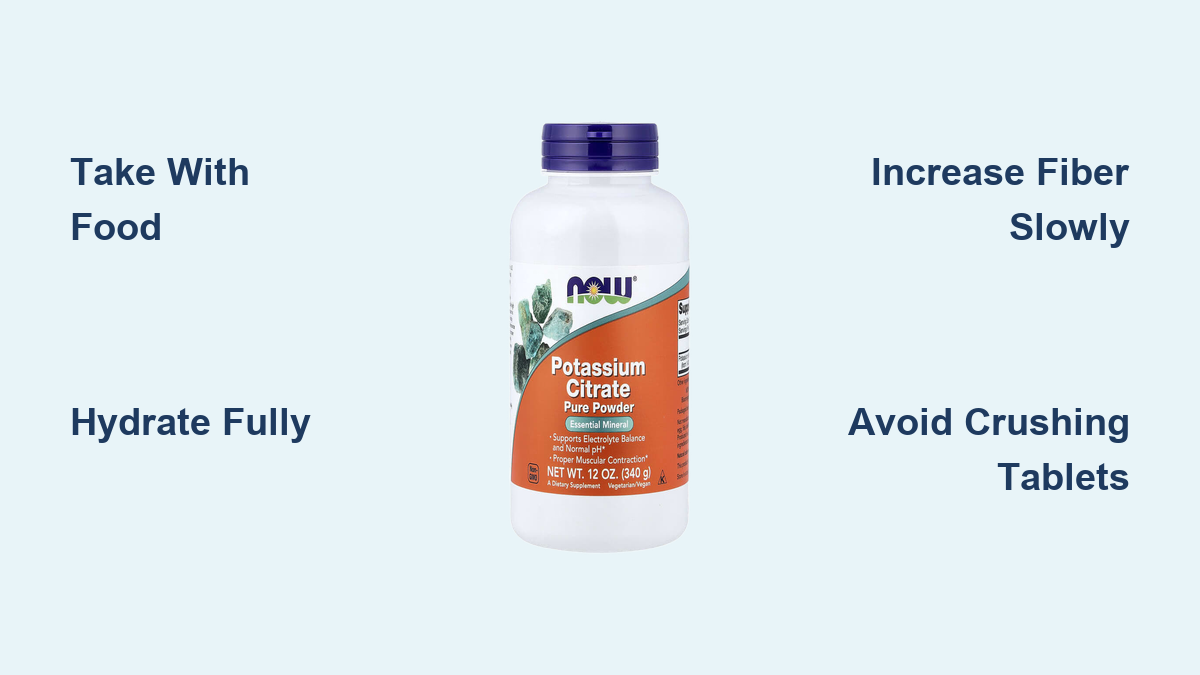

If you’ve started taking potassium supplements and noticed harder stools or infrequent bowel movements, you’re experiencing a common yet frustrating side effect. Potassium supplement constipation affects many users, particularly those taking prescription potassium citrate for kidney stone prevention or renal tubular acidosis. While potassium is essential for heart function and fluid balance, the concentrated doses in supplement form can disrupt normal digestive processes. Understanding why this happens and implementing targeted solutions will help you maintain your potassium levels without compromising digestive comfort.
Unlike dietary potassium from bananas or avocados, supplements deliver a concentrated dose that interacts directly with your gastrointestinal tract. This guide reveals exactly why potassium supplements trigger constipation, which formulations pose the highest risk, and practical strategies to keep your system moving while still getting the potassium your body needs—all based on clinical evidence and medical guidelines.
How Potassium Citrate Disrupts Normal Bowel Function
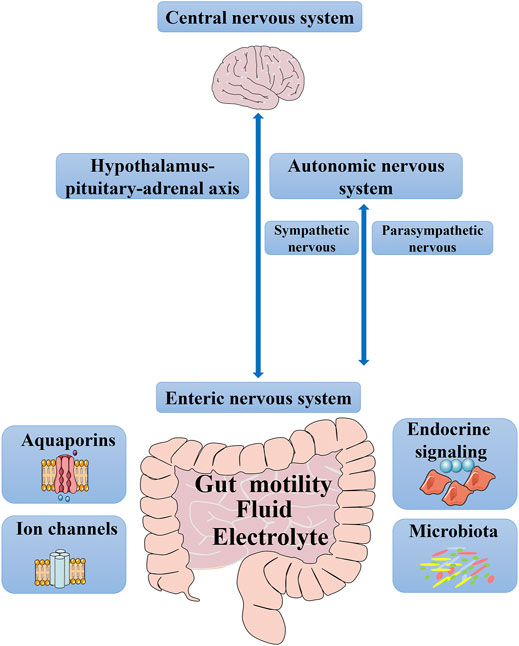
Potassium citrate’s mechanism for preventing kidney stones directly impacts your digestive system. As a urinary alkalinizer, it works by raising pH levels throughout your body, including your gastrointestinal tract. This shift in your internal environment affects the smooth muscle contractions that move waste through your intestines, potentially slowing transit time and leading to harder, drier stools.
The extended-release formulation designed to prevent stomach irritation creates a unique digestive challenge. While these tablets gradually release potassium over time to minimize irritation, the prolonged exposure to potassium salts in your intestines can alter fluid balance and reduce motility in sensitive individuals. You might notice undigested tablet fragments in your stool—a normal occurrence with extended-release medications that confirms the slow-release mechanism is working properly.
Why Your Specific Potassium Supplement Matters
Not all potassium supplements cause constipation equally. Prescription potassium citrate (Urocit-K) carries a higher risk of digestive side effects compared to dietary potassium sources because:
- It delivers concentrated doses (15-30 mEq per tablet) that overwhelm natural absorption pathways
- The citrate component actively changes your body’s pH balance
- Extended-release formulations maintain constant potassium exposure in your GI tract
Over-the-counter potassium supplements typically contain lower doses but can still cause issues when taken on an empty stomach or without adequate hydration. If you’re using potassium citrate specifically for kidney stone prevention, never stop taking it without consulting your doctor—these therapeutic benefits outweigh temporary constipation that can be managed.
Immediate Fixes for Potassium-Induced Constipation
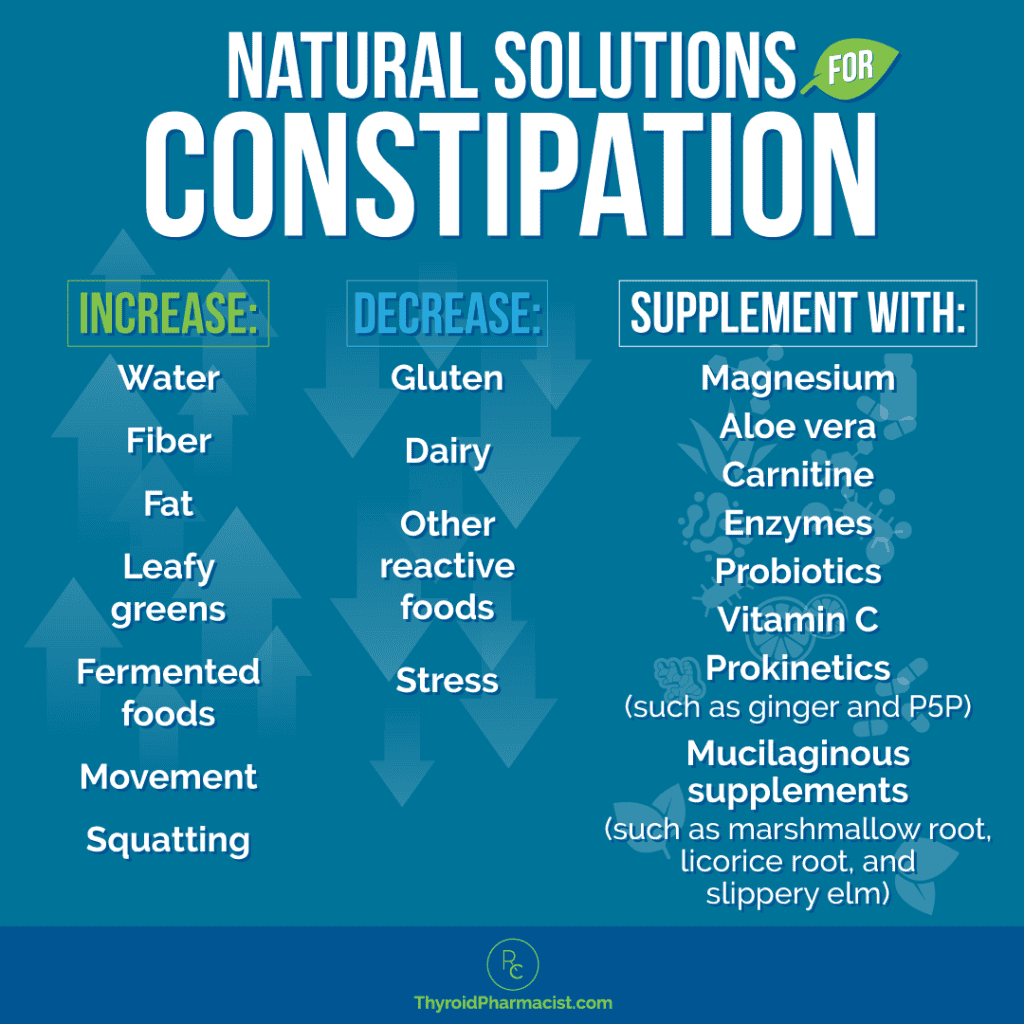
When constipation strikes after starting potassium supplements, implement these evidence-based solutions within 24 hours to restore regularity while maintaining your treatment.
Adjust Your Supplement Timing and Technique
Take your potassium citrate dose with a full meal or substantial snack rather than on an empty stomach. Food provides essential buffering that prevents concentrated potassium from irritating your intestinal lining. Specifically time your dose with your largest meal of the day when digestive activity is naturally highest.
Critical mistake to avoid: Never break, crush, or chew extended-release potassium tablets. This destroys the slow-release mechanism, dumping the full potassium dose into your upper digestive tract and dramatically increasing constipation risk. If swallowing tablets causes discomfort, speak with your doctor about alternative formulations rather than modifying the tablets yourself.
Double Your Fluid Intake Strategically
Increase water consumption by at least 50% when taking potassium supplements. For every potassium citrate tablet, drink 16 ounces of water immediately after taking your dose. This extra fluid helps maintain proper stool consistency and supports your kidneys in processing the additional potassium.
Patients using potassium citrate for kidney stone prevention already receive this hydration instruction for urinary health—apply the same principle to your digestive system. Carry a water bottle with time markers to ensure consistent intake throughout the day, not just when taking your supplement.
Preventative Strategies for Long-Term Comfort
Preventing constipation is far more effective than treating it after symptoms develop. Build these habits into your daily routine to maintain digestive regularity while benefiting from potassium supplementation.
Fiber Integration Without Kidney Stone Risk
If you’re taking potassium citrate for kidney stones, increase fiber carefully to avoid stone-promoting foods. Focus on these low-oxalate, high-fiber options:
- Prunes and pears: Natural sorbitol content draws water into the colon
- Cauliflower and cabbage: Provide bulk without high oxalate levels
- Whole grain oats: Gentle on digestion and safe for most stone formers
Introduce new fiber sources gradually over 2-3 weeks, adding just 5 grams daily. Sudden fiber increases can worsen constipation temporarily while your system adjusts. Monitor your response to each new food and discontinue anything causing gas or bloating.
Strategic Meal Pairing for Supplement Tolerance
Create a supplement-friendly eating pattern that works with your potassium regimen:
- Breakfast pairing: Take morning dose with oatmeal containing chia seeds (soaked overnight)
- Dinner pairing: Combine evening dose with baked sweet potato (skin on) and steamed broccoli
- Bedtime snack: If taking a third dose, pair with Greek yogurt and sliced banana
This approach ensures your potassium supplement always has food to buffer its effects while providing complementary nutrients that support digestive health. Avoid pairing potassium with high-sodium meals, which can compound fluid balance issues.
When to Contact Your Doctor Immediately
While most potassium-related constipation resolves with simple adjustments, certain symptoms require prompt medical attention. Contact your healthcare provider immediately if you experience:
- Constipation lasting longer than 3 days despite hydration and fiber changes
- Severe abdominal pain accompanying bowel changes
- Blood in your stool or black, tarry stools
- Vomiting that looks like coffee grounds
- Numbness or tingling in hands, feet, or lips
These could indicate serious complications including gastrointestinal bleeding or hyperkalemia (dangerously high potassium levels). Never assume these symptoms will resolve on their own—they require professional evaluation to ensure your safety while continuing necessary treatment.
Alternative Potassium Options That Minimize Digestive Issues
If constipation persists despite proper administration techniques, discuss these alternatives with your healthcare provider before discontinuing treatment.
Lower-Dose, More Frequent Dosing
Your doctor may adjust your regimen from twice-daily to three-times-daily dosing at lower amounts (10-20 mEq per dose). This approach maintains therapeutic benefits while reducing the potassium concentration in your intestines at any single time, often improving tolerance.
Potassium-Rich Food Integration
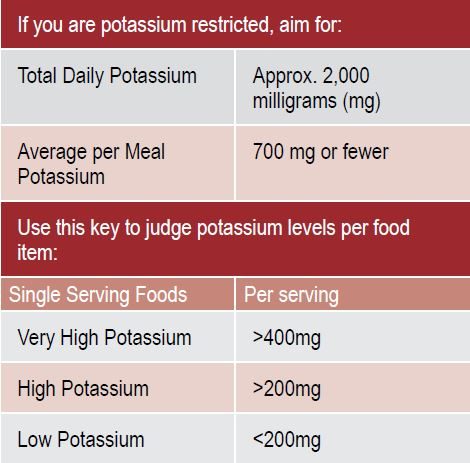
For some conditions, dietary potassium may partially supplement your prescription dose. Incorporate these high-potassium foods that are generally safe for kidney stone formers:
- Bananas: One medium banana provides approximately 422 mg potassium
- Oranges: One large orange contains about 333 mg potassium
- Cantaloupe: One cup delivers 427 mg potassium with high water content
Discuss appropriate portions with your doctor, as dietary potassium alone may not provide sufficient amounts for therapeutic purposes in certain medical conditions.
Essential Monitoring for Safe Potassium Supplementation
Regular medical supervision protects against both constipation complications and dangerous potassium imbalances. Attend all scheduled follow-up appointments for blood and urine tests that monitor:
- Serum potassium levels to prevent hyperkalemia
- Urine pH to confirm therapeutic alkalinization
- Kidney function markers to ensure safe processing
Keep a symptom journal tracking your bowel movements, supplement timing, fluid intake, and any discomfort. This record provides invaluable data for your healthcare provider to optimize your treatment plan without compromising digestive health.
Potassium supplement constipation doesn’t have to derail your treatment. By understanding why it occurs and implementing these targeted strategies, you can maintain both your potassium levels and digestive comfort. The key lies in proper administration technique, strategic hydration, and ongoing communication with your healthcare provider. Remember that the therapeutic benefits of potassium citrate for kidney stone prevention far outweigh temporary digestive discomfort that can be effectively managed with these evidence-based approaches. Stay consistent with your treatment while adjusting your routine using these proven methods, and you’ll maintain both your urinary and digestive health.