
Millions of Americans take fish oil supplements daily, believing they’re getting a simple heart health boost with minimal risk. However, the reality of the risk of fish oil supplements is far more complex than marketing suggests. While omega-3 fatty acids from fish oil (specifically EPA and DHA) offer potential benefits, their concentrated supplement form introduces significant health concerns that most consumers never consider. Understanding these risks becomes critical if you take medications, have underlying health conditions, or belong to vulnerable population groups. This guide reveals the documented dangers of fish oil supplements—from bleeding complications to dangerous medication interactions—so you can make an informed decision about whether these capsules belong in your medicine cabinet.
3 Grams Per Day: The Critical Fish Oil Safety Threshold
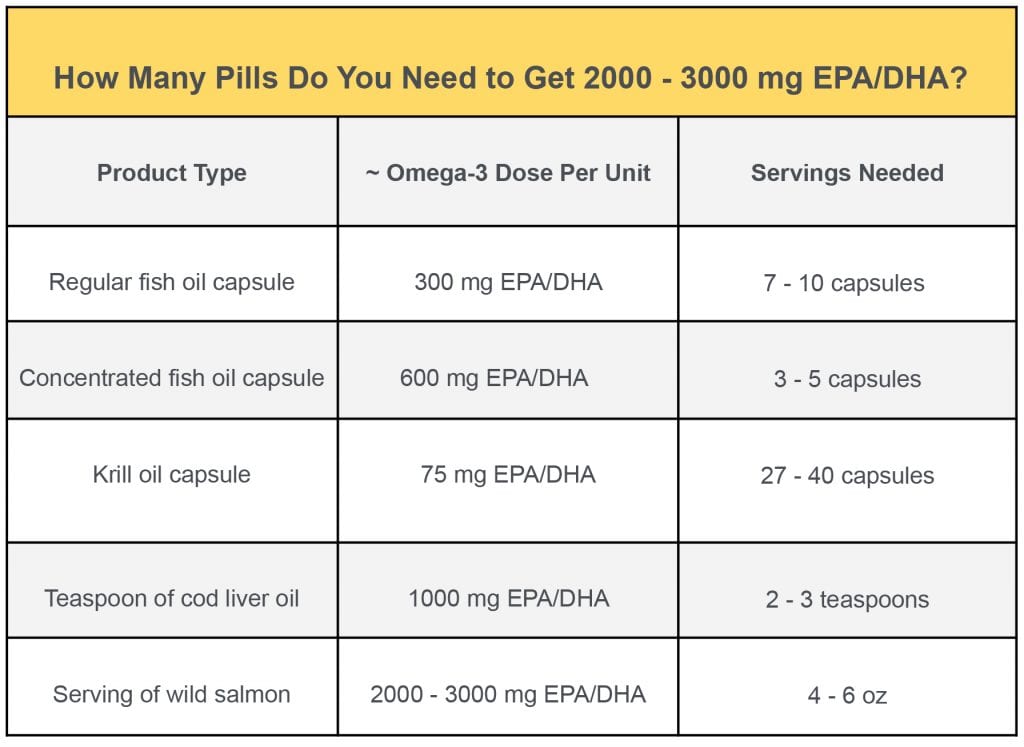
Fish oil supplements aren’t automatically safe just because they’re available over-the-counter. Research clearly establishes that fish oil is likely safe for most adults only when taken in doses of 3 grams or less daily. Exceeding this threshold significantly increases your risk of bleeding complications and other serious side effects. Most standard fish oil capsules contain between 300-600 mg of combined EPA and DHA, meaning you could easily surpass the 3-gram safety limit by taking just 5-10 capsules daily without realizing it.
Prescription fish oil products like Lovaza deliver a concentrated 4-gram dose specifically for triglyceride management under medical supervision—but these aren’t comparable to over-the-counter supplements. The key difference lies in concentration: supplements deliver omega-3s in amounts far exceeding what you’d get from eating fish, which is why the risk profile differs dramatically. When you eat salmon or mackerel, you get omega-3s alongside other nutrients that moderate their effects, whereas supplements provide isolated, concentrated doses that can disrupt your body’s natural balance.
How to Calculate Your Actual Omega-3 Intake
Many consumers mistakenly count the total capsule weight rather than the actual omega-3 content when determining their daily dose. Always check the supplement facts panel for the specific EPA and DHA amounts:
- A standard 1,000 mg fish oil capsule typically contains only 300 mg of combined EPA/DHA
- If your bottle states 180 mg EPA and 120 mg DHA per capsule, that’s just 300 mg of active omega-3s
- To stay under the 3-gram safety limit, calculate your total EPA+DHA intake, not the total capsule weight
Heartburn, Loose Stools & Nosebleeds: Daily Fish Oil Side Effects
When you start taking fish oil supplements, you’ll likely encounter several uncomfortable but generally harmless side effects within the first few weeks. Heartburn occurs in up to 50% of new users as the fatty acids relax your lower esophageal sphincter, allowing stomach acid to flow backward. Loose stools develop because omega-3s speed digestion and reduce fat absorption—a side effect that ironically contradicts why many people take these supplements for digestive health.
Nosebleeds represent a less obvious but documented side effect, likely caused by omega-3s’ effects on blood vessel fragility in nasal passages. These minor issues become significantly more problematic if you have pre-existing digestive conditions like GERD or IBS. The good news is several strategies can reduce these common problems:
- Always take fish oil with your largest meal of the day to minimize digestive upset
- Freeze capsules before swallowing to slow digestion and reduce fishy aftertaste
- Start with half doses for the first week, then gradually increase to your target amount
- Choose enteric-coated capsules specifically designed to dissolve past the stomach
Bleeding Complications and Stroke Risk: Serious Fish Oil Dangers
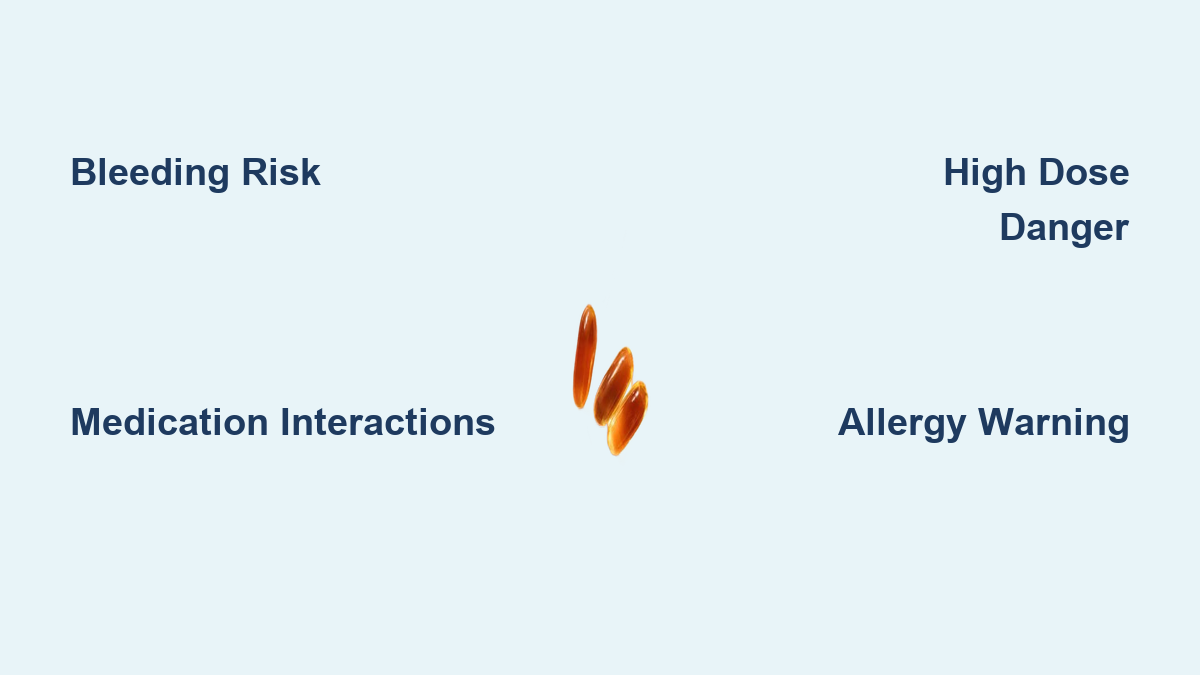
Beyond digestive discomfort, the most significant risk of fish oil supplements involves your blood’s ability to clot properly. High-dose fish oil acts as a natural blood thinner by inhibiting platelet aggregation—meaning cuts may bleed longer, minor bumps produce larger bruises, and surgical procedures carry elevated hemorrhage risks. This danger becomes particularly acute if you:
- Take blood-thinning medications like warfarin or aspirin
- Have an undiagnosed bleeding disorder
- Are scheduled for dental work or surgery within two weeks
- Have advanced liver disease affecting clotting factor production
Research also suggests a potential link between very high fish oil doses (exceeding 4 grams daily) and increased stroke risk, though the exact mechanisms require further study. The blood-thinning properties that benefit some heart conditions may paradoxically increase bleeding in the brain for certain individuals. If you experience unusual bruising, prolonged nosebleeds, or blood in your urine/stool while taking fish oil supplements, stop immediately and consult your physician.
Fish Oil Risks for People with Diabetes
If you manage diabetes, fish oil supplements introduce a complex risk-benefit equation. High doses may make blood sugar control more difficult by interfering with insulin sensitivity, potentially requiring medication adjustments. However, fish oil also lowers triglycerides—a common concern for diabetics. This dual effect means fish oil could simultaneously help one aspect of your metabolic health while worsening another. Monitor your blood glucose more closely during the first month of supplementation and discuss any patterns with your endocrinologist.
Dangerous Medication Interactions You Must Avoid
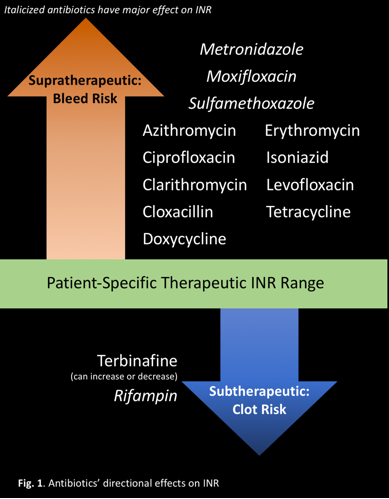
The risk of fish oil supplements multiplies significantly when combined with certain medications, creating potentially life-threatening situations many users never anticipate. These interactions aren’t theoretical—they’re documented in clinical studies and case reports.
Blood Thinners That Turn Deadly with Fish Oil
Combining fish oil with blood-thinning medications creates a dangerous synergy that dramatically increases bleeding risk. When you take fish oil alongside warfarin (Coumadin), your INR levels can spike unexpectedly, leading to internal bleeding. The same applies to:
- Direct oral anticoagulants (Xarelto, Eliquis, Pradaxa)
- Antiplatelet drugs like Plavix and aspirin
- Herbal blood thinners including ginkgo biloba and garlic supplements
If you require blood thinners for atrial fibrillation or other conditions, do not take fish oil supplements without explicit approval from your cardiologist. Regular blood monitoring becomes essential if your doctor approves combined use.
Immunosuppressant Medication Interference
Transplant patients face particularly dangerous interactions between fish oil and critical immunosuppressant medications. Fish oil can increase blood levels of:
- Cyclosporine (by up to 30%), risking kidney toxicity
- Tacrolimus, potentially causing severe neurological side effects
- Sirolimus, increasing risk of bone marrow suppression
If you’ve received an organ transplant, never add fish oil supplements without consulting your transplant team. These interactions can trigger organ rejection or life-threatening medication toxicity.
Pregnancy, Children & Bleeding Disorders: Population-Specific Risks
The risk of fish oil supplements varies dramatically depending on your health status and life stage, making blanket recommendations dangerous.
Fish Oil During Pregnancy: What Most Don’t Know
While pregnant women can safely take fish oil supplements within recommended limits, dietary fish consumption requires greater caution. Swordfish, king mackerel, and tilefish contain mercury levels high enough to cause developmental problems—yet many “prenatal omega-3” supplements don’t specify mercury testing. Stick to third-party tested supplements labeled “pharmaceutical grade” and limit dietary fish to 12 ounces weekly of low-mercury options like salmon and sardines.
Children’s Vulnerability to Supplement Risks
Parents often give fish oil supplements to children for ADHD or general health, unaware of pediatric-specific risks. Children under 12 should not exceed 2 grams daily, and young children face higher risks from environmental contaminants that may remain in lower-quality supplements. Always consult your pediatrician before starting fish oil supplements for children—the risk calculation differs substantially from adults.
Fish Oil Allergy: When Seafood Sensitivity Becomes Dangerous
If you have a seafood allergy, fish oil supplements could trigger severe reactions despite being “purified.” The protein content varies significantly between brands based on manufacturing processes:
- Molecularly distilled fish oils typically contain minimal allergens
- Lower-quality supplements may retain fish proteins that trigger reactions
- Krill oil supplements pose similar allergy risks for shellfish-allergic individuals
Never assume fish oil is safe with seafood allergies. Start with an extremely low dose if your allergist approves trial use, and keep emergency medication available during the first month of supplementation.
Fish Oil vs. Eating Fish: Why Supplements Carry Different Risks
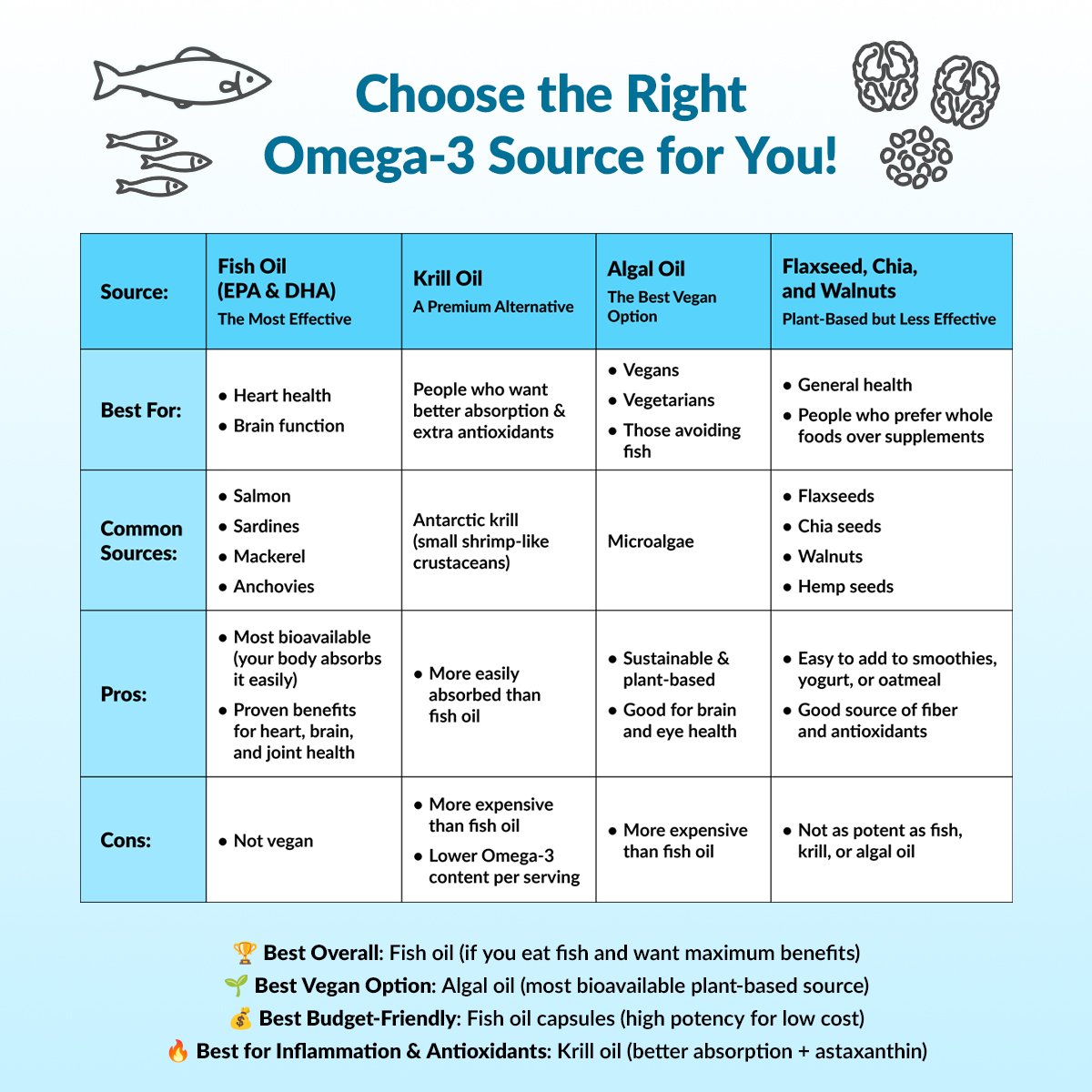
The critical distinction between dietary fish and supplements explains why many consumers misunderstand the risk of fish oil supplements. While eating fatty fish 2-3 times weekly provides balanced omega-3s with minimal risk, supplements deliver concentrated doses that bypass natural regulatory mechanisms. Fish oil supplements typically remove mercury and PCBs through processing, making them safer than high-mercury fish—but they introduce new risks through concentration.
For most healthy adults without medication interactions, eating wild-caught salmon, mackerel, or sardines 2-3 times weekly provides optimal omega-3 benefits with significantly lower risk than high-dose supplements. Reserve supplements only when dietary intake proves insufficient and after consulting your healthcare provider about your specific risk factors.
Essential Safety Checklist Before Taking Fish Oil Supplements
Before adding fish oil to your routine, complete this risk assessment:
- Review all medications with your pharmacist for potential interactions
- Check your bleeding history—have you ever had prolonged bleeding?
- Verify your liver function through recent blood work
- Confirm dosage accuracy by calculating actual EPA/DHA content
- Choose third-party tested brands (look for NSF, USP, or ConsumerLab verification)
- Discuss with your doctor if you have diabetes, bipolar disorder, or immune conditions
The risk of fish oil supplements isn’t inherent to omega-3s themselves—it stems from taking concentrated doses without understanding your personal risk profile. By approaching supplementation with informed caution rather than casual assumption, you can harness potential benefits while avoiding preventable complications. Always prioritize food sources first, reserve supplements for documented deficiencies, and maintain open communication with your healthcare providers about all supplements you consume.