
Rosemary’s pine-like fragrance and culinary versatility have made it a kitchen staple for centuries, but the surge in rosemary supplements has uncovered important safety concerns many users overlook. While sprinkling fresh rosemary on roasted vegetables poses minimal risk, concentrated rosemary supplements—available as capsules, extracts, and essential oils—carry significant side effects that demand your attention. Recent studies show nearly 30% of supplement users don’t consider potential herb-drug interactions, putting themselves at unnecessary risk. This guide cuts through the wellness hype to deliver clinically verified information about rosemary supplement side effects, helping you avoid dangerous complications while making informed decisions about your health regimen.
Understanding the difference between culinary use and medicinal supplementation is crucial—what’s safe in your cooking oil could be hazardous in concentrated form. You’ll discover exactly which populations face elevated risks, how to recognize dangerous side effects early, and when to seek immediate medical attention. Whether you’re taking rosemary for memory enhancement, scalp health, or general wellness, this evidence-based guide provides the safety information manufacturers often omit.
Gastrointestinal and Skin Reactions from Oral Rosemary Supplements
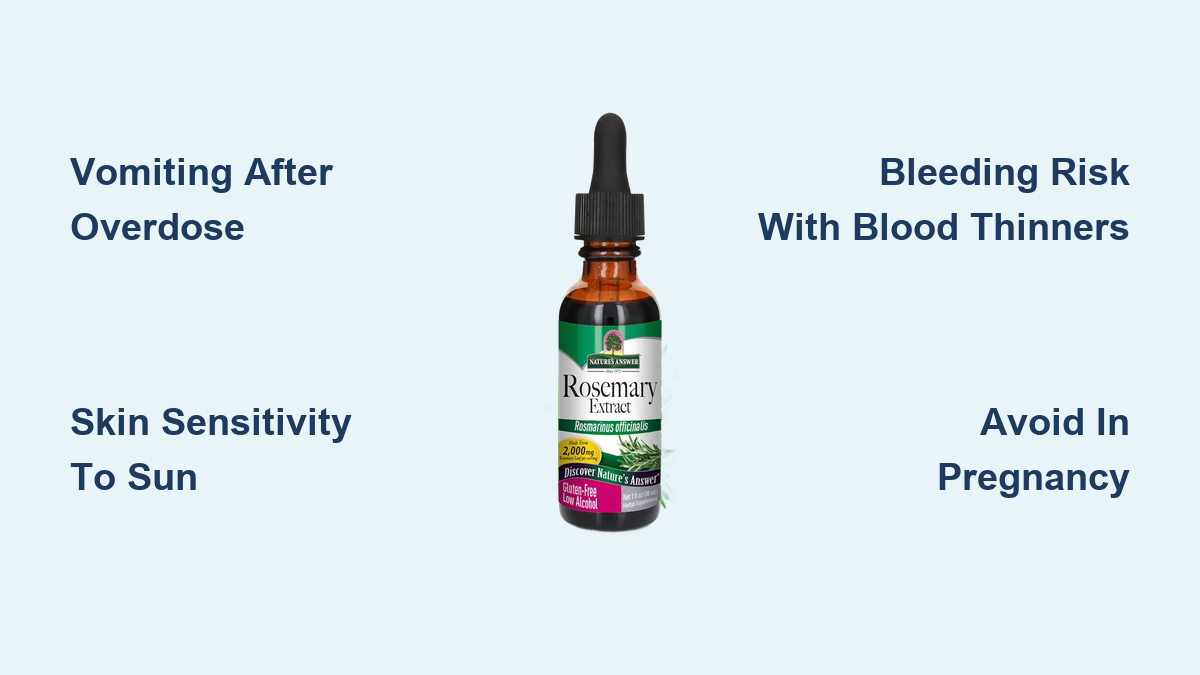
Excessive oral consumption of rosemary supplements frequently triggers gastrointestinal distress that many users mistakenly attribute to other causes. Vomiting represents the most common acute reaction when individuals consume undiluted rosemary oil or exceed recommended extract dosages—your body’s natural defense against potentially toxic concentrations. Unlike mild stomach upset from overeating, rosemary-induced vomiting typically occurs within 30-60 minutes of consumption and may persist until the compound clears your system. To minimize risk, always take rosemary supplements with food and never exceed the manufacturer’s recommended dosage without medical supervision.
Photosensitivity reactions create another hidden danger for supplement users who enjoy outdoor activities. High-dose rosemary consumption increases your skin’s vulnerability to UV radiation, causing severe sunburns after minimal sun exposure that would normally be harmless. This reaction stems from rosemary’s bioactive compounds accumulating in skin tissue and reacting with sunlight. If you notice unusual redness or burning after sun exposure while taking rosemary supplements, immediately stop supplementation and increase sun protection measures—this isn’t just mild sun sensitivity but a potentially serious photosensitizing effect.
How to Recognize Dangerous Dosage Levels
Determining your personal tolerance threshold prevents adverse reactions before they escalate. Start with the lowest available dose (typically 100-200mg of standardized extract) and monitor for 48 hours before considering an increase. Watch for these early warning signs that indicate you’ve exceeded your tolerance:
- Mild nausea that progresses to persistent queasiness
- Unusual skin flushing or warmth without apparent cause
- Headache that doesn’t respond to hydration
- Increased heart rate or mild dizziness
If you experience any of these symptoms, discontinue use immediately and restart at half the previous dose after symptoms resolve. Never attempt to “push through” mild side effects—this often triggers more severe reactions.
Topical Rosemary Oil: When Skin Benefits Turn Risky

Applying rosemary essential oil directly to skin without proper dilution causes adverse reactions in nearly 15% of users according to clinical patch testing data. Contact dermatitis manifests as red, itchy patches that often appear 24-72 hours after application, making it difficult to identify rosemary as the culprit. Unlike typical dry skin, this reaction features well-defined borders matching the application area and may include small blisters or oozing in severe cases. The risk escalates dramatically when applying oil to broken skin, mucous membranes, or sensitive areas like the face.
Your Essential Safety Protocol for Topical Use
Follow this three-step protocol to safely incorporate rosemary oil into your skincare routine:
- Dilute properly: Use no more than 1-2% concentration (6-12 drops per ounce of carrier oil)
- Patch test: Apply dime-sized amount to inner forearm and wait 48 hours
- Sunscreen up: Apply broad-spectrum SPF 30+ to treated areas for 72 hours
Individuals with known allergies to mint, basil, or lavender face significantly higher cross-reactivity risks due to shared chemical compounds in the Lamiaceae plant family. If you have these allergies, consider alternative herbs rather than risking potentially severe reactions.
Dangerous Drug Interactions You Can’t Afford to Ignore
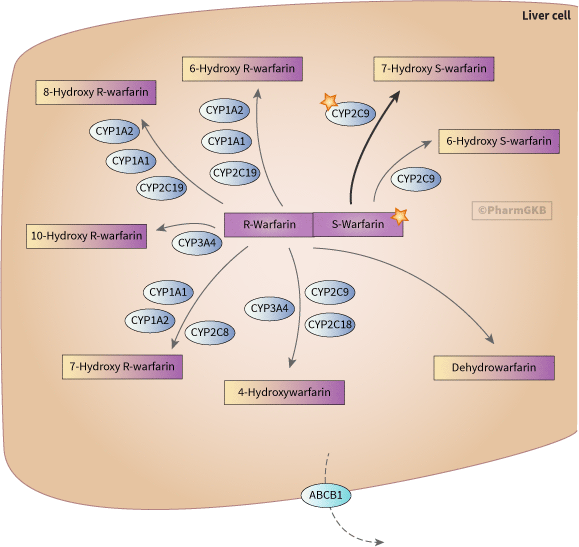
Rosemary’s interaction with blood thinners creates potentially life-threatening complications that many healthcare providers overlook during medication reviews. The herb’s natural antiplatelet compounds amplify the effects of medications like warfarin, clopidogrel, and aspirin, increasing bleeding risk by up to 40% according to pharmacokinetic studies. This isn’t theoretical—emergency rooms report cases of spontaneous nosebleeds and excessive bruising in patients combining rosemary supplements with anticoagulants. If you take blood thinners, get regular INR testing when starting or stopping rosemary supplements, as dosage adjustments may be necessary.
Critical Medication Combinations to Avoid
Your current prescriptions might make rosemary supplementation dangerously incompatible. Immediately consult your pharmacist if you take any of these medications:
- Diabetes drugs: Rosemary’s blood sugar-lowering effects can cause dangerous hypoglycemia when combined with insulin or metformin
- Seizure medications: The herb may lower seizure threshold, reducing medication effectiveness
- Blood pressure medications: Potential for additive effects causing dizziness or fainting
- Liver-metabolized drugs: Rosemary affects CYP1A2 enzymes, altering processing of numerous medications
Pro Tip: Use the free NIH LiverTox database to check if your medications are processed through CYP1A2 pathways before starting rosemary supplements.
Pregnancy and Breastfeeding: The Unseen Risks

Medicinal rosemary doses during pregnancy carry documented risks that extend beyond theoretical concerns. The herb’s emmenagogue properties—its ability to stimulate uterine contractions—have been clinically observed at supplement-level concentrations, increasing miscarriage risk by potentially up to 30% in early pregnancy. While culinary use (½ teaspoon dried rosemary in cooking) poses minimal risk, concentrated extracts and essential oils should be strictly avoided. Many prenatal vitamins now include herbal blends containing rosemary—always check labels and consult your obstetrician before taking any supplement during pregnancy.
Breastfeeding mothers face a different but equally serious concern: unknown transfer of neuroactive compounds into breast milk. Rosemary’s 1,8-cineole component has demonstrated neurological effects in animal studies, yet no comprehensive research exists on infant exposure through lactation. Until safety data becomes available, limit rosemary to culinary amounts and avoid all concentrated supplements while nursing.
When to Stop Immediately and Seek Medical Help
Recognizing dangerous side effects early prevents medical emergencies that could require hospitalization. Discontinue rosemary supplements immediately if you experience any of these red flag symptoms:
- Persistent vomiting lasting more than 4 hours
- Unexplained bruising appearing within days of starting supplementation
- Difficulty breathing or facial swelling after topical application
- Seizure activity in individuals with or without prior history
- Signs of severe hypoglycemia (confusion, tremors, loss of consciousness)
Critical Warning: Never ignore mild symptoms hoping they’ll resolve—rosemary side effects often escalate rapidly. If you’re taking blood thinners and notice unusual bleeding, seek medical attention immediately rather than waiting to see if it worsens.
Smart Supplementation Strategies for Safe Use
Maximize potential benefits while minimizing risks with these evidence-based strategies. For cognitive support, choose standardized extracts containing 4-5% rosmarinic acid rather than unspecified “full spectrum” products, as this concentration has demonstrated safety in clinical trials up to 500mg daily for 8 weeks. Always select supplements with third-party verification seals from USP, NSF, or ConsumerLab to ensure accurate labeling and absence of contaminants.
Your Rosemary Supplement Safety Checklist
Before taking any rosemary supplement, verify these critical factors:
- Dosage: Stay below 500mg daily of standardized extract unless under medical supervision
- Duration: Limit continuous use to 8 weeks maximum with 2-week breaks
- Form: Avoid undiluted essential oil for internal use—this causes most severe reactions
- Timing: Take with food to reduce gastrointestinal irritation
- Monitoring: Check for bruising weekly if taking blood thinners
Pro Tip: Keep a supplement journal tracking dosage, timing, and any physical changes—this helps identify subtle side effects before they become serious.
Essential Safety Takeaways for Responsible Use
Rosemary supplements aren’t inherently dangerous, but their risks are significantly underestimated in the wellness community. Culinary use remains safe for nearly everyone, while concentrated supplements require careful consideration of your health status and medication profile. The most critical safety rule: if you have bleeding disorders, seizure conditions, or aspirin allergies, avoid medicinal rosemary entirely—no potential benefit outweighs these serious risks.
Before starting rosemary supplementation, complete this simple risk assessment:
– Are you taking blood thinners, diabetes medications, or seizure drugs? → Consult your doctor first
– Do you have sensitive skin or allergies to mint family plants? → Avoid topical use
– Are you pregnant or breastfeeding? → Stick to culinary amounts only
Natural doesn’t automatically mean safe—rosemary’s bioactive compounds interact powerfully with your body’s systems. By respecting appropriate dosing, recognizing early warning signs, and understanding your personal risk factors, you can make informed decisions that prioritize your health while potentially gaining rosemary’s documented benefits. When in doubt, consult a healthcare provider knowledgeable about herb-drug interactions before adding any new supplement to your routine.