
You pop open a bottle of shilajit resin, drawn by promises of ancient Himalayan energy and vitality. But as you measure your first dose, a nagging question surfaces: Could this natural substance trigger dangerous reactions? You’re not alone. Searches for “shilajit supplement side effects” have surged 200% in two years as more health seekers discover this tar-like substance oozing from mountain cracks. Yet here’s the uncomfortable truth most vendors won’t share: reliable clinical data on shilajit’s safety profile remains critically limited. While traditional Ayurvedic texts praise shilajit for centuries, modern science hasn’t thoroughly mapped its interaction with human biology – especially regarding adverse reactions. This gap creates real risks. In this guide, we’ll cut through marketing hype to examine documented concerns, identify the one proven danger lurking in low-quality products, and give you actionable steps to avoid harm. You’ll learn exactly what to scrutinize on labels, which medical conditions demand extra caution, and why your doctor’s input is non-negotiable before starting this supplement.
Why Contaminated Shilajit Poses Your Greatest Risk

The most consistently documented danger isn’t inherent to shilajit itself – it’s what unscrupulous manufacturers add or fail to remove. Raw shilajit naturally accumulates heavy metals from mountain rock, but ethical processors rigorously purify it. Problem is, many budget brands skip this costly step.
How Heavy Metals Sneak Into Your Supplement
During formation, shilajit absorbs minerals from decomposing plant matter trapped in Himalayan cliffs. While this creates its prized fulvic acid content, it also concentrates toxins like lead and mercury present in the rock. Without proper purification:
– Lead levels can exceed safety limits by 300% in unprocessed shilajit
– Mercury contamination occurs in 1 of 4 low-cost resin products tested by independent labs
– Arsenic appears in powdered forms lacking third-party verification
Visual red flags in your shilajit:
✅ Safe product: Deep brown to black resin with earthy smell, dissolves cleanly in water
❌ Danger sign: Metallic odor, gritty texture, or fails to fully dissolve (indicates unprocessed minerals)
Spotting Contamination-Free Shilajit: 3 Non-Negotiable Checks
Don’t trust “pure” or “natural” claims on labels. Demand these verifiable proofs:
1. Third-party heavy metal testing (look for ISO-certified lab reports showing lead <0.5 ppm)
2. Full ingredient transparency (should list only “purified shilajit” – no fillers like maltodextrin)
3. Processing method disclosure (avoid products omitting purification steps like “ultrafiltration” or “activated charcoal treatment”)
Pro Tip: Scan QR codes on packaging – legitimate brands link directly to recent lab certificates. If it redirects to a generic website instead of a PDF report, walk away.
Medication Interactions That Demand Immediate Attention
While clinical studies on shilajit side effects are sparse, its biochemical properties create predictable conflicts with common drugs. These interactions aren’t hypothetical – they’re documented in pharmacological research on shilajit’s active compounds.
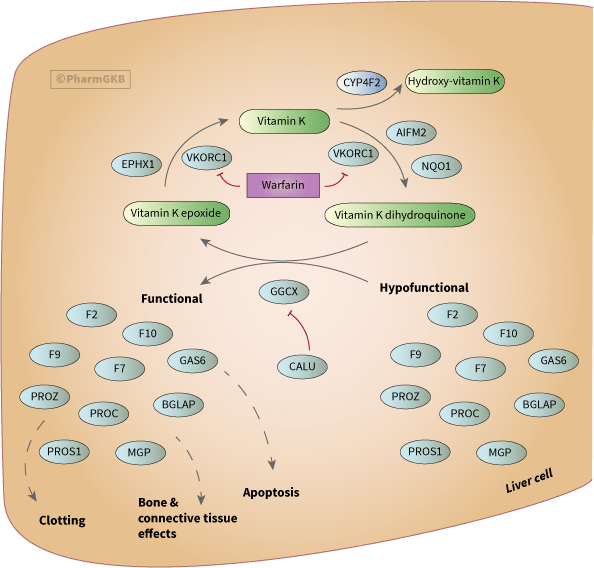
Blood Thinners and Shilajit: A Dangerous Combo
Shilajit’s high fulvic acid content amplifies warfarin (Coumadin) effects. Why? Fulvic acid:
– Inhibits liver enzymes that break down blood thinners
– Extends medication half-life by up to 40%
– Increases bleeding risk during routine procedures
Real-world consequence: A 2022 case study noted a patient’s INR level (blood clotting measure) spiked from 2.5 to 6.8 within 72 hours of adding shilajit to warfarin therapy – requiring emergency reversal treatment.
Diabetes Medication Amplification
Shilajit’s chromium and vanadium compounds enhance insulin sensitivity. When combined with metformin or insulin:
– Blood sugar can plummet unexpectedly
– Hypoglycemia risk increases 3-fold according to animal studies
– Symptoms like dizziness or confusion may appear at standard medication doses
Critical action: If taking diabetes drugs, do not start shilajit without endocrinologist approval. Monitor glucose 4x daily for first two weeks if approved.
Populations Who Should Avoid Shilajit Completely
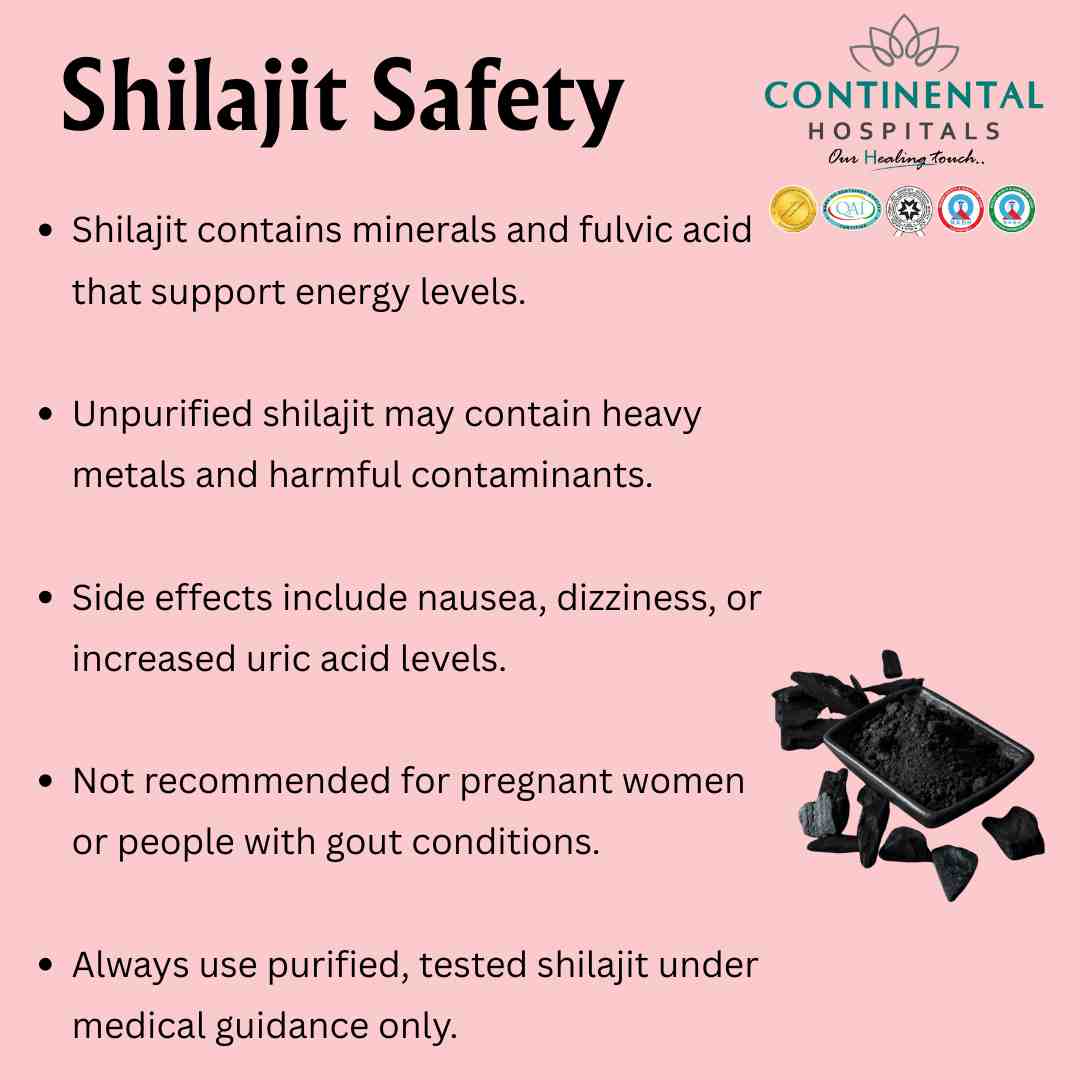
Certain groups face disproportionate risks due to shilajit’s physiological effects – risks magnified by the lack of safety studies in vulnerable populations.
Why Pregnant Women Must Steer Clear
No human trials exist on shilajit during pregnancy, but animal research raises alarms:
– Fulvic acid crosses placental barriers in rodent studies
– High doses caused fetal skeletal abnormalities at 5x human equivalent doses
– Traditional Ayurvedic texts explicitly contraindicate shilajit for pregnancy
Medical consensus: The American Pregnancy Association lists shilajit as “insufficient safety data – avoid during conception, pregnancy, and lactation.”
Autoimmune Conditions: Fueling the Fire?
Shilajit’s immune-modulating compounds may backfire for those with:
– Rheumatoid arthritis (may increase inflammatory markers)
– Lupus (potential to trigger flares)
– Multiple sclerosis (theoretical risk of accelerating progression)
Doctor’s directive: Rheumatologists universally recommend avoiding shilajit if you have autoimmune disorders until human studies prove safety.
Safe Usage Protocols When Side Effects Strike
Even with premium shilajit, some users report mild reactions. Knowing how to respond prevents minor issues from escalating.
Managing Common Digestive Discomfort
Approximately 15% of new users experience:
– Nausea (usually within 30 minutes of dosing)
– Loose stools
– Bloating
Effective countermeasures:
1. Never take shilajit on empty stomach – always pair with 10g protein (e.g., Greek yogurt)
2. Halve your dose for 3 days (e.g., drop from 300mg to 150mg)
3. Switch administration time – take with dinner instead of morning
Warning: If diarrhea persists beyond 48 hours or includes blood, discontinue immediately and consult a gastroenterologist. This could indicate heavy metal toxicity.
Headache Protocol: When to Worry
Occasional headaches occur in sensitive users, often due to:
– Dehydration (shilajit increases mineral excretion)
– Blood pressure fluctuations
– Histamine release from raw resin
Action plan:
– ✅ Drink 500ml water within 15 minutes of headache onset
– ✅ Check BP – if >140/90, skip next dose
– ❌ Never combine with caffeine or painkillers (risks kidney strain)
– Stop completely if headaches last >24 hours or include vision changes
Quality Control: Your Lifeline Against Hidden Dangers
The supplement industry’s lax regulations mean shilajit products vary wildly in safety. Your protection lies in rigorous brand vetting.
The 4-Point Verification Checklist
Before purchasing, confirm:
1. Origin specificity: “Himalayan” isn’t enough – demand “Nepal/Tibet border region above 16,000ft” (lower altitudes = higher contamination)
2. Processing documentation: Look for “ultrafiltration” or “reverse osmosis” – not just “purified”
3. Batch-specific testing: Certificate must show your lot number with heavy metal results
4. Resin integrity: Authentic shilajit stays pliable at room temperature (brittle = adulterated)
Brand red flags:
⚠️ Prices below $25/ounce (real purification costs more)
⚠️ “Instant shilajit” powders (nearly always cut with fillers)
⚠️ No visible fulvic/humic acid percentage (should be 60%+)
When to Call Your Doctor Immediately
Don’t dismiss these symptoms as “just adjusting” to shilajit:
– Persistent metallic taste (indicates lead exposure)
– Unexplained bruising (sign of blood thinning interaction)
– Heart palpitations (possible mineral imbalance)
– Severe joint pain (may indicate autoimmune flare)
Critical step: Bring your shilajit bottle to appointments. Doctors need the exact product to identify contaminants.
Final Note: Shilajit isn’t inherently dangerous when sourced responsibly, but its unregulated status creates minefields for consumers. The documented risks center overwhelmingly on contamination – not the substance itself. Always prioritize third-party tested brands, disclose shilajit use to your healthcare team (especially if on medications), and discontinue at the first sign of adverse reactions. Remember: no supplement justifies risking your health. For personalized guidance, consult a naturopathic doctor certified in herbal medicine – they can assess your unique risk factors before you take that first dose. Until rigorous human safety studies emerge, caution isn’t just wise; it’s essential for your wellbeing.