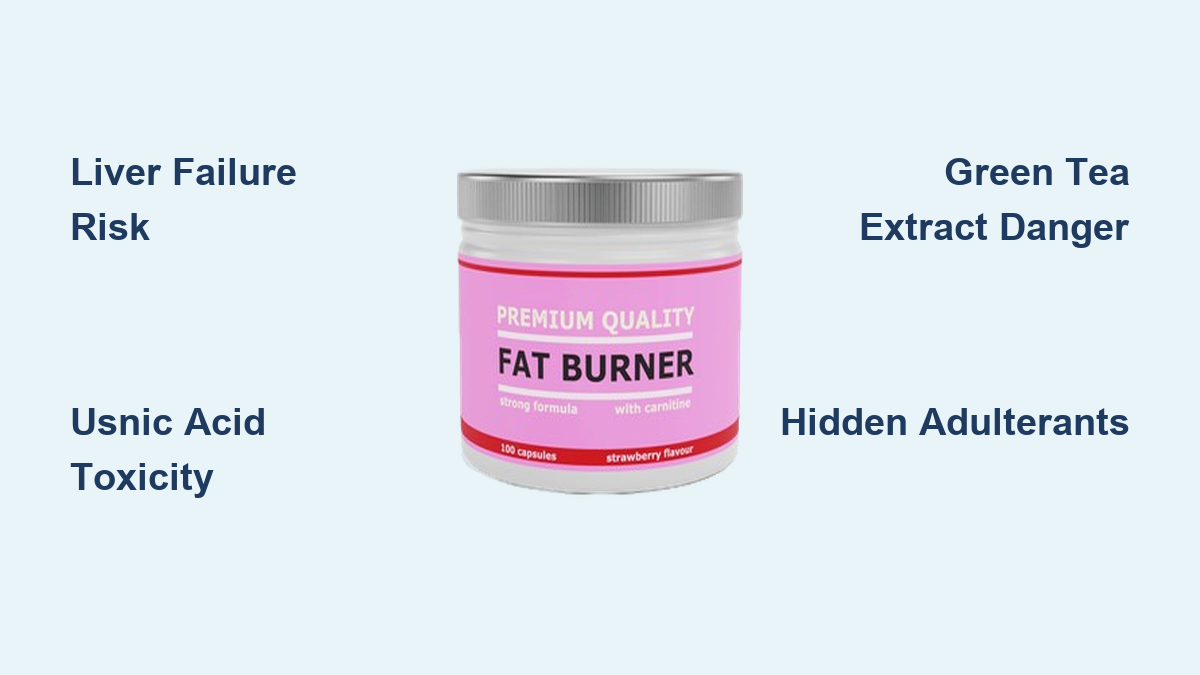

Fat burner supplements have exploded in popularity over the past decade, marketed as effortless solutions for rapid weight loss. These products, often labeled as “fat blockers” or “weight loss pills,” promise to torch stubborn body fat through mechanisms like stimulating fat breakdown and preventing new fat formation. The appeal is obvious—who wouldn’t want to lose weight without diet or exercise? The dietary supplement industry now generates approximately $37 billion annually in the United States alone, with weight-loss products representing the fastest-growing segment, expanding 10 to 20 percent each year. But beneath the marketing promises lies a troubling reality that many consumers never discover until it’s too late.
The most dangerous misconception driving fat burner sales is the belief that natural ingredients automatically translate to safe products. This assumption has proven fatal for some users. A growing body of medical case reports and scientific literature documents severe adverse events associated with these supplements, including acute liver failure requiring emergency transplantation. The toxicological profiles of common fat burner ingredients reveal the potential for devastating harm, ranging from mild hepatic toxicity to complete organ failure. Before considering any fat burner supplement, understanding these risks could save your health—and potentially your life.
This article examines the documented side effects of fat burner supplements, explores the mechanisms behind their toxicity, and identifies which populations face elevated risks. The goal is to provide clear, evidence-based information so you can make informed decisions about your health.
Liver Failure from Fat Burner Supplements: A Bodybuilder’s Near-Death Experience

How One Month of Supplements Destroyed a Healthy Liver
A 28-year-old female professional bodybuilder with no prior liver issues developed life-threatening liver failure after taking fat burner supplements for just one month. She followed the recommended dosage of Somalyz and Lipolyz manufactured by Species Nutrition—taking one to two capsules of Somalyz at bedtime and one Lipolyz capsule with meals three times daily. Within weeks, she experienced fatigue, malaise, and an inability to exercise that rapidly worsened. Jaundice appeared, followed by confusion that progressed to complete unresponsiveness requiring intubation before emergency transfer to a transplant center.
Critical warning signs you shouldn’t ignore: When liver injury progresses this quickly—from initial symptoms to life-threatening complications in less than a week—it indicates severe hepatocellular damage. The bodybuilder’s blood work revealed terrifying abnormalities: bilirubin levels four times normal, liver enzymes 20-30 times higher than safe thresholds, and impaired clotting function. Despite aggressive treatment, she required an emergency liver transplant to survive.
What Caused This Catastrophic Failure?
The supplements contained multiple hepatotoxic ingredients working in dangerous combination. Somalyz delivered usnic acid (4 mg/capsule), propionyl-L-carnitine, phosphatidylcholine, and gamma-aminotransferase. Lipolyz contained even higher usnic acid doses (12 mg/capsule) plus green tea extract (300 mg/capsule), guggulsterones, and cyclic adenosine monophosphate. Comprehensive testing ruled out viral hepatitis, autoimmune conditions, and other potential causes—leaving these supplements as the only plausible explanation for her liver’s near-total collapse.
Usnic Acid: The Silent Liver Killer in Your Fat Burner

Why This “Natural” Ingredient Is Anything But Safe
Usnic acid, derived from lichen and marketed for weight loss, lacks any clinical evidence supporting its effectiveness in humans. Despite this, it remains a common ingredient in fat burners due to unproven fat-burning claims. What makes usnic acid particularly dangerous is its mechanism of action: it uncouples oxidative phosphorylation, destroying mitochondrial function and halting ATP production—the same process that makes carbon tetrachloride so toxic to the liver.
You’re at risk even when following label instructions: Unlike dose-dependent toxins, usnic acid causes idiosyncratic reactions that can strike anyone, regardless of dosage. A documented case shows a healthy 28-year-old woman developing acute liver failure after taking just 500 mg daily for two weeks—the exact dosage recommended on the label. The damage may not appear immediately, potentially developing after weeks of “safe” use until critical liver function is compromised.
Green Tea Extract: From Healthy Beverage to Liver Hazard
When Concentrated Extracts Turn Dangerous
Green tea itself is generally safe, but concentrated extracts in fat burners carry significant risks. The French and Spanish markets withdrew the green tea extract product Exolise following multiple reports of liver injury. At least two documented cases show fulminant hepatic failure directly linked to green tea extract consumption alone—despite green tea being widely perceived as harmless.
The concentration makes the poison: While drinking green tea delivers compounds gradually, supplements provide massive doses of epigallocatechin-3-gallate that overwhelm liver processing capacity. This key constituent causes mitochondrial toxicity and generates reactive oxygen species that directly damage liver cells. Some individuals may also experience allergic reactions to concentrated extracts that wouldn’t occur with regular tea consumption.
Multi-Ingredient Fat Burners: A Toxic Cocktail Effect
How Ingredient Combinations Multiply Danger
The greatest danger comes from fat burners combining multiple hepatotoxic ingredients. In the bodybuilder’s case, usnic acid, green tea extract, and guggul tree extracts created a perfect storm of liver damage. Research shows these combinations produce synergistic toxicity—where the combined effect exceeds the sum of individual risks.
Documented multi-ingredient disasters:
– LipoKinetix (containing usnic acid, norephedrine, yohimbine, and caffeine) caused acute hepatitis in seven patients, leading to its market withdrawal
– UCP-1 supplements triggered liver failure in a bodybuilding couple—one required transplantation while the other survived with severe liver damage
– The combination overwhelms metabolic pathways, damages mitochondria through multiple mechanisms, and inhibits critical detoxification enzymes simultaneously
Hidden Pharmaceutical Adulterants in Fat Burners
https://www.fda.gov/food/dietary-supplements/updates-and-announcements/fda-issues-warning-letters-to-21-companies-for-selling-dietary-supplements-with-adulterated-ingredients
Dangerous Prescription Drugs You Didn’t Know You Were Taking
An insidious threat comes from fat burners containing undisclosed pharmaceutical adulterants. These illegal additives include:
– Sibutramine (withdrawn due to cardiovascular risks)
– Fenfluramine (linked to heart valve damage)
– Rimonabant (associated with depression and suicide)
– N,α-diethylphenylethylamine (powerful stimulant)
You have no way to know what you’re actually consuming: These dangerous compounds often don’t appear on product labels, leaving consumers completely unaware they’re ingesting prescription-strength drugs with serious side effect profiles. The bodybuilding couple who suffered liver failure likely had no idea their UCP-1 supplements contained these hidden hazards.
Who’s Most Vulnerable to Fat Burner Side Effects?
High-Risk Groups That Should Avoid These Supplements
Bodybuilders and athletes face 3x higher risk due to:
– Simultaneous use of multiple supplements
– Intense training that stresses liver function
– Tendency to exceed recommended dosages
– Potential nutrient deficiencies during cutting phases
Genetic susceptibility matters more than you think: The case of three sisters developing hepatitis after taking the same usnic acid product suggests inherited factors influence vulnerability. Variations in cytochrome P450 enzymes can turn normal doses into toxic exposures for some individuals.
Polypharmacy users should be especially cautious: If you take any medications (even over-the-counter drugs), usnic acid’s potent inhibition of CYP2C19 creates dangerous interactions. The bodybuilder in our case was also taking caffeine tablets—potentially worsening her reaction.
Recognizing Early Warning Signs of Liver Damage
Critical Symptoms That Demand Immediate Action
Stop taking fat burners and seek medical help if you experience:
– Unexplained fatigue that doesn’t improve with rest
– Nausea or loss of appetite lasting more than 48 hours
– Abdominal pain in the upper right quadrant
– Dark urine or pale stools
– Yellowing of skin or eyes (jaundice)
Don’t wait for severe symptoms: Liver damage can progress rapidly from mild symptoms to life-threatening failure within days. The bodybuilder’s case shows how confusion developed within two days of jaundice appearing, progressing to complete unresponsiveness requiring intubation. Early intervention is critical—once severe damage occurs, only a transplant can save your life.
Safer, Evidence-Based Weight Management Strategies
What Actually Works Without Risking Your Liver
Forget quick fixes—focus on sustainable approaches:
– Balanced nutrition: Prioritize whole foods over processed options
– Regular exercise: Aim for 150 minutes of moderate activity weekly
– Adequate sleep: 7-9 hours nightly regulates hunger hormones
– Stress management: Chronic stress promotes fat storage
If you must consider supplements, choose those with documented safety:
– Glucomannan (take with 8+ ounces of water to prevent blockage)
– Proven safe doses of green tea (as beverage, not concentrated extract)
– Avoid any product containing usnic acid or guggul extracts
Final Reality Check Before Popping That Pill
The medical evidence is clear: fat burner supplements carry real risks of severe, potentially fatal side effects. Documented cases show healthy individuals developing acute liver failure requiring emergency transplantation after following label instructions for products containing usnic acid, green tea extracts, and guggul tree compounds. The misconception that “natural” means “safe” has led many consumers to underestimate these dangers.
Regulatory gaps mean these products enter the market without safety testing, and dangerous ingredients like usnic acid remain widely available despite documented harm. Your liver performs over 500 vital functions—it’s not worth gambling with unproven supplements that could destroy it in weeks. Before considering any fat burner, ask yourself: is temporary weight loss worth risking your life? The safest path to sustainable weight management remains the unglamorous combination of balanced nutrition, regular exercise, adequate sleep, and stress management—no liver-damaging shortcuts required.