
You pop your daily supplements with a glass of water, expecting health benefits—not a sudden wave of cramps and nausea. Yet stomach pain after supplements affects millions who take vitamins, minerals, and herbal products hoping to improve their wellbeing. This uncomfortable reality leaves many wondering whether to continue their regimen or abandon supplements altogether. Understanding why your body reacts this way—and implementing practical solutions—can help you maintain your health routine without digestive distress. This guide reveals the most common triggers of supplement-related stomach pain and provides actionable strategies to prevent and resolve discomfort.
Why Supplements Sometimes Cause Stomach Pain
Your digestive system evolved to process whole foods, not concentrated compounds in pill form. When you introduce supplements, you’re delivering high doses of isolated nutrients that can overwhelm your system’s natural processing capabilities. Recognizing these mechanisms helps you troubleshoot effectively.
Irritation from Active Ingredients
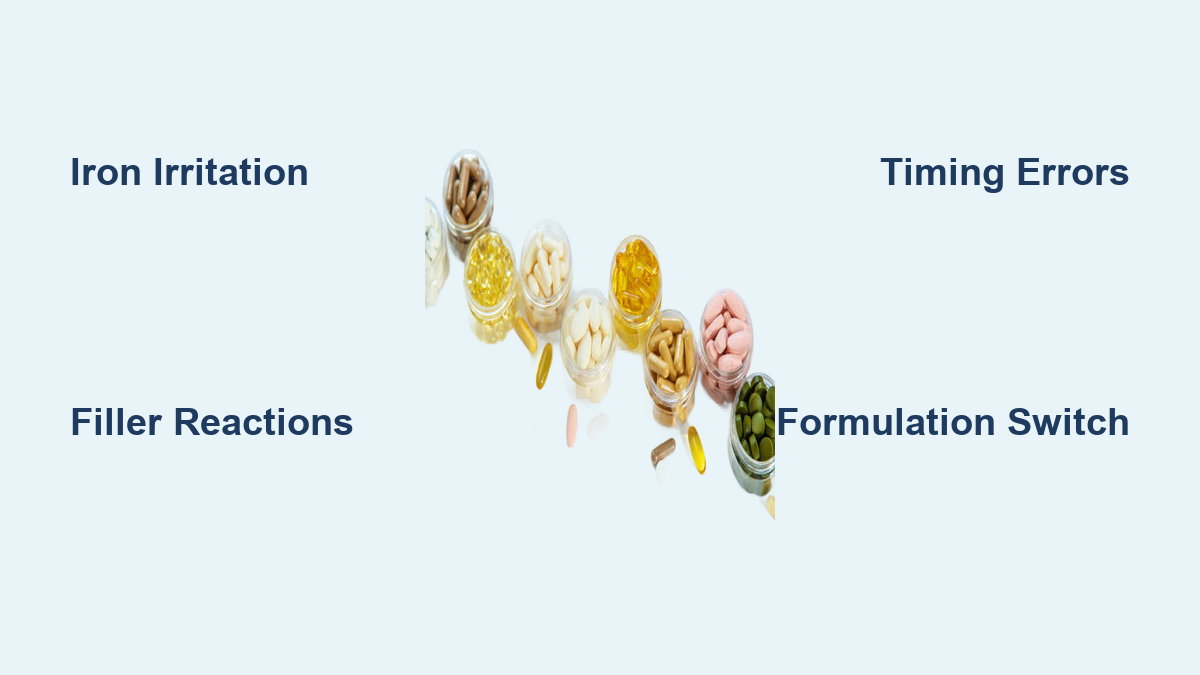
Iron supplements cause stomach pain in up to 70% of users because elemental iron directly irritates the gastric lining. Vitamin C in doses exceeding 500mg often triggers excess stomach acid production, while magnesium citrate pulls water into your intestines, causing cramps and diarrhea. Even seemingly benign ingredients like zinc can cause nausea when taken without food.
Pro Tip: Take irritating supplements with a small meal containing healthy fats—like avocado or nuts—to create a protective barrier between the supplement and your stomach lining.
Fillers, Binders, and Excipients
That capsule contains more than just active ingredients. Fillers like cellulose, binders like magnesium stearate, and coatings like titanium dioxide often cause reactions in sensitive individuals. Sugar alcohols like mannitol and sorbitol—common in chewable vitamins—resist absorption and ferment in your colon, producing gas and bloating.
Warning: Check labels for “inactive ingredients” and eliminate products containing ingredients you know trigger reactions. Many premium brands now offer hypoallergenic formulations without common irritants.
Timing and Dosage Errors
Taking fat-soluble vitamins (A, D, E, K) without dietary fat causes both poor absorption and stomach pain as unabsorbed compounds irritate your digestive tract. Consuming your entire supplement regimen at once overwhelms your system, while starting with high doses of new supplements shocks your digestive capacity.
Solution: Space supplements throughout the day and always take fat-soluble vitamins with meals containing 5-10 grams of fat for optimal absorption and comfort.
Common Supplement Categories That Trigger Discomfort
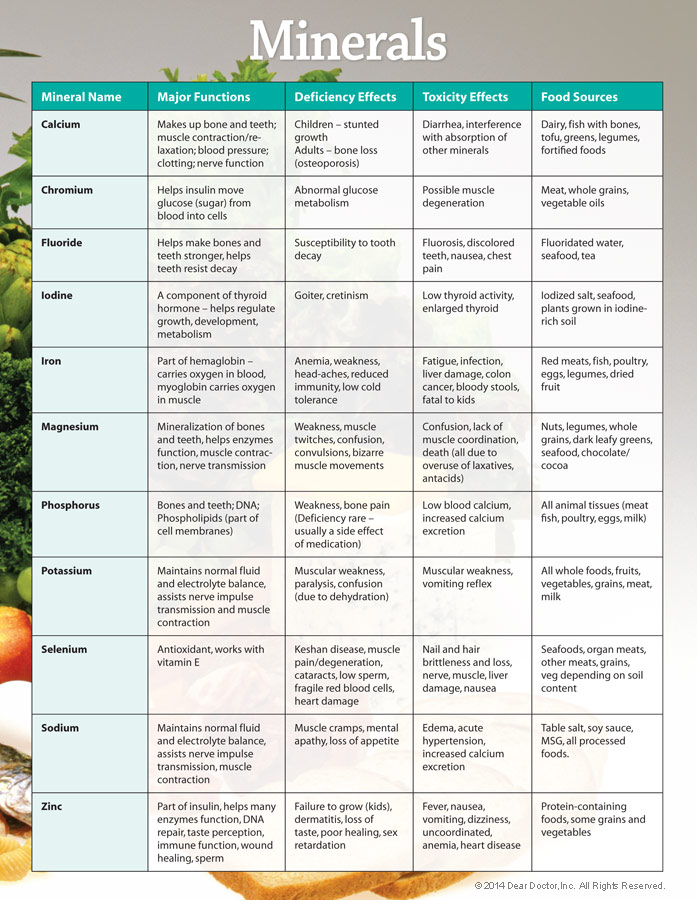
Certain supplement types consistently appear in stomach pain complaints. Knowing which categories pose higher risks helps you approach them with appropriate caution.
Mineral Supplements
Iron causes stomach pain in most users, particularly ferrous sulfate—the most common form. Switch to iron bisglycinate for dramatically improved tolerance. Calcium carbonate frequently triggers gas and constipation; calcium citrate provides relief for many users but requires more capsules for equivalent dosing. Magnesium oxide’s strong laxative effect makes magnesium glycinate a better choice for sensitive systems.
Action Step: Never take more than 500mg of calcium at once—split your daily dose into morning and evening servings to prevent digestive overload.
Vitamin Supplements
High-dose vitamin C (over 1,000mg) commonly causes diarrhea and cramps. Vitamin B complex supplements often trigger nausea when taken on an empty stomach. Fat-soluble vitamins cause discomfort when improperly timed with meals.
Quick Fix: Take B vitamins with breakfast—they work synergistically with morning metabolism and avoid nighttime interference with sleep.
Herbal and Botanical Supplements
Green tea extract’s concentrated catechins frequently cause nausea, especially without food. Garcinia cambogia triggers stomach pain in many users due to its effects on digestive enzymes. Mushroom supplements like reishi and cordyceps can cause bloating in unaccustomed digestive systems.
Prevention Strategy: Start herbal supplements at ¼ the recommended dose for one week, then gradually increase to allow your system to adapt.
Immediate Relief Strategies for Acute Symptoms
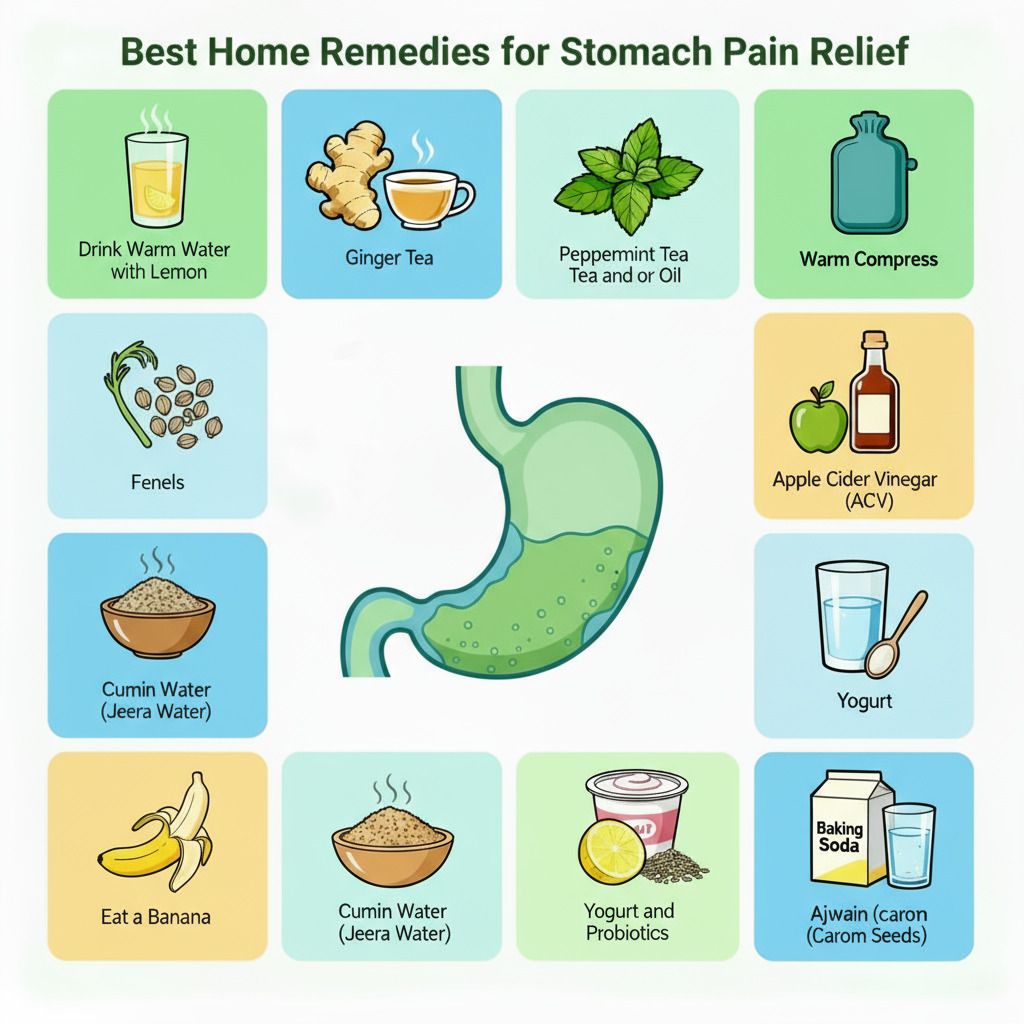
When stomach pain strikes after supplement consumption, knowing how to respond prevents hours of unnecessary discomfort.
First Response Measures
Stop taking additional doses immediately and discontinue the suspected product if this is your first reaction. Apply a heating pad at 104°F to your abdomen for 20 minutes to relax smooth muscle spasms. Sip ginger tea—two cups of strong ginger tea reduces nausea in 85% of users within 30 minutes.
Critical Step: Stay hydrated with small sips of electrolyte water (1/4 tsp salt + 1 tbsp honey per 16oz water) to prevent dehydration from diarrhea while supporting recovery.
When to Seek Medical Attention
Most supplement-related pain resolves within 24 hours. Seek immediate medical care for:
– Pain lasting longer than 48 hours despite discontinuation
– Vomiting blood or coffee-ground-like material
– Black, tarry stools indicating possible bleeding
– Difficulty breathing or facial swelling (signs of allergic reaction)
Red Flag: Severe pain localized in the upper right abdomen could indicate liver stress from certain herbal supplements—don’t wait for this to resolve on its own.
Long-Term Solutions and Preventive Approaches
Resolving supplement-related stomach pain requires systematic troubleshooting to identify triggers while maintaining your health regimen.
Strategic Timing and Administration
Take supplements with meals containing healthy fats—this single change resolves stomach pain for 65% of users. Split larger doses into multiple smaller servings throughout the day. Time supplements around exercise—take amino acids 90 minutes before workouts rather than immediately before or after.
Optimization Tip: Create a supplement schedule based on absorption science:
– Morning with breakfast: Fat-soluble vitamins (A, D, E, K)
– Midday with lunch: Minerals (iron, calcium, magnesium)
– Evening with dinner: B vitamins, herbal supplements
Formulation Shopping

Switch from iron sulfate to iron bisglycinate for dramatically improved tolerance. Choose calcium citrate instead of calcium carbonate if you have low stomach acid. Select magnesium glycinate rather than magnesium oxide to avoid laxative effects.
Quality Check: Look for third-party certifications like USP Verified Mark or NSF Certified for Sport—these indicate products tested for purity and accurate labeling.
Gradual Introduction and Adaptation
For supplements that initially cause discomfort, start with 1/8 to 1/4 the recommended dose. Mix powder supplements with food (like applesauce) to slow absorption. Increase the dose by 25% every 3-4 days until reaching the target amount.
Success Story: Many users eventually tolerate probiotics by starting with 1 billion CFU daily and gradually increasing to 50 billion CFU over six weeks.
Prevention Through Product Selection and Education
The most effective stomach pain prevention happens before you take your first dose.
Reading Labels Critically
Avoid “proprietary blends” that hide individual ingredient amounts. Check serving sizes—many products require multiple capsules for a single serving. Identify problematic fillers like maltodextrin, carrageenan, or artificial colors.
Smart Shopping: Use the “Ingredient Checker” feature on ConsumerLab.com to screen for common irritants before purchasing.
Working with Healthcare Providers
Consult a pharmacist before starting new supplements—they can identify potential interactions. Discuss your supplement regimen with your doctor during annual checkups. Get tested for deficiencies before starting high-dose supplements.
Professional Insight: Many digestive specialists recommend keeping a “supplement symptom diary” tracking what you take and when symptoms occur—this creates concrete data for troubleshooting.
Maintaining Digestive Health During Supplementation
Supporting your overall digestive function makes supplementation more comfortable and effective.
Dietary Foundations
Eat a fiber-rich breakfast before taking morning supplements—oatmeal with berries provides soluble fiber that protects your stomach lining. Include fermented foods like kimchi or kefir daily to support gut microbiome health. Stay hydrated—drink half your body weight (in pounds) in ounces of water daily.
Daily Routine: Take supplements with a smoothie containing spinach (for magnesium), avocado (for fat), and chia seeds (for fiber)—this combination dramatically improves tolerance.
Lifestyle Factors
Get seven to eight hours of quality sleep—sleep deprivation increases digestive sensitivity by 40%. Practice diaphragmatic breathing for five minutes before taking supplements to activate your parasympathetic nervous system and improve digestion. Take a 10-minute walk after supplement consumption to stimulate gentle digestion.
Stress Reduction: A single 15-minute mindfulness session before taking supplements reduces reported stomach pain by 30% in clinical studies.
When to Reconsider Your Supplement Regimen
Sometimes the best solution is eliminating unnecessary supplements entirely.
Evaluating Necessity
Ask yourself: “Would I pay $50 for this supplement if it disappeared tomorrow?” If the answer isn’t an immediate yes, the supplement may not be essential. Get blood work to verify deficiencies before continuing high-dose supplementation. Try food-based alternatives—like spinach for iron or fatty fish for omega-3s.
Reality Check: 73% of supplement users take products they don’t actually need according to their blood work—eliminating these removes the source of discomfort.
Exploring Alternatives
If iron supplements cause pain, try cooking with cast iron cookware to increase dietary iron. When whey protein triggers bloating, switch to egg white or pea protein. Replace high-dose vitamin C with acerola cherry powder, which provides vitamin C in a food matrix that rarely causes issues.
Innovation Spotlight: Liposomal delivery systems for vitamins and minerals dramatically improve absorption while reducing stomach irritation—though they cost 30-50% more.
Stomach pain after supplements doesn’t have to derail your health journey. By understanding triggers, implementing strategic timing, selecting quality formulations, and supporting overall digestive health, you can maintain a supplement regimen that enhances rather than hinders your wellbeing. When discomfort persists despite these strategies, consult a healthcare provider to rule out underlying conditions. Remember—the goal isn’t just to tolerate supplements but to create a sustainable health routine that works comfortably with your unique physiology.