
If your calcium supplements aren’t delivering the bone-strengthening benefits you expect, timing could be the missing piece. Many people pop their calcium tablets whenever it’s convenient without realizing that taking calcium supplements at the wrong time can reduce absorption by up to 50%. This essential mineral powers everything from strong bones to proper muscle function, yet your body only absorbs about 30% of supplemental calcium under ideal conditions. Understanding when should calcium supplements be taken transforms your supplement routine from guesswork into a precision strategy that delivers real results. The right timing strategy means the difference between building lifelong bone density and wasting money on supplements that pass straight through your system.
Your body’s calcium absorption operates on a delicate biological clock influenced by stomach acid levels, food interactions, and natural hormone rhythms. Unlike water-soluble vitamins that your body readily processes whenever consumed, calcium requires specific conditions to unlock its full potential. Research consistently shows that strategic timing can boost calcium uptake significantly—without changing your dosage or supplement type. Whether you’re taking calcium to prevent osteoporosis, address a deficiency, or simply maintain optimal health, mastering the timing nuances ensures you’re investing in results rather than empty capsules.
Take Calcium with Food for Better Absorption
Food creates the acidic environment your digestive system needs to break down calcium effectively. When you take calcium supplements with meals, the natural increase in stomach acid dissolves the supplement, making the mineral available for absorption through your intestinal wall. This is especially crucial for calcium carbonate, the most common and affordable supplement form, which relies heavily on stomach acid for proper dissolution. Taking calcium carbonate on an empty stomach often leads to poor absorption and uncomfortable digestive side effects like bloating or gas.
Not all meals work equally well for calcium absorption. High-oxalate foods like spinach, rhubarb, and beet greens bind to calcium and prevent its absorption, while phytate-rich foods such as whole grains and legumes create similar binding issues. For optimal results, pair your calcium supplement with a meal containing moderate protein and fat—these nutrients stimulate bile release, which indirectly supports calcium uptake. Avoid taking calcium with high-fiber cereals or spinach salads if you want maximum absorption. Instead, choose balanced meals with lean proteins and healthy fats to create the ideal environment for calcium absorption.
Split Your Dose for Optimal Absorption
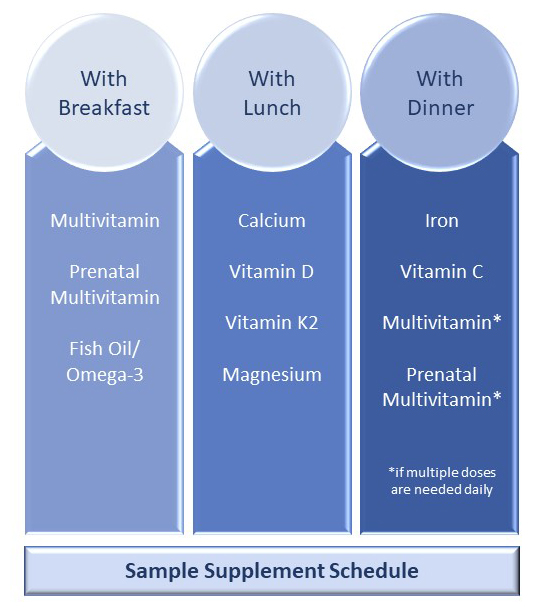
Your digestive system can only process 500-600 milligrams of calcium at once, regardless of how much you consume. Taking larger doses means the excess simply passes through your system unused, potentially causing uncomfortable side effects like constipation or gas. By splitting your daily calcium intake into smaller, more frequent doses, you maintain consistent levels in your digestive tract where absorption occurs. This approach leverages your body’s natural absorption mechanisms without overwhelming them, significantly increasing the total amount your body actually uses.
Practical implementation means taking 500 milligrams with breakfast and another 500 milligrams with dinner if your recommended daily dose is 1,000 milligrams. For higher doses of 1,200-1,500 milligrams, three smaller doses of 400-500 milligrams spread throughout the day works best. This strategy not only improves absorption but also reduces the digestive discomfort that causes many people to abandon their calcium regimen. Smaller doses are gentler on your system while providing the steady calcium supply your bones need for continuous remodeling.
Evening Doses May Support Bone Health
Emerging research suggests nighttime might be the optimal window for calcium supplementation. Your bones undergo constant remodeling, with bone breakdown rates peaking during nighttime hours. The parathyroid hormone, which regulates calcium levels, follows a circadian rhythm with nighttime activity spikes. By taking calcium in the evening, you provide your body with the raw materials it needs precisely when bone turnover is most active, potentially improving bone density outcomes over time.
Creating an evening supplement routine also improves consistency for many people. Pairing your calcium dose with an established nighttime habit—like brushing your teeth or reading before bed—creates a reliable behavioral cue that reduces missed doses. However, avoid taking calcium immediately before bed, as it can slow digestion and cause discomfort for some users. Aim for a two- to three-hour window between your calcium dose and bedtime to balance circadian benefits with digestive comfort.
Morning Doses Suit Many Lifestyles
For most people, taking calcium with breakfast offers the perfect blend of biological effectiveness and practical convenience. Morning routines are typically well-established, making it easier to remember your supplement consistently. Breakfast naturally stimulates stomach acid production, creating ideal conditions for calcium carbonate absorption. Many common breakfast foods—including dairy products, fortified plant milks, and orange juice—provide additional calcium and vitamin D that work synergistically with your supplement.
If you exercise in the morning, timing your calcium before rather than after your workout may offset temporary calcium loss through sweat. The key is establishing a reliable pattern that fits your daily rhythm. Consistent morning dosing ensures your body receives regular calcium supplies throughout the day, supporting continuous bone remodeling processes without the confusion of alternating between morning and evening schedules.
Avoid Taking Calcium with Certain Medications
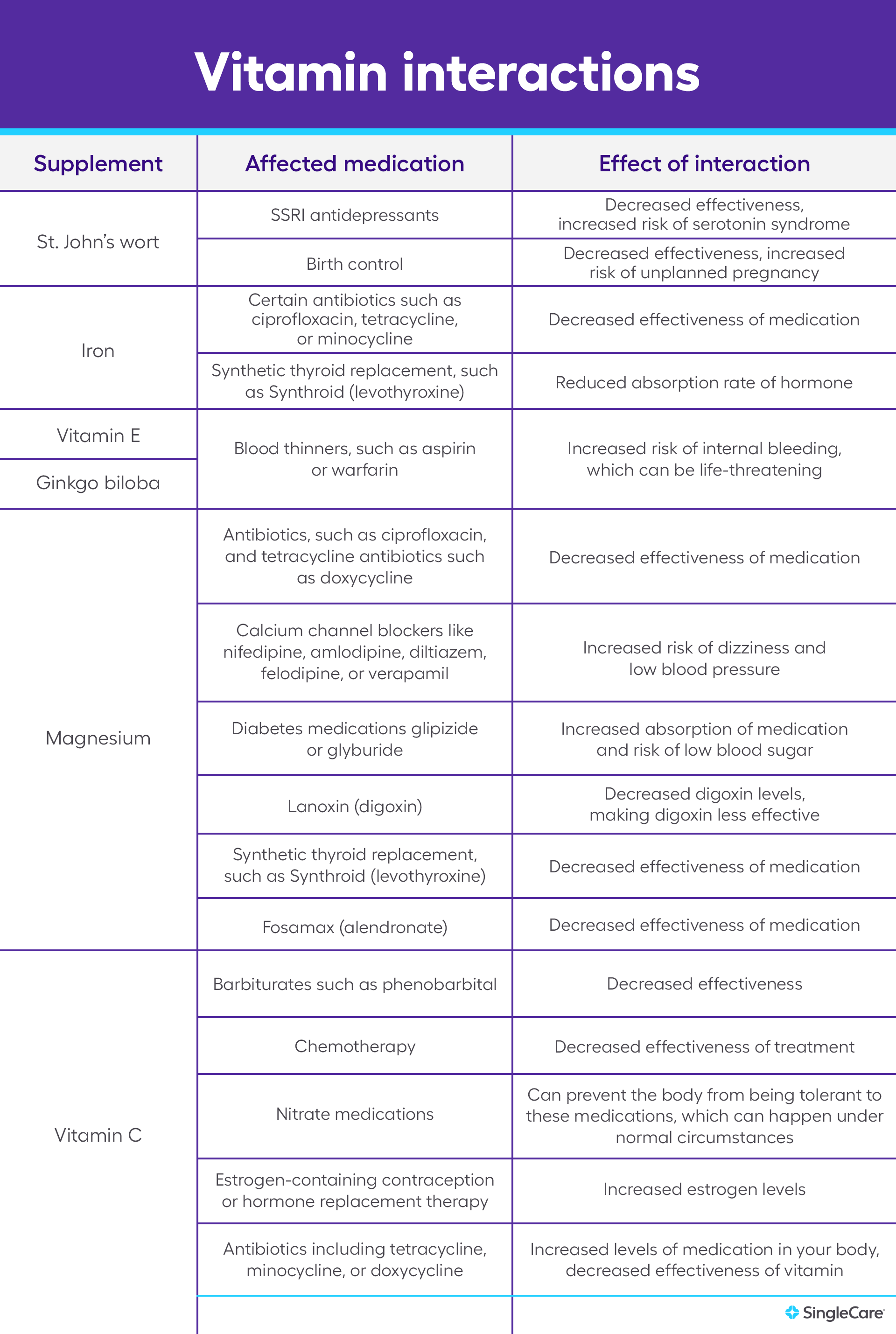
Calcium binds to numerous medications in your digestive tract, creating compounds that neither your body nor the medication can absorb. Antibiotics like tetracyclines and fluoroquinolones, thyroid medications, and osteoporosis drugs are particularly vulnerable to these interactions. To prevent compromising both your medication effectiveness and calcium absorption, maintain a two-hour buffer between your calcium supplement and these medications—taking calcium either two hours before or four to six hours after your medication.
Bisphosphonates, commonly prescribed for osteoporosis, require especially careful timing. These medications need an empty stomach for proper absorption and work by slowing bone breakdown. Taking calcium too close to your bisphosphonate dose essentially neutralizes the medication’s effectiveness. Most physicians recommend taking bisphosphonates first thing in the morning with water, then waiting 30-60 minutes before consuming food, beverages, or supplements—including calcium. Iron supplements present a similar conflict, as calcium and iron compete for the same absorption pathways, requiring several hours’ separation.
Consider Your Calcium Supplement Type

The form of calcium you choose directly impacts when and how you should take it. Calcium carbonate requires food and stomach acid for proper dissolution—taking it on an empty stomach results in only 10-15% absorption compared to 25-30% with food. If you take acid-reducing medications, have naturally low stomach acid due to age, or prefer taking supplements between meals, calcium citrate offers superior absorption without requiring food. Though more expensive, citrate’s flexibility makes it ideal for those with digestive sensitivities or irregular eating patterns.
Calcium citrate’s independence from stomach acid means you can take it with or without food based on your personal tolerance. Some users find evening dosing works particularly well with citrate, as it’s less likely to cause digestive sluggishness than carbonate. Regardless of which form you choose, splitting doses and matching timing to your supplement type’s requirements ensures maximum benefit with minimal side effects.
Vitamin D Enhances Calcium Absorption
Vitamin D acts as calcium’s essential partner—without sufficient levels, your body can only absorb 10-15% of consumed calcium, versus 30-40% with adequate vitamin D. Many calcium supplements include vitamin D for this reason, but if yours doesn’t, take them together for maximum benefit. Vitamin D’s fat-soluble nature means taking it with a meal containing healthy fats improves absorption, naturally aligning with calcium’s food-based timing requirements.
The timing relationship between these nutrients matters less than ensuring consistent daily intake of both. Vitamin D’s longer half-life means occasional missed doses have less impact than inconsistent calcium intake, which your bones need continuously. For those with documented vitamin D deficiency, taking a dedicated vitamin D supplement with your morning meal containing fats optimizes absorption while keeping your calcium doses strategically split throughout the day.
Establish a Consistent Routine
Consistency outweighs perfect timing when it comes to calcium supplementation. Your bones remodel continuously, requiring steady calcium supplies for optimal density and strength. Sporadic intake—even with theoretically perfect timing—provides far less benefit than consistent daily dosing at suboptimal times. Build your calcium routine around meals you never skip, whether breakfast, lunch, or dinner, creating a sustainable pattern you can maintain for years.
Pill organizers, phone reminders, or keeping supplements visible near your regular meal spots can reinforce consistency. If you travel frequently, pack calcium supplements in your travel kit and establish a routine that works across time zones. Remember that bone health builds gradually over decades—your supplement timing strategy should be one you can maintain comfortably for the long haul, supporting skeletal strength well into your future.
Final Note: This article provides general information about calcium supplement timing and should not replace personalized medical advice. Always consult your healthcare provider about supplement regimens, dosages, and potential interactions with your specific medications and health conditions.