
When your post-workout shake stops delivering results, the issue often lies in how you’re using whey protein rather than the supplement itself. This complete protein source—extracted during cheese production—delivers 20-30 grams of fast-absorbing protein per serving, packed with all nine essential amino acids your body needs for muscle repair. Whey protein supplement benefits extend far beyond basic nutrition, offering scientifically proven advantages for athletic performance, recovery, and body composition when used correctly. Yet most consumers miss out on these advantages by overlooking critical timing strategies and dosage guidelines that determine whether whey protein becomes a powerful tool or just an expensive addition to your pantry.
The real magic happens when you align whey protein consumption with your body’s natural recovery cycles. Research shows consistent use combined with proper training triggers measurable improvements in strength and endurance within 4-6 weeks. But exceeding recommended doses can trigger digestive discomfort and acne breakouts that negate these benefits. This guide cuts through supplement marketing hype to deliver actionable strategies for harnessing whey protein supplement benefits while avoiding common pitfalls that leave most users disappointed with their results.
Why Whey Protein Outperforms Other Protein Sources

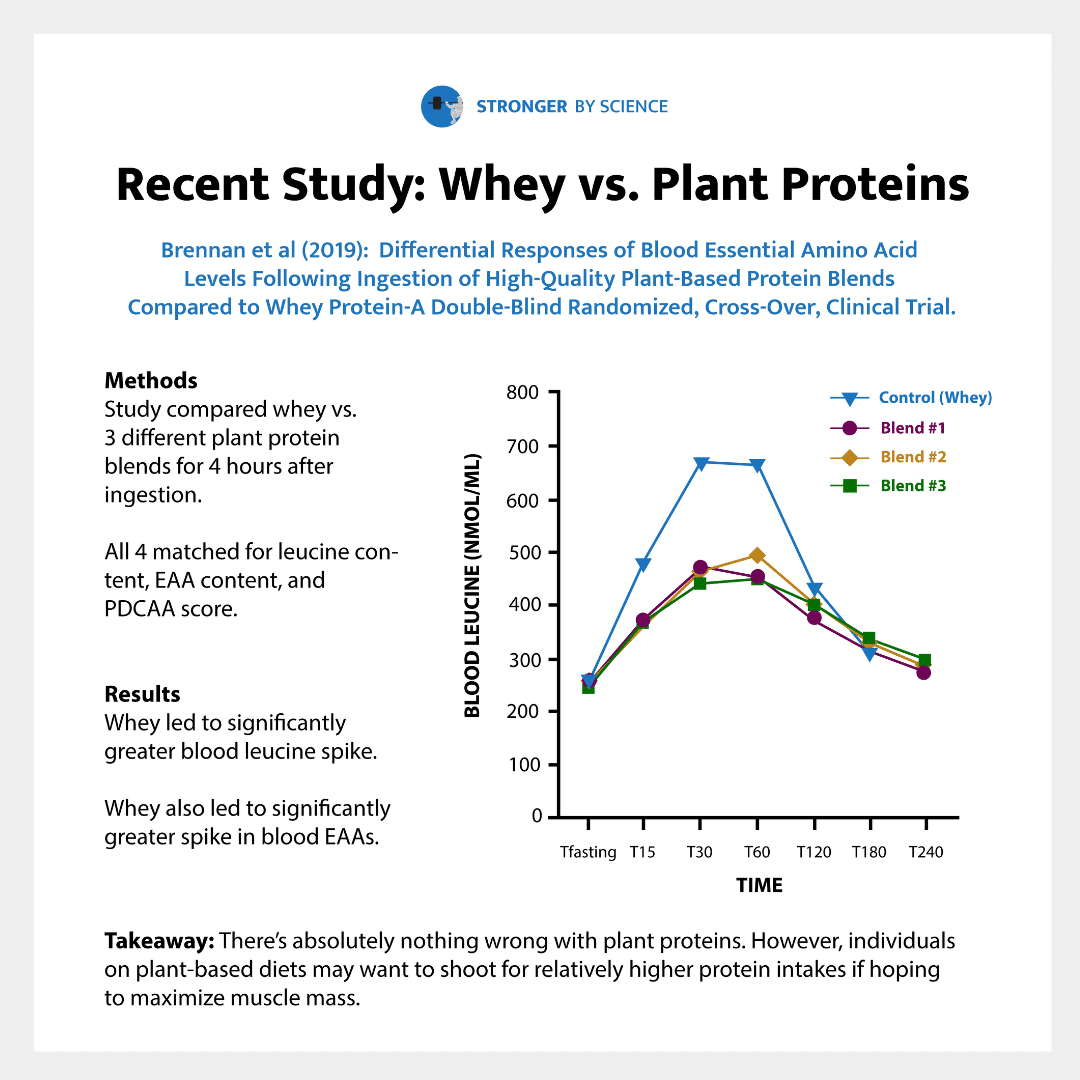
Whey protein’s unique composition makes it the gold standard for post-exercise recovery. Unlike plant-based proteins that often lack complete amino acid profiles, whey delivers all nine essential amino acids your muscles need for repair. Its rapid digestion rate means amino acids flood your bloodstream within 30-60 minutes of consumption—exactly when your muscles are most receptive after intense training.
The Leucine Advantage for Muscle Growth
This branched-chain amino acid (BCAA) acts as the master switch for muscle protein synthesis. Whey protein contains higher concentrations of leucine than other protein sources, triggering your body’s muscle-building machinery more effectively. Pro tip: For maximum impact, consume 2.5-3 grams of leucine per serving—typically delivered by 25-30 grams of whey protein.
How Whey Protein Fuels Faster Recovery
The rapid amino acid delivery creates an immediate anabolic environment that reduces muscle breakdown after exercise. Studies show athletes using whey protein within 45 minutes post-workout experience 20% less muscle soreness and return to training readiness 1-2 days faster than those relying solely on whole food protein sources. Look for these visual recovery indicators within two weeks of consistent use:
– Reduced DOMS (delayed onset muscle soreness)
– Increased training frequency capacity
– Improved workout performance metrics
Whey Protein Benefits That Science Actually Supports
While supplement companies make bold claims, only specific whey protein supplement benefits have solid scientific backing. Understanding which advantages are proven versus speculative helps you set realistic expectations and avoid wasting money on unrealistic promises.
Strength Gains You Can Actually Measure
Research consistently demonstrates 5-10% greater strength improvements in resistance-trained individuals who combine whey protein supplementation with regular training versus training alone. The key phrase here is “consistent use”—sporadic supplementation delivers negligible results. Critical mistake: Skipping protein on rest days undermines progress since muscle repair continues 48-72 hours post-workout.
Weight Management Advantages Beyond Muscle Building
Whey protein’s high satiety value helps control appetite between meals, making it valuable for body composition goals. Clinical trials show participants consuming whey protein with breakfast reduced daily calorie intake by 150-200 calories compared to those eating equivalent protein from eggs or soy. This effect stems from whey’s impact on hunger hormones like ghrelin and GLP-1.
Why Whey Protein Doesn’t Work for Everything
Despite marketing claims, whey protein supplement benefits have clear limitations. Understanding where science shows no meaningful impact prevents wasted effort and disappointment.
Conditions With No Demonstrated Benefits
Research has conclusively shown whey protein provides no measurable improvement for:
– Chronic obstructive pulmonary disease (COPD) symptoms
– Osteoporosis or bone density in older adults (studies tracked results for up to two years)
– Asthma management or prevention
Time-saving tip: Don’t waste money on whey protein for these conditions—focus instead on evidence-based treatments recommended by healthcare professionals.
Avoiding Common Whey Protein Side Effects
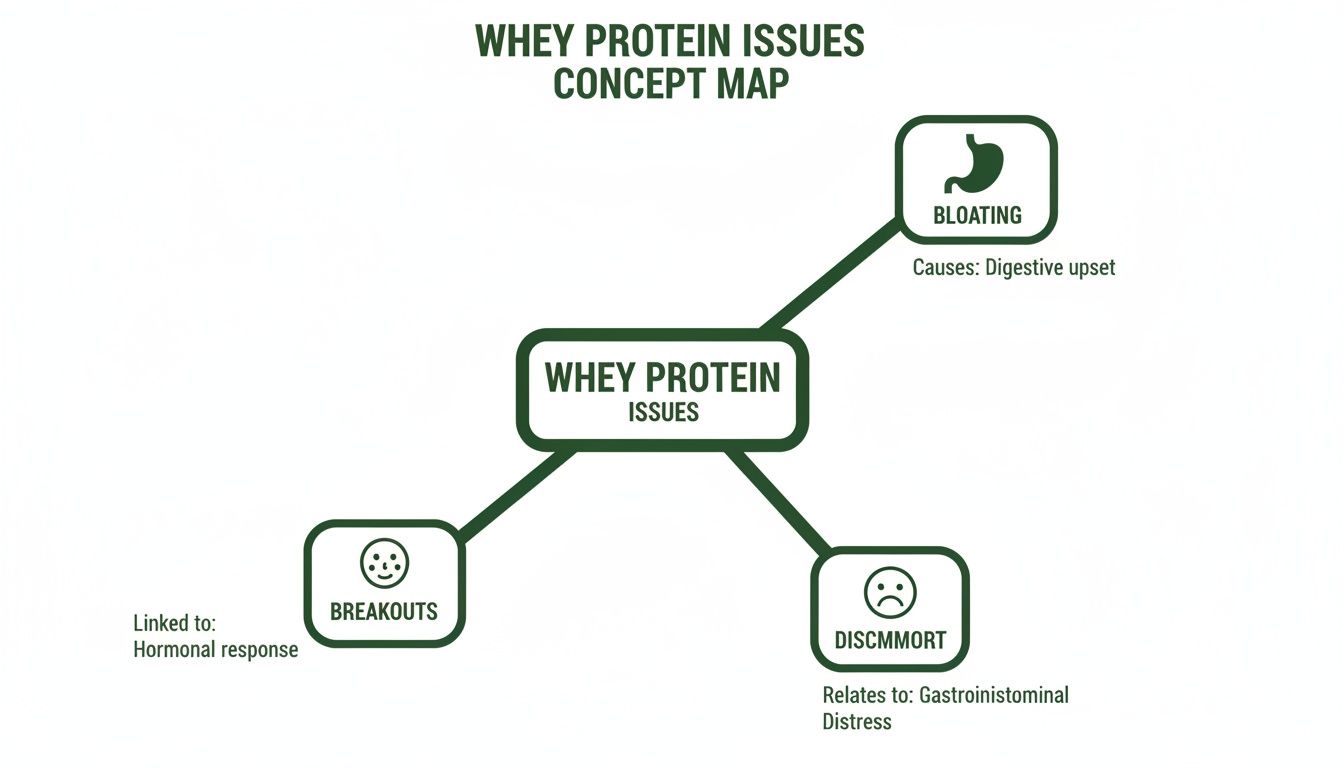
Most adverse reactions occur from improper dosing or ignoring individual tolerance thresholds. Recognizing early warning signs prevents unnecessary discomfort while preserving the whey protein supplement benefits you seek.
Digestive Distress Warning Signs
Exceeding your personal tolerance threshold typically causes:
– Abdominal bloating within 30-60 minutes of consumption
– Increased bowel movements or loose stools
– Reduced appetite lasting several hours
Fix: Start with 15-20 grams per serving and gradually increase while monitoring symptoms. Many users find hydrolyzed whey causes fewer digestive issues than concentrate forms.
Acne Breakout Prevention Strategies
Whey protein can trigger acne in susceptible individuals through insulin-like growth factor pathways. If breakouts occur:
– Switch to grass-fed whey sources (lower in hormones)
– Reduce serving size to 20 grams
– Increase water intake to 3-4 liters daily
– Consider adding zinc supplements (15-30mg daily)
Critical Safety Considerations Most Users Overlook
Ignoring these precautions turns potential whey protein supplement benefits into health risks. Most supplement guides fail to mention these critical considerations that could impact your results.
Medication Timing That Makes or Breaks Effectiveness
Whey protein interacts with several common medications, but proper timing eliminates these concerns:
| Medication Type | Problem | Safe Timing Strategy |
|---|---|---|
| Levodopa | Reduced absorption | Take medication 2+ hours before whey |
| Quinolone antibiotics | Decreased effectiveness | Space doses by 4-6 hours |
| Bisphosphonates | Poor absorption | Take medication 30+ minutes before whey |
Urgent note: Never adjust medication timing without consulting your prescribing physician first.
Who Should Avoid Whey Protein Completely
While generally safe, these groups should avoid whey protein:
– Individuals with confirmed cow’s milk allergies (risk of anaphylaxis)
– Pregnant or breastfeeding women (insufficient safety data)
– Children needing supplementation beyond normal dietary intake (consult pediatrician)
Optimal Whey Protein Dosage for Your Specific Goals
Generic “30 grams daily” recommendations ignore individual variables that determine your ideal dosage. Tailoring your approach maximizes whey protein supplement benefits while minimizing side effects.
Muscle Building Protocol
For serious strength gains:
– Consume 0.8-1 gram of protein per pound of body weight daily (from all sources)
– Divide intake into 20-30 gram servings every 3-4 hours
– Critical timing: 25-30 grams within 45 minutes post-workout
– Include one serving before bed (casein-whey blend works best)
Pro tip: Weigh yourself weekly—if scale weight increases more than 1-2 pounds weekly, you’re likely gaining excess fat from overconsumption.
Weight Management Approach
For body composition goals:
– Replace one high-calorie meal with 20-25 grams of whey
– Add 15 grams to breakfast to reduce mid-morning cravings
– Never exceed 0.6 grams of protein per pound of body weight daily
– Time consumption to avoid interfering with medication
Real-World Implementation Checklist
Maximizing whey protein supplement benefits requires specific actions beyond simply buying a tub. Implement these strategies to transform your results:
Before purchasing:
– Verify third-party testing certification (NSF, Informed-Choice)
– Check ingredient list for added sugars (limit to <5g per serving)
– Choose between concentrate (cheaper), isolate (less lactose), or hydrolyzed (fastest absorption)
Daily usage protocol:
1. Determine your protein needs based on body weight and goals
2. Plan serving times around workouts and medication schedule
3. Start with conservative doses (15-20g) and increase gradually
4. Track results and side effects for two weeks before adjusting
Troubleshooting poor results:
– If no strength gains after 4 weeks: Increase training intensity first before adding more protein
– If digestive issues persist: Try lactase enzyme supplements or switch to isolate
– If weight stalls: Reduce total daily calories while maintaining protein intake
Final Takeaways for Maximizing Whey Protein Results
Whey protein supplement benefits deliver measurable improvements in strength, recovery, and body composition when used strategically—not as a magic solution but as one component of a comprehensive fitness approach. The most successful users combine 20-30 grams of whey protein timed around workouts with consistent resistance training, hitting the sweet spot where science and practical application intersect.
Avoid the most common mistake of treating whey protein as a standalone solution—its real power emerges when integrated into your overall nutrition and training plan. Start with conservative doses, monitor your body’s response, and adjust based on tangible results rather than marketing promises. For most healthy adults, whey protein remains a safe, effective tool for reaching fitness goals when used with the precision this guide outlines. Remember that consistency beats intensity—small, sustainable changes in your protein timing and dosage will deliver better long-term results than dramatic but unsustainable protocols.