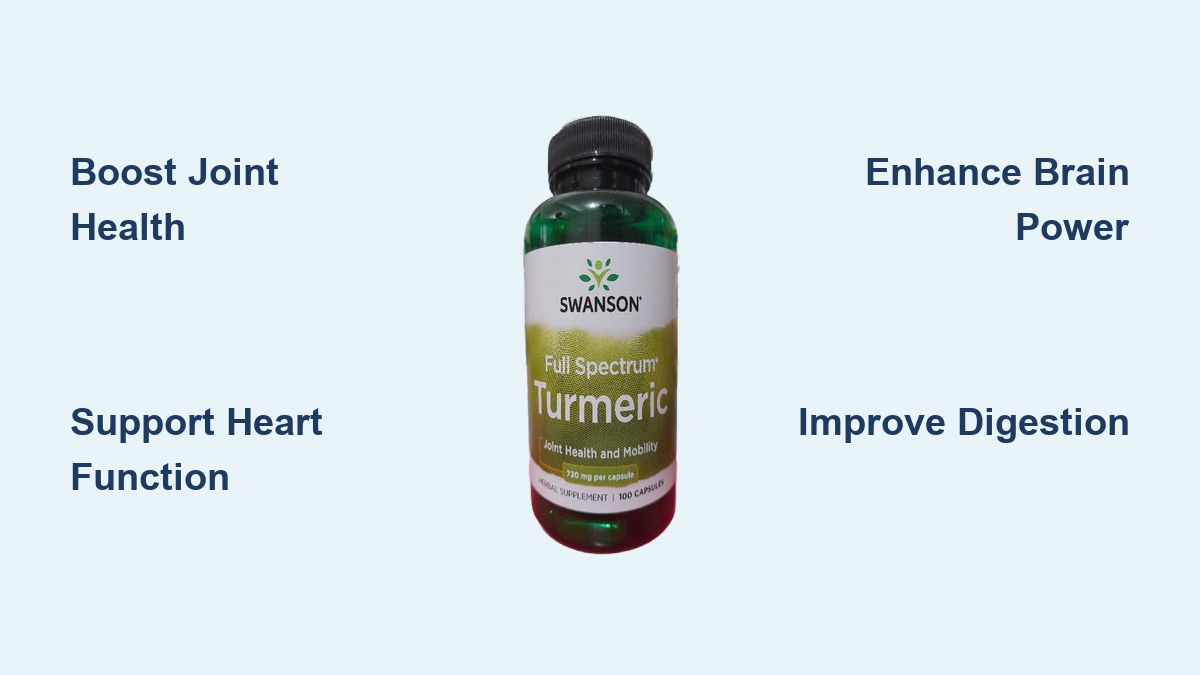

Turmeric has been used for thousands of years in traditional medicine, particularly in Ayurvedic and Chinese healing practices. This golden-yellow spice, derived from the Curcuma longa plant’s root, contains powerful compounds that modern science continues to validate. If you’ve ever wondered whether adding a turmeric supplement to your routine is worth it, understanding the science behind this ancient remedy can help you make an informed decision.
The primary active compound in turmeric is curcumin, which accounts for approximately 3% of the spice by weight. While you can certainly add turmeric powder to your meals, consuming meaningful amounts of curcumin through food alone proves challenging. A turmeric supplement provides concentrated doses that deliver the compound’s potential benefits more effectively than culinary use alone. This guide explores the key reasons people choose turmeric supplements, what research says about their effects, and how to select the right product for your needs.
Curcumin’s Bioavailability Challenge Explained
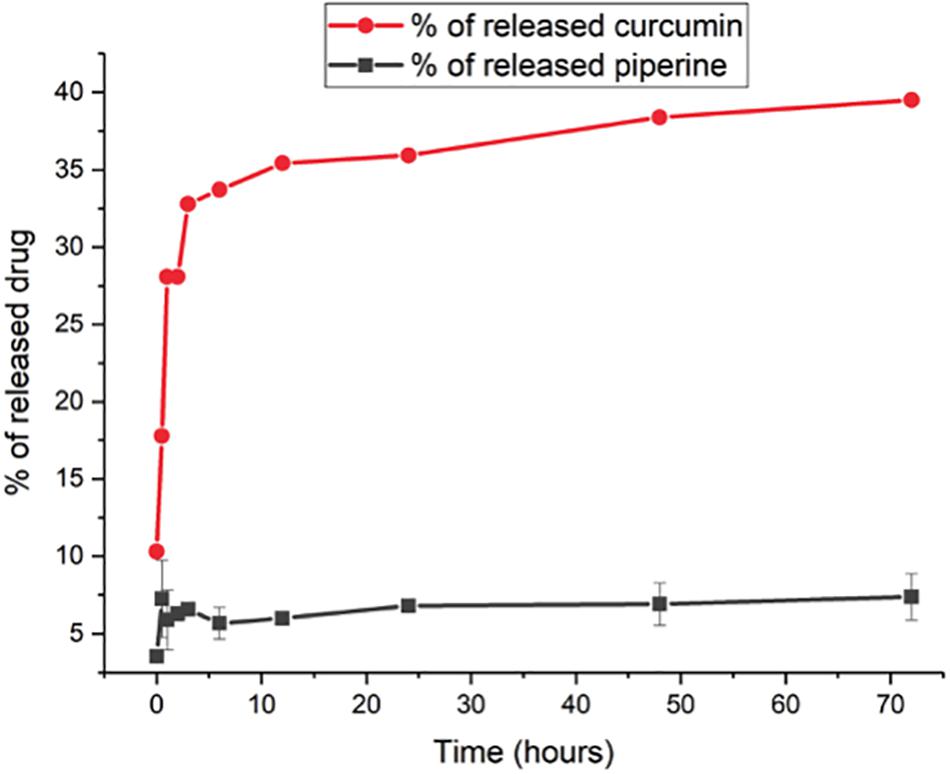
When you ingest plain curcumin powder, most of it passes through your digestive system without being absorbed into your bloodstream. Studies indicate that less than 1% of ingested curcumin reaches systemic circulation in its active form. This explains why culinary turmeric—while flavorful—delivers minimal therapeutic effects compared to properly formulated supplements. The low bioavailability stems from several factors: poor solubility in water, rapid metabolism in the liver, and quick elimination from the body.
Modern supplement manufacturers address this limitation through various strategies. Combining curcumin with piperine (black pepper extract) can increase absorption by up to 2,000% by inhibiting enzymes that break down curcumin. Lipid-based formulations and specialized delivery systems also improve absorption rates significantly. When evaluating turmeric supplements, checking whether the product includes these bioavailability-enhancing ingredients becomes essential for getting actual benefits rather than just expensive powder that passes through your system unused.
How to Identify Effective Turmeric Formulations
Look for supplements containing standardized curcumin extracts rather than plain turmeric powder. Effective products typically provide 500-2,000mg of curcumin per daily serving, standardized to contain 95% curcuminoids. Equally important, choose formulations that include bioavailability enhancers like piperine (black pepper extract), phospholipid complexes, or specialized delivery technologies. Products combining curcumin with piperine offer excellent absorption at reasonable prices, while more expensive liposomal or nanoparticle formulations may provide additional benefits for those seeking premium options.
Taking curcumin with meals containing healthy fats significantly improves absorption, as curcumin is fat-soluble. Combining your supplement with black pepper in meals—or choosing products containing piperine—further enhances bioavailability. For optimal results, consistency matters—daily use builds up tissue levels over time, producing more pronounced effects than sporadic use.
Targeted Relief for Joint Discomfort and Mobility Issues
Joint discomfort affects millions of people and significantly impacts quality of life, particularly as we age. Turmeric supplements have gained substantial popularity as natural support for joint health, with research suggesting benefits for both osteoarthritis and rheumatoid arthritis conditions. Clinical trials examining turmeric’s effects on joint function consistently show promising results.
Studies comparing curcumin extracts to placebo in osteoarthritis patients report significant improvements in pain scores and physical function. Some research suggests curcumin may work as effectively as certain pharmaceutical options like ibuprofen for managing knee osteoarthritis pain, with fewer gastrointestinal side effects. The compound appears to reduce markers of inflammation within joint tissues while protecting cartilage from degradation.
How Turmeric Supports Active Lifestyles
For active individuals and athletes, turmeric supplements offer support for exercise-induced joint stress. Intense physical activity creates temporary inflammation as part of the recovery process, and curcumin’s anti-inflammatory properties may help maintain comfort and mobility during demanding training periods. Many fitness enthusiasts incorporate turmeric supplements into their recovery protocols to support joint comfort after strenuous workouts.
If you’re dealing with age-related joint concerns or simply want to support your active lifestyle, turmeric provides a well-researched natural option that addresses multiple mechanisms underlying joint discomfort. Start with lower doses and gradually increase to assess tolerance, and take your supplement with food to maximize absorption and minimize any potential digestive discomfort.
Comprehensive Heart Health Protection Mechanisms
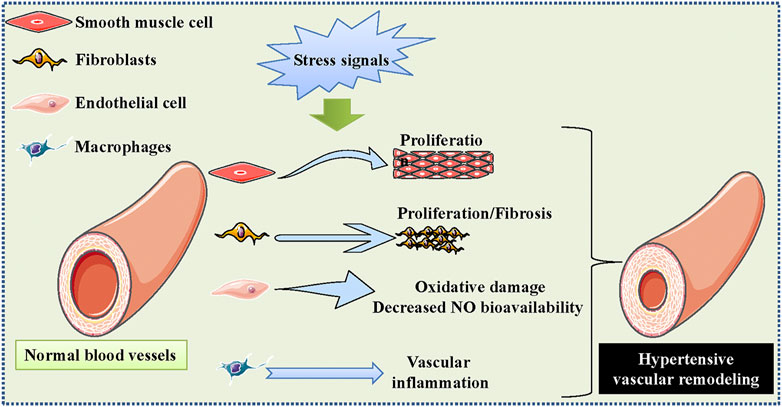
Cardiovascular disease remains the leading cause of death globally, making heart health a priority for many health-conscious individuals. Turmeric supplements offer several mechanisms that support cardiovascular function, from improving endothelial function to reducing inflammatory markers associated with heart disease.
The endothelium—theinner lining of blood vessels—plays a crucial role in cardiovascular health by regulating blood pressure, blood clotting, and vascular tone. Curcumin improves endothelial function as effectively as regular exercise in some studies, supporting healthy blood flow and blood pressure regulation. Additionally, curcumin’s anti-inflammatory and antioxidant effects help protect blood vessels from the damage that leads to atherosclerosis and other cardiovascular conditions.
Cholesterol and Circulation Benefits
Research also indicates curcumin may help improve lipid profiles by reducing LDL cholesterol oxidation and triglycerides while modestly increasing HDL cholesterol. Combined with effects on blood clotting and inflammation reduction, these actions suggest turmeric supplementation could contribute to comprehensive cardiovascular protection. As always, supplements work best alongside—not instead of—established heart-healthy habits like regular exercise, balanced nutrition, and appropriate medical care.
For those concerned about long-term heart health, incorporating a quality turmeric supplement represents a science-backed strategy to support multiple aspects of cardiovascular function. Look for products with proven bioavailability to ensure you’re getting the cardiovascular benefits research suggests are possible.
Brain Function Enhancement and Cognitive Support
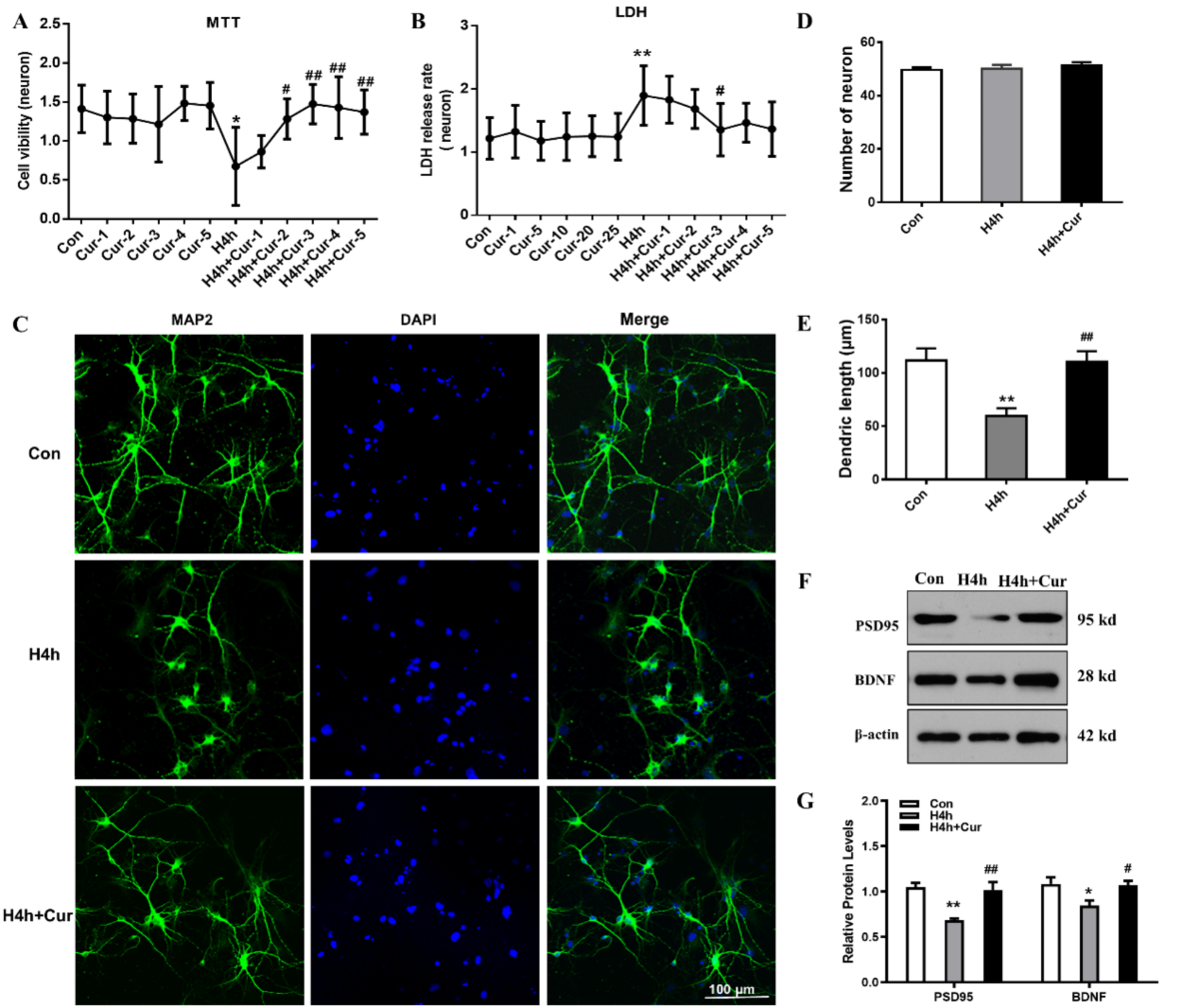
The brain undergoes significant changes with age, and cognitive decline represents a major concern for many people. Curcumin shows promise for supporting brain health through multiple mechanisms, including its anti-inflammatory and antioxidant effects, ability to cross the blood-brain barrier, and influence on neurotransmitters.
Curcumin increases levels of brain-derived neurotrophic factor (BDNF), a protein that supports neuron growth, survival, and synaptic plasticity. Low BDNF levels associate with depression, Alzheimer’s disease, and other cognitive conditions. By boosting BDNF, curcumin may help protect against age-related cognitive decline and support overall brain function. Some studies have found comparable antidepressant effects between curcumin and conventional medications, likely related to both BDNF modulation and neurotransmitter regulation.
Practical Cognitive Benefits for Daily Life
For those experiencing mental fog or concerned about future cognitive health, turmeric supplementation offers a natural approach worth considering. The compound’s ability to cross the blood-brain barrier and exert direct effects on brain tissue distinguishes it from many other supplements that cannot access this protected environment. Many users report improved focus, clearer thinking, and better mood stability with consistent turmeric supplementation.
Patience is essential when using turmeric for brain health. While some people notice benefits within days, others require several weeks of consistent use to experience meaningful effects. Tracking your experience over 4-8 weeks provides a better assessment of whether turmeric supplementation is working for your specific cognitive needs.
Digestive Wellness and Gut-Brain Connection
Gut health influences overall wellness in ways scientists continue to discover, and turmeric has a long history of use for digestive complaints in traditional medicine systems. Modern research supports many of these traditional applications, revealing curcumin’s effects on gut inflammation, gut barrier function, and the microbiome.
Curcumin’s anti-inflammatory properties extend to the gastrointestinal tract, where it may help manage inflammatory bowel conditions like Crohn’s disease and ulcerative colitis. Research indicates curcumin can reduce disease activity scores and improve remission rates when used alongside conventional treatments. Additionally, curcumin supports the integrity of the intestinal barrier, potentially preventing the “leaky gut” that contributes to systemic inflammation and various health issues.
The Gut-Brain Axis Advantage
The gut-brain axis connection adds another dimension to turmeric’s digestive benefits. Since curcumin influences neurotransmitter production and inflammation throughout the body, supporting gut health with turmeric may contribute to improved mood and cognitive function as well. For individuals dealing with digestive discomfort or inflammatory gut conditions, turmeric supplements offer a natural supportive option that addresses root causes rather than simply masking symptoms.
Taking your turmeric supplement with food not only improves absorption but also allows the compound to interact directly with your digestive system, providing localized benefits alongside systemic effects. This dual action makes turmeric particularly valuable for comprehensive digestive wellness.
Safety Guidelines and Optimal Usage Strategies
While turmeric supplements are generally safe for most people, understanding proper usage and potential interactions helps ensure positive experiences. Dosage recommendations vary based on the specific product and intended purpose, with typical ranges falling between 500-2,000mg of standardized curcumin extract daily.
Important safety considerations:
– Taking curcumin with food may reduce potential digestive discomfort
– Curcumin can interact with blood thinners, diabetes medications, and drugs metabolized by specific liver enzymes
– Pregnant and breastfeeding individuals should generally avoid high-dose curcumin supplements
– Choose supplements tested by third-party organizations like USP, NSF, or ConsumerLab
Quality matters significantly for both safety and effectiveness. Always read labels carefully, check for third-party testing verification, and choose products from reputable manufacturers to ensure you receive quality ingredients in effective formulations. Remember that turmeric works best as part of an overall healthy lifestyle rather than a standalone solution to health concerns.