
Zinc deficiency affects nearly one in five people globally, yet many suffer silently with symptoms they dismiss as everyday stress or aging. When your body lacks this critical trace mineral, you might experience stubborn skin rashes, frequent infections, and unexplained fatigue that won’t go away. The good news is that targeted zinc deficiency supplementation can reverse these issues quickly—often within days. This guide cuts through the confusion to give you exact steps for identifying deficiency, choosing the right supplement, and implementing a safe, effective treatment plan that delivers real results.
Your body depends on zinc for over 300 enzymatic reactions yet stores minimal reserves, making regular replenishment essential. Approximately 17.3% of the global population faces inadequate zinc intake, with serious consequences for immune function, wound healing, and tissue repair. Unlike other nutrients, zinc can’t be stockpiled, so consistent dietary intake or strategic supplementation becomes crucial. Whether you’re struggling with mysterious skin lesions or simply want to protect your health, understanding zinc deficiency supplementation puts you in control of your wellbeing.
Spot Zinc Deficiency Skin Symptoms Before They Worsen

Your skin often reveals zinc deficiency before other symptoms appear, providing critical early warning signs that demand attention.
Identify Periorificial Dermatitis and Cracked Corners
Watch for red, scaly rashes developing around your mouth, eyes, or nostrils—classic periorificial dermatitis that many mistake for eczema. Angular cheilitis (painful cracks at the corners of your mouth) frequently accompanies this condition and won’t heal with standard lip balms. You might also notice unusual nail changes like white transverse bands that persist despite nail growth or inflamed cuticles (paronychia). These specific dermatological signs strongly indicate zinc deficiency requiring immediate supplementation.
Recognize Systemic Warning Signs Beyond Skin
Zinc deficiency extends far beyond skin issues, affecting your entire body. Pay attention if you experience sudden hair loss, frequent colds that linger longer than normal, or wounds that take weeks to heal. Many people report unexplained fatigue, loss of appetite, or a distorted sense of taste that makes food seem bland. Children with deficiency may show developmental delays and stunted growth that become permanent without intervention. If multiple symptoms align, zinc deficiency supplementation likely offers significant relief.
Determine If You Belong to High-Risk Groups Needing Proactive Supplementation
Certain populations require zinc deficiency supplementation even before symptoms develop due to elevated risk factors that deplete stores faster than normal.
Assess Your Medication-Induced Zinc Depletion Risk
If you take penicillamine for rheumatoid arthritis or Wilson’s disease, you’re at significant risk—this medication severely impairs zinc absorption. Common heart medications like certain diuretics increase urinary zinc excretion, while sodium valproate and some antibiotics also disrupt zinc metabolism. Anyone on these medications for more than three months should discuss zinc deficiency supplementation with their doctor, as symptoms often develop gradually without obvious connection to medication.
Evaluate Your Dietary and Health Risk Factors
Strict vegetarians face double trouble: plant-based zinc has lower bioavailability, and phytates in legumes and whole grains further block absorption. People with Crohn’s disease, celiac disease, or short bowel syndrome struggle to absorb zinc regardless of intake. Pregnant and nursing women lose up to 2 mg of zinc daily that requires replacement. If you fall into any high-risk category, proactive zinc deficiency supplementation prevents complications before they start.
Implement the Exact Dosing Protocol for Your Specific Situation
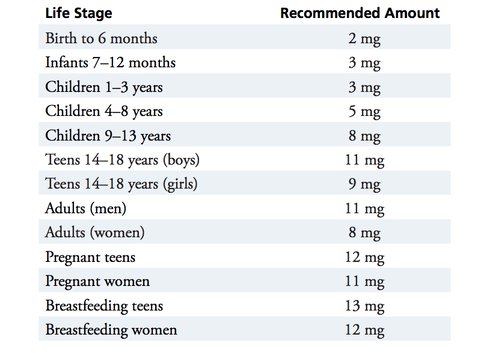
Getting zinc supplementation right means matching the dose to your individual needs—too little won’t fix deficiency, while too much creates new problems.
Choose Between Standard and High-Dose Treatment
For most adults, 20-40 mg of elemental zinc daily resolves deficiency symptoms within 1-2 weeks. Take supplements with food to reduce stomach upset, though absorption decreases slightly. Severe deficiency from malabsorption conditions or extreme malnutrition may require 50+ mg daily initially under medical supervision. Never exceed 40 mg daily without professional guidance—higher doses risk copper deficiency and gastrointestinal distress. Track your symptoms daily; if no improvement occurs within 14 days, consult your doctor about alternative approaches.
Adjust Dosing for Children and Special Populations
Children over six months benefit from 1-2 mg of elemental zinc per kilogram of body weight daily when deficiency appears. Premature infants often need supplementation despite breastfeeding due to immature absorption systems. For inherited conditions like acrodermatitis enteropathica (a rare genetic disorder causing lifelong absorption issues), 1-2 mg/kg daily becomes a permanent requirement. Always use liquid formulations for young children and consult a pediatrician before starting zinc deficiency supplementation.
Avoid Dangerous Side Effects with Smart Supplementation Practices
Zinc supplementation delivers remarkable benefits when done correctly but creates serious complications when approached carelessly.
Prevent Copper Deficiency from Long-Term Use
The most dangerous consequence of prolonged high-dose zinc supplementation involves copper deficiency, which causes anemia, nerve damage, and weakened immunity. Zinc and copper compete for the same intestinal absorption pathways—excess zinc literally blocks copper uptake. If taking zinc supplements longer than three months, add 1-2 mg of copper daily and get blood tests every six months. Stop immediately if you experience unusual fatigue, numbness in extremities, or unexplained paleness—these signal developing copper deficiency.
Manage Gastrointestinal Side Effects Immediately
Nausea, vomiting, and abdominal pain indicate your current zinc supplement isn’t right for your system. Switch to zinc acetate or zinc gluconate instead of zinc sulfate, which causes more stomach upset. Take doses with substantial meals rather than snacks, and split your daily dose into two smaller portions taken 12 hours apart. If symptoms persist beyond three days, consult your doctor about alternative formulations—don’t simply endure discomfort when better options exist.
Optimize Results with Strategic Supplement Selection and Timing
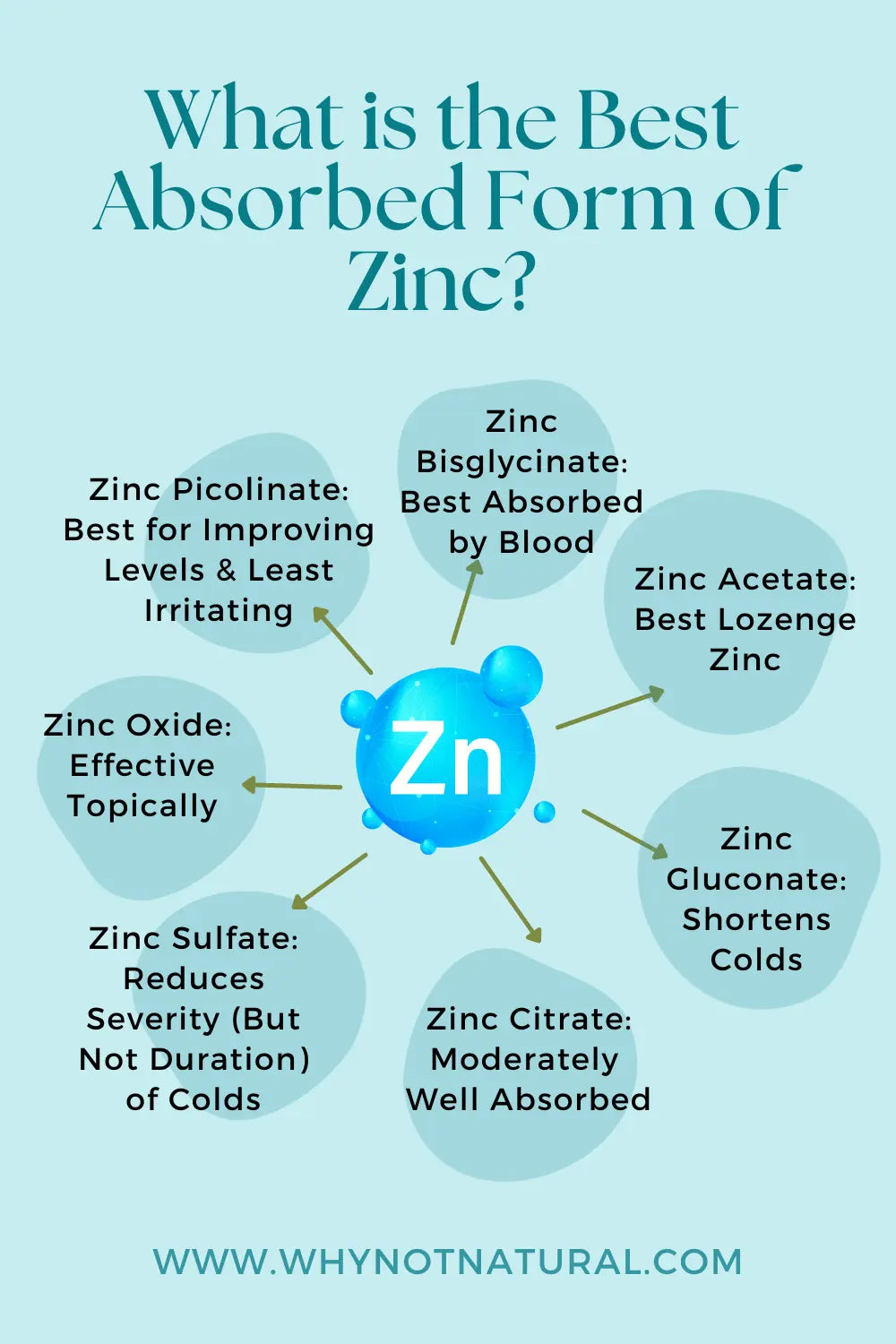
Not all zinc supplements work equally well, and when you take them dramatically impacts effectiveness.
Choose Between Zinc Sulfate, Acetate, and Gluconate Wisely
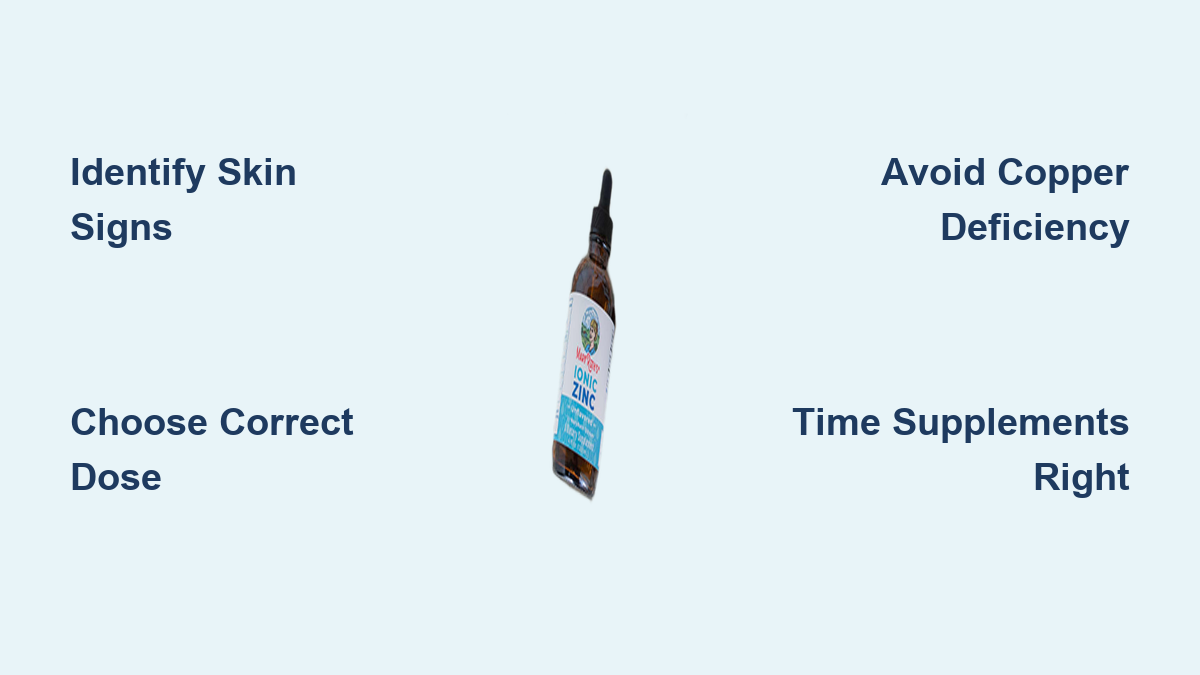
Zinc sulfate provides the most elemental zinc per dose at lowest cost but causes more stomach upset. Zinc acetate offers excellent absorption with fewer gastrointestinal issues, making it ideal for long-term use. Zinc gluconate appears in many over-the-counter products but delivers less elemental zinc per pill. For deficiency treatment, choose zinc acetate if stomach sensitivity is an issue; otherwise, zinc sulfate delivers maximum value. Check labels for “elemental zinc” content—this determines actual therapeutic value, not the total compound weight.
Time Supplements to Avoid Medication Interactions
Zinc binds to tetracycline and quinolone antibiotics, rendering both ineffective. Take zinc supplements at least two hours before or after antibiotic doses. Separate zinc from calcium supplements and high-fiber meals by the same timeframe to maximize absorption. For vegetarians, consume zinc supplements between meals rather than with food to counteract phytate interference—just take a small protein snack with your supplement to prevent stomach upset.
Maintain Long-Term Zinc Status Through Diet and Monitoring
True resolution of zinc deficiency requires ongoing attention to dietary intake and regular status checks.
Incorporate Zinc-Rich Foods That Actually Work
Prioritize oysters (74 mg per serving), beef chuck roast (7 mg), and Alaska crab (6.5 mg) for maximum absorption. Vegetarians should focus on baked beans (2.9 mg per cup), cashews (1.6 mg per ounce), and fortified cereals. Soak beans and grains overnight before cooking to reduce phytates that block zinc absorption. Fermented foods like sourdough bread provide better zinc bioavailability than their unfermented counterparts. Even with supplementation, these dietary strategies reduce your long-term supplement needs.
Schedule Essential Follow-Up Tests After Starting Supplementation
Get serum zinc levels tested 3-6 months after beginning zinc deficiency supplementation to confirm improvement. Request testing in the morning after fasting for most accurate results, using zinc-free collection tubes. Normal levels range from 70-250 μg/dL, with values below 60 μg/dL indicating persistent deficiency. Also monitor serum alkaline phosphatase—a zinc-dependent enzyme that rises with successful repletion. If levels remain low despite supplementation, investigate underlying absorption issues with your healthcare provider.
Zinc deficiency supplementation delivers remarkable health improvements when approached strategically. By recognizing your specific symptoms, matching dosing to your individual needs, avoiding common pitfalls, and maintaining results through diet, you’ll restore optimal zinc status within weeks. Remember that zinc works best as part of a comprehensive nutritional strategy—pair supplementation with zinc-rich foods and regular monitoring for lasting results. Work with your healthcare provider to develop a personalized zinc deficiency supplementation plan that addresses your unique risk factors and delivers measurable improvements in your skin, immunity, and overall vitality.