
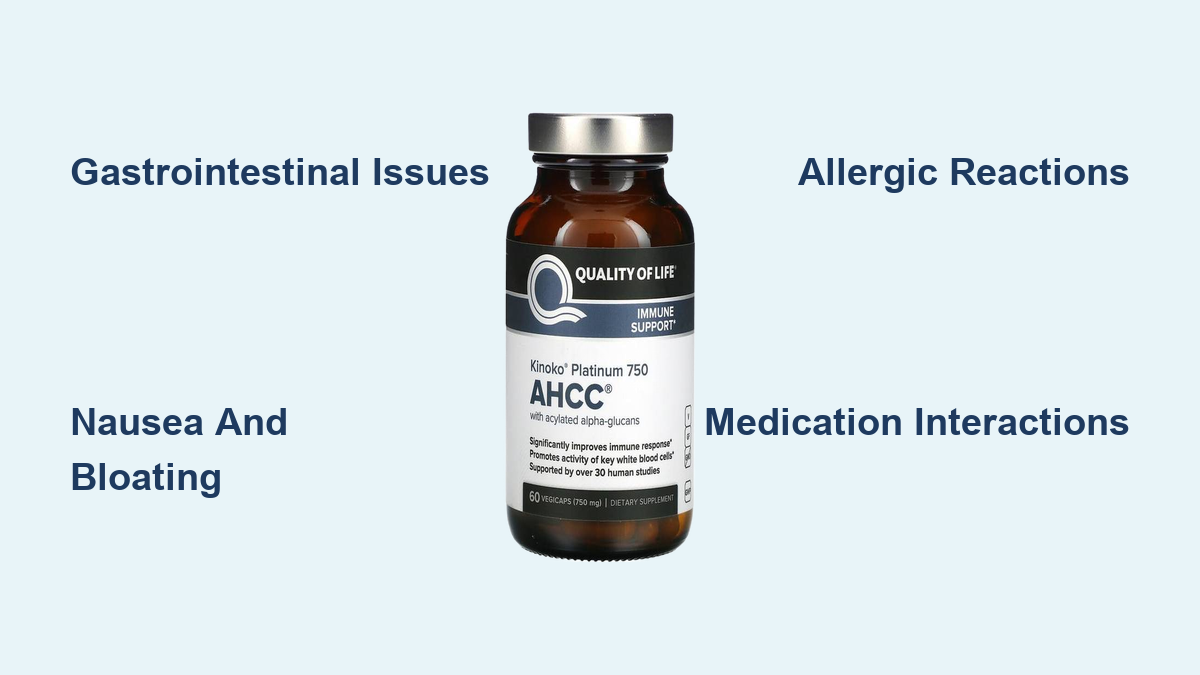

Active Hexose Correlated Compound (AHCC) has gained popularity as an immune-boosting supplement derived from shiitake mushroom mycelia. While many users report positive effects on their immune function, understanding potential ahcc supplement side effects is crucial before adding this to your daily regimen. Research shows most people tolerate AHCC well at standard doses of 1-6 grams daily, but a significant minority experiences reactions ranging from mild digestive upset to serious medication interactions. Knowing exactly what to expect helps you determine if AHCC aligns with your health goals and existing medical conditions.
Unlike pharmaceuticals with extensive safety data, dietary supplements like AHCC operate in a regulatory gray area where comprehensive long-term studies are limited. The Phase I clinical trial with 26 healthy subjects demonstrated 85% could tolerate 9 grams daily—far exceeding typical doses—yet gastrointestinal issues affected approximately 20% of participants. This guide cuts through the marketing hype to deliver evidence-based information on ahcc supplement side effects, empowering you to make informed decisions about your health.
How AHCC Causes Gastrointestinal Distress
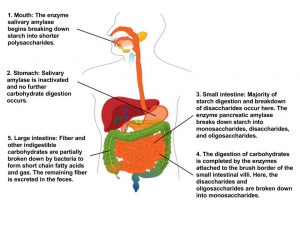
Your digestive system bears the brunt of most ahcc supplement side effects, with clinical trials documenting specific patterns of discomfort. Abdominal bloating emerges as the most frequent complaint, often accompanied by gas and mild cramping as your gut adjusts to the oligosaccharide-rich formula. These symptoms typically appear within the first 48 hours of supplementation and resolve spontaneously within 3-5 days as your microbiome adapts.
Why Nausea Strikes After AHCC Dosing
Nausea affects approximately 7% of users taking liquid AHCC formulations at high doses (9 grams daily), according to controlled clinical data. This queasy feeling usually hits within 30 minutes of ingestion and stems from how AHCC’s acetylated alpha-glucans interact with your stomach lining. Two critical factors increase your nausea risk:
- Taking AHCC on a completely empty stomach
- Consuming the liquid formulation rather than capsules
The Phase I trial documented two participants discontinuing use specifically due to nausea intolerance. If you experience this symptom, try these evidence-based solutions:
- Take AHCC with a small snack containing healthy fats
- Switch from liquid to capsule formulation
- Reduce your initial dose to 500mg before working up to standard amounts
- Consume with ginger tea to settle your stomach
Managing Diarrhea and Bloating Effectively
Diarrhea occurs less frequently than bloating but remains a documented ahcc supplement side effect in clinical settings. This watery stool typically appears during the first week of use as your gut processes AHCC’s high oligosaccharide content. Unlike infectious diarrhea, AHCC-related cases usually feature:
- Onset within 2-4 hours after dosing
- Mild to moderate frequency (2-4 episodes daily)
- No fever or blood in stool
- Resolution within 72 hours without intervention
Stay hydrated with electrolyte-rich fluids if you experience this temporary effect. Consider starting with half-doses for the first week to allow your digestive system to adjust gradually. Persistent diarrhea beyond 3 days warrants medical evaluation to rule out other causes.
Headache and Fatigue: Unexpected AHCC Reactions

While marketed for energy enhancement, AHCC can paradoxically trigger headaches and fatigue in some users. Clinical trials document these symptoms as secondary only to gastrointestinal issues in frequency, though they remain less common than digestive complaints.
Why AHCC Triggers Headaches in Sensitive Users
Headaches typically manifest within hours of your first few doses and usually resolve within 1-2 days as your body adapts. Researchers theorize these headaches stem from AHCC’s immunomodulatory effects potentially triggering mild inflammatory responses in sensitive individuals. If you experience persistent headaches beyond 72 hours, consider these possibilities:
- Dehydration exacerbated by AHCC’s effects
- Caffeine withdrawal coinciding with supplement initiation
- Underlying migraine condition being triggered
Most users find headache symptoms diminish when taking AHCC with food and maintaining proper hydration. Those prone to migraines should introduce AHCC cautiously during low-stress periods when tracking potential triggers.
Understanding AHCC-Related Fatigue Patterns
Fatigue presents a confusing paradox—some users report increased energy while others feel unusually tired. This variability likely reflects individual differences in immune system reactivity. If you experience significant fatigue, evaluate these contributing factors:
- Timing of your dose (morning vs. evening)
- Concurrent medications or supplements
- Baseline energy levels and sleep quality
- Underlying health conditions affecting energy
Unlike typical fatigue, AHCC-related tiredness usually resolves within a week. If symptoms persist beyond 10 days, consult your healthcare provider to rule out other causes before discontinuing AHCC.
Muscle Cramps: The Surprising AHCC Side Effect
Foot cramps represent one of the more unexpected ahcc supplement side effects, documented in clinical trials as a notable complaint among regular users. These involuntary muscle contractions typically target the arches and toes, often striking at night and disrupting sleep.
Why AHCC Causes Foot Cramps Specifically
The exact mechanism remains unclear, but researchers suspect AHCC’s effects on cellular fluid balance may contribute to electrolyte shifts that trigger cramping. Higher doses correlate with increased cramp frequency—a crucial detail for users taking more than the standard 3-gram daily amount. Risk factors include:
- Pre-existing electrolyte imbalances
- Dehydration
- Concurrent medications affecting mineral levels
- Extended standing or walking before bedtime
Most users find cramps diminish after the first two weeks as their body adjusts to AHCC. Those experiencing persistent cramps should assess their magnesium and potassium intake.
Immediate Relief for AHCC-Induced Muscle Cramps
When cramps strike, implement these proven techniques for rapid relief:
- Stretch the affected foot by pulling toes toward your shin
- Massage the arch with firm pressure for 30-60 seconds
- Apply warm compresses to relax the muscle
- Walk barefoot on cool surfaces to reset muscle tension
Prevent nighttime cramps by stretching feet before bed, staying hydrated throughout the day, and ensuring adequate magnesium intake through diet or supplementation.
Critical Allergic Reactions to Watch For
While rare, hypersensitivity reactions represent the most dangerous ahcc supplement side effects requiring immediate attention. Individuals with known mushroom allergies face significant risks since AHCC derives from basidiomycete fungi.
Recognizing Severe Allergic Symptoms
Stop taking AHCC immediately if you experience any of these warning signs within minutes to hours of consumption:
- Hives or skin rash
- Swelling of lips, tongue, or throat
- Difficulty breathing or wheezing
- Rapid heartbeat
- Dizziness or fainting
These symptoms indicate potential anaphylaxis—a life-threatening condition requiring emergency medical treatment. Carry an epinephrine auto-injector if you have known mushroom allergies and never risk AHCC supplementation.
Medication Interactions That Could Be Dangerous
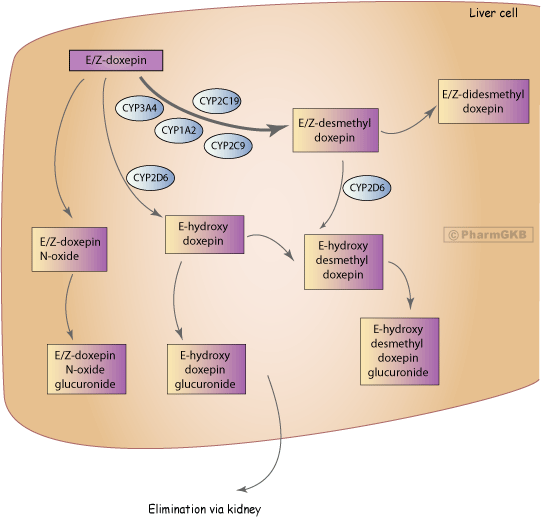
AHCC’s effects on drug metabolism pathways create potentially serious interactions with common medications. Understanding these risks is non-negotiable if you take prescription drugs.
How AHCC Alters Medication Effectiveness
AHCC induces CYP2D6 enzyme activity, accelerating the metabolism of medications processed through this pathway. This can dangerously reduce effectiveness of critical drugs including:
- Doxorubicin (cancer treatment)
- Dexamethasone (steroid medication)
- Ondansetron (anti-nausea drug)
- Certain antidepressants
Similarly, AHCC decreases effectiveness of aromatase inhibitors like letrozole used in breast cancer treatment. Patients on immunosuppressants should avoid AHCC entirely as its immune-stimulating effects counteract these medications.
Always consult your healthcare provider before combining AHCC with prescription medications. Disclose all supplements you take during medication reviews to prevent dangerous interactions.
Safe AHCC Usage: Essential Guidelines
Maximize benefits while minimizing ahcc supplement side effects with these evidence-based strategies:
Starting AHCC the Right Way
- Begin with half the recommended dose (500mg daily) for the first week
- Take with a small snack if experiencing nausea
- Avoid high-dose regimens (>3g daily) without medical supervision
- Choose capsule over liquid formulation for better tolerance
When to Discontinue AHCC Immediately
Stop taking AHCC and contact your healthcare provider if you experience:
– Persistent diarrhea beyond 72 hours
– Severe or prolonged headaches
– Signs of allergic reaction
– Unexplained fatigue lasting more than 10 days
– Muscle cramps interfering with daily activities
Final Safety Assessment: Is AHCC Right for You?
AHCC presents a generally favorable safety profile with most ahcc supplement side effects being mild and temporary. The comprehensive Phase I trial confirmed 85% of participants tolerated 9 grams daily without issues—three times the standard dose. However, specific populations should avoid AHCC entirely:
- Individuals with mushroom allergies (risk of severe reactions)
- Pregnant or breastfeeding women (insufficient safety data)
- Autoimmune disease patients (may exacerbate conditions)
- Organ transplant recipients (interferes with immunosuppressants)
For most healthy adults, starting with low doses and monitoring your body’s response minimizes risks while allowing you to potentially benefit from AHCC’s immune-supporting properties. Always consult your healthcare provider before starting AHCC, especially if managing chronic conditions or taking prescription medications. The most important safety strategy remains listening to your body and responding promptly to any unexpected reactions.