
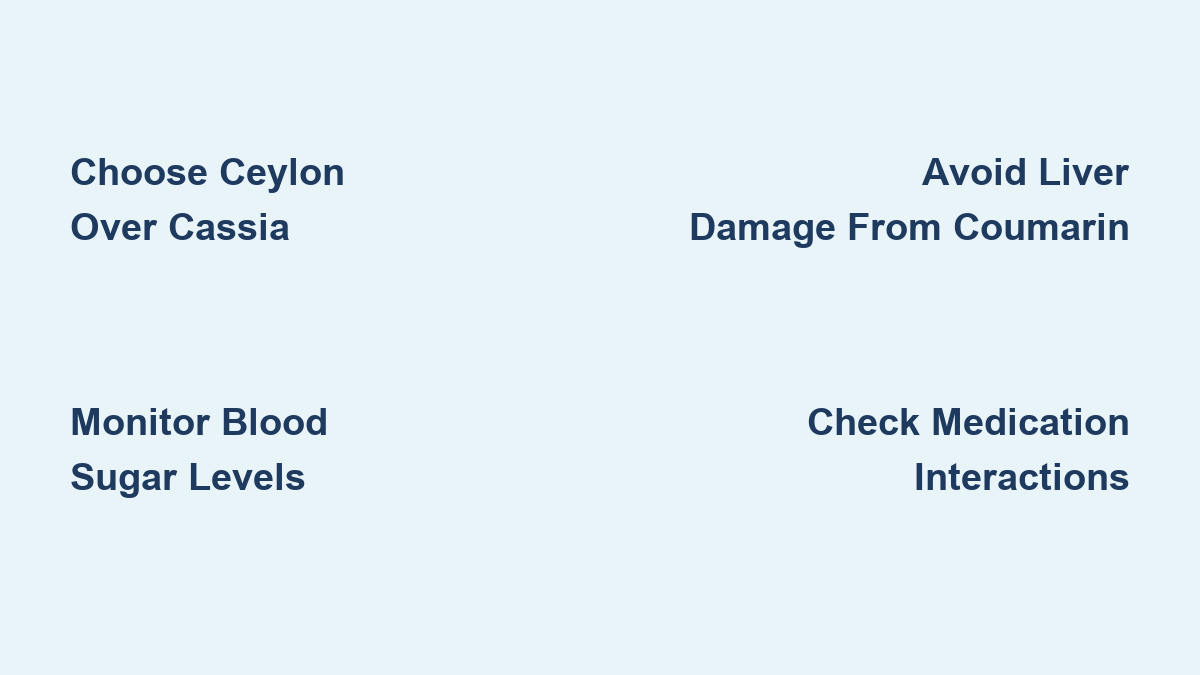

Cinnamon supplements have surged in popularity as more people seek natural approaches to managing blood sugar, inflammation, and metabolic health. Derived from the bark of Cinnamomum trees, these concentrated formulations deliver potent bioactive compounds like cinnamaldehyde, eugenol, and cinnamic acid that give cinnamon its distinctive flavor and potential therapeutic effects. However, not all cinnamon supplements are created equal—understanding the critical differences between Ceylon (“true cinnamon”) and Cassia varieties is essential for maximizing benefits while minimizing serious health risks.
The most significant distinction lies in coumarin content: Ceylon cinnamon contains minimal amounts (approximately 0.004%), while Cassia cinnamon—used in most supplements and grocery store products—contains 0.3-1% coumarin, a compound that can cause liver damage with prolonged use. This single difference dramatically impacts safety profiles, making product selection crucial. Whether you’re considering cinnamon supplements for blood sugar control, anti-inflammatory support, or cardiovascular health, knowing exactly what you’re taking and how it might interact with your health status or medications could prevent serious complications.
Blood Sugar Control: How Cinnamon Can Help (and Harm)
Cinnamon supplements show promising effects for blood sugar management, with clinical studies demonstrating 10-29% reductions in fasting blood glucose levels for people with type 2 diabetes. The active polyphenols work through multiple mechanisms: slowing carbohydrate breakdown in your digestive tract, enhancing insulin signaling at the cellular level, and potentially mimicking insulin’s effects. Research indicates cinnamon may lower hemoglobin A1c (a long-term blood sugar marker) by 0.36-0.83% over 6-12 weeks—results that make it particularly relevant for those with prediabetes or metabolic syndrome.
However, these blood sugar-lowering benefits carry significant risks if you’re taking diabetes medications. Cinnamon can dangerously amplify the effects of metformin, sulfonylureas, or insulin, potentially causing hypoglycemia (dangerously low blood sugar). If you have diabetes and consider cinnamon supplements, you must:
– Consult your healthcare provider first
– Monitor blood sugar more frequently when starting
– Watch for hypoglycemia symptoms: shakiness, sweating, confusion, rapid heartbeat
– Be prepared to adjust medication dosages under medical supervision
Cardiovascular Protection Through Cholesterol Management
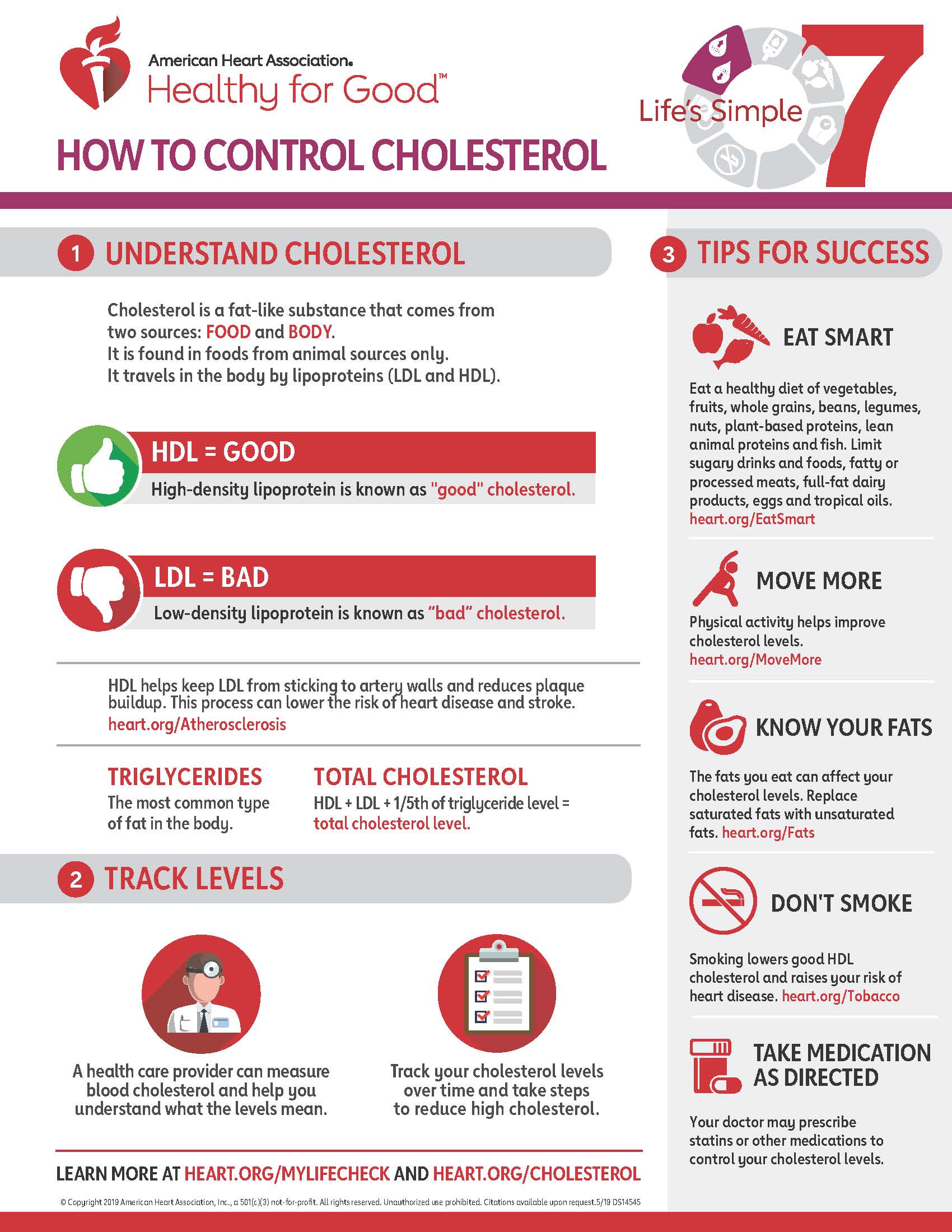
Cinnamon supplements offer measurable cardiovascular benefits that extend beyond blood sugar control. A meta-analysis of clinical studies found cinnamon supplementation reduced total cholesterol by 16 mg/dL, LDL (“bad”) cholesterol by 9 mg/dL, and triglycerides by 29 mg/dL over 8-12 weeks. These improvements occur through multiple pathways, including enhanced cholesterol metabolism and reduced oxidation of LDL particles—a key factor in atherosclerosis development.
The vasodilatory effects of cinnamon also contribute to modest blood pressure reductions (typically 3-5 mmHg systolic), while its antiplatelet activity helps prevent excessive blood clotting. However, these same blood-thinning properties create significant risks if you take anticoagulant medications like warfarin or aspirin. Before using cinnamon supplements with blood pressure or blood-thinning medications:
– Discuss with your cardiologist
– Schedule surgery at least two weeks after stopping cinnamon
– Monitor for unusual bruising or bleeding
– Never combine with other natural blood thinners like garlic or ginkgo
Anti-Inflammatory Power for Joint and Overall Health
Cinnamon’s impressive anti-inflammatory properties stem from its ability to inhibit pro-inflammatory cytokines and enzymes like COX and LOX. Studies show regular cinnamon intake can significantly reduce inflammatory markers including C-reactive protein, interleukin-6, and tumor necrosis factor-alpha—making it particularly valuable for managing conditions like rheumatoid arthritis. Some patients report joint pain and swelling reductions comparable to conventional anti-inflammatory medications, with fewer gastrointestinal side effects.
Beyond joint health, cinnamon’s anti-inflammatory effects support metabolic wellness by reducing the chronic inflammation associated with obesity and insulin resistance. For maximum benefit, look for supplements standardized to contain specific polyphenol percentages (typically 2-5%), as these compounds drive cinnamon’s anti-inflammatory activity. Start with 500 mg daily and gradually increase to 1-2 grams while monitoring your body’s response.
Why Cassia Cinnamon Poses Serious Liver Risks

The most critical safety distinction between cinnamon types involves coumarin content. The European Food Safety Authority established a tolerable daily coumarin intake of 0.1 mg per kilogram of body weight—approximately 5 mg daily for an average adult. Problematically, just one teaspoon of Cassia cinnamon contains 5-12 mg of coumarin, far exceeding safe limits with regular use.
Chronic high coumarin exposure can cause liver damage ranging from mild hepatotoxicity to cirrhosis. Symptoms requiring immediate discontinuation include:
– Persistent fatigue
– Abdominal pain (especially upper right quadrant)
– Dark urine
– Jaundice (yellowing of skin or eyes)
Individuals with pre-existing liver conditions, regular alcohol consumption, or taking liver-metabolized medications face heightened risks. If you plan long-term supplementation, choose Ceylon cinnamon products—which contain negligible coumarin—despite their higher cost and limited availability.
Dangerous Medication Interactions to Watch For

Cinnamon supplements interact with numerous medications beyond diabetes and blood-thinning drugs. The cytochrome P450 enzyme system, responsible for metabolizing approximately 75% of medications, can be affected by cinnamon compounds, altering drug effectiveness. High-risk interactions include:
- Antibiotics: Cinnamon may interfere with absorption or metabolism
- Statins: Combined liver stress increases hepatotoxicity risk
- NSAIDs: Enhanced antiplatelet effects increase bleeding risk
- Antidepressants: Potential interactions with SSRIs and MAOIs
If you take any prescription medications regularly, consult your pharmacist before starting cinnamon supplements. They can check for specific interactions with your medication regimen and suggest appropriate monitoring protocols.
Proper Cinnamon Supplement Dosage by Health Goal
Optimal cinnamon dosing varies significantly based on your health objectives and cinnamon type. For blood sugar management, research supports 1-6 grams daily (divided into 2-3 doses), while cholesterol improvement typically requires 1-2 grams daily. General health maintenance may need only 500 mg daily.
Critical dosage considerations:
– Ceylon cinnamon allows higher safe doses due to minimal coumarin
– Cassia cinnamon should not exceed 1-2 grams daily for short-term use
– Always take with food to prevent gastrointestinal irritation
– Morning and early afternoon administration avoids potential sleep disturbances
Long-term safety data remains limited, so periodic breaks (2-4 weeks after 8-12 weeks of use) help assess ongoing need while reducing cumulative risk.
How to Choose Safe, Effective Cinnamon Products
Product selection makes or breaks your cinnamon supplement experience. Most North American and European products use Cassia cinnamon despite its higher coumarin content, so careful label reading is essential. Look for these quality indicators:
- Clear labeling of cinnamon type (Ceylon vs. Cassia)
- Third-party testing certifications (NSF, USP, ConsumerLab)
- Standardization information (polyphenol or cinnamaldehyde percentages)
- Transparent manufacturer details including lot numbers and contact info
Avoid products making extravagant claims like “cures diabetes” or “replaces medication”—these indicate marketing over evidence-based formulation. Reputable brands will clearly state intended use as a supplement to, not replacement for, conventional medical treatment.
Special Considerations for At-Risk Groups
Certain populations require extra caution with cinnamon supplements. Pregnant and breastfeeding women should avoid concentrated supplements despite culinary cinnamon’s safety, due to limited safety data and theoretical uterine stimulation concerns. Children face heightened coumarin toxicity risks due to lower body weight—never give cinnamon supplements without pediatric guidance.
Elderly individuals taking multiple medications need particularly careful monitoring for drug interactions and liver effects. Those with pre-existing liver conditions should avoid Cassia cinnamon entirely and use Ceylon products only under medical supervision with regular liver function testing.
Cinnamon supplements offer compelling benefits for blood sugar control, inflammation reduction, and cardiovascular health, but their risks—particularly liver damage from Cassia cinnamon’s coumarin—demand informed usage. Always choose Ceylon over Cassia for long-term supplementation, verify quality through third-party testing, and consult your healthcare provider before starting, especially if you take medications or have existing health conditions. When used appropriately as part of a comprehensive health approach, cinnamon supplements can provide meaningful support for specific health goals—but they should never replace conventional medical treatment or healthy lifestyle practices. Monitor your body’s response carefully, and discontinue immediately if you experience any adverse effects.