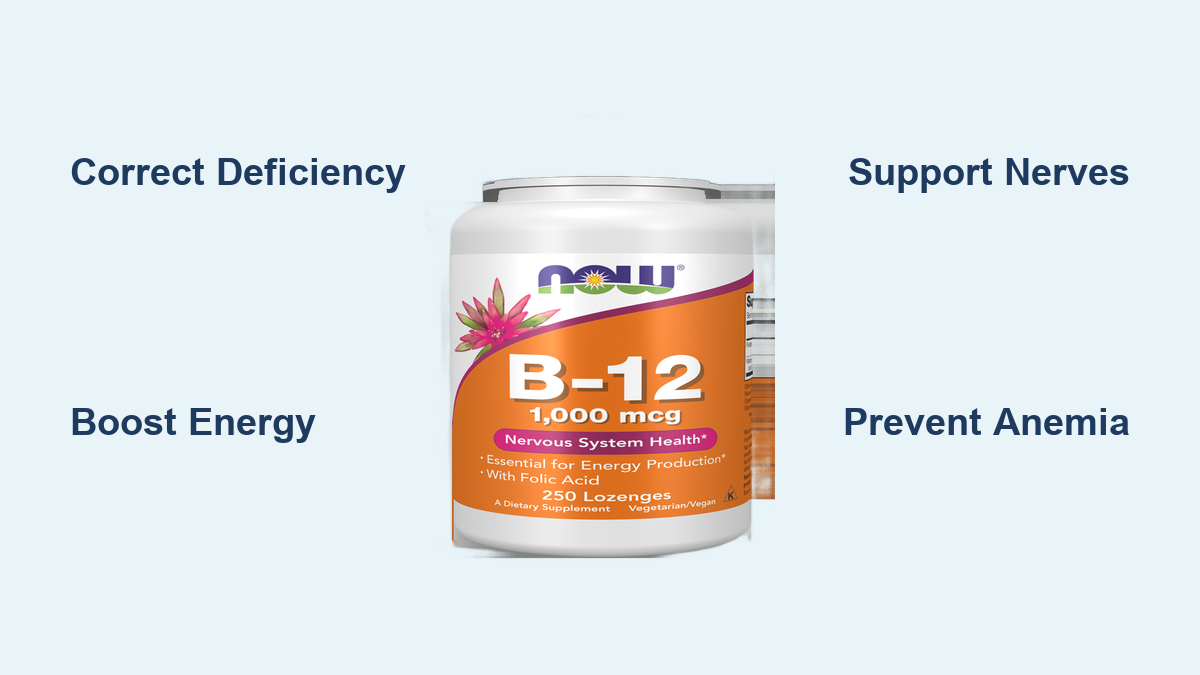

If you’ve ever felt unusually fatigued despite adequate sleep or noticed subtle changes in your cognitive function, vitamin B-12 deficiency could be the culprit—and supplements might offer the solution you need. Unlike many trendy supplements making bold claims, B-12 delivers scientifically validated benefits for specific populations who struggle to maintain adequate levels through diet alone. Whether you’re over 50, follow a plant-based diet, or take certain medications that interfere with absorption, understanding the genuine benefits of B-12 supplements can help you make informed decisions about your health. This guide cuts through the marketing hype to reveal exactly who benefits from supplementation, what research actually supports, and how to use B-12 supplements effectively for optimal health outcomes.
Why Your Body Can’t Function Without Vitamin B-12
Vitamin B-12 (cobalamin) isn’t just another nutrient—it’s the essential fuel for three critical bodily functions that directly impact your daily energy and long-term neurological health. Without sufficient B-12, your body cannot produce healthy red blood cells that deliver oxygen to your tissues, leading to persistent fatigue that sleep alone won’t fix. This vitamin also maintains the protective myelin sheath around your nerve cells, ensuring lightning-fast communication between your brain and body—without it, nerve damage can occur silently over time.
Your DNA replication process depends entirely on adequate B-12 levels, making this vitamin crucial for cell division and tissue repair throughout your body. Unlike fat-soluble vitamins that build up to toxic levels, your body efficiently excretes excess water-soluble B-12 through urine, but it does store reserves in your liver that can last 2-5 years. This explains why deficiency symptoms often develop gradually, catching people off guard when their dietary habits change or absorption capacity declines with age.
How B-12 Deficiency Stealthily Develops
Warning signs that many dismiss as normal aging or stress include:
– Persistent fatigue despite adequate sleep
– Unexplained muscle weakness during routine activities
– Numbness or tingling in hands and feet
– Difficulty maintaining balance
– Memory lapses or brain fog
These symptoms develop because B-12 deficiency creates a double health threat: it reduces oxygen delivery through impaired red blood cell production while simultaneously damaging your nervous system. Unlike iron deficiency anemia that causes similar fatigue, B-12 deficiency uniquely combines anemia with neurological symptoms—a critical distinction that requires specific testing and treatment.
Who Actually Needs B-12 Supplements (Not Everyone)
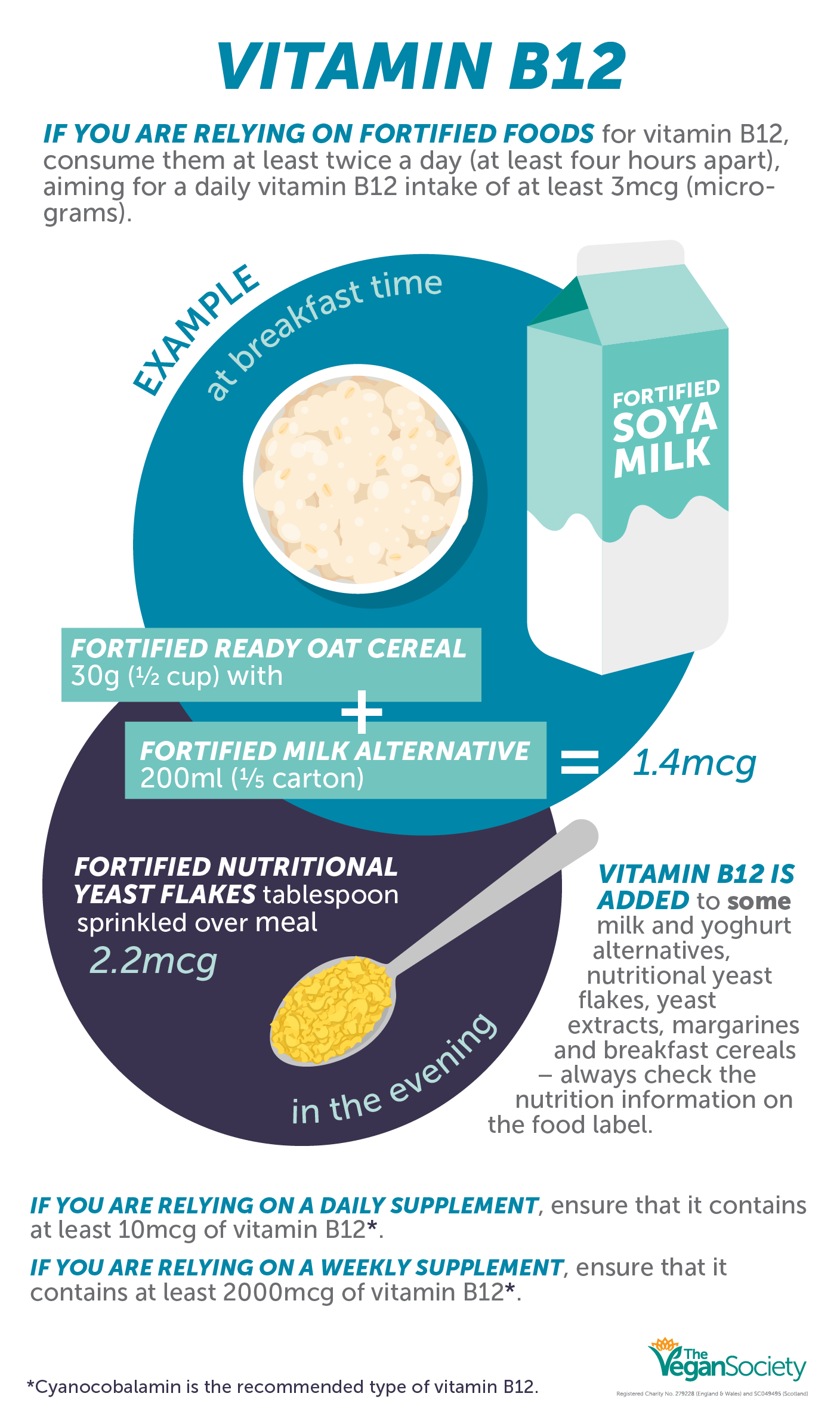
While food companies market B-12 supplements to the general population, only specific groups experience measurable benefits from supplementation. If you follow a strict vegetarian or vegan diet, you’re at immediate risk since plant foods contain no naturally occurring B-12—the nutrient exists naturally only in animal products like meat, fish, eggs, and dairy. Fortified foods help, but many plant-based eaters still fall short without dedicated supplementation.
Age 50+? Your B-12 Absorption Has Likely Declined
Over half of adults aged 65+ have some degree of impaired B-12 absorption due to reduced stomach acid production, yet most don’t realize it until symptoms appear. Your body needs adequate stomach acid to separate B-12 from food proteins before absorption—a process that becomes less efficient with age. This is why health organizations recommend that adults over 50 get most of their B-12 from fortified foods or supplements rather than relying solely on dietary sources.
You should consider B-12 supplementation if you:
– Take metformin for diabetes (reduces absorption by 19% according to research)
– Use proton pump inhibitors like omeprazole long-term
– Have undergone gastric bypass surgery
– Suffer from Crohn’s disease or celiac disease
– Experience frequent dizziness alongside fatigue
Research-Backed Benefits vs. Marketing Hype
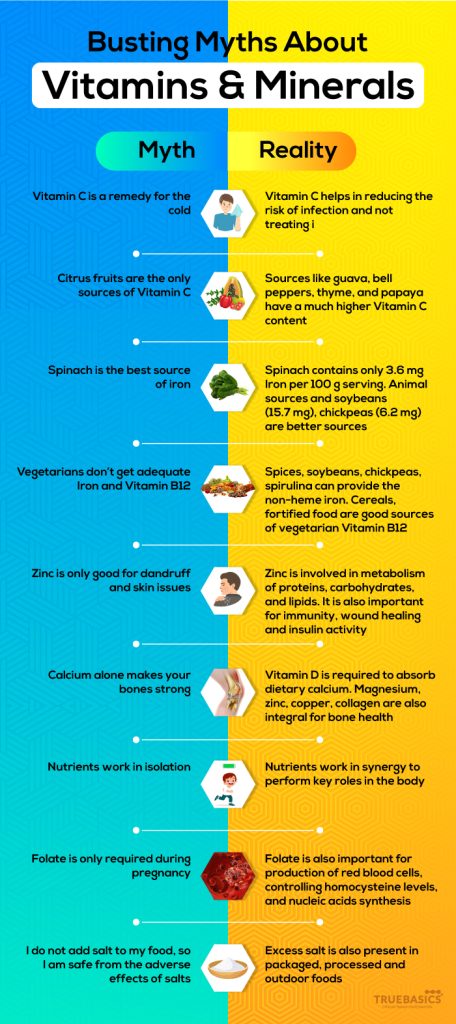
Scientific evidence reveals specific benefits of B-12 supplements while debunking popular myths that drive unnecessary purchases. When you’re genuinely deficient, supplementation delivers dramatic improvements—but if your levels are already adequate, extra B-12 won’t boost energy or athletic performance as many supplement companies claim.
What Science Confirms Works
Correcting deficiency reverses these specific problems:
– Megaloblastic anemia: B-12 supplements normalize red blood cell production within weeks, eliminating fatigue from oxygen deprivation
– Neurological damage: Early intervention prevents permanent nerve damage that causes balance issues and neuropathy
– Elevated homocysteine: B-12 (with folate) lowers this cardiovascular risk marker by 20-30% in deficient individuals
What research disproves:
– ❌ B-12 injections don’t enhance athletic performance in non-deficient athletes
– ❌ Energy boosts occur only in those with documented deficiency
– ❌ Hair/skin/nail improvements lack scientific backing for non-deficient users
Optimal B-12 Supplementation Strategies
The right dosage depends entirely on your individual absorption capacity—not a one-size-fits-all approach. For healthy adults under 50 with no absorption issues, the Recommended Dietary Allowance (RDA) is just 2.4 micrograms daily—easily obtained from three scrambled eggs or a tuna sandwich. But if you’re over 50 or have absorption challenges, you’ll need significantly more to achieve the same blood levels.
Choosing the Right Form for Your Needs
Cyanocobalamin (most common):
– Cost-effective synthetic form
– Requires conversion to active forms in your body
– Works well for most maintenance supplementation
Methylcobalamin (premium option):
– Active form requiring no conversion
– Better for neurological symptoms
– Preferred by those with MTHFR gene variations
Sublingual vs. Oral:
– No evidence sublingual absorbs better for most people
– Exception: severe malabsorption may benefit from sublingual
– Standard oral tablets work for 95% of supplement users
Critical Safety Considerations and Drug Interactions
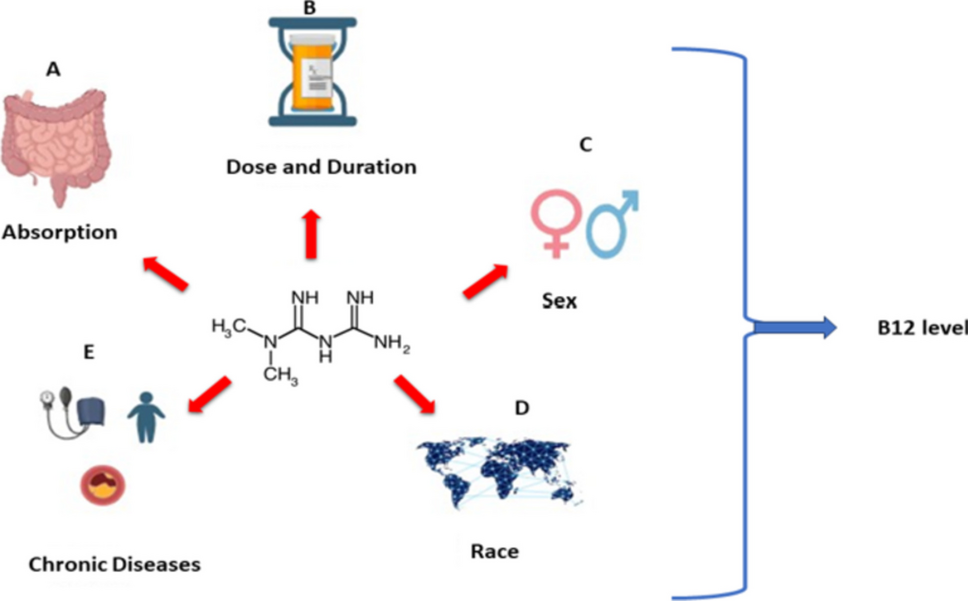
While B-12 has an excellent safety profile with no established upper limit, emerging research suggests potential risks from excessively high levels. Some studies associate chronically elevated B-12 with increased risk of hip fractures and certain cancers—though it’s unclear whether high levels cause these issues or merely indicate underlying health problems.
Medications That Deplete B-12
Metformin users: Take your B-12 supplement at least 2 hours apart from diabetes medication to maximize absorption. Research shows 30% of long-term metformin users develop deficiency.
Heartburn medication users: If you take PPIs like Nexium daily for over 2 years, get your B-12 tested annually—stomach acid reduction impairs food-bound B-12 absorption.
Nitrous oxide exposure: Regular recreational use or frequent dental procedures with laughing gas can deplete B-12 rapidly—supplementation becomes critical.
How to Start B-12 Supplementation Correctly
Before adding B-12 supplements to your routine, determine whether you actually need them through proper testing—not guesswork. Many symptoms of B-12 deficiency overlap with other conditions, so self-diagnosing can delay proper treatment. Request these specific blood tests from your doctor:
- Serum B-12 level (standard but imperfect)
- Methylmalonic acid (MMA) – gold standard functional test
- Homocysteine level – elevated when B-12 is low
Effective Supplementation Protocol
For confirmed deficiency:
1. Start with 1,000-2,000 mcg daily for 2-4 weeks
2. Reduce to 250-500 mcg daily for maintenance
3. Retest levels after 3 months to adjust dosage
For prevention in at-risk groups:
– Vegans/vegetarians: 250-500 mcg daily
– Adults 50+: 500 mcg daily or 1,000 mcg 2-3x weekly
– Metformin users: 500 mcg daily minimum
Final Verdict: Who Should Supplement and Why
The genuine benefits of B-12 supplements apply specifically to those with documented deficiency or significant absorption challenges—not the general population seeking an energy boost. If you’re vegan, over 50, or take medications that interfere with B-12 absorption, supplementation isn’t just beneficial—it’s essential for preventing serious neurological and hematological complications. For everyone else, routine supplementation delivers no proven benefits and may contribute to unnaturally high blood levels with unknown long-term consequences.
Take these immediate actions:
– Get tested before starting supplements if you’re symptomatic
– Choose cyanocobalamin for cost-effective maintenance
– Take 500+ mcg daily if you’re at confirmed risk
– Space doses away from medications that interfere
– Retest annually if you’re in a high-risk group
By targeting B-12 supplementation to those who genuinely need it based on evidence rather than marketing claims, you’ll maximize health benefits while avoiding unnecessary supplementation. The real advantage of B-12 supplements lies not in magical energy boosts but in preventing the serious, sometimes permanent consequences of deficiency when used appropriately for documented need.