
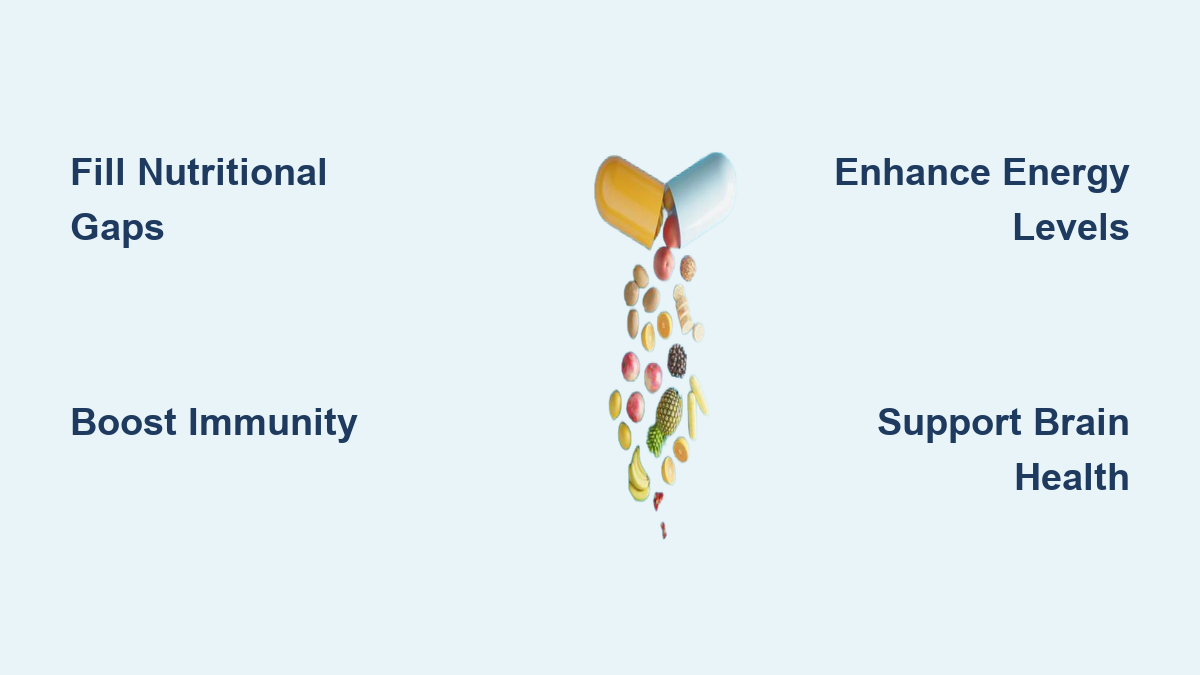

Many people struggle to get all necessary nutrients from food alone despite their best efforts. Modern farming practices, processed foods, stress, and busy lifestyles create nutritional gaps that even balanced diets can’t always fill. Food supplements provide targeted nutritional support to address these deficiencies and enhance your body’s natural functions. With the right approach, supplements can improve energy levels, strengthen immunity, and support long-term health goals. This guide reveals exactly how supplements benefit your body and which ones deliver real results based on your specific needs.
Why Modern Diets Leave Nutritional Gaps
Today’s food supply lacks the nutrient density of previous generations due to soil depletion and industrial farming. Even with careful meal planning, you’re likely missing critical nutrients that affect daily performance and long-term health. Supplements bridge these gaps by delivering concentrated forms of vitamins, minerals, and other compounds your body needs to function optimally.
Nutritional shortfalls often develop silently without obvious symptoms until significant damage occurs. Supplements work preventatively to maintain cellular health before deficiencies manifest as fatigue, weakened immunity, or other health issues. They’re particularly valuable during life stages with increased nutrient demands like pregnancy, intense training, or recovery from illness when dietary intake alone falls short.
Critical Nutrients Most People Lack Daily
Vitamin D: The Sunshine Deficiency Solution
Limited sun exposure and few natural food sources leave most adults deficient in vitamin D year-round. This essential nutrient regulates calcium absorption, supports immune cell function, and influences mood regulation. Food supplements containing vitamin D3 provide the most bioavailable form, especially during winter months or for those who work indoors. Consistent supplementation maintains optimal blood levels that food sources alone cannot achieve.
Magnesium: The Overlooked Metabolism Essential
Over 300 enzymatic reactions depend on adequate magnesium levels, yet nearly half the population consumes less than required. Modern food processing strips magnesium from grains, while stress increases the body’s demand for this crucial mineral. Supplements with magnesium glycinate or citrate support muscle relaxation, nerve function, and energy production without the laxative effect of oxide forms. Regular intake addresses the silent deficiency that contributes to muscle cramps, sleep disturbances, and fatigue.
Omega-3s: Brain and Heart Protection Made Simple
Most people eat far less fatty fish than needed to maintain optimal omega-3 levels. These essential fatty acids reduce systemic inflammation, support cognitive function, and protect cardiovascular health. High-quality fish oil or algae-based supplements deliver concentrated EPA and DHA without requiring daily fish consumption. Consistent use improves cell membrane fluidity throughout the body, particularly benefiting brain and heart tissues that rely heavily on these fats.
Targeted Benefits of Strategic Supplementation

Strengthen Your Immune Defense System
Vitamin C, vitamin D, zinc, and selenium work synergistically to maintain robust immune function. Vitamin C enhances white blood cell activity while vitamin D regulates antimicrobial peptide production. Zinc supplementation at the first sign of illness shortens cold duration by supporting immune cell communication. Food supplements provide consistent nutrient levels that prevent the dips leaving you vulnerable during high-stress periods or seasonal changes.
Pro Tip: Take vitamin D with your largest meal containing healthy fats to boost absorption by up to 50% compared to taking it on an empty stomach.
Transform Persistent Fatigue into Sustained Energy
B vitamins serve as enzymatic cofactors in cellular energy production pathways. Deficiencies in B12, B6, or folate directly impair ATP synthesis, causing fatigue despite adequate rest. Iron deficiency—anemia—reduces oxygen transport, creating exercise intolerance and exhaustion. Targeted supplementation with methylated B vitamins and quality iron formulas restores cellular energy production when deficiencies are the root cause.
CoQ10 supplementation proves particularly valuable for those taking statin medications or experiencing age-related decline in mitochondrial function. This compound supports the electron transport chain where cellular energy is generated, directly addressing the fatigue mechanism at its source rather than masking symptoms.
Protect Bones and Joints Through Strategic Nutrient Timing
Calcium alone won’t strengthen bones without supporting nutrients. Vitamin D dramatically increases calcium absorption, while vitamin K2 directs calcium into bone tissue rather than arteries. Magnesium completes the bone matrix formation process. Food supplements combining these nutrients in proper ratios deliver superior bone support compared to calcium-only formulas.
For joint health, glucosamine and chondroitin provide the building blocks for cartilage repair. These compounds work gradually to maintain joint cushioning and reduce inflammation, particularly valuable for active individuals or those with osteoarthritis. Consistent daily intake over several months yields the most significant mobility improvements.
Enhance Cognitive Performance and Mental Clarity

Omega-3 fatty acids constitute 30% of brain cell membranes, directly affecting neuronal communication. DHA supplementation supports memory formation and retrieval while reducing age-related cognitive decline. B vitamins regulate homocysteine levels—elevated homocysteine correlates with dementia risk—making proper B12 and folate status crucial for long-term brain health.
Phosphatidylserine supplements support brain cell membrane integrity, improving focus and information processing speed. This compound particularly benefits those experiencing “brain fog” during stressful periods or as they age. Consistent use maintains cognitive reserve that protects against age-related decline.
Choosing Effective Supplements: Quality Over Quantity
Verify Third-Party Testing for Safety and Potency
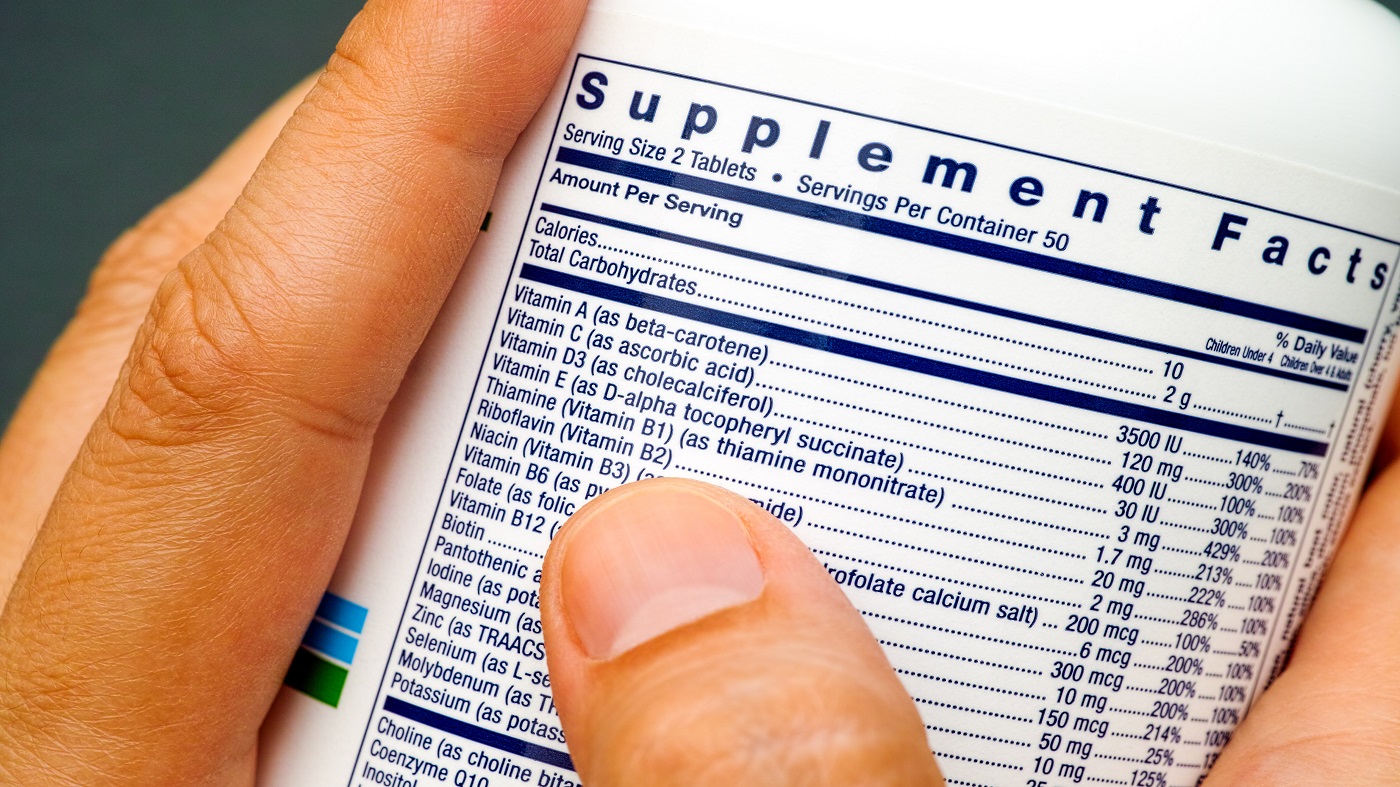
Reputable supplement manufacturers submit products to independent testing by NSF International, ConsumerLab, or USP. These certifications verify label accuracy, purity, and absence of contaminants like heavy metals or pesticides. Products without third-party verification risk containing less active ingredient than claimed or harmful substances not listed on the label.
Red Flag Alert: Avoid supplements with proprietary blends that hide individual ingredient amounts or make exaggerated health claims beyond what research supports.
Select Bioavailable Forms for Maximum Absorption
Not all supplement forms deliver equal benefits. Magnesium citrate absorbs better than oxide, while methylcobalamin provides immediate B12 activity compared to cyanocobalamin requiring conversion. Iron bisglycinate causes less gastrointestinal distress than sulfate forms. Choosing the right form ensures your body actually utilizes the nutrients you’re paying for.
Time Supplements Strategically for Enhanced Results
Fat-soluble vitamins (A, D, E, K) require dietary fat for absorption—take them with meals containing healthy fats. Separate mineral supplements by several hours to prevent absorption competition—calcium inhibits iron uptake when taken simultaneously. Take energizing B vitamins in the morning and calming magnesium in the evening to align with their natural effects on your body.
Avoid Common Supplement Mistakes That Waste Money
Many people unknowingly undermine supplement effectiveness through simple timing errors or poor quality choices. Taking iron with calcium-rich foods blocks absorption, while consuming vitamin C with plant-based iron enhances it. Buying supplements based solely on price often means getting inferior forms with poor bioavailability. Starting multiple new supplements simultaneously makes it impossible to identify which ones actually benefit you.
Critical Warning: Consult your healthcare provider before starting supplements if you take medications, have chronic health conditions, or are pregnant/nursing. Vitamin K interferes with blood thinners, while St. John’s wort affects dozens of pharmaceutical pathways.
Maximize Supplement Benefits Through Consistent Use
Supplements work through ongoing physiological processes requiring steady nutrient supply rather than occasional mega-dosing. Take your supplements at the same time daily to build habits ensuring compliance. Track changes in energy, sleep quality, or physical performance over several weeks to identify which supplements deliver real benefits for your body.
Reassess your supplementation strategy every 3-6 months as your nutritional needs change with seasons, activity levels, or health status. What supported you through intense training may not serve you during recovery periods. Periodic blood testing reveals whether your current regimen effectively addresses deficiencies or requires adjustment.
Your Action Plan for Effective Supplementation
Start by addressing the most common deficiencies—vitamin D, magnesium, and omega-3s—through quality supplements taken at optimal times. Verify third-party testing on every product before purchasing. Separate competing minerals by several hours and take fat-soluble vitamins with meals. Monitor your body’s response over 4-8 weeks before adding new supplements.
Remember that food supplements work best as part of a comprehensive health strategy including whole foods, regular exercise, and quality sleep. They fill nutritional gaps but cannot compensate for consistently poor lifestyle choices. Used strategically, the benefits of food supplements include stronger immunity, sustained energy, sharper cognition, and long-term protection against age-related decline. Consult a registered dietitian or healthcare provider to personalize your supplementation plan based on your unique nutritional needs and health goals.