
When your mood feels consistently low, sleep becomes elusive, and everyday tasks seem overwhelming, serotonin deficiency might be playing a role. This crucial neurotransmitter regulates more than just your mood—it influences sleep quality, appetite control, pain perception, and even temperature regulation. Understanding the real benefits of serotonin supplements can help you determine if they’re a safe and effective option for your specific needs. Unlike direct serotonin supplementation (which can’t cross the blood-brain barrier), certain precursors provide your brain with the building blocks it needs to produce serotonin naturally.
The most researched option is 5-Hydroxytryptophan (5-HTP), derived from Griffonia simplicifolia seeds. This compound bypasses the rate-limiting step in serotonin production, potentially offering more direct support than other approaches. While many wellness influencers promote serotonin supplements as miracle mood boosters, the reality is more nuanced—some benefits are well-documented while others lack scientific backing. This guide cuts through the hype to show you exactly what serotonin supplements can and cannot do, along with critical safety considerations you must know before starting.
How 5-HTP Actually Boosts Your Brain’s Serotonin Production
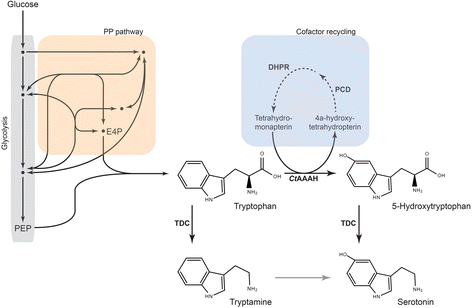
Unlike direct serotonin supplementation (which can’t cross the blood-brain barrier), 5-HTP serves as the immediate biochemical precursor your brain uses to manufacture serotonin. When you take 5-HTP as a supplement, it travels through your bloodstream, crosses into your brain, and undergoes conversion into serotonin exactly where your body needs it most. This two-step process—where L-tryptophan first becomes 5-HTP and then transforms into serotonin—explains why supplementing with 5-HTP yields more predictable results than tryptophan itself.
Your body naturally produces 5-HTP from dietary protein, but supplementing provides a concentrated dose that bypasses the rate-limiting enzyme tryptophan hydroxylase. This means more raw material reaches your serotonin production pathways without competition from other amino acids. The commercial 5-HTP you find in stores comes exclusively from Griffonia simplicifolia seeds, ensuring a plant-based origin that appeals to those avoiding synthetic compounds. For users seeking natural mood support, this direct pathway to serotonin synthesis represents the most scientifically supported approach available without prescription medication.
Why 5-HTP Works Better Than Direct Serotonin Supplements
Direct serotonin supplementation fails because serotonin molecules cannot cross the blood-brain barrier—a protective membrane that selectively allows substances into your brain. This biological limitation means even high-dose serotonin supplements won’t increase brain serotonin levels. 5-HTP, however, easily crosses this barrier and converts to serotonin directly within your central nervous system. This fundamental difference explains why 5-HTP remains the only serotonin supplement with meaningful research behind it, while direct serotonin products offer no physiological benefit for brain-related concerns.
Depression Relief: The Most Researched Benefit of Serotonin Supplements
Clinical evidence strongly supports 5-HTP’s effectiveness for managing depressive symptoms in certain individuals. Multiple studies indicate that 5-HTP supplementation can improve mood and emotional regulation with results comparable to some prescription antidepressants for mild to moderate depression. The mechanism is straightforward: increased serotonin availability at synaptic junctions helps regulate mood pathways that become dysregulated during depressive states.
Important considerations for depression management:
– Effects typically appear within 2-6 weeks of consistent daily use
– Optimal dosing ranges from 150-800 mg daily (start low at 50-100 mg)
– Works best when combined with other mood-support strategies
– Not effective for severe depression or as a standalone treatment
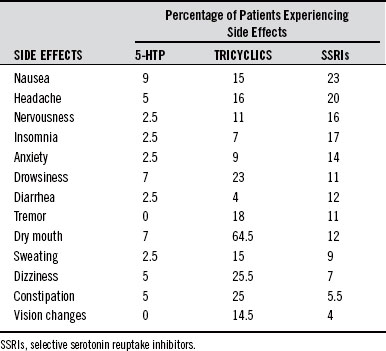
Unlike pharmaceutical antidepressants that manipulate serotonin reuptake, 5-HTP provides the raw material for natural serotonin production—potentially resulting in fewer side effects for some users. However, depression’s complex nature means individual responses vary significantly based on biochemistry, depression severity, and other health factors.
When 5-HTP Might Not Help With Depression
Certain situations reduce 5-HTP’s effectiveness for mood support:
– Severe clinical depression requiring immediate intervention
– Cases where serotonin isn’t the primary neurotransmitter imbalance
– When underlying medical conditions (like thyroid disorders) contribute to symptoms
– If you’re already taking serotonergic medications (creates dangerous interaction risks)
Working with a healthcare provider helps determine if 5-HTP aligns with your specific depression profile and treatment plan.
Limited Evidence for Other Benefits of Serotonin Supplements
While depression relief has the strongest research backing, 5-HTP has been investigated for several other applications where serotonin plays a role:
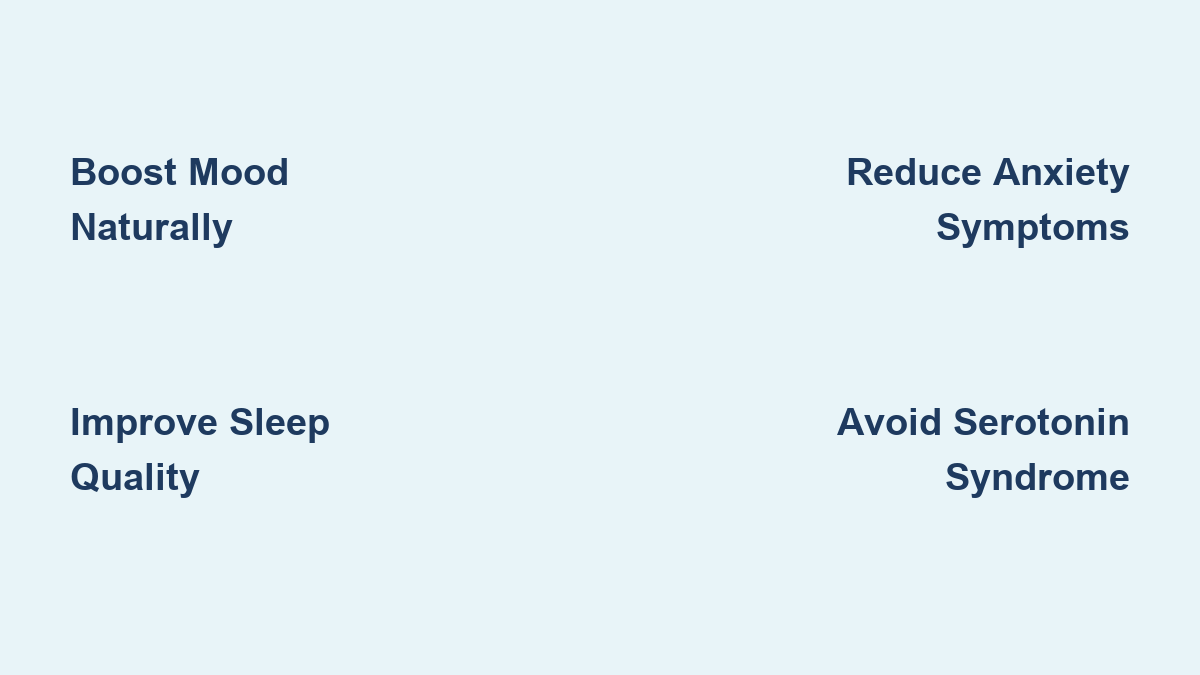
Anxiety reduction – Some users report decreased anxiety symptoms, but clinical evidence remains insufficient to confirm effectiveness. Theoretical support exists since serotonin modulates fear responses, but rigorous studies are lacking.
Sleep improvement – Serotonin converts to melatonin (your sleep hormone), so 5-HTP may support better sleep quality. Limited studies show modest improvements in sleep onset and duration at doses of 100-300 mg taken 30-60 minutes before bed.
Migraine prevention – Early research suggested potential benefits, but more recent studies show inconsistent results. The serotonin-migraine connection is complex, and 5-HTP appears ineffective as a primary prevention strategy.
Fibromyalgia symptom relief – Small studies indicate possible reductions in pain sensitivity and improved sleep, but larger trials are needed before recommending 5-HTP for this condition.
Important reality check: The evidence for these secondary benefits remains preliminary at best. Don’t expect dramatic results for these conditions based on current research.
Where Serotonin Supplements Have Proven Ineffective
Scientific research has conclusively demonstrated that 5-HTP provides no meaningful benefit for certain conditions despite theoretical promise:
- Down syndrome developmental support: Multiple studies confirm 5-HTP does not improve muscle strength, cognitive development, or other key outcomes in children with Down syndrome
- Weight loss: Despite serotonin’s role in appetite regulation, 5-HTP has not demonstrated clinically significant weight loss effects in controlled trials
- ADHD management: Limited evidence shows minimal to no improvement in attention or hyperactivity symptoms
These documented failures highlight why you should approach serotonin supplement claims with healthy skepticism—just because a condition involves serotonin pathways doesn’t guarantee 5-HTP will help.
Common Side Effects You’ll Likely Experience
When taken at standard doses (50-400 mg daily), 5-HTP commonly causes these manageable side effects:
- Gastrointestinal issues: Nausea (most common), heartburn, stomach pain, and occasional diarrhea—especially when starting or increasing dosage
- Daytime drowsiness: Particularly noticeable during initial adaptation period (usually subsides within 1-2 weeks)
- Mild muscle issues: Occasional weakness or mild spasms that typically resolve with dose adjustment
Pro tip: Take 5-HTP with food to minimize stomach upset, and consider splitting your daily dose (morning and evening) to reduce drowsiness while maintaining therapeutic levels.
When Side Effects Signal Danger
While most side effects are temporary and mild, watch for these warning signs that require immediate discontinuation:
– Severe muscle pain with fever or rash (possible eosinophilia-myalgia syndrome)
– Rapid heartbeat, high blood pressure, or muscle rigidity (serotonin syndrome symptoms)
– Difficulty breathing or swallowing
If you experience any of these serious symptoms, stop taking 5-HTP immediately and seek medical attention.
Critical Medication Interactions You Must Avoid
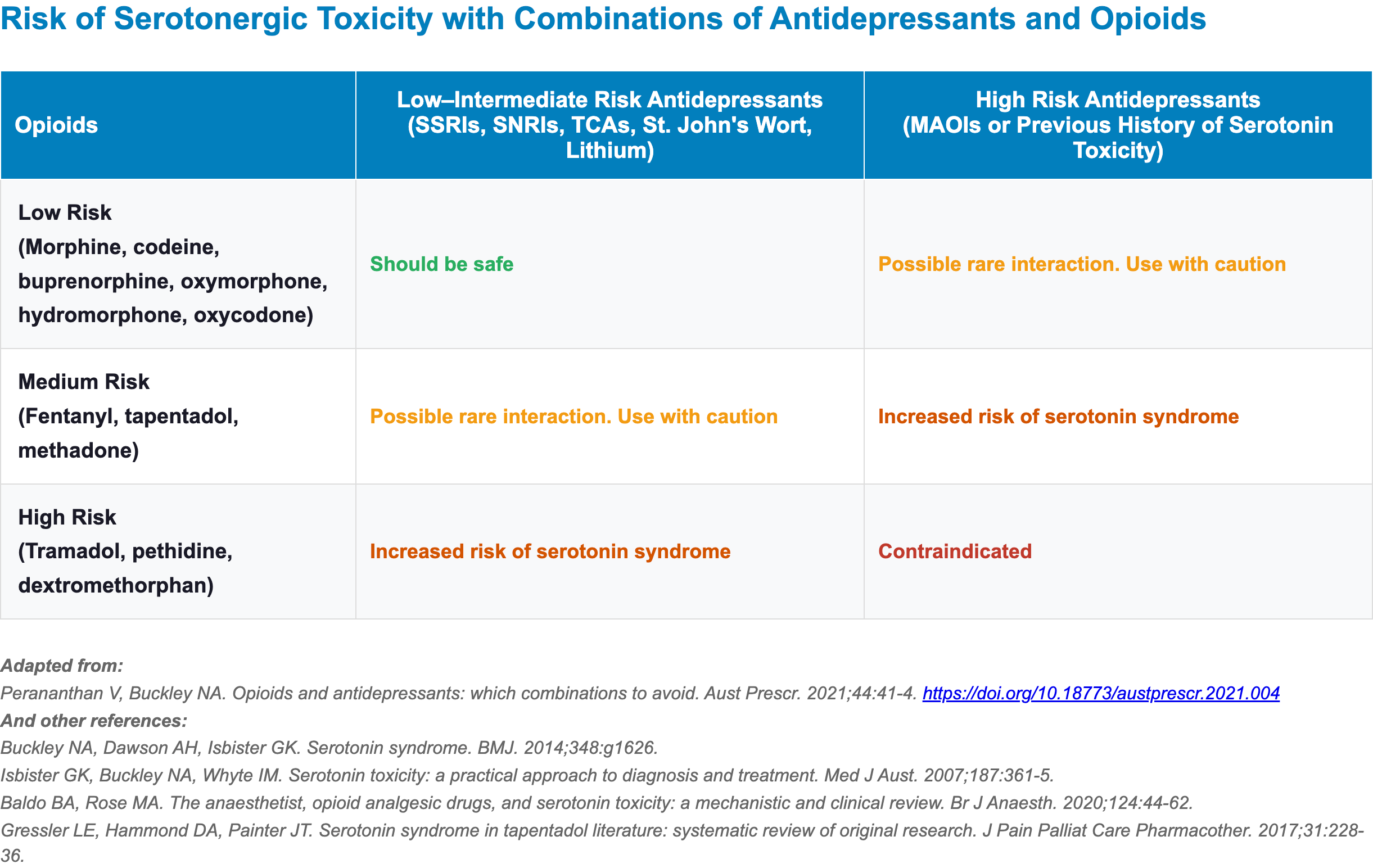
Serotonin syndrome risk is the #1 danger when combining 5-HTP with other serotonergic medications:
- SSRIs/SNRIs (Prozac, Zoloft, Cymbalta): Creates potentially life-threatening serotonin overload
- MAO inhibitors (Nardil, Parnate): Extreme interaction risk requiring complete avoidance
- Tramadol and certain migraine medications: Significant serotonin syndrome potential
Other dangerous combinations:
– CNS depressants (alcohol, benzodiazepines, sleep medications): Amplifies sedation and respiratory depression risk
– Carbidopa (Parkinson’s treatment): May cause rapid speech, anxiety, and aggressiveness
Never combine 5-HTP with antidepressant medications without explicit medical supervision. The risk of serotonin syndrome—a potentially fatal condition—makes this combination extremely dangerous.
Safe Dosing Guidelines by User Profile
General adult dosing:
– Start with 50 mg once or twice daily
– Gradually increase by 50 mg every 3-5 days
– Most users find optimal results between 100-300 mg daily
– Maximum safe dose: 400 mg daily for up to one year
Special population considerations:
– Pregnant/breastfeeding women: Avoid completely due to insufficient safety data
– Children: Only under medical supervision at doses ≤5 mg/kg body weight
– Surgery patients: Discontinue at least 2 weeks before procedures due to anesthetic interactions
Critical warning: Doses above 400 mg daily significantly increase serious side effect risks without providing additional benefits. Never exceed 6 grams daily—this dangerous range has caused severe medical complications.
Choosing Quality Serotonin Supplements That Won’t Harm You
Given historical concerns about contaminants causing eosinophilia-myalgia syndrome (EMS), product quality matters more than price:
- Look for third-party testing (NSF, USP, ConsumerLab verification)
- Avoid bargain-bin products—unusually low prices often indicate questionable manufacturing
- Check ingredient transparency—should list exact 5-HTP amount and source (Griffonia simplicifolia)
- Prefer delayed-release formulations—reduces gastrointestinal side effects
Reputable brands typically cost $20-$30 for a 60-capsule bottle (100 mg strength). If a product seems too cheap, it likely cuts corners on quality control—potentially risking your health.
Your Action Plan for Safe Serotonin Supplement Use
Start your 5-HTP journey safely with this step-by-step approach:
- Consult your healthcare provider—especially if taking any medications or managing health conditions
- Begin with 50 mg daily with dinner (reduces next-day drowsiness)
- Track symptoms and side effects in a journal for the first 4 weeks
- Increase slowly by 50 mg every 4-5 days if needed
- Reassess at 4 weeks—continue only if benefits outweigh side effects
- Never exceed 400 mg daily without medical supervision
Most importantly: If you don’t notice meaningful improvement within 6-8 weeks at an appropriate dose, 5-HTP likely isn’t the right solution for your specific serotonin-related concerns.
Final Note: While serotonin supplements offer legitimate benefits for certain users, they’re not a universal solution. The most compelling evidence supports 5-HTP for mild to moderate depression relief, with more limited data for sleep and anxiety support. Always prioritize quality products, start with conservative dosing, and maintain open communication with your healthcare provider—especially if you take other medications. When used appropriately, 5-HTP can be a valuable tool in your mental wellness toolkit, but understanding its realistic benefits and limitations is essential for safe, effective use.