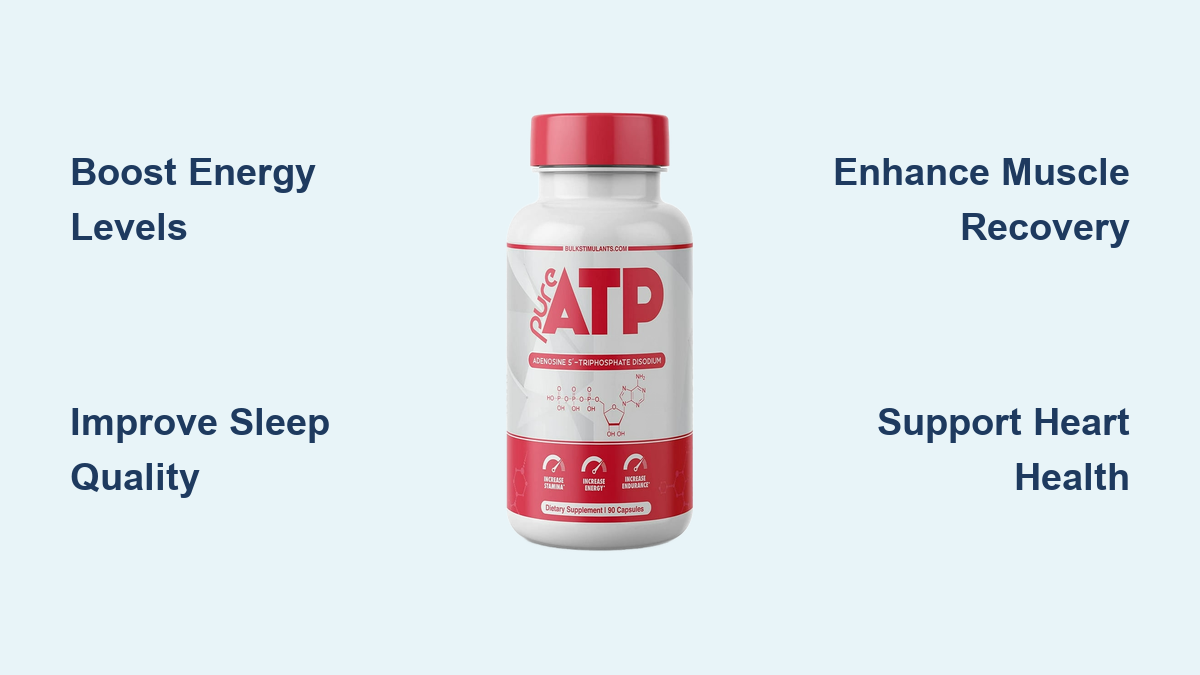

When you feel that afternoon energy crash or struggle to complete your final workout set, your body might be signaling something fundamental: adenosine triphosphate (ATP) depletion. This critical molecule powers every cellular process in your body, yet most people don’t realize how supplementing with adenosine or ATP can directly impact energy levels, athletic performance, cardiovascular health, and sleep quality. Research shows that targeted 400mg daily ATP supplementation increases maximal strength by 8kg in resistance-trained individuals, while also supporting natural sleep pathways and blood flow regulation. If you’ve tried every energy supplement without lasting results, understanding adenosine supplement benefits could be the missing piece in your health optimization strategy.
Unlike stimulants that artificially mask fatigue, adenosine works with your body’s natural energy systems. Every heartbeat, muscle contraction, and neural impulse depends on ATP as the immediate energy source. When ATP breaks down to ADP during cellular work, your mitochondria must regenerate it—often struggling to keep up during intense activity. This is where supplementation makes a difference: clinical studies demonstrate that oral ATP increases blood flow to working muscles, delivering more oxygen while accelerating removal of fatigue-causing metabolites like lactate. Whether you’re an athlete seeking performance gains or someone battling persistent afternoon fatigue, adenosine supplementation offers evidence-based solutions worth exploring.
How Your Body Uses Adenosine for Cellular Energy Production
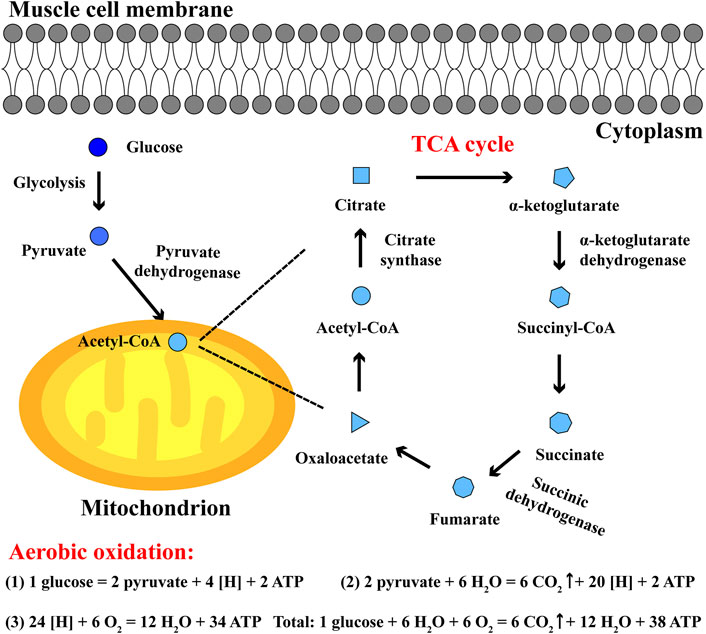
Your cells maintain a constant ATP regeneration cycle that powers all biological functions, with mitochondria working nonstop to convert ADP back to ATP. This process happens at astonishing rates—your body cycles through its entire ATP supply multiple times daily to meet metabolic demands. The remarkable concentration gradient between intracellular (1-10 mM) and extracellular (10-100 nM) ATP highlights how tightly regulated this energy currency is, with even small fluctuations significantly impacting cellular function.
Why ATP Is Your Body’s True Energy Currency (Not Glucose)
Glucose often gets credit as the body’s energy source, but it’s merely ATP that directly powers cellular work. Think of glucose as crude oil and ATP as refined gasoline—your cells can’t use the raw material directly. When you break down food, your mitochondria convert those nutrients into ATP through cellular respiration. Without sufficient ATP, even with abundant glucose, your cells literally can’t function. This explains why ATP supplementation directly addresses energy deficits that carbohydrate loading alone cannot fix.
The Critical Difference Between Adenosine, ADP, and ATP
Understanding these related compounds is essential for grasping adenosine supplement benefits. Adenosine is the base molecule (adenine + ribose). Add one phosphate group and you get AMP (adenosine monophosphate), two phosphates create ADP (adenosine diphosphate), and three phosphates form ATP (adenosine triphosphate). The energy release happens when ATP loses its third phosphate group, converting to ADP and releasing energy for cellular work. Your body constantly regenerates ATP from ADP using energy from food—this continuous cycle is why maintaining optimal ATP status matters for sustained energy.
400mg ATP Daily: The Exact Dose That Increases Strength by 8kg

Clinical research consistently identifies 400mg daily as the optimal ATP dosage for performance benefits. Multiple studies show this specific amount improves maximal strength by approximately 8kg compared to placebo in resistance-trained individuals. Lower doses under 400mg produce inconsistent results, while higher doses up to 5000mg show no additional benefits, confirming this as the effective threshold for most adults seeking adenosine supplement benefits.
Why Lower Doses Under 400mg Don’t Deliver Consistent Results
Studies testing doses below 400mg often fail to demonstrate significant performance improvements because they don’t reach the concentration needed to trigger meaningful physiological responses. The vasodilatory effects of ATP—critical for delivering oxygen to working muscles—require sufficient circulating levels to activate P2Y2 receptors on endothelial cells. Think of it like medication dosing: too little won’t produce the desired effect, while the right amount creates measurable changes in blood flow and muscle function.
Pre-Workout vs. Daily ATP Timing: Which Works Better for Athletes?
Research supports both acute and chronic ATP supplementation strategies. Taking 400mg approximately 30 minutes before training provides immediate blood flow benefits during exercise, with peak effects occurring during and immediately after your workout. For sustained benefits, many athletes take 200mg twice daily to maintain steadier blood levels. Critical timing note: ATP’s effects on later exercise sets (where fatigue typically sets in) make it particularly valuable for those completing multiple high-intensity sets, as studies show improved torque maintenance in set 2 and reduced fatigue in set 3 of resistance exercises.
Fix Poor Sleep Quality with Adenosine’s Natural Sleep Pressure Mechanism
Adenosine accumulation during wakefulness creates “sleep pressure”—that natural drowsiness signaling your body needs rest. As adenosine builds up, it binds to A1 receptors in your brain, inducing calmness and reducing alertness. This explains why extended wakefulness makes you progressively sleepier. Unlike sleep medications that force unconsciousness, adenosine works with your body’s natural sleep-wake cycle, making supplementation a strategic approach to improving sleep quality.
Why Caffeine Blocks Adenosine (and How to Counteract Sleep Disruption)
Caffeine’s alertness effects work by blocking adenosine receptors, preventing adenosine from exerting its sleep-inducing effects. This explains why afternoon coffee can disrupt sleep quality even if you fall asleep normally—the adenosine receptors remain blocked, reducing sleep architecture quality. To counteract this, consider limiting caffeine after 2 PM and supporting natural adenosine clearance through consistent sleep schedules. Pro tip: Evening adenosine supplementation may help counteract residual caffeine effects for those struggling with sleep onset.
How Adenosine Clearance During Sleep Affects Morning Energy
During quality sleep, your body metabolizes accumulated adenosine, which is why insufficient sleep produces cumulative fatigue—the adenosine hasn’t been fully cleared. This clearance process explains why you feel refreshed upon awakening after adequate sleep. Supporting healthy adenosine metabolism through proper supplementation and sleep hygiene creates better daytime energy without stimulants. Most adults require 7-9 hours of quality sleep for complete adenosine clearance and optimal daytime energy levels.
Repair Cardiovascular Function with Adenosine’s Vasodilation Effects
Adenosine’s cardiovascular benefits extend beyond athletic performance to fundamental heart health. By relaxing vascular smooth muscle through reduced calcium uptake and adenylate cyclase activation, adenosine promotes improved blood flow throughout your circulatory system. This vasodilation effect lowers systolic, diastolic, and mean arterial blood pressure through nitric oxide and prostacyclin pathways—mechanisms that support healthy circulation even outside clinical settings.
How Adenosine Lowers Blood Pressure Through Nitric Oxide Pathways
When adenosine binds to purinergic receptors on endothelial cells, it triggers nitric oxide release, which relaxes blood vessels and improves blood flow. This natural mechanism explains why adenosine supplementation may support healthy blood pressure levels in those with mild elevation. The effect is mild but significant—research shows consistent reductions in vascular resistance with adenosine administration, suggesting potential applications for cardiovascular health maintenance.
Diagnosing Heart Issues with Adenosine Stress Tests: What You Should Know
Cardiologists use adenosine in stress tests to evaluate coronary artery function in patients who can’t exercise adequately. By mimicking exercise-induced blood flow changes, adenosine reveals blockages as it dilates healthy arteries while preventing flow increases in narrowed ones. This contrast allows physicians to identify compromised blood supply areas. Understanding this diagnostic application highlights adenosine’s powerful effects on coronary circulation—effects that translate to everyday cardiovascular support through proper supplementation.
Accelerate Muscle Recovery After Intense Workouts with ATP
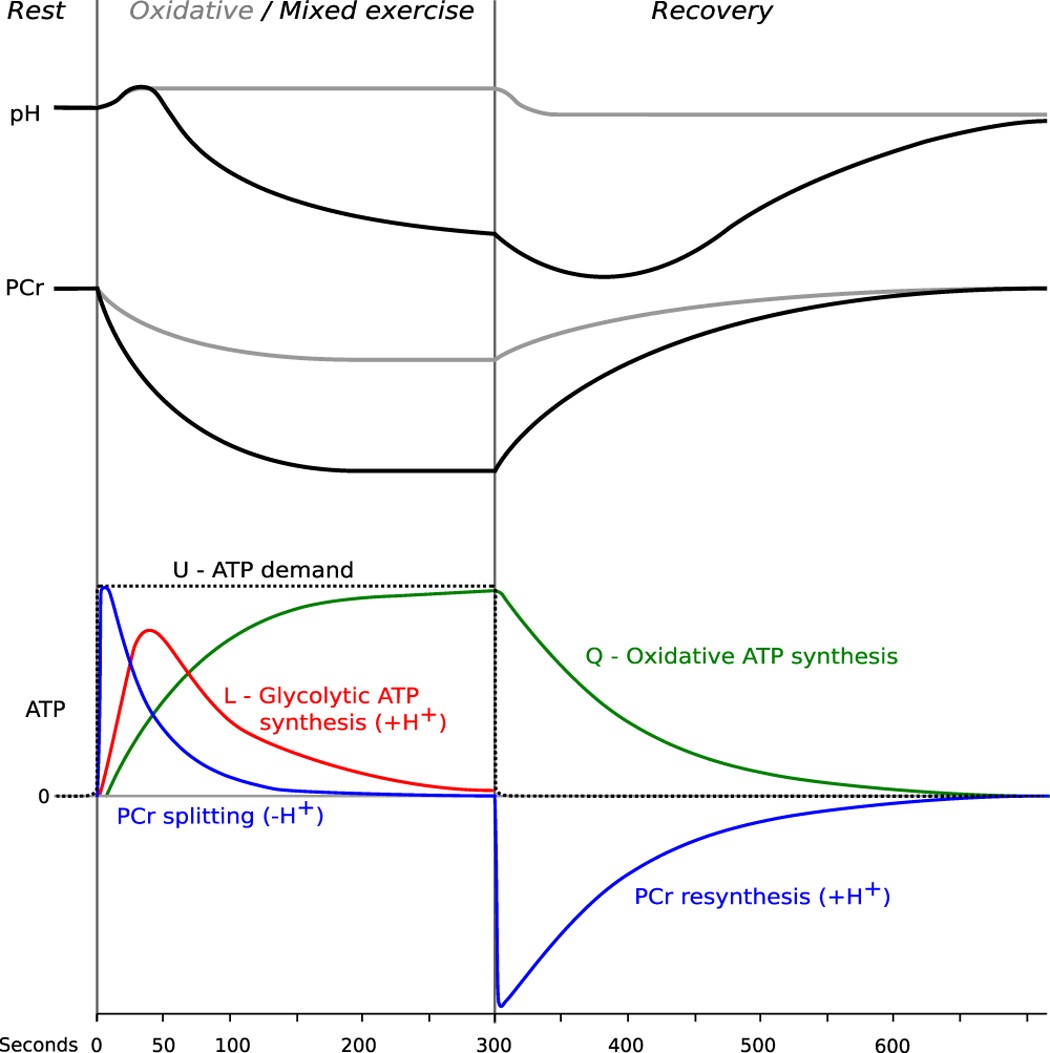
The most compelling adenosine supplement benefits emerge during high-intensity exercise recovery. Research demonstrates that ATP supplementation prevents declines in muscle excitability during repeated sprint bouts, with peak power increasing by 18.3% in later repetitions. This translates directly to real-world performance—being able to maintain power output when fatigue typically sets in gives athletes a significant competitive edge in sports requiring repeated high-intensity efforts.
How ATP Increases Blood Flow to Reduce Lactic Acid Buildup
ATP functions as a signaling molecule by binding to P2Y2 receptors on endothelial cells, triggering vasodilation that improves blood flow to working muscles. This enhanced circulation delivers more oxygen and nutrients while accelerating removal of metabolic waste products, including lactate and hydrogen ions that contribute to fatigue. Key visual cue: During exhaustive exercise, ATP-supplemented individuals maintain stronger muscle contractions as sets progress—something you’ll notice when your later sets feel less fatigued.
Stop Mid-Workout Fatigue: ATP’s Effect on Later Exercise Sets
Studies examining muscle torque show ATP supplementation significantly improves low peak torque during repeated exercise sets and reduces fatigue in later sets. In knee extension exercises, ATP users maintained 67.2 Nm versus 62.3 Nm for placebo in set 2, with reduced fatigue (57.8% versus 60.5%) in set 3. This means ATP helps you push through that final rep when your muscles normally fail—a game-changer for serious trainers. The benefits become most apparent when energy depletion typically impairs performance, making ATP particularly valuable for completing multiple high-intensity sets.
Diagnose and Treat Low ATP Symptoms Before They Worsen
Insufficient ATP availability produces recognizable symptoms across multiple body systems. Generalized fatigue that doesn’t resolve with rest often signals ATP deficiency, as does muscle weakness, cramps, and reduced exercise tolerance. Cognitive symptoms like difficulty concentrating and memory problems may accompany ATP depletion, reflecting the brain’s high energy requirements. Recognizing these signs early allows for timely intervention before symptoms significantly impact quality of life.
5 Warning Signs Your Body Is Running Low on Cellular Energy
Watch for these key indicators of compromised ATP status:
– Persistent fatigue that doesn’t improve with rest
– Muscle weakness or cramps during moderate activity
– Difficulty concentrating or “brain fog”
– Reduced exercise performance despite consistent training
– Headaches without other apparent cause
Critical note: Standard blood tests typically don’t measure ATP levels directly, which is why many cases go undiagnosed. If you experience multiple symptoms, consider discussing ATP supplementation with your healthcare provider alongside mitochondrial support strategies.
Why Standard Blood Tests Miss ATP Deficiency (And What to Request)
Most routine blood panels don’t include ATP-specific markers, focusing instead on glucose, electrolytes, and basic metabolic panels. To assess mitochondrial function—critical for ATP production—request tests for coenzyme Q10 levels, organic acids, and micronutrient panels including B vitamins and magnesium. These provide indirect but valuable insights into your body’s ATP production capacity. Pairing this information with symptom tracking creates a more complete picture of your cellular energy status.
Prevent Digestive Issues When Taking ATP Supplements
ATP supplementation appears safe and well-tolerated based on clinical research, with studies lasting up to 12 weeks showing no clinically meaningful changes in blood chemistry. However, some users experience mild digestive discomfort when first starting supplementation. Understanding proper administration techniques minimizes these temporary side effects while maximizing absorption.
Enteric-Coated ATP vs. Standard Capsules: Which Absorbs Better?
The sodium salt form of ATP provides buffering through the stomach, becoming metabolically available upon reaching the proximal duodenum—the most biologically active site for ATP absorption. Enteric-coated versions offer additional protection against stomach acid degradation, potentially improving bioavailability. For those with sensitive digestive systems, enteric-coated ATP may provide better tolerance while ensuring more ATP reaches the absorption site intact.
Timing ATP with Meals to Avoid Stomach Discomfort
Taking ATP with food significantly reduces the likelihood of digestive upset, especially during the initial adaptation period. Pro tip: Consume your ATP dose with a balanced meal containing protein, healthy fats, and complex carbohydrates to support optimal absorption while minimizing gastrointestinal effects. Most users report digestive symptoms resolve within 3-5 days as their system adapts to the supplement.