
Millions of Americans pop adrenal cortex supplements each morning hoping for an energy boost and stress relief—but they’re often unaware of the hidden risks lurking in these “natural” products. Marketed as solutions for “adrenal fatigue,” these supplements promise to balance cortisol, restore energy, and help you power through chronic stress. Yet major medical institutions like the Endocrine Society and Mayo Clinic explicitly state that “adrenal fatigue” isn’t a recognized medical condition with no scientific evidence supporting its existence. Despite this glaring contradiction, the adrenal supplement industry generates billions annually from consumers desperate for relief from persistent tiredness and burnout symptoms.
The reality behind adrenal cortex supplement benefits and side effects is far more complex—and concerning—than supplement marketers want you to know. While some ingredients in modern formulations show modest promise for stress management, animal-derived extracts carry significant risks including hormone contamination and HPA axis suppression. This guide cuts through the marketing hype with science-backed facts about what these supplements actually do—and the documented dangers you should consider before adding them to your routine.
Why Adrenal Cortex Extracts Pose Hidden Hormone Contamination Risks
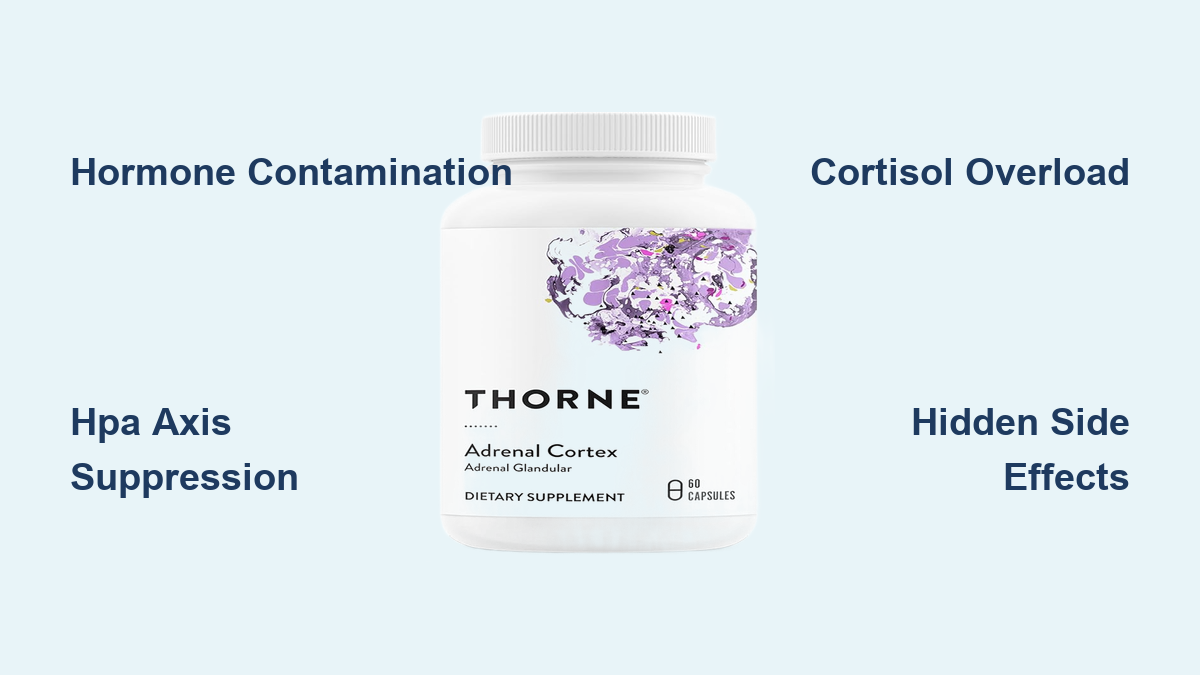
Research published in the Journal of Clinical Endocrinology & Metabolism revealed shocking findings when scientists tested twelve popular “adrenal support” supplements marketed for fatigue and stress relief. Every single product contained undisclosed thyroid hormone (T3) ranging from 63 to 395 nanograms per tablet—plus additional hidden compounds including synthetic corticosteroids and sex hormones. These ingredients weren’t listed on labels, meaning consumers unknowingly ingested potent hormonal compounds with potential physiological effects.
How Undisclosed Thyroid Hormones Show Up in “Adrenal Support” Products
When you take one of these supplements as directed, you could be consuming up to 1,322 nanograms of active thyroid hormone daily—enough to cause cardiac complications in sensitive individuals. The presence of budesonide (a prescription corticosteroid) in 25% of tested products creates additional risks for blood sugar imbalances and immune suppression. Manufacturers aren’t required to disclose these contaminants under current supplement regulations, leaving consumers completely in the dark about what they’re actually ingesting.
The Cortisol Contamination Danger in Over-the-Counter Formulations
Eight percent of tested supplements contained measurable cortisol—the very hormone your adrenal glands produce naturally. Even small amounts of exogenous cortisol can disrupt your body’s delicate hormonal balance, potentially causing symptoms of corticosteroid excess including weight gain, elevated blood pressure, and sleep disturbances. Never assume your “natural” adrenal supplement is free from active hormonal compounds—research proves otherwise.
Animal-Derived vs. Herbal Adrenal Supplements: Critical Safety Differences

Traditional adrenal cortex extracts derived from bovine or porcine sources contain actual adrenal tissue with concentrated cortisol and other hormones. These products operate under minimal regulatory oversight despite carrying risks of disease transmission (including historical cases of bovine spongiform encephalopathy) and serious HPA axis disruption. In contrast, modern herbal formulations typically combine adaptogens like ashwagandha and rhodiola with vitamins B5, B6, C, zinc, and magnesium—posing fewer direct hormonal risks but still lacking strong evidence for efficacy.
Bovine Adrenal Extracts: The Real Cortisol Content Risk
When you take animal-derived adrenal cortex supplements, you’re essentially consuming unregulated doses of hydrocortisone (cortisol). This introduces exogenous cortisol into your system, triggering negative feedback that signals your hypothalamus and pituitary to reduce natural hormone production. Within weeks, this can cause adrenal atrophy—where your glands shrink from disuse—creating dependency on the supplement just to maintain basic hormonal function. Medical literature documents cases requiring temporary glucocorticoid replacement therapy after stopping these extracts.
Modern Adaptogenic Formulas and Their Limited Evidence Base
While ashwagandha shows promise for modest cortisol reduction in stressed adults according to some studies, the evidence remains preliminary with small sample sizes and methodological limitations. Rhodiola research suggests potential benefits for mental performance under stress, but results are inconsistent across studies. These herbs don’t “fix” adrenal function—they may temporarily modulate stress responses while masking underlying issues that require proper medical diagnosis.
Documented Side Effects That Should Stop You From Taking These Supplements
Gastrointestinal distress ranks among the most commonly reported adrenal supplement side effects, with users experiencing stomach irritation, nausea, and digestive upset even when taking products with food. More concerning are the hormonal side effects including salt/water retention causing swelling, increased appetite and weight gain, mood swings, anxiety, and sleep disturbances—all classic signs of corticosteroid excess that can occur even with “supportive” dosing.
HPA Axis Suppression: The Dangerous Withdrawal Risk
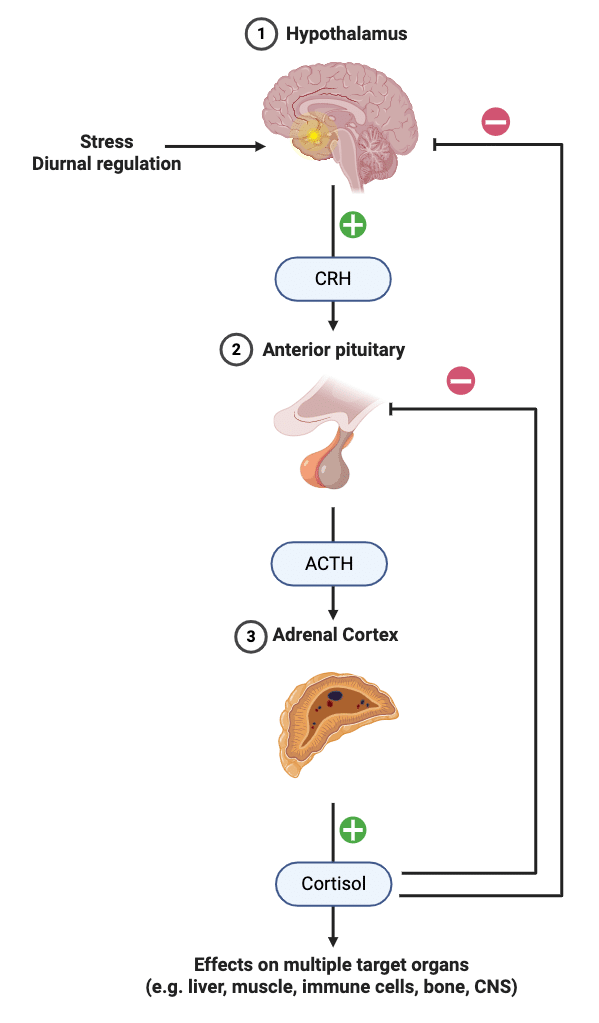
If you’ve been taking adrenal cortex supplements regularly and suddenly stop, your body may not immediately resume natural cortisol production. This creates a dangerous period of adrenal insufficiency with symptoms including severe fatigue, weakness, dangerously low blood pressure, and potentially life-threatening complications. Recovery can take weeks to months depending on duration and dose of use—a risk few supplement labels adequately disclose.
Liver and Immune System Consequences You Might Experience
Your liver processes all hormonal compounds from supplements, placing extra metabolic burden on this organ—especially problematic if you already have compromised liver function. Cortisol’s well-documented immunosuppressive effects also increase infection susceptibility, a serious concern for those with autoimmune conditions or weakened immune systems. Never underestimate how these supplements affect your entire endocrine network, not just your adrenals.
Who Absolutely Should Avoid Adrenal Cortex Supplements
Pregnant and breastfeeding individuals face unacceptable risks from adrenal supplements since safety hasn’t been established through clinical research. The potential for hormonal effects on fetal development combined with documented hormone contamination creates unacceptable risks for developing babies. Most manufacturers explicitly recommend against use during pregnancy, yet many consumers remain unaware of these dangers.
Autoimmune Conditions That Could Worsen with Supplement Use
If you have autoimmune Addison’s disease requiring precise hormone replacement therapy, introducing additional hormonal compounds could dangerously disrupt your carefully balanced treatment regimen. Even for other autoimmune conditions, the complex immunomodulatory effects of adrenal supplements may trigger flares or interfere with medication efficacy. Never add adrenal supplements to your regimen without explicit approval from your specialist.
Better Alternatives Than Adrenal Supplements for Fatigue Relief
Instead of risking hormone disruption with unregulated supplements, implement proven lifestyle strategies that naturally support your stress response system. Prioritize 7-9 hours of quality sleep with consistent bedtime routines—poor sleep directly disrupts HPA axis function and cortisol regulation. Balance blood sugar through regular meals containing protein, healthy fats, and complex carbohydrates to prevent the energy crashes that mimic “adrenal fatigue.”
Medical Conditions That Mimic “Adrenal Fatigue” Symptoms
Persistent fatigue often signals underlying conditions requiring proper diagnosis rather than self-treatment with supplements. Thyroid disorders (both hypo- and hyperthyroidism), sleep apnea, depression, chronic infections, autoimmune diseases, and undiagnosed diabetes all produce similar symptoms. A thorough medical evaluation should always precede any supplement use—your symptoms likely have treatable causes that adrenal supplements won’t address.
Making Your Decision: Benefits vs. Risks Reality Check
The Endocrine Society, Mayo Clinic, and Harvard Medical School all reject “adrenal fatigue” as a legitimate diagnosis due to lack of scientific evidence. No reliable diagnostic test exists for this supposed condition, and studies attempting to document consistent cortisol abnormalities among sufferers have produced contradictory results. While some herbal ingredients show modest promise for stress management, the risks of animal-derived extracts and hormone-contaminated products significantly outweigh potential benefits for most users.
If you choose to try adrenal support supplements despite these concerns, select products with third-party testing certifications (NSF, USP, ConsumerLab), start with the lowest possible dose, and monitor for adverse effects. Immediately discontinue use if you experience mood changes, sleep disturbances, or gastrointestinal issues—these signal hormonal disruption requiring medical attention. Most importantly, seek professional medical evaluation for persistent fatigue rather than self-treating with unregulated products that may do more harm than good.