

Do you wake up with muscle cramps, struggle with sleep issues, or feel inexplicably fatigued despite getting enough rest? You might be part of the 50% of American adults who aren’t getting enough magnesium through their diet. The advantages of taking magnesium supplements extend far beyond basic nutrition—they impact nearly every system in your body, from your heartbeat to your brain chemistry. This essential mineral participates in over 300 enzymatic reactions, yet most people fall short of the recommended daily intake without even realizing it.
Understanding the specific advantages of taking magnesium supplements can help you determine if this affordable, accessible mineral deserves a place in your daily wellness routine. Whether you’re managing stress, seeking better sleep, or trying to improve your workout recovery, magnesium might be the missing piece in your health puzzle. In this guide, we’ll explore exactly how magnesium supplementation benefits your body, which form works best for your specific needs, and crucial safety considerations you must know before starting.
Why 50% of Americans Are Magnesium Deficient (and Why It Matters)
Your body contains approximately 25 grams of magnesium, with over half stored in your bones and the rest distributed throughout soft tissues. Despite this abundance, magnesium deficiency has become alarmingly common due to modern dietary patterns and agricultural practices. The standard American diet, heavy in processed foods and refined grains, provides only about half the magnesium our ancestors consumed just 60 years ago. Wheat, for example, now contains nearly 20% less magnesium than historical varieties due to changes in soil composition and farming techniques.
This widespread deficiency matters because magnesium plays a non-negotiable role in fundamental bodily processes. Without adequate magnesium, your body cannot properly synthesize DNA, produce cellular energy, or regulate nerve and muscle function. Your kidneys work tirelessly to maintain stable blood magnesium levels—typically between 1.7 and 2.2 milligrams per deciliter—but this narrow range can mask tissue-level deficiency that affects your daily functioning. Many people experience subtle symptoms for years before recognizing they’re magnesium deficient, unknowingly compromising their long-term health.
Who’s Most at Risk for Magnesium Deficiency?
Certain groups face significantly higher risk of magnesium deficiency due to biological and lifestyle factors. Older adults struggle with reduced intestinal absorption and age-related kidney changes that affect magnesium conservation. Women experience fluctuating magnesium needs throughout their menstrual cycles and during pregnancy. Regular alcohol consumption increases magnesium excretion through the kidneys, while digestive disorders like Crohn’s disease impair absorption.
Medications also contribute significantly to deficiency. Proton pump inhibitors for acid reflux reduce stomach acid needed for magnesium absorption, while common diuretics for hypertension increase urinary magnesium loss. If you take any of these medications long-term, you’re at substantially higher risk of deficiency without realizing it—making the advantages of taking magnesium supplements particularly relevant for your health strategy.
Heart Health Benefits: How Magnesium Supports Healthy Blood Pressure

Magnesium’s role in cardiovascular health is one of the most scientifically supported advantages of taking magnesium supplements. This mineral helps regulate your heartbeat by participating in the electrical stimulation that coordinates cardiac contractions. Research shows magnesium supplementation supports healthy heart rate variability—the natural variation in time between heartbeats that indicates cardiovascular resilience. Unlike the steady, metronome-like rhythm some mistakenly believe is ideal, a healthy heart exhibits appropriate variation that magnesium helps maintain.
The Blood Pressure Connection
A comprehensive analysis of 34 clinical trials involving over 2,000 participants demonstrated magnesium’s ability to support healthy blood pressure levels. Magnesium helps blood vessels relax in a process comparable to slightly turning a spigot to reduce water pressure—restoring balance when your circulatory system runs too high. This vasodilatory effect works synergistically with other lifestyle interventions to maintain cardiovascular health.
For optimal results, take 300-400 mg of magnesium daily, preferably in the evening when blood pressure naturally dips. Magnesium citrate or glycinate forms provide excellent absorption without the laxative effect some experience with other forms. Consistent supplementation over 8-12 weeks typically yields measurable improvements in blood pressure for those with mild elevation.
Mood Enhancement: Magnesium’s Role in Reducing Anxiety and Depression
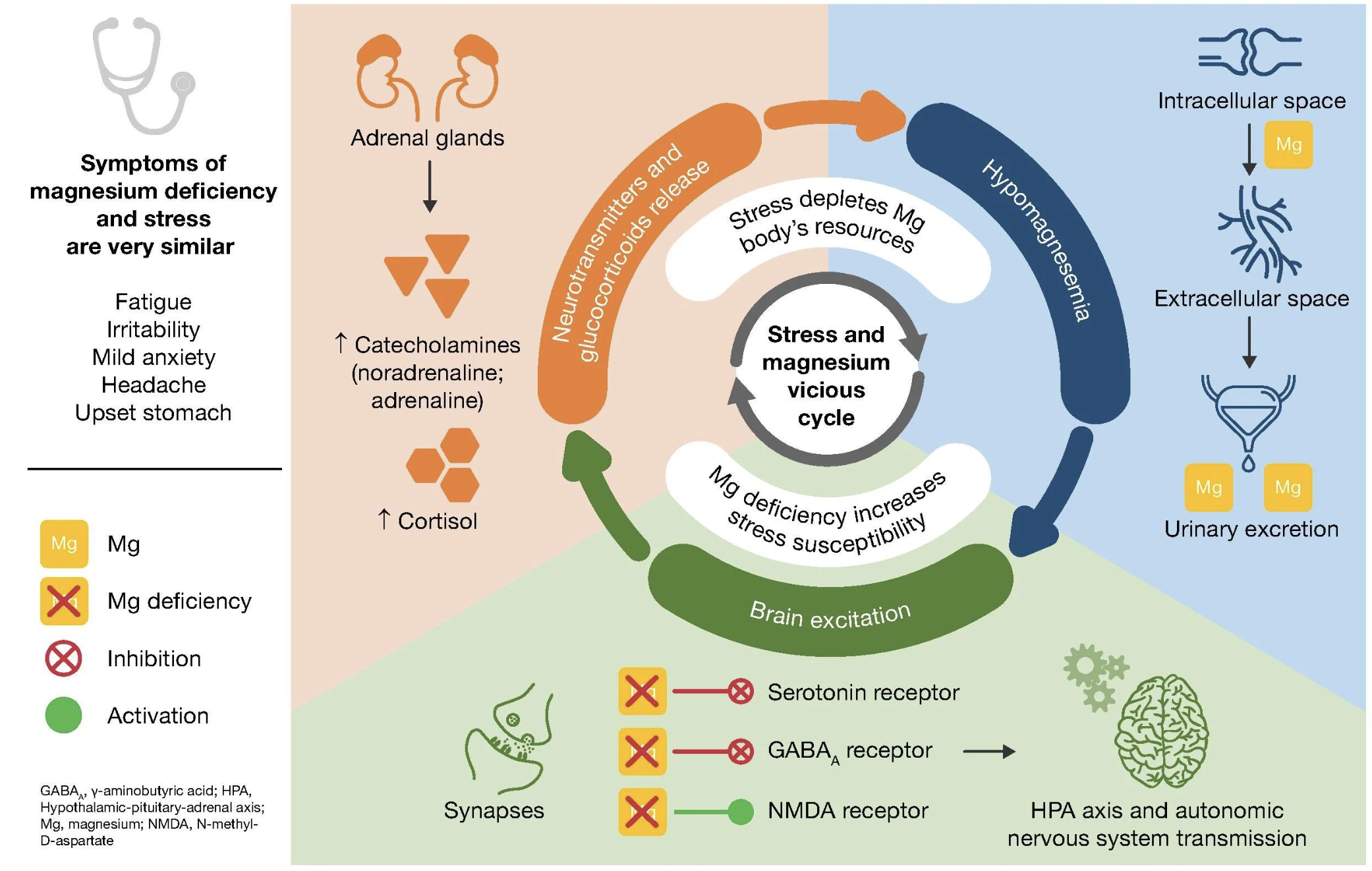
Your brain relies heavily on magnesium for proper neurotransmitter function, making the advantages of taking magnesium supplements particularly relevant for mental health. Research reveals a bidirectional relationship between magnesium and stress—low magnesium levels increase vulnerability to stress, while stress depletes magnesium stores, creating a challenging cycle that impacts mood regulation.
Clinical studies demonstrate significant improvements in both depression and anxiety symptoms with magnesium supplementation. In an 8-week trial, participants taking 500 mg of magnesium daily experienced meaningful reductions in depression symptoms, regardless of their initial magnesium status. Another study with 126 participants found that just 248 mg daily decreased anxiety symptoms within six weeks. These effects likely stem from magnesium’s ability to modulate the body’s stress response system and calm brain chemical messengers involved in emotional regulation.
Magnesium for Sleep Quality Improvement
Magnesium’s impact on sleep quality represents one of its most immediately noticeable advantages. This mineral regulates gamma aminobutyric acid (GABA), the primary neurotransmitter responsible for relaxation and sleep onset. Research shows magnesium supplements reduce the time it takes to fall asleep by an average of 17 minutes in older adults with insomnia. For best results, take 200-300 mg of magnesium glycinate 30-60 minutes before bedtime—this form combines magnesium with glycine, a calming amino acid that enhances sleep benefits without causing next-day grogginess.
Choosing Your Ideal Magnesium Supplement: Forms Compared
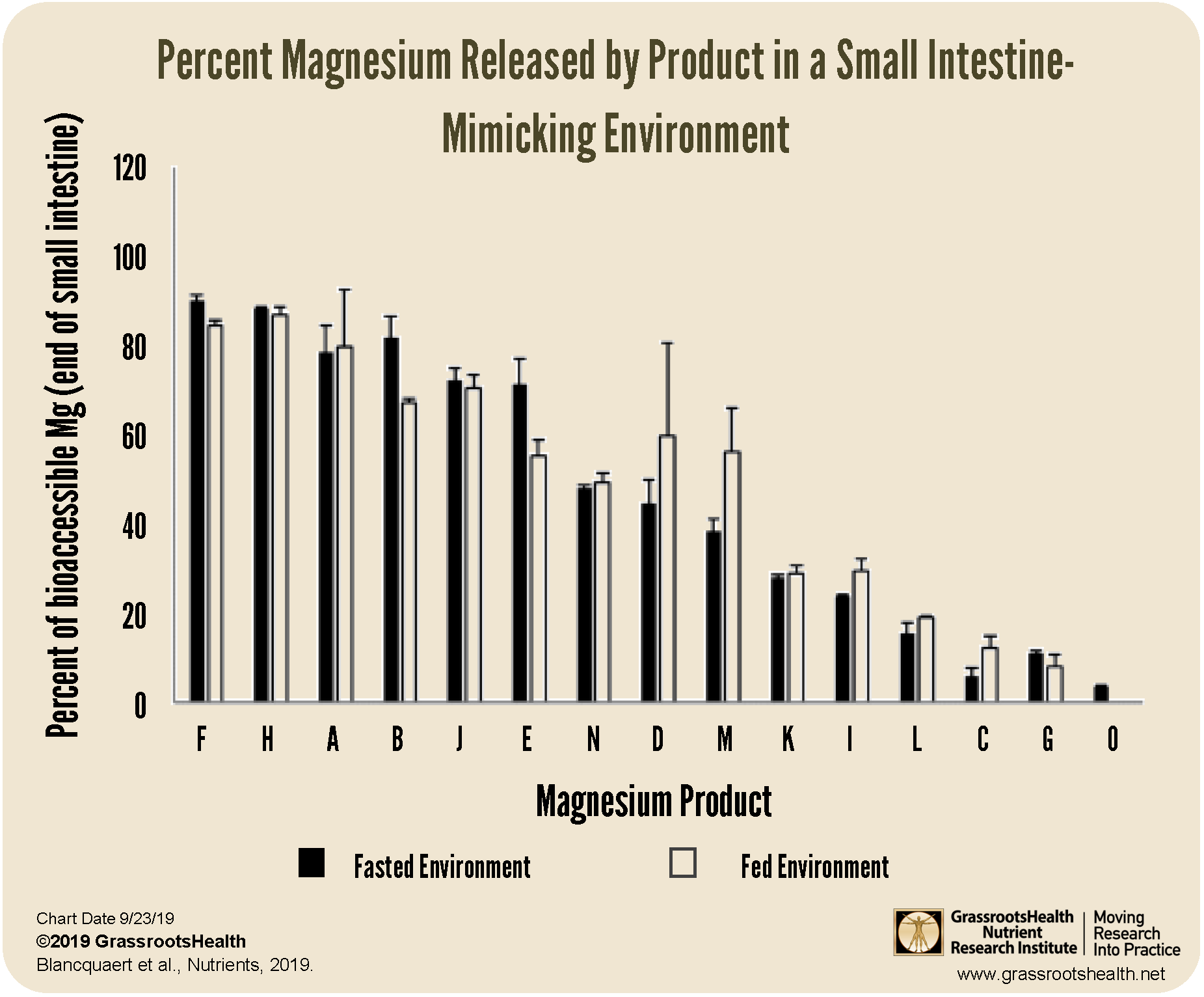
Not all magnesium supplements deliver equal benefits—the specific form you choose significantly impacts absorption, tolerance, and targeted effects. Understanding these differences ensures you get the maximum advantages from your supplementation strategy.
Magnesium Citrate vs. Glycinate: Which Is Right For You?
Magnesium citrate offers excellent absorption and provides mild laxative effects, making it ideal if you struggle with occasional constipation. This form increases magnesium levels while supporting digestive health—perfect for those needing dual benefits. Take 200-300 mg with breakfast for optimal results.
Magnesium glycinate, bonded to the amino acid glycine, provides superior absorption without the laxative effect. This form excels for sleep support, anxiety reduction, and muscle relaxation. Take 200-400 mg 30 minutes before bed to enhance sleep quality and morning recovery. If you experience stomach upset with other forms, glycinate is typically the most gentle option.
Forms to Avoid for Specific Goals
Magnesium oxide has poor absorption (only about 4%) and primarily works as a laxative rather than for systemic magnesium repletion. While inexpensive, it’s not ideal if you’re seeking the full advantages of taking magnesium supplements for cellular health. Magnesium sulfate (Epsom salt) works well in baths for muscle relaxation but has limited research supporting oral absorption for systemic benefits.
When Magnesium Could Be Dangerous: Safety Guidelines and Interactions
While generally safe, magnesium supplements require careful consideration if you take certain medications or have specific health conditions. The most common side effect is digestive upset, particularly with forms like citrate and oxide. Start with a lower dose (100-200 mg) and gradually increase to assess your tolerance.
Critical Medication Interactions to Know
Magnesium can interfere with several common medications. It reduces absorption of tetracycline antibiotics and quinolones, so take these medications at least 2 hours before or 4-6 hours after magnesium. Proton pump inhibitors (like omeprazole) already reduce magnesium absorption, so discuss monitoring with your doctor if you take these long-term. Those with kidney disease must exercise extreme caution, as impaired kidney function reduces the body’s ability to excrete excess magnesium safely.
Never exceed 350 mg of supplemental magnesium daily without medical supervision. While food sources have no upper limit, excessive supplementation can cause serious side effects including muscle weakness, irregular heartbeat, and in severe cases, respiratory distress. Always consult your healthcare provider before starting magnesium supplements if you have kidney disease, heart conditions, or take prescription medications.
Magnesium-Rich Foods That Beat Supplements for Long-Term Health
The safest, most effective way to obtain magnesium is through whole foods—there’s no upper limit for dietary magnesium as your body naturally regulates absorption from food sources. Prioritize these magnesium powerhouses in your daily diet:
- Leafy greens: Spinach (157 mg per cooked cup) and Swiss chard provide magnesium alongside complementary nutrients
- Seeds: Pumpkin seeds (156 mg per ounce) and chia seeds (95 mg per ounce) offer concentrated doses
- Nuts and legumes: Almonds (80 mg per ounce) and black beans (120 mg per cup) combine magnesium with protein
- Whole grains: Brown rice (86 mg per cooked cup) and oats retain more magnesium than refined grains
- Dark chocolate: Provides 64 mg per ounce along with beneficial antioxidants
Processing significantly reduces magnesium content—choose whole, unrefined foods whenever possible. A Mediterranean-style diet rich in plants, nuts, seeds, and whole grains typically provides adequate magnesium without supplementation for most healthy individuals.
Key Takeaways for Maximum Magnesium Benefits
The advantages of taking magnesium supplements span multiple body systems, from cardiovascular support to improved sleep quality and stress management. For most adults, 310-420 mg daily meets requirements, with supplemental intake not exceeding 350 mg. Start with food sources first, then consider targeted supplementation if you experience deficiency symptoms or have specific health goals.
Choose magnesium glycinate for sleep and anxiety support, citrate for constipation relief, or malate for exercise recovery. Always begin with lower doses to assess tolerance and consult your healthcare provider if you take medications or have chronic health conditions. Remember that consistent, moderate supplementation delivers better results than occasional high doses—making magnesium a sustainable addition to your long-term wellness strategy rather than a quick fix.