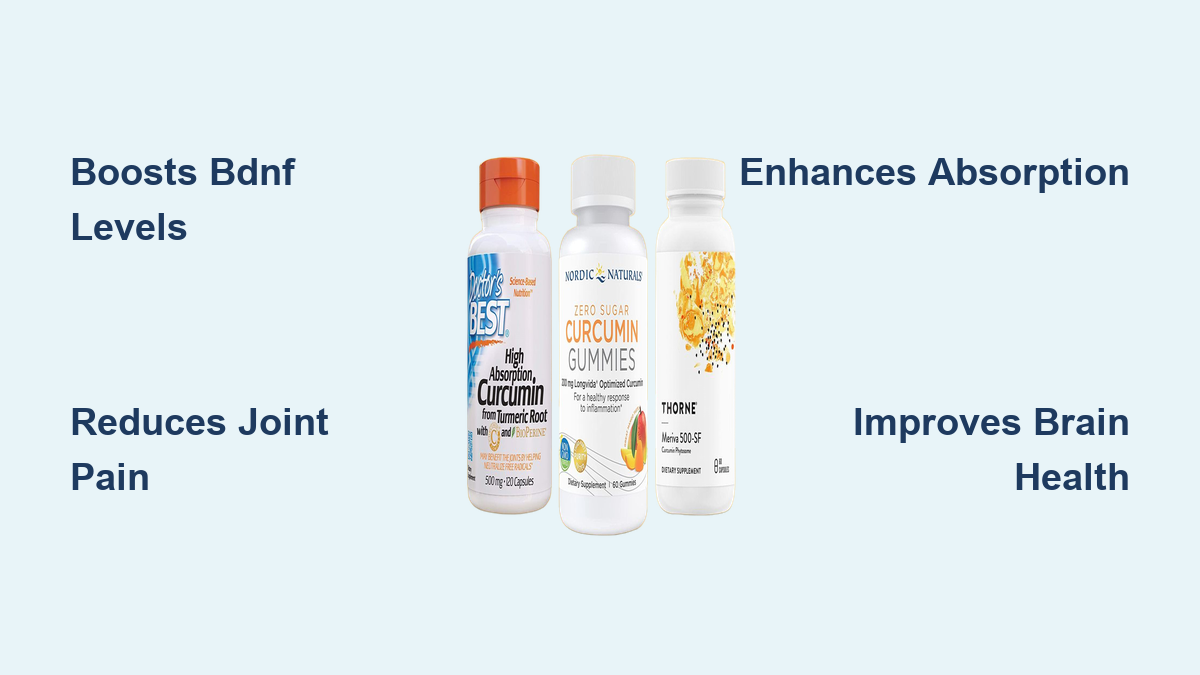

If your joints ache after climbing stairs, your memory seems foggy, or you struggle with stubborn inflammation that won’t respond to conventional treatments, turmeric supplements might be the natural solution you’ve been searching for. The advantages of taking turmeric supplements extend far beyond simple spice rack additions—they deliver concentrated doses of curcumin, the active compound responsible for turmeric’s powerful anti-inflammatory and antioxidant effects. While adding turmeric to your curry provides some benefits, supplements deliver therapeutic concentrations (up to 95% curcumin) that culinary use simply cannot match, making them essential for those seeking measurable health improvements. Understanding these science-backed advantages can transform how you approach chronic inflammation, joint pain, and overall wellness.
Modern research confirms what Ayurvedic medicine has known for centuries: turmeric isn’t just a kitchen staple but a potent therapeutic agent. Unlike pharmaceutical options that target single pathways, curcumin works through multiple biological mechanisms simultaneously, offering comprehensive support for your body’s natural healing processes. However, the advantages you experience depend entirely on proper dosing, absorption strategies, and choosing quality supplements that actually deliver the promised benefits. This guide cuts through the marketing hype to reveal exactly how turmeric supplements can improve your health, with specific protocols for maximizing results while avoiding common pitfalls.
Why Turmeric’s Anti-Inflammatory Power Beats NSAIDs for Joint Pain
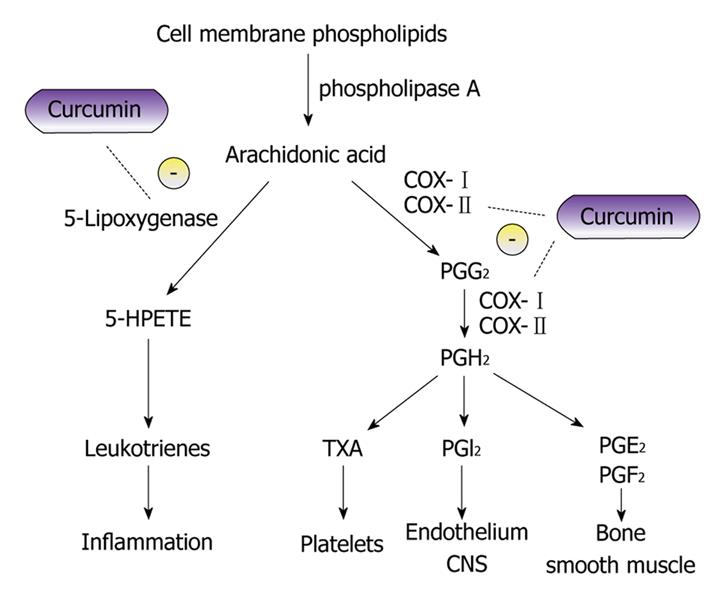
Turmeric supplements deliver a multi-targeted approach to inflammation that outperforms conventional NSAIDs by addressing multiple inflammatory pathways simultaneously. While ibuprofen blocks only one inflammatory enzyme (COX-2), curcumin inhibits multiple molecules involved in the inflammatory cascade, providing broader protection without the gastrointestinal risks associated with long-term NSAID use. Clinical evidence shows that taking 500mg of curcumin extract twice daily significantly reduces pain scores and improves physical function in osteoarthritis patients—often matching prescription pain relievers but with fewer side effects.
How 500mg Curcumin Twice Daily Reduces Arthritis Symptoms
The Arthritis Foundation specifically recommends this dosing protocol because research demonstrates measurable improvements within 8-12 weeks of consistent use. Look for these visual indicators of effectiveness:
– Reduced morning stiffness duration (from over 60 minutes to under 30)
– Increased walking distance without pain
– Less swelling in knuckles and finger joints
– Improved grip strength for daily tasks
Start with 250mg twice daily for the first week to assess tolerance, then increase to the full 500mg dose. Take your supplements with your largest meal containing healthy fats (avocado, olive oil, or nuts) to boost absorption by up to 7-8x compared to taking them on an empty stomach.
Can Turmeric Match Prescription Pain Relievers for Osteoarthritis?
Multiple clinical trials confirm curcumin’s pain-relieving effects equal those of celecoxib (Celebrex) for knee osteoarthritis, with one study showing 56% of participants achieving clinically significant pain reduction—comparable to pharmaceutical options. The key difference? Turmeric works with your body’s natural healing processes rather than merely masking symptoms. For best results, combine your supplementation with these joint-friendly practices:
– Apply ice packs for 15 minutes after intense activity
– Perform gentle range-of-motion exercises before taking your dose
– Avoid prolonged sitting—stand and stretch every 30 minutes
– Track your pain levels daily to identify response patterns
Boosting Brain Health with 200% Higher BDNF Levels
Turmeric supplements directly combat age-related cognitive decline by increasing brain-derived neurotrophic factor (BDNF), the protein essential for creating new neural connections. Research shows curcumin boosts BDNF levels by up to 200%, effectively reversing the natural decline that contributes to memory loss and reduced learning capacity. Unlike pharmaceutical cognitive enhancers that target single pathways, curcumin’s dual antioxidant and anti-inflammatory actions protect brain cells from multiple angles while enhancing neural plasticity.
Does Curcumin Actually Prevent Alzheimer’s Disease?
While definitive prevention claims remain premature, studies reveal compelling protective mechanisms: curcumin crosses the blood-brain barrier to reduce amyloid plaque formation (a hallmark of Alzheimer’s) while simultaneously quenching oxidative stress in vulnerable brain regions. Population studies show people in India, where turmeric consumption is high, have significantly lower rates of Alzheimer’s compared to Western nations—though this correlation requires more controlled research. For meaningful cognitive protection, commit to at least 6 months of consistent supplementation while monitoring these indicators:
– Improved word recall during conversations
– Faster reaction times in daily tasks
– Enhanced ability to learn new skills
– Better sleep quality (critical for memory consolidation)
Turmeric’s Dual Action on Depression and Cognitive Decline
Curcumin’s mood-enhancing effects stem from its ability to increase both serotonin and dopamine while reducing brain inflammation linked to depression. A landmark study tracking women through three menstrual cycles found curcumin supplementation significantly reduced PMS-related mood swings and irritability. For optimal mental health benefits:
– Take your dose with breakfast to align with natural serotonin production cycles
– Combine with 10-15 minutes of morning sunlight exposure
– Pair with omega-3 supplements for synergistic brain benefits
– Avoid taking within 4 hours of bedtime if you experience mild stimulation
Maximizing Curcumin Absorption: From 1% to 2000% Bioavailability
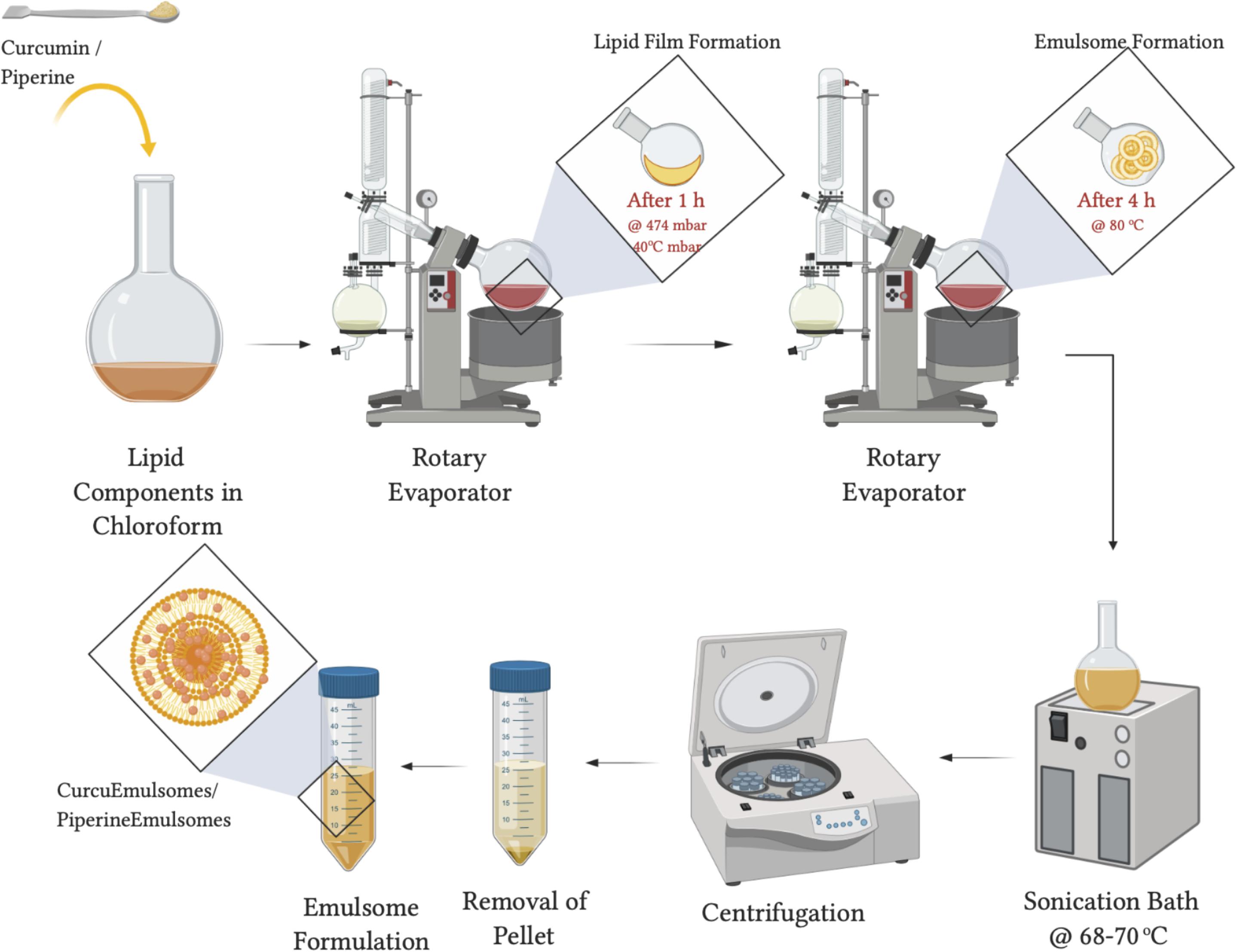
The primary reason most people don’t experience the advantages of taking turmeric supplements is poor absorption—regular curcumin has only 1% bioavailability, meaning 99% gets eliminated before providing benefits. Strategic formulation choices can transform this dismal statistic, making your supplementation actually work as intended. Understanding these absorption principles separates those who see results from those who waste money on ineffective products.
Why Black Pepper Boosts Turmeric Effectiveness by 20x
Piperine, the active compound in black pepper, inhibits liver enzymes that break down curcumin, increasing its bioavailability by up to 2000%. When selecting supplements, verify they contain:
– At least 5-10mg piperine per 500mg curcumin dose
– Standardized piperine extract (not just “black pepper”)
– Third-party testing confirming the piperine content
Never take plain turmeric powder without piperine—this common mistake renders 99% of the curcumin useless. If using culinary turmeric, always add freshly cracked black pepper to your dishes for meaningful absorption.
Optimal Timing: When to Take Turmeric with Fats for Maximum Benefit
Since curcumin is fat-soluble, taking it with dietary fats increases absorption by 700%. For best results:
– Consume with your largest meal containing healthy fats (avocado, nuts, olive oil)
– Avoid low-fat or fat-free meals when taking doses
– Skip taking with sugary or processed foods that counteract benefits
– Track your response for 2 weeks to identify your personal absorption pattern
Safety First: Who Should Avoid Turmeric Supplements?
While turmeric supplements are generally safe for most adults, specific populations need caution due to potential interactions and side effects. Understanding these risks ensures you reap the advantages of taking turmeric supplements without compromising your health.
5 Dangerous Drug Interactions with Blood Thinners and Chemotherapy
Turmeric’s antiplatelet effects can dangerously amplify blood thinners like warfarin, potentially causing uncontrolled bleeding. Similarly, curcumin may interfere with certain chemotherapy drugs’ effectiveness. Always consult your doctor before starting supplementation if you take:
– Blood thinners (warfarin, Eliquis, Xarelto)
– Diabetes medications (risk of dangerous blood sugar drops)
– Chemotherapy agents (potential interference)
– Immunosuppressants like tacrolimus
– Acid-reducing medications (may alter absorption)
Recognizing Early Signs of Turmeric Overdose
Most side effects occur only at extremely high doses (above 8,000mg daily), but sensitive individuals may experience:
– Yellow-orange urine (harmless but alarming)
– Mild digestive upset (reduce dose by 50%)
– Headaches (indicating possible histamine response)
– Iron deficiency symptoms (curcumin binds iron)
Stop supplementation immediately if you experience severe diarrhea, rash, or breathing difficulties—these indicate possible allergy requiring medical attention.
Choosing Lab-Tested Turmeric Supplements That Actually Work
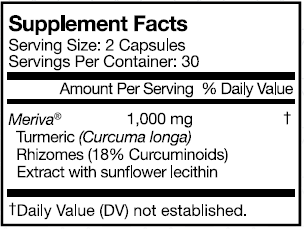
The supplement industry’s lack of regulation means many turmeric products contain little to no active curcuminoids. Selecting products that deliver on their promises requires knowing exactly what to look for on labels and third-party testing reports.
Third-Party Verification: Spotting Fake Curcumin Content Claims
Reputable brands will display these certifications on their packaging:
– USP Verified Mark (confirms ingredient accuracy)
– NSF International seal (verifies purity and potency)
– ConsumerLab.com testing results (independent verification)
– Non-GMO Project certification (ensures quality sourcing)
Avoid products listing “proprietary blends” without disclosing exact curcuminoid percentages—this industry trick hides inadequate dosing. Look for supplements specifying “95% curcuminoids” for therapeutic effectiveness.
Cost Analysis: Is $30/Month Worth the Proven Health Benefits?
When evaluating value, calculate cost per effective dose:
– High-quality supplements: $0.50-$0.75 per 500mg curcumin dose
– Store brands: Often $0.20-$0.30 but with questionable potency
– Powdered turmeric: $0.03 per dose but requires 30x more for equivalent effect
For most people seeking therapeutic benefits, investing $30-$40 monthly in verified supplements delivers the best cost-to-benefit ratio compared to ineffective cheap alternatives or impractical culinary-only approaches.
Daily Turmeric Routine: Dosage Schedules That Deliver Results
Creating an effective supplementation protocol requires matching timing and dosing to your specific health goals. A one-size-fits-all approach fails to maximize the advantages of taking turmeric supplements.
Morning vs. Night: Optimal Timing for Different Health Goals
- Joint pain relief: Take first dose with breakfast, second with dinner
- Cognitive enhancement: Take with morning meal for all-day focus
- Metabolic support: Take with largest meal to regulate blood sugar spikes
- Mood support: Split doses between breakfast and lunch to avoid sleep disruption
Consistency matters more than perfect timing—missing doses regularly negates benefits. Set phone reminders until supplementation becomes habitual.
Combining Supplements with Golden Milk for 24/7 Protection
For comprehensive benefits, pair your supplements with this evening ritual:
1. Heat 1 cup unsweetened almond milk to just below boiling
2. Whisk in ¼ tsp turmeric powder, pinch black pepper, and ½ tsp coconut oil
3. Add cinnamon to taste (enhances insulin sensitivity)
4. Consume 1-2 hours before bedtime for overnight healing
This combination provides sustained curcumin levels while the fat content maximizes absorption—creating a 24-hour therapeutic window when paired with daytime supplements.
Final Note: The advantages of taking turmeric supplements become most apparent after 8-12 weeks of consistent, properly dosed supplementation. Track your progress using specific metrics like pain scales, morning stiffness duration, or cognitive performance to objectively measure benefits. Remember that turmeric works synergistically with healthy lifestyle choices—pair your supplementation with anti-inflammatory foods, quality sleep, and stress management for compounded benefits. If you experience no noticeable improvements after 12 weeks of proper use, consult a healthcare provider to explore alternative formulations or underlying health factors affecting your response.